

Short answer: Heating, ventilation, and air conditioning (HVAC) systems are essential components of any comfortable home, especially in regions with extreme weather conditions. For homeowners, understanding how these systems work, the costs involved, and how to maintain them can lead to significant savings and a more efficient household. In Las Vegas, for example, inefficient HVAC systems can account for a staggering 40-60% of home energy bills, highlighting the importance of proper system selection and upkeep. This guide will walk you through the basics of residential HVAC, average costs and influencing factors, and maintenance strategies that can help you save money and avoid costly repairs. For more detailed industry insights, Expert Air Conditioning offers a comprehensive look at key HVAC statistics.
What Is Residential HVAC?
Residential HVAC refers to the systems installed in homes to provide heating, cooling, and ventilation. These systems regulate indoor temperatures and air quality, ensuring comfort throughout the year. The most common components include furnaces, air conditioners, heat pumps, ductwork, and thermostats. Each component directly affects maintaining a balanced indoor environment. Heating systems typically use furnaces or heat pumps to warm the home during colder months. Furnaces burn fuel such as natural gas or propane, while heat pumps transfer heat from outside air or the ground. Cooling is primarily handled by air conditioners or heat pumps in cooling mode, which remove heat from inside the home and release it outdoors. Ventilation ensures fresh air circulates, reducing indoor pollutants and humidity. Modern HVAC systems are designed with energy efficiency in mind, but their effectiveness depends heavily on proper installation, usage, and maintenance. With the introduction of the Department of Energy's SEER2 efficiency standards in 2023, HVAC systems have become more energy-efficient but also more expensive, with prices increasing by 15–30%. This change reflects a growing emphasis on sustainability and long-term energy savings, as detailed by Repair Advisor Pro. In addition to the fundamental components, many modern residential HVAC systems incorporate advanced technologies such as smart thermostats and zoning systems. Smart thermostats allow homeowners to control their HVAC systems remotely via smartphones, optimizing energy use by adjusting temperatures based on occupancy patterns. Zoning systems enable different areas of the home to be heated or cooled independently, enhancing comfort and efficiency by ensuring that energy is not wasted on unoccupied spaces. Furthermore, regular maintenance is crucial for prolonging the lifespan of HVAC systems. Homeowners are encouraged to schedule annual inspections and tune-ups, which can help identify potential issues before they escalate into costly repairs. Simple tasks, such as changing air filters and cleaning ducts, can significantly improve system performance and indoor air quality. As awareness of indoor air quality grows, many homeowners are also exploring additional filtration options, such as HEPA filters or UV light systems, to further enhance the healthfulness of their living environments.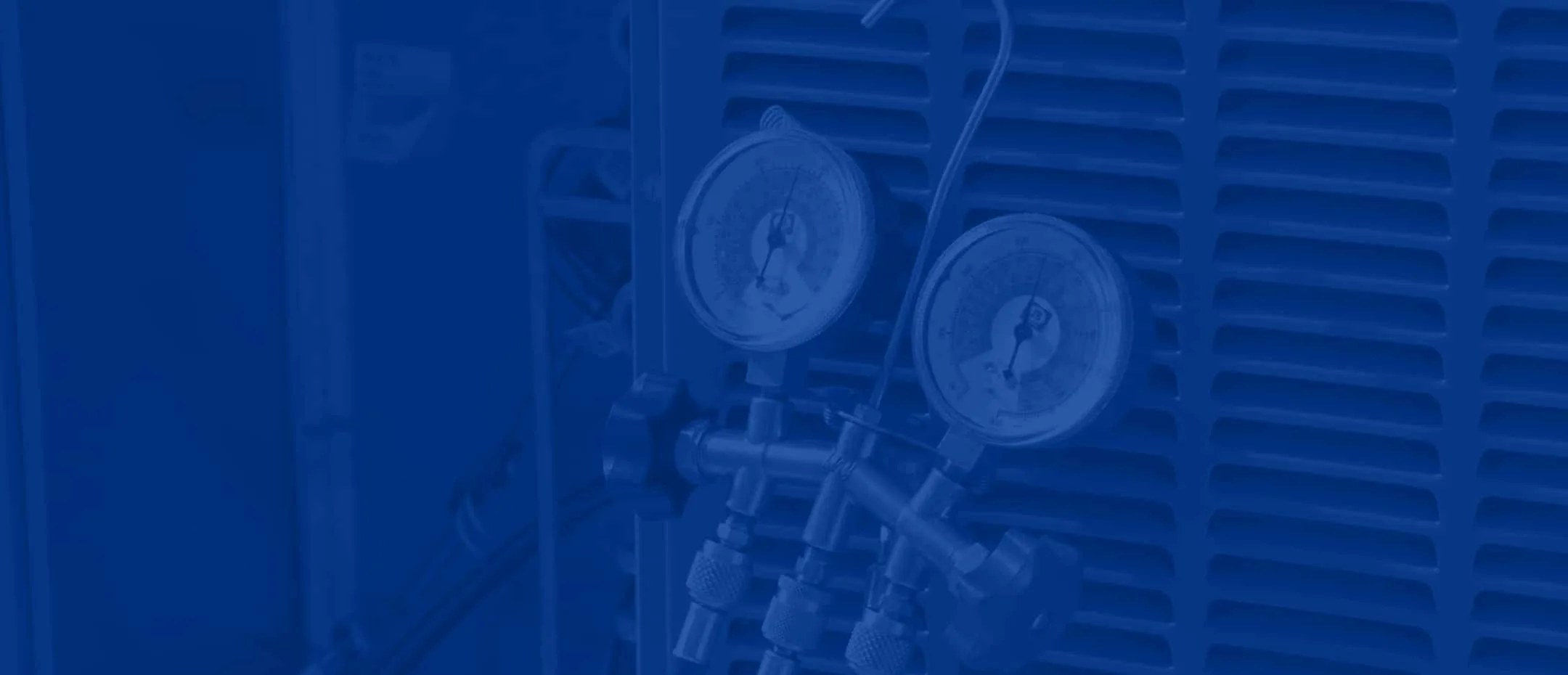
Average Costs & Factors
When considering HVAC installation or replacement, understanding the cost landscape is crucial. In 2024, the average cost to replace both a central air conditioner and furnace is around $7,500, though this can range from $5,000 to $15,000 depending on several factors. These include the size of the home, the type and efficiency of the system, labor costs, and any additional modifications needed for ductwork or electrical upgrades. System efficiency ratings, such as SEER (Seasonal Energy Efficiency Ratio) for air conditioners, directly impact both upfront costs and long-term energy bills. Higher-efficiency units typically cost more initially but can lead to substantial savings over time. However, the recent SEER2 standards have pushed prices upward, making it essential for homeowners to weigh the benefits of higher efficiency against their budget constraints. Other factors influencing cost include brand reputation, warranty terms, and installation complexity. For instance, homes with older or poorly designed duct systems may require extensive upgrades to accommodate new HVAC equipment, adding to the total expense. To get a detailed breakdown of costs and industry trends, Repair Advisor Pro provides valuable insights into pricing and market shifts. Additionally, geographical location is essential for HVAC costs. For instance, areas with extreme weather conditions may see higher demand for HVAC services, which can drive up prices. In contrast, regions with milder climates might offer more competitive pricing due to lower demand. It's also worth noting that local regulations and incentives for energy-efficient upgrades can affect overall costs. Homeowners should research any available tax credits or rebates that may offset the expense of a new system, particularly for high-efficiency models that meet or exceed current standards. Furthermore, the timing of installation can also influence costs. Many HVAC companies offer promotions during the off-peak seasons, such as spring or fall, when demand is lower. Scheduling an installation during these times may result in significant savings. Moreover, regular maintenance of existing systems can prolong their lifespan and improve efficiency, potentially delaying the need for costly replacements. Homeowners should consider investing in annual check-ups to ensure their HVAC systems are running optimally, which can ultimately lead to reduced energy bills and a more comfortable living environment.Maintenance Strategies for Long-Term Savings
Regular HVAC maintenance is one of the most effective ways to extend system lifespan, improve efficiency, and reduce energy bills. Studies show that routine upkeep can reduce energy consumption by 5–15%, translating into noticeable savings on utility costs. Additionally, maintenance helps prevent unexpected breakdowns, which can be costly and inconvenient. According to AM Mechanical Inc., regular maintenance can reduce the risk of system failures by as much as 95%. Key maintenance tasks include cleaning or replacing air filters, inspecting and cleaning coils, checking refrigerant levels, lubricating moving parts, and ensuring thermostat accuracy. For example, a U.S. Department of Energy test highlighted that cleaning dirty AC coils can cut a unit’s energy use in half, underscoring the importance of keeping components clean and well-maintained. Homeowners should schedule professional HVAC inspections at least once a year, ideally before the heating or cooling season begins. This proactive approach allows technicians to identify and address minor issues before they escalate. Moreover, regular maintenance aligns with expert advice from Repair Advisor Pro, which emphasizes that upkeep can reduce energy use and prevent costly failures. In addition to professional service, simple homeowner actions like changing filters monthly and keeping outdoor units free of debris contribute significantly to system efficiency. By investing in maintenance, homeowners not only save money but also contribute to environmental sustainability by reducing energy consumption. Furthermore, understanding the specific needs of your HVAC system can enhance the effectiveness of maintenance efforts. Each system has unique requirements based on its age, type, and usage patterns. For instance, older systems may benefit from more frequent inspections and minor adjustments, while newer models might require less intensive upkeep. Homeowners should also consider investing in smart thermostats that can optimize energy usage based on real-time data, further enhancing system efficiency and comfort. These devices can learn your schedule and preferences, allowing for automated adjustments that save energy without sacrificing comfort. Another vital aspect of HVAC maintenance is the importance of ductwork. Leaky or dirty ducts can significantly impact system performance, leading to higher energy costs and uneven heating or cooling in different areas of the home. Regular inspections and cleanings of ductwork can help ensure that air flows freely and efficiently throughout the home. Additionally, sealing any leaks can prevent conditioned air from escaping, maximizing the effectiveness of your HVAC system and contributing to a more comfortable living environment. By addressing these often-overlooked components, homeowners can achieve even greater savings and efficiency in their HVAC systems.Ready for Expert HVAC Services?
Now that you're equipped with knowledge on the importance of efficient HVAC systems and maintenance, take the next step towards optimal home comfort with The Cooling Company. Our certified technicians in Las Vegas are committed to delivering exceptional heating, cooling, and air quality services to keep your environment comfortable all year round. Whether you need routine maintenance, emergency repairs, or a new installation, we provide quick, reliable, and efficient solutions. Don't wait for your HVAC system to fail; Schedule Now with us today and experience the peace of mind that comes with professional care.Related reading: Residential HVAC Maintenance | Residential HVAC Repair Guide | HVAC Cost Guide
Related service: Stay ahead of costly breakdowns. Explore our AC maintenance and AC repair services for Las Vegas homeowners.
Need HVAC Service in Las Vegas?
The Cooling Company provides expert HVAC service throughout Las Vegas, Henderson, and North Las Vegas. Our licensed technicians deliver honest assessments, upfront pricing, and reliable results.
Call (702) 567-0707 or visit AC repair, maintenance, heating, or installation for details.