

Short answer: Heating, ventilation, and air conditioning (HVAC) systems are essential for maintaining comfort in homes year-round. As the U.S. HVAC market continues to grow rapidly, projected to surpass $290 billion by the end of 2025, understanding when and how to repair your residential HVAC system can save you significant time, money, and stress. With the industry evolving and homeowners increasingly opting for repairs over replacements, staying informed about common issues and costs is more important than ever. This guide will walk you through the key signs of HVAC failure, average repair expenses, and crucial tips on deciding whether to repair or replace your system.
Common Signs of HVAC Failure
Recognizing the early warning signs of HVAC failure can prevent costly breakdowns and uncomfortable living conditions. One of the most common indicators is inconsistent temperature control, if some rooms are noticeably warmer or cooler than others, it might signal a problem with your system’s airflow or thermostat. This inconsistency can lead to discomfort, making it difficult to maintain a pleasant environment in your home. It may also indicate that your ductwork is blocked or leaking, which can further exacerbate the issue and lead to increased energy consumption as your system struggles to maintain the desired temperature. Another red flag is unusual noises coming from your HVAC unit, such as banging, clanking, or squealing sounds. These noises often point to mechanical issues like loose parts or failing motors. Ignoring these sounds can lead to more significant damage over time, resulting in costly repairs or even the need for a complete system replacement. Additionally, if your system is cycling on and off more frequently than usual, this could indicate an underlying problem affecting its efficiency. Short cycling not only wastes energy but can also lead to premature wear and tear on your unit, ultimately shortening its lifespan. Homeowners should also be alert to increased energy bills without a corresponding change in usage patterns. Studies have shown that implementing advanced control technologies in HVAC systems can reduce energy costs by an average of 16%, highlighting how inefficiencies often manifest in higher utility expenses. Regular maintenance is crucial, as it can reduce the risk of system breakdowns by as much as 95%, emphasizing the importance of proactive care to catch these signs early (AM Mechanical Inc.). Furthermore, homeowners should consider scheduling seasonal check-ups with a qualified technician, who can perform a thorough inspection and tune-up of the system. This not only ensures optimal performance but can also extend the life of the HVAC unit, saving money in the long run. Another aspect to consider is the impact of poor indoor air quality, which can be a sign of HVAC issues. If you notice an increase in dust accumulation, or if family members are experiencing more frequent allergies or respiratory problems, it may be time to assess your system's filtration and ventilation. A clogged filter can restrict airflow and reduce efficiency, while inadequate ventilation can lead to stale air and increased humidity levels. By addressing these concerns promptly, you can create a healthier living environment while also improving the overall performance of your HVAC system.
Average Repair Costs
Understanding the typical costs associated with HVAC repairs helps homeowners budget appropriately and avoid surprises. On average, repair costs hover around $350, though this figure can vary widely depending on the nature of the issue and the specific system involved. Minor repairs like replacing filters or fixing thermostat problems tend to be on the lower end of the spectrum, while more complex repairs involving compressors or ductwork can be significantly more expensive. It’s worth noting that approximately 3 million heating and cooling systems are replaced annually in the U.S., but many homeowners opt for repairs instead, especially when costs are manageable (WiFi Talents). Labor shortages in the HVAC industry have also contributed to rising repair costs and longer wait times. Nearly 90% of HVAC companies report challenges in finding qualified technicians, which can impact both pricing and project timelines. Despite this, investing in regular maintenance makes financial sense as it minimizes costly emergency repairs and extends system life, making it a sound long-term strategy. Additionally, the age and efficiency of your HVAC system directly affects determining repair costs. Older systems often require more frequent repairs and may not be as energy-efficient, leading to higher utility bills. Homeowners should consider the long-term savings associated with upgrading to a newer, more efficient model, which can ultimately offset repair expenses. Furthermore, understanding the seasonal demand for HVAC services can also influence pricing; repairs during peak seasons, such as summer and winter, may incur higher costs due to increased demand for technicians. Moreover, the geographic location of a homeowner can also affect HVAC repair costs. Urban areas often see higher labor rates compared to rural regions, and local climate conditions can influence the types of repairs that are most common. For instance, regions with extreme temperatures may experience more frequent issues related to heating and cooling systems, necessitating a greater emphasis on timely repairs. Homeowners should familiarize themselves with local HVAC service providers and their pricing structures to make informed decisions regarding repairs and maintenance.When to Repair vs. Replace
Deciding whether to repair or replace your HVAC system hinges on several factors, including the age of the unit, frequency of repairs, and energy efficiency. Older systems, especially those over 10-15 years, may require more frequent repairs and consume more energy, making replacement a more cost-effective option in the long run. Recent market trends indicate a shift toward repair over replacement, as shipments of unitary air conditioners and heat pumps declined by nearly 17% in 2023 compared to the previous year. This suggests homeowners and contractors are focusing on extending the life of existing systems rather than investing in new installations (ACHR News). Energy efficiency is another critical consideration. With global warming driving demand for greener solutions, newer HVAC models often provide significant savings on energy bills. Field studies using predictive control and reinforcement learning have demonstrated average energy cost reductions of 16%, showcasing the potential advantages of upgrading to more advanced systems (arXiv). Ultimately, if repair costs approach 50% or more of the replacement cost, or if your system is frequently breaking down despite maintenance, replacement is typically the wiser financial choice. Consulting with a trusted HVAC professional can help tailor the decision to your specific circumstances and ensure optimal comfort and efficiency for your home. In addition to age and repair frequency, consider the environmental impact of your HVAC system. Older units often use refrigerants that are harmful to the ozone layer, while newer models utilize eco-friendly alternatives that comply with modern regulations. This shift not only benefits the planet but can also enhance your home’s resale value, as energy-efficient systems are increasingly sought after by environmentally-conscious buyers. Furthermore, many utility companies offer incentives for upgrading to energy-efficient systems, which can help offset the initial costs of replacement. Another factor to weigh is the technology available in newer HVAC systems. Smart thermostats and advanced zoning capabilities allow for more precise control over your home's climate, leading to increased comfort and further energy savings. These innovations can be particularly beneficial in larger homes or those with varying heating and cooling needs across different rooms. By investing in a modern system, you not only ensure a more comfortable living environment but also position yourself to take advantage of future advancements in HVAC technology.Ready for Expert HVAC Services?
If you're facing HVAC issues or considering an upgrade to a more energy-efficient system, The Cooling Company is here to help. As Las Vegas's premier heating and air conditioning service provider, we offer comprehensive solutions tailored to your unique needs. Our certified technicians are ready to deliver exceptional service, from routine maintenance to emergency repairs. Don't let HVAC troubles disrupt your comfort, Schedule Now with us today and experience the peace of mind that comes with a perfectly climate-controlled environment.Frequently Asked Questions
How do I decide between repairing my HVAC system and replacing it entirely?
The core decision framework combines age, repair cost, and overall system condition. For units under 10 years old, repair is the right call for most failures below 40% of replacement cost. For units 12 to 15 years old, any repair approaching $800 to $1,200 warrants a replacement conversation, at that age, compressor, coil, and controls are aging in parallel, and the next expensive failure is often not far behind. In Las Vegas, this age compression is real: 12 years here is comparable to 17 to 18 years in a cooler climate due to the extreme annual run-hour accumulation from 10-month cooling seasons.
What are the most common residential HVAC repairs in Las Vegas?
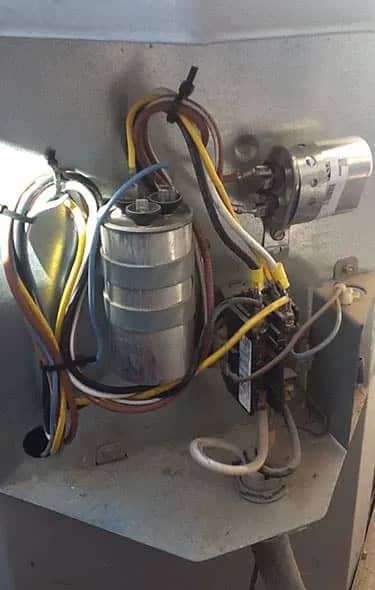
Capacitor replacement leads the list by a wide margin. Start and run capacitors degrade faster in Las Vegas's sustained heat than in any other U.S. market, most technicians attribute this directly to the 110°F+ ambient temperatures the outdoor units endure for weeks at a time. Refrigerant recharge after vibration-induced pinhole leaks is second most common. Contactor failure (the high-voltage switch controlling the compressor), condenser coil cleaning after fouling causes high-pressure lockout, and blower motor replacement round out the top five. All are same-day repairs when the technician carries the right parts on the truck.
Does homeowner's insurance cover HVAC repair costs?
Standard homeowner's insurance covers HVAC damage caused by specific covered perils, fire, lightning, certain wind events, but does not cover mechanical breakdown from normal wear, which is the cause of nearly all residential HVAC failures. Home warranty plans (separate from homeowner's insurance) may cover HVAC mechanical failures, but coverage limits, exclusions, and the required approval process vary widely. If you're considering a home warranty that covers HVAC, read the specific terms around refrigerant recharges, compressor coverage, and pre-existing conditions before assuming routine repairs will be covered.
Related reading: Residential HVAC Maintenance | Residential HVAC Guide | HVAC Repair vs Replace
Related service: Experiencing AC problems in Las Vegas? Explore our AC repair and AC maintenance services for Las Vegas homeowners.
Share This Page