Residential HVAC Maintenance: Lower Costs and Enhance Efficiency
HVAC Efficiency & Performance
Residential HVAC Maintenance: Lower Costs and Enhance Efficiency
Your home’s heating, ventilation, and air conditioning (HVAC) system works quietly in the background, keeping you comfortable through scorching summers and chilly winters. But like any complex machine, it needs regular care to perform at its best. Residential HVAC maintenance isn’t just about preventing breakdowns—it’s about improving energy efficiency, extending the lifespan of your equipment, and ensuring your family enjoys consistent comfort year-round.In this guide, we’ll walk you through the essentials of maintaining your HVAC system, from seasonal checklists to component-specific care tips. You’ll learn which tasks you can handle yourself, which ones require a licensed technician, and how proper upkeep can save you hundreds—sometimes thousands—of dollars over the system’s life. Whether you own a brand-new home or an older property with a hard-working system, this resource will help you keep your HVAC running efficiently and reliably.
HVAC Maintenance Basics: What It Is and Why It Matters
At its core, HVAC maintenance is the ongoing process of keeping your heating, ventilation, and air conditioning system clean, tuned, and operating at peak efficiency. It combines simple homeowner tasks—like replacing air filters—with specialized professional services such as refrigerant checks, duct inspections, and electrical component testing.When done consistently, maintenance ensures that every part of the system works together as designed. Clean coils transfer heat more efficiently, sealed ducts prevent air loss, and a calibrated thermostat keeps temperatures stable without overworking your system. This means your HVAC doesn’t have to run as long or as hard to maintain comfort, which can lower your utility bills by 10–20% over the year.Maintenance isn’t just about saving money—it’s also about preventing headaches. Most mid-season breakdowns can be traced back to neglected upkeep, whether that’s a clogged filter causing a frozen coil or worn belts snapping unexpectedly. Addressing small issues during a scheduled tune-up costs far less than paying for an emergency repair in the middle of a heatwave or cold snap.If you’re already experiencing warning signs—like weak airflow, uneven temperatures, or unusual noises—you may have crossed the line from preventive maintenance into repair territory. In that case, it’s worth reviewing our HVAC Repair Guide to determine whether professional intervention is needed before returning to regular upkeep.
Seasonal HVAC Maintenance Checklist
Short answer: Your HVAC system works year-round, but its needs change with the seasons. Following a seasonal maintenance plan keeps your system ready for the weather ahead, prevents unexpected breakdowns, and helps you get the most out of your equipment. Here’s what to focus on each season:
Your HVAC system works year-round, but its needs change with the seasons. Following a seasonal maintenance plan keeps your system ready for the weather ahead, prevents unexpected breakdowns, and helps you get the most out of your equipment. Here’s what to focus on each season:
Spring
Schedule your annual professional tune-up before the first heat wave. A technician will inspect refrigerant levels, clean coils, and test electrical components.
Replace or clean air filters to improve airflow and reduce strain on the system.
Clear debris, leaves, and grass clippings from around the outdoor condenser to maintain proper ventilation.
Flush the condensate drain line to prevent clogs and musty odors.
Summer
Check filters monthly during peak cooling season—replace or wash as needed.
Keep at least two feet of clearance around the outdoor unit for unrestricted airflow.
Inspect for unusual noises, hot spots, or weak airflow; these can indicate developing issues.
Use your smart thermostat to optimize cooling schedules and reduce energy use when you’re away.
Fall
Replace or clean filters before switching to heating mode.
Inspect ductwork for visible leaks and seal them to improve efficiency.
Test the heating cycle to ensure it’s ready for cold weather.
Schedule a heating-focused tune-up if you have a furnace or heat pump.
Winter
Check filters monthly—heating also produces dust that can clog airflow.
Ensure vents and registers are clear of furniture, rugs, or curtains.
Monitor energy bills for unexpected spikes, which could indicate system inefficiency.
Listen for odd noises like rattling or banging, and address them quickly to avoid costly repairs.
Each part of your HVAC system has its own maintenance needs. Keeping all components in top condition ensures balanced airflow, consistent comfort, and maximum efficiency. Use this table as a quick reference to know what each part requires and how often.
Component
Key Maintenance Tasks
Frequency
Learn More
Air Conditioner
Replace or clean air filters, rinse condenser coils, check refrigerant levels, clear debris around outdoor unit.
By addressing each component regularly, you can prevent small issues from becoming costly breakdowns. For deeper, step-by-step instructions, explore each linked guide above.
DIY vs. Professional HVAC Maintenance
residential HVAC maintenance, some tasks are perfect for a hands-on homeowner, while others should always be left to a licensed professional. Knowing the difference not only keeps your system running smoothly but also protects your safety and warranty coverage.
What You Can Do Yourself
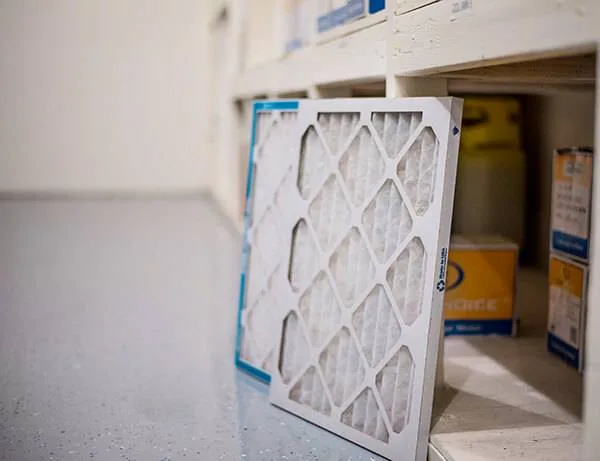
Replace or Clean Air Filters: Change disposable filters every 1–3 months or wash reusable filters with mild soap and water. This simple step improves airflow and efficiency.
Clear Outdoor Unit Debris: Keep at least 2–3 feet of clearance around the condenser. Trim plants, sweep away leaves, and remove any obstructions.
Flush the Condensate Drain Line: Pour a cup of distilled white vinegar into the access port once a month during cooling season to prevent algae buildup.
Check Vents and Registers: Make sure supply and return vents are open and unobstructed for balanced airflow.
What to Leave to the Pros
Electrical and Refrigerant Work: Handling refrigerants requires EPA certification, and electrical repairs can be dangerous without proper training.
Internal Component Cleaning: Indoor coils, blower assemblies, and heat exchangers require special tools and techniques to avoid damage.
System Diagnostics: Professionals use gauges, thermometers, and airflow meters to pinpoint inefficiencies and hidden problems.
Think of it this way: DIY maintenance is about prevention, while professional service is about optimization and repair. Skipping the pro visit may save a little in the short term, but it can lead to higher energy bills, more frequent breakdowns, and even voided warranties.
For a detailed breakdown of when to call in expert help, visit our HVAC Repair Guide for system-specific troubleshooting advice.
Common HVAC Problems & Troubleshooting Tips
Before you assume the worst, many HVAC issues have simple causes you can check in minutes. Use the quick checks below to rule out easy fixes. If a problem persists, schedule a professional diagnosis—and if repair costs keep stacking up, it may be time to compare repair versus replacement.
Weak Airflow
Check the filter: Replace or wash it if it looks dusty or dark.
Open vents and returns: Make sure furniture, rugs, or curtains aren’t blocking grilles.
Outdoor clearance: Keep 2–3 feet of space around the condenser; remove leaves and debris.
Uneven Temperatures Room to Room
Thermostat location: Avoid direct sun, lamps, or drafts that can fool the sensor.
Damper positions: Ensure supply vents are open; slightly close over-conditioned rooms to balance airflow.
Filter and ducts: Replace the filter and inspect accessible duct runs for obvious disconnections or crushed sections.
Strange Noises (Rattling, Buzzing, Squealing)
Loose panels: Tighten cabinet screws on the indoor unit and condenser.
Debris: Check the outdoor fan guard for twigs or leaves.
Ongoing sounds: Persistent buzzing or squeal needs a pro—these often point to failing capacitors or belt/bearing issues.
Short Cycling (Turns On and Off Frequently)
Thermostat settings: Set to “Cool” or “Heat” and fan to “Auto,” not “On.”
Dirty filter or coils: Replace the filter; if coils are visibly dirty, schedule cleaning.
Drain safety switch: A clogged condensate line can trip a float switch—flush the line with vinegar.
High Energy Bills Without Obvious Cause
Filter first: A clogged filter increases runtime immediately.
Schedule drift: Revisit your programmable or smart thermostat schedules.
Duct leakage: If bills stay high, have ducts tested and sealed.
If the same symptom returns after basic checks—or if a repair estimate approaches the cost of new equipment—review our HVAC Repair vs Replace guide to compare costs, efficiency gains, and remaining lifespan before you decide.
HVAC Maintenance Costs and ROI
Routine residential HVAC maintenance is one of the lowest-cost ways to protect a high-value system. Most homeowners spend a modest amount each year on tune-ups and simple parts, but the return shows up in lower utility bills, fewer emergency calls, and a system that lasts longer before replacement.
Typical Annual Costs
Professional tune-up: Commonly priced as a flat seasonal visit that includes inspection, testing, and cleaning of key components.
Consumables: Replacement air filters and small items like drain tablets or vinegar for the condensate line.
Minor wear parts: Items such as contactors or capacitors may be flagged during maintenance and replaced at comparatively low cost.
Where the Savings Come From
Energy efficiency: Clean filters and coils reduce run time and compressor strain, trimming monthly utility bills.
Longer equipment life: Reduced heat and electrical stress helps major components (compressor, blower, heat exchanger) last longer.
Rule of Thumb for ROI
When maintenance prevents just one emergency service visit or extends system life by a year or two, it often pays for itself. Think of maintenance as a small, predictable expense that avoids large, unpredictable ones—and keeps comfort steady all year.
Keep Your HVAC System Running at Peak Performance
Consistent, well-planned HVAC maintenance isn’t just about avoiding breakdowns—it’s about creating a comfortable, energy-efficient home year-round. By following a structured schedule, caring for each component, and knowing when to call in a professional, you can extend your system’s lifespan and save significantly on energy and repair costs.
Think of maintenance as an investment: a few small, regular steps today can prevent major, costly repairs tomorrow. Whether it’s changing your filters, sealing duct leaks, or scheduling an annual tune-up, every action contributes to the overall health and performance of your system.
If you’re ready to take the guesswork out of HVAC care, our team is here to help. From comprehensive residential HVAC maintenance services to expert HVAC repairs, we ensure your home stays comfortable and efficient in every season.
Schedule your service today and enjoy the peace of mind that comes with a perfectly tuned HVAC system.
Related service: Stay ahead of costly breakdowns. Explore our AC maintenance and AC repair services for Las Vegas homeowners.
Need HVAC Service in Las Vegas?
The Cooling Company provides expert HVAC service throughout Las Vegas, Henderson, and North Las Vegas. Our licensed technicians deliver honest assessments, upfront pricing, and reliable results.