

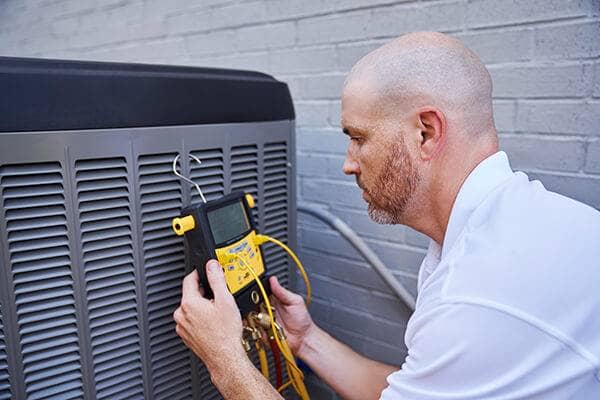
Short answer: Learn HVAC maintenance tips for Rheem owners in Vegas so you can prep for same-day OEM repairs that protect your warranty; book same-day service.
Book same-day Rheem OEM repairs when you need reliable, warranty-safe work fast. Choose certified parts and trained techs for proper fixes and to protect warranties. Check availability, pricing, and written estimates before work begins. Keep serial numbers and photos ready to speed service. For technical guidance, consult the ASHRAE technical resources: ASHRAE Technical Resources.
Key Takeaways
- Use a room-by-room Manual J load calculation (not a square-foot rule).
- Select equipment with Manual S and verify ducts with Manual D for comfort and efficiency.
- Avoid oversizing: short-cycling wastes fuel and can create uneven temperatures.
This guide explains how to prepare for same-day Rheem OEM repairs in the Las Vegas area. It covers what to gather before you call, common emergency signs, how same-day visits work, and how OEM parts and warranties affect repair choices. The tone stays practical and factual. Each section includes clear steps you can follow to get faster, safer service.
Key takeaways for Rheem Service Professionals Vegas?
If you need same-day service, start by confirming the brand and model of your equipment. Having the model and serial numbers speeds dispatch and helps ensure a technician brings compatible Rheem OEM parts. Photos of the unit, control panel, and any error codes also shorten the triage process. Short, clear notes on symptoms and when they began help technicians diagnose on the first visit.
Ask for a written estimate before major work begins. Confirm whether quoted parts are Rheem OEM components and whether the technician is factory-authorized or NATE-certified. Verify diagnostic fees and whether the fee is waived with repairs. Recording these details reduces surprises and helps with warranty claims later. Keep receipts, before-and-after photos, and job cards in one folder for future reference.
Gather model and serial numbers before you call?
Model and serial numbers are on the equipment data plate. They let dispatch find compatible Rheem parts and the correct service manual. Write them down or take a clear photo so the technician can confirm parts and firmware before arriving.
This small step reduces the chance the tech must return with missing parts. It also helps if you later submit a warranty claim, because manufacturers often require exact model and serial information on paperwork.
Keep photos and error code images ready?
Photos of the outdoor unit, indoor cabinet, thermostat screen, and any visible damage help technicians triage by phone or email. A close image of an error code or blinking light speeds diagnosis.
When scheduling, attach images to your service request. Dispatch can then match a technician with the correct tools and parts to the job.
Ask for written estimates and part source confirmation?
Before any nontrivial work begins, request a written estimate that lists parts, labor, fees, and warranties. Ask the dispatcher to note which parts are Rheem OEM.
Written estimates protect both you and the contractor. They clarify whether parts have factory warranties and whether installation labor carries a separate guarantee.
Why book Rheem OEM repairs same day?
Same-day OEM repairs reduce downtime and limit follow-on damage. When a heating or cooling system fails, delays can let minor faults grow into major ones. For example, a failing capacitor can overload the compressor if not replaced quickly. Faster service lowers the chance of cascade failures and can reduce total repair cost.
Choosing Rheem OEM parts helps protect the system design and factory warranty. OEM components match factory tolerances and functional specifications. They are more likely to restore original performance and avoid compatibility issues that can appear with some aftermarket parts. Authorized repairs also produce documentation you can use for future warranty claims.
When fast service prevents larger damage
Small faults often progress rapidly under continued use. A blocked condensate drain can overflow and damage drywall. A refrigerant leak can reduce oil density and harm the compressor. Addressing problems the same day keeps the rest of the system from being exposed to damaging conditions.
Timely repair also preserves indoor comfort and safety. In extreme weather, quick service reduces the risk of heat stress or frozen pipes in homes that depend on HVAC for safe indoor temperatures.
How OEM parts support system efficiency
OEM parts are built to the original specifications and usually fit without modification. That ensures airflow, pressures, and control logic remain within the design range set by Rheem.
Using the wrong component can cause inefficiencies, repeated failure, or void the warranty. If preserving long-term efficiency matters, insist on OEM parts and documented installation.
Recognizing emergency symptoms?
Recognizing true emergency symptoms helps you decide when to call for same-day service. Sudden loss of heating or cooling, loud unusual noises, visible refrigerant or water leaks, and burning electrical smells are all signs that the unit may need immediate attention. Some conditions are unsafe and require the system to be shut down until a technician evaluates it.
Not every problem requires emergency dispatch, but prompt diagnosis usually helps. Even if a final repair is scheduled later, early triage can limit damage and preserve materials. When in doubt, provide precise symptoms and any error codes to the dispatcher so they can triage properly.
Sudden loss of heating or cooling?
If your system stops producing conditioned air suddenly, it could be a failed compressor, capacitor, or control board. These failures often need same-day attention to restore comfort and prevent further damage.
When cooling fails in summer or heating fails during cold periods, prioritize service to protect occupants and sensitive items like plants or pets.
Noises, rattles, and short cycling
Loud bangs, grinding, or repeated short cycling indicate mechanical or control faults. Short cycling stresses the compressor and increases electrical wear. A technician should inspect the unit promptly to locate the failing component.
Ignoring unusual sounds can allow a failing bearing or fan motor to cause broader mechanical damage that is costlier to fix.
Visible leaks or electrical odors
Any fluid leak near refrigeration lines or condensate drains should be checked immediately. Oil stains often accompany refrigerant leaks and point to sealed-system issues that need certified handling. Burning smells, smoke, or repeated breaker trips are immediate safety concerns; turn the system off and call a professional.
Certified technicians have tools to locate leaks, isolate zones, and test electrical safety before putting the system back into service.
What to know before you call
Before you place the service call, collect key information. Write down the unit brand, model, and serial number. Note when the issue started and any recent events like storms, power outages, or prior repairs. If you have warranty paperwork or a service contract, have it visible for the technician or dispatcher.
Also prepare photos of the unit and any error codes or control displays. Be ready with a description of symptoms, whether the unit ever made warning noises, or if the issue has been intermittent. Clear, concise information speeds triage and often reduces the number of truck visits needed to complete repairs.
What specific info to gather
Find the model and serial numbers on the equipment data plate. Note thermostat type and battery status. Record the symptom details, such as reduced airflow, water pooling, or thermostat error messages.
If you can, take photos of the data plate and any visible damage. Attach these to your service request to help dispatch prepare the right parts and tools.
Should you try DIY checks first?
Limited DIY checks are reasonable: confirm the thermostat has power and correct settings, check circuit breakers, and replace or inspect filters. These steps sometimes restore function without a repair visit.
Avoid any DIY tasks that involve refrigerant, opening sealed components, or electrical work beyond switching a breaker. Those activities require certified technicians and can void warranties or create hazards.
How the same-day repair process works
Same-day service typically begins with phone or photo triage. The dispatcher collects model and serial numbers, symptoms, and photos. They then confirm parts availability and assign a technician with the right training and stocked truck. The goal is to diagnose and fix the problem during the first visit.
On arrival, the technician performs a safety check, basic tests, and a focused diagnostic. They document readings and explain findings before starting any work. You should receive a written estimate for parts and labor prior to approval. After repairs, tests confirm operation and the tech provides paperwork showing parts used and warranties.
Phone triage and dispatch
Dispatchers use the information you provide to pick the technician and parts most likely to resolve the issue on the first visit. Photos and serial numbers reduce guesswork and often prevent return trips for missing parts.
If the dispatcher confirms a needed part is unavailable, ask whether a temporary fix can be done to restore function until full repairs are possible.
Technician arrival and initial checks
The tech begins with a safety inspection and system shutdown if needed. They check power, wiring, refrigerant lines, and moving parts for obvious wear or damage.
Diagnostic tools include multimeters, gauges, and temperature sensors. The tech records readings and explains their findings before proceeding.
Repair, testing, and documentation
After you approve the estimate, the technician replaces failed parts and reassembles the unit. They test the system under load and confirm temperatures, pressures, and airflow are acceptable.
You should receive a job card and invoices that list parts, labor, and warranty details. Keep these documents for warranty claims or future service history.
Parts, warranties, and guarantees with OEM service
Rheem OEM parts are built to the manufacturer's specifications and usually include factory warranties. Using OEM parts helps maintain system performance and reduces the risk of compatibility issues. Contractors often offer separate installation warranties that cover workmanship for a defined period.
When a repair involves a factory-covered failure, the paperwork and proof of authorized installation are important. Technicians should provide receipts, warranty claim forms, and part serial numbers. Keep these records if you later need to file a claim with the manufacturer.
Which parts are typically OEM versus aftermarket?
Major sealed components such as compressors, branded coils, and control boards are usually OEM or factory-specified. Consumable items like basic filters may come from third-party suppliers but still meet required specs.
Ask the dispatcher to confirm which specific parts on your estimate are Rheem OEM and have that confirmation in writing on the estimate or job card.
Warranty handling and documentation
Factory parts often carry a parts warranty measured in months or years. Installation labor warranties are generally shorter. If a part has a factory warranty, the installer must document the install date, part serial number, and owner information.
Retain all paperwork and photos from the repair. This documentation is required for many manufacturer warranty claims and helps validate future service history.
Vetting a technician and comparing price
Vetting technicians reduces the chance of misdiagnosis or improper repairs. Ask whether the company is an authorized Rheem service partner and whether technicians hold NATE certification or factory training. Verify insurance and ask for references from recent similar jobs.
When you get estimates, compare line items: diagnostic fee, labor rate, parts, disposal fees, and warranty terms. Ensure each estimate lists part make and model and shows whether parts are OEM. Comparing written estimates provides a clearer basis for choosing the best balance of price and protection.
Certifications and checks that matter
Key certifications include EPA Section 608 (for refrigerant handling) and NATE or factory training for specific equipment. Insurance matters: confirm general liability and worker compensation coverage.
A well-documented training program shows the company invests in ongoing education, which helps with newer system technologies and controls.
How to compare estimates effectively
Require that each estimate shows the same level of detail. Match parts by make, model, and warranty length. Confirm whether diagnostic fees are waived if you approve the repair.
Lowest cost is not always best. Weigh warranty, parts origin (OEM vs aftermarket), technician certifications, and reviews when you decide.
Ready to book or need help deciding?
If you need same-day Rheem OEM service in Las Vegas, choose a contractor that stocks common Rheem parts, uses authorized components, and employs certified technicians. Ask for an arrival window, a written estimate, and confirmation of any warranty work process before the technician starts.
Keep your model and serial numbers, photos, and warranty papers ready to speed the call. If you need time to compare options, consider a diagnostic visit with a written repair plan so you can make an informed decision without being rushed.
Who should Las Vegas readers contact?
Las Vegas area homeowners can call The Cooling Company at (702) 567-0707 for same-day Rheem OEM repairs. The company serves Las Vegas, Henderson, and North Las Vegas with NATE-trained techs and stocked trucks. Ask for a written estimate and mention any warranty or service contract you have.
Booking early in the day improves same-day chances. When you call, provide model and serial numbers and attach photos if possible to speed triage.
What if you live outside Las Vegas?
If you are outside the service area, request NATE-certified technicians and proof of factory training. Ask which parts on the estimate are OEM and request an arrival time and part availability before booking.
If you need a local referral, contact your equipment brand for a list of authorized partners. Manufacturers typically publish authorized service partner lists for their regions.
Final checks before a same-day appointment
Before the technician arrives, clear a 3-foot workspace around indoor and outdoor units. Move pets away from the work area and place sensitive electronics on surge protection. Locate warranty paperwork, model plates, and recent service receipts so you can hand them to the technician.
On arrival, verify the technician's ID and the written estimate. Ask the tech to show diagnostic readings and explain the issue in simple terms. Request a job card that lists parts, labor, and warranty details when the job is complete. Run the system with the technician to confirm comfort and performance in your home.
Related Guides
This aspect deserves careful consideration as you evaluate which repairs and service providers are right for your situation. Understanding the details helps you make a more informed decision. You can review these related guides for additional reading and local service options.
- rheem furnace repair las vegas
- rheem 2 stage furnace prices
- residential furnace installation las vegas
- lennox vs rheem heat pump summerlin
- home heating system repair
- heating repair summerlin
Sources: ASHRAE Technical Resources
About The Cooling Company
The Cooling Company has been serving the Las Vegas valley with professional HVAC services for over a decade. Our team of licensed, NATE-certified technicians specializes in air conditioning repair, heating system maintenance, and complete HVAC installations. We're committed to providing honest, reliable service with upfront pricing and a 100% satisfaction guarantee on all work performed.
- Phone: (702) 567-0707
- Reviews: 4.9/5 stars (500 reviews) - See reviews
Service Areas
We proudly serve homeowners and businesses throughout the Las Vegas metropolitan area, including Las Vegas, Henderson, and North Las Vegas. Our service technicians are available for same-day appointments in most areas, with emergency service available 24/7 for urgent HVAC issues.
References
- U.S. Department of Energy (Energy.gov) (accessed 2026-01-02)
- U.S. Environmental Protection Agency (EPA) (accessed 2026-01-02)
- ASHRAE (Standards and guidance) (accessed 2026-01-02)
- ENERGY STAR (Heating & cooling) (accessed 2026-01-02)
Need HVAC Service in Las Vegas?
The Cooling Company provides expert HVAC service throughout Las Vegas, Henderson, and North Las Vegas. Our licensed technicians deliver honest assessments, upfront pricing, and reliable results.
Call (702) 567-0707 or visit AC repair, maintenance, heating, or installation for details.