

Short answer: When the chill sets in, a reliable heating system is more than just a convenience—it’s a necessity. Yet, many homeowners delay servicing their heating units, risking costly breakdowns and uncomfortable nights. The U.S. HVAC market is booming, projected to surpass $290 billion by 2025, reflecting growing demand for efficient, well-maintained systems according to industry reports. This surge is no surprise given how critical heating maintenance is to safety, comfort, and energy savings. If you’re wondering whether your heating system needs a tune-up, here are the top signs that should prompt you to call a professional now. For predictable care and perks, consider a heating maintenance membership in Las Vegas.
Use our energy savings calculator to estimate your potential savings.
1. Rising Energy Bills Without Increased Usage
Have your heating bills been creeping up even though your household routines haven’t changed? This is a classic indicator that your system is struggling to operate efficiently. Over time, dust buildup, worn-out parts, or clogged filters force your heater to work harder, consuming more energy to maintain the same temperature. In fact, even minor inefficiencies can lead to significant increases in energy consumption over the course of a winter season, leaving homeowners puzzled and frustrated. Studies show that predictive heating control systems can reduce daily heating energy use by nearly 20%, highlighting how much energy can be wasted without proper maintenance (arXiv). Scheduling regular maintenance can restore your system’s efficiency and cut down those soaring bills. Additionally, investing in smart thermostats can optimize your heating schedule, adjusting temperatures based on your habits and preferences. This not only enhances comfort but also contributes to significant energy savings over time. Moreover, understanding the age and condition of your heating system is crucial. Older systems, particularly those over 15 years old, can be less efficient and more prone to breakdowns. Upgrading to a more energy-efficient model can seem daunting, but many modern systems are designed to use significantly less energy while providing better heating performance. Furthermore, many utility companies offer rebates and incentives for homeowners who choose to upgrade to energy-efficient appliances, making the transition more financially feasible. In addition to these technological solutions, simple practices such as sealing drafts around windows and doors or adding insulation can also directly affects maintaining a comfortable home environment. These measures help to keep the warm air inside and reduce the workload on your heating system, ultimately leading to lower energy bills. By taking a proactive approach to home heating, you can ensure that your system operates efficiently and effectively, while also contributing to a more sustainable future. To keep a simple cadence, review how often you need heating maintenance.
2. Uneven Heating or Cold Spots in Your Home
Does one room feel toasty while another is chilly? Uneven heating often signals issues like blocked vents, failing components, or ductwork leaks. These problems prevent warm air from circulating properly, making your system work overtime and reducing overall comfort. Ignoring these signs can lead to bigger problems down the line. The HVAC industry, valued at over $30 billion in 2023 with steady growth expected, continues to innovate solutions for better energy efficiency and comfort (This Old House). One common culprit of uneven heating is the placement of furniture. Large pieces can obstruct vents, limiting airflow and creating cold spots. It’s essential to arrange your living space in a way that allows for unobstructed airflow, ensuring that every room receives adequate heating. Additionally, regular maintenance of your heating system, including changing filters and scheduling professional inspections, can help identify and rectify issues before they escalate. Another factor to consider is the insulation of your home. Poor insulation can lead to significant heat loss, particularly in older homes where materials may have degraded over time. Upgrading insulation in attics, walls, and basements can drastically improve heat retention, leading to a more consistent temperature throughout your living space. Furthermore, sealing gaps around windows and doors can prevent drafts, enhancing your home's overall energy efficiency and comfort. For a quick seasonal walkthrough, save our fall heating maintenance checklist.3. Strange Noises or Odors Coming from Your Heater
Clanking, banging, or squealing sounds are not normal. They often indicate mechanical issues such as loose belts, failing motors, or debris caught in the system. Similarly, unusual odors—especially burning smells—can be a sign of electrical problems or dust burning off, which shouldn’t be ignored. In some cases, a persistent hissing sound might suggest a refrigerant leak in heat pumps, which can lead to inefficiency and costly repairs if not addressed promptly. Professional contractors emphasize that proper installation and maintenance following manufacturer guidelines are crucial for safety and system longevity (HomeWorld Design). These warning signs are your system’s way of asking for immediate attention before a breakdown or hazard occurs. Regular inspections can help catch these issues early, potentially saving homeowners from the discomfort of a heating failure during the cold months. Additionally, keeping your heater clean and free from dust buildup not only improves efficiency but also reduces the risk of strange noises and odors altogether. It's also worth noting that some sounds may be more specific to the type of heating system you have. For instance, if you have a boiler, you might hear a gurgling noise, which could indicate trapped air in the system. This is a common issue that can lead to uneven heating if not resolved. Similarly, gas furnaces may emit a clicking sound when the ignition system is trying to light the burner, which could signal a problem with the ignition system itself. Homeowners should familiarize themselves with the typical sounds of their heating systems, as this knowledge can help them distinguish between normal operation and potential issues that require professional evaluation. If you need a pro checklist before calling, here is what heating maintenance includes.4. Frequent Cycling or Short Heating Cycles
If your heater turns on and off rapidly, it’s called short cycling. This behavior wastes energy and puts unnecessary strain on components, shortening the lifespan of your system. Short cycling can be caused by a variety of issues including thermostat problems, dirty filters, or airflow restrictions. When a heater short cycles, it not only leads to increased energy bills but can also create uncomfortable temperature fluctuations in your home, making it difficult to maintain a consistent and cozy environment. Regular maintenance helps prevent unexpected failures during peak usage times, ensuring your system runs smoothly when you need it most (HomeWorld Design). Additionally, scheduling seasonal check-ups with a qualified technician can help identify underlying issues before they escalate. For instance, a technician can clean the burners, check the heat exchanger for cracks, and ensure that the blower motor is functioning properly. These proactive measures not only enhance efficiency but also contribute to the overall safety of your heating system. Furthermore, it’s essential to regularly check and replace air filters as needed. Clogged filters can significantly restrict airflow, leading to overheating and triggering the system to shut down prematurely. Homeowners should also be aware of the importance of proper insulation and sealing around windows and doors, as drafts can cause the heating system to work harder than necessary. By addressing these factors, you can help ensure that your heating system operates optimally, providing warmth and comfort throughout the colder months. Not sure what to handle yourself versus hire out? Start with DIY vs professional heating maintenance.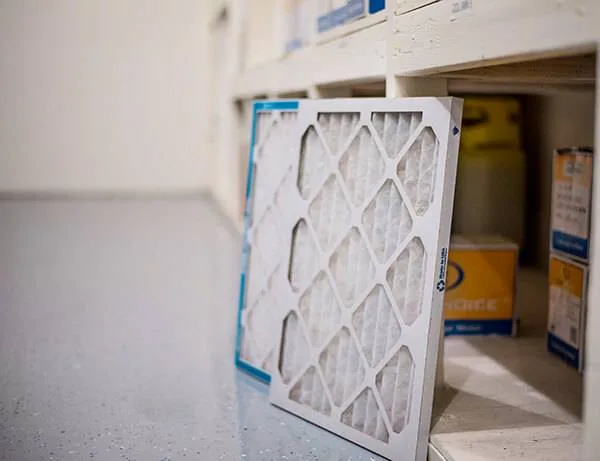
5. Your Heating System Is Over 10 Years Old
Age matters heating systems. Most units last between 10 to 15 years, but as they age, they become less efficient and more prone to breakdowns. With three million heating and cooling systems replaced annually in the U.S., many homeowners opt for maintenance or upgrades to avoid emergency repairs (This Old House). Older systems also tend to lack the energy-saving technologies found in newer models. Considering the HVAC market’s rapid growth fueled by energy efficiency demands, upgrading or maintaining your system can save money and reduce environmental impact. Moreover, the advancements in heating technology have introduced features such as smart thermostats, variable-speed blowers, and advanced filtration systems that not only enhance comfort but also improve indoor air quality. These innovations allow homeowners to better control their heating needs, adapting to changing weather conditions and personal preferences with ease. For instance, a smart thermostat can learn your schedule and adjust temperatures accordingly, ensuring that energy is not wasted when you're away from home. Additionally, older heating systems may not be compatible with renewable energy sources, such as solar or geothermal heating, which are becoming increasingly popular. By upgrading to a modern system, you open the door to integrating these sustainable options, potentially leading to significant long-term savings on energy bills and a reduced carbon footprint. As more homeowners become conscious of their environmental impact, investing in a newer heating system not only enhances comfort but also aligns with a more sustainable lifestyle. Before you decide, compare typical heating maintenance cost in Las Vegas.6. Visible Signs of Wear or Damage
Cracks, rust, or water pooling around your heater are clear red flags. These issues can cause leaks, electrical shorts, or even carbon monoxide leaks in gas-powered systems. Learn prevention steps in our carbon monoxide safety heating maintenance guide. Interestingly, nearly 20% of HVAC and refrigeration systems inspected were found to be non-damaged at evaluation, which suggests some claims of damage might be overstated—but visible damage should never be ignored (HVACi 2023 Annual Claims Report). Addressing physical damage promptly can prevent costly repairs and safety hazards. Regular professional inspections catch these problems early, keeping your home safe and warm. Additionally, it’s essential to be vigilant about the age and maintenance history of your heating system. Many heating units have a lifespan of 15 to 20 years, and as they age, they become more susceptible to wear and tear. Keeping a detailed log of maintenance and repairs can help you anticipate when it might be time for a replacement, ensuring that your home remains comfortable and energy-efficient. Moreover, the environment around your heater can also contribute to its deterioration. For instance, if your heater is located in a damp basement or a poorly ventilated area, it may be more prone to rust and corrosion. Ensuring proper airflow and humidity control in these spaces can significantly extend the life of your heating system. Regularly checking for signs of moisture or mold can help you maintain a healthy environment, not just for your heater but for your entire home. Remember, proactive measures can save you from emergency repairs and the discomfort of unexpected heating failures during the cold months.7. Reduced Airflow or Weak Heat Output
When your heater blows weak air or the warmth doesn’t reach your desired temperature, it’s time for a checkup. Blocked ducts, dirty filters, or failing blowers can restrict airflow, making your system inefficient and uncomfortable. Given the HVAC industry’s projected annual growth rate of 7.4% through 2030, it’s clear that maintaining optimal system performance is a priority for homeowners and professionals alike (This Old House).Why Timely Heating Maintenance Matters
Heating maintenance isn’t just about comfort—it’s about safety and savings. Regular tune-ups prevent unexpected breakdowns during the coldest days and reduce the risk of dangerous hazards like carbon monoxide leaks. Experts agree that professional contractors ensure safety by adhering strictly to manufacturer specifications and safety guidelines (HomeWorld Design). Beyond safety, maintenance extends your system’s life and improves energy efficiency, which is increasingly important as the HVAC market grows and evolves. With billions spent annually on HVAC services and repairs, proactive care saves money in the long run (This Old House).How to Stay Ahead with Heating Maintenance
Don’t wait for a breakdown to get your heating system checked. Schedule annual inspections with a qualified HVAC professional before the cold season begins. They’ll clean, test, and tune your system to keep it running efficiently and safely. Keep an eye on your system’s performance and listen for any unusual signs. Addressing small issues early prevents them from becoming costly repairs. With the HVAC industry’s rapid advancements and growing emphasis on energy efficiency, staying proactive ensures your home stays warm without breaking the bank. Your heating system works hard to keep you comfortable. Returning the favor with timely maintenance protects your investment and your peace of mind.Ensure Your Comfort with The Cooling Company
Don't let heating issues leave you in the cold. The Cooling Company is here to provide you with exceptional HVAC services in Las Vegas. Our certified technicians are ready to deliver the maintenance your system needs to run smoothly and efficiently. Take the proactive step towards a comfortable and safe environment by scheduling a service with us today. We're committed to ensuring your home or business stays warm and cozy all year round.Need HVAC Service in Las Vegas?
The Cooling Company provides expert HVAC service throughout Las Vegas, Henderson, and North Las Vegas. Our licensed technicians deliver honest assessments, upfront pricing, and reliable results.
Call (702) 567-0707 or visit heating, furnace repair, heat pump installation, or heating maintenance for details.