
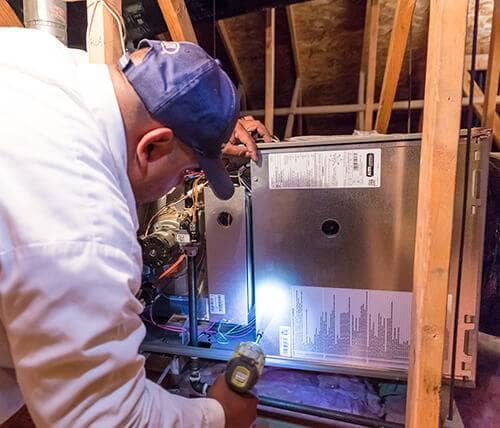
Short answer: When a gas furnace stops working properly, the chill quickly sets in-and so does the urgency to fix it. Yet, before calling a technician, homeowners can perform a series of simple, safe checks that often reveal the root cause. These initial steps can save time, money, and unnecessary service calls. The average furnace repair cost is around $317, but many issues can be resolved without professional intervention if approached correctly. Understanding these checks also helps to distinguish minor glitches from serious safety concerns that require immediate expert attention.
Quick 3-Minute Check
Before diving into complex troubleshooting, spend a few minutes on these quick checks. They address common, easily overlooked issues that can stop a furnace from working.Thermostat to Heat + batteries
The thermostat is the command center for your furnace. The first step is to ensure it’s set to “heat” mode and that the temperature setting is above the current room temperature. Sometimes, the problem is as simple as the thermostat being set to “cool” or “off.” Also, check the batteries if your thermostat uses them. Weak or dead batteries can cause the thermostat to malfunction, preventing the furnace from turning on. Replacing batteries is a quick fix that often restores normal operation. If your thermostat is digital, consider checking for any error messages or indicators that may signal a specific issue, as many modern thermostats provide diagnostic codes that can guide your troubleshooting efforts.Furnace switch and breaker on
Next, verify that the furnace switch is turned on. This switch looks like a regular light switch and is usually located near the furnace. It can be accidentally turned off during cleaning or maintenance. Additionally, check your home's electrical panel to ensure the breaker for the furnace circuit hasn’t tripped. Resetting a tripped breaker can restore power to the furnace. If the breaker trips repeatedly, however, this indicates a more serious electrical issue that requires professional attention. It’s also wise to inspect the wiring connected to the furnace for any signs of fraying or damage, as compromised wiring can lead to electrical faults that disrupt the furnace’s operation.Filter replaced returns and supplies open
A clogged air filter restricts airflow, causing the furnace to overheat and shut down prematurely. Replace the filter if it looks dirty or hasn’t been changed in the last three months. Regular filter replacement improves furnace efficiency and indoor air quality. Also, ensure that all return air vents and supply registers are open and unobstructed. Blocked vents reduce airflow, which can cause the furnace to struggle in heating the home adequately. Keeping these pathways clear helps the furnace “breathe” and perform optimally, as advised by HVAC experts. Additionally, consider scheduling regular maintenance checks for your furnace, as a professional can identify potential issues before they become major problems, ensuring your heating system runs smoothly throughout the winter months. These quick checks often resolve common issues and prevent unnecessary service calls. If the furnace still doesn’t work, proceed to the next set of troubleshooting steps. Remember, staying proactive with your furnace maintenance can lead to a more comfortable living environment and extend the lifespan of your heating system.
10-Minute Troubleshooting Path
After confirming the basics, a more detailed inspection can help pinpoint the problem. This section guides you through listening and observing furnace behavior during startup and operation.Listen to the start sequence
When you turn up the thermostat, listen carefully to the furnace’s startup sounds. A normal sequence includes the inducer motor starting, the ignition firing, the burner lighting, and the blower turning on. If you hear unusual noises such as banging, clicking, or humming, these could indicate ignition problems, blower motor issues, or electrical faults. Noting the exact sounds helps technicians diagnose the problem more efficiently if you need to call for service. In addition to listening for sounds, pay attention to the duration of each phase in the startup sequence. A furnace that takes longer than usual to ignite may be struggling with gas flow or ignition timing, which could lead to further complications down the line. Keeping a log of these observations can provide valuable insights for professionals who may need to troubleshoot the system further.Blower runs but air is cool
If the blower fan runs but the air coming out of the vents is cool, the furnace may be failing to ignite the burners. This can result from a faulty ignitor, gas valve, or flame sensor. While some homeowners might attempt to clean the flame sensor, it’s generally safer to have a technician inspect and replace these components. Ignoring this issue can lead to wasted energy and cold indoor temperatures. Additionally, check the thermostat settings to ensure that the system is set to "heat" and that the desired temperature is higher than the current room temperature. Sometimes, a simple misconfiguration can lead to confusion about the furnace's operation. If the thermostat is programmable, verify that it is functioning correctly and that any schedules set are appropriate for the current season.Starts then stops with code
Many modern furnaces display error codes through blinking lights or digital readouts. If your furnace starts but then shuts down shortly after, check the error code against the manufacturer’s guide. Error codes often point to problems like limit switch trips, pressure switch failures, or flame detection issues. These codes are valuable clues and can save time during professional repairs. Understanding the context of these codes can also be beneficial. For instance, if the error code indicates a limit switch trip, it may be due to airflow issues caused by dirty filters or blocked ducts. Regular maintenance, such as changing filters and cleaning ducts, can prevent these error codes from appearing and ensure your furnace operates smoothly throughout the heating season.Nothing happens at all
If the furnace doesn’t respond at all when the thermostat calls for heat, double-check the power supply and thermostat settings again. If those are correct, the issue might be a faulty control board, transformer, or wiring problem. At this point, it’s best to call a professional to avoid risking damage or unsafe conditions. Before making that call, however, ensure that the circuit breaker hasn’t tripped and that the furnace's emergency shut-off switch is in the "on" position. Sometimes, these simple checks can save you the hassle of a service visit. Additionally, if your furnace has a reset button, consult your manual to see if it’s appropriate to use it in this situation, as improper use can lead to further complications.Condensing units: intake/exhaust clear
For high-efficiency condensing furnaces, the intake and exhaust vents must be clear of debris, snow, or ice. Blocked vents can cause the furnace to shut down as a safety precaution. Regularly inspect these vents, especially during winter, to ensure proper airflow. Clearing obstructions can restore furnace operation without a service call. Recent data shows that 11% of furnaces shipped for existing homes in 2023 had a 97%+ AFUE rating, highlighting the growing adoption of high-efficiency models that rely heavily on clear venting for safe operation. Furthermore, homeowners should consider installing vent guards or screens to minimize the risk of blockages from falling leaves or snow accumulation, thereby enhancing the longevity and efficiency of their heating system.When resets make it worse
It might be tempting to reset the furnace repeatedly when it won’t start, but doing so can sometimes worsen the problem or mask underlying safety issues. If resetting the furnace causes it to shut down faster or triggers error codes, stop and contact a professional. Persistent resets can lead to system damage or unsafe conditions. Field studies emphasize that real-world furnace performance can vary significantly, underscoring the importance of proper diagnostics rather than trial-and-error resets. Additionally, consider documenting any patterns you notice during these resets, such as specific conditions under which the furnace fails to start, which can provide helpful information for your technician and lead to a quicker resolution of the issue.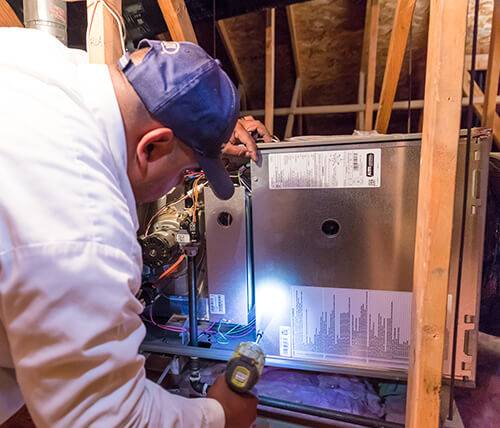
Stop Rules-Call Now
Some furnace issues pose immediate safety risks. Recognizing these “stop rules” can protect you and your household from dangerous situations.Gas smell, CO alarm, ignition boom
If you smell gas near your furnace, hear a loud ignition boom, or your carbon monoxide (CO) alarm sounds, evacuate your home immediately and call emergency services and a qualified HVAC technician. Gas leaks and CO exposure are life-threatening emergencies. Do not attempt to operate or troubleshoot the furnace under these conditions.Breaker trips or burning smell
Repeated breaker trips when the furnace runs or a burning smell coming from the unit indicate serious electrical or mechanical problems. Turn off the furnace and call a professional. These symptoms could signal wiring faults, motor failures, or overheating components that require expert repair.Visible flame roll-out
Flame roll-out occurs when flames escape the combustion chamber, visible near the furnace door or burner area. This is a hazardous condition caused by blocked venting or malfunctioning heat exchangers. If you see flame roll-out, shut down the furnace immediately and call a licensed technician. Continuing to run the furnace can cause fire or carbon monoxide poisoning.What Techs Test on Arrival
When a technician arrives, they perform a series of diagnostic tests to ensure the furnace operates safely and efficiently. Understanding these tests can help homeowners appreciate the complexity behind furnace repairs.Ignition and flame sensor
Technicians check the ignition system and flame sensor to verify proper burner lighting and flame detection. A faulty flame sensor often causes the furnace to shut down prematurely. Cleaning or replacing these components restores reliable ignition and prevents unnecessary shutdowns.Pressure/limit switches and tubing
Pressure switches ensure that the inducer motor is creating the correct draft, while limit switches prevent overheating by shutting down the furnace if temperatures get too high. Technicians test these switches and inspect their tubing for blockages or leaks, which can cause false shutdowns or unsafe operation.Inducer, blower, capacitor values
The inducer motor clears combustion gases, and the blower circulates warm air through the home. Capacitors help start and run these motors efficiently. Testing motor function and capacitor values helps identify electrical issues that can cause noisy operation or failure to start.Static pressure and Delta T
Static pressure measures the resistance to airflow in the duct system, while Delta T (temperature difference) assesses the furnace’s heating effectiveness. Technicians measure these parameters to ensure the furnace is delivering proper airflow and heat output. High static pressure or abnormal Delta T readings can indicate duct restrictions or furnace inefficiencies. With over 3 million furnaces shipped in 2023 alone, proper testing ensures these systems meet performance expectations and maintain home comfort. Performing these 12 safe checks can help homeowners identify simple furnace problems quickly and know when professional help is necessary. Regular maintenance and awareness of furnace operation not only improve comfort but also enhance safety and reduce costly repairs. For more detailed guidance on furnace troubleshooting and safety, our furnace repair page provides valuable insights. Staying informed and proactive is the best way to keep your heating system running smoothly through every cold season.Ready for Reliable Furnace Solutions?
You may qualify for federal tax credits that reduce your upfront cost.
Need HVAC Service in Las Vegas?
The Cooling Company provides expert HVAC service throughout Las Vegas, Henderson, and North Las Vegas. Our licensed technicians deliver honest assessments, upfront pricing, and reliable results.
Call (702) 567-0707 or visit heating, furnace repair, furnace installation, or heating maintenance for details.