

Short answer: Learn HVAC maintenance tips: 7 VRF checks—monthly filter and drain checks plus controller fault logs to cut energy bills; schedule a pro inspection.
VRF (variable refrigerant flow) system maintenance reduces energy use, prevents failures, and extends equipment life. This guide gathers practical, repeatable checks for owners and technicians. It keeps the original references to the Building America Solution Center HVAC Guides and the Energy.gov HVAC Efficiency Basics for further reading. Follow the monthly homeowner tasks and plan professional preventive maintenance at least.
Key Takeaways
- Do monthly filter and drain checks and record any error codes.
- Hire certified techs for refrigerant, inverter, and firmware work.
- Track pressures, superheat/subcooling, amps, and fault frequency.
- Regular PM and coil care preserve 20–40% potential energy savings.
Good records make maintenance effective. Track pressures, temperatures, fault codes, and run hours. That data speeds diagnosis and supports warranty claims. Where work requires certification or special tools, that point is called out. Use this checklist to reduce runtime, restore part‑load efficiency, and protect your system investment.
What is VRF system maintenance?
VRF system maintenance covers cleaning, control checks, refrigerant verification, and firmware care for multi‑zone heat pumps. It includes two sets of tasks: simple monthly items an owner can do and advanced diagnostics that require a trained technician. The goal is to keep inverter modulation working and to prevent compressor stress from wrong charge or sensor drift.
Good records are a core part of maintenance. Note pressures, temperatures, valve positions, and firmware versions. Logs speed diagnosis and protect warranties. Regular tuning finds weak fan motors, slow defrosts, or minor leaks before they become compressor damage.
Components included in routine VRF maintenance
Routine service inspects indoor units, outdoor condensing units, refrigerant lines, electrical connections, controllers, and condensate drains. Technicians check coil cleanliness, fan operation, and filter condition. They also verify communication links between indoor and outdoor units and examine controller logs for repeated alarms.
The routine set targets common causes of energy loss and includes firmware and control logic checks. Modern VRF systems use software to manage modulation and zone coordination. Outdated firmware can create inefficient logic or missed fault reporting.
Why records and logs matter
Keeping service reports and measurement logs lets you spot trends early. Compare compressor run hours, kilowatt‑hours, and fault frequency over seasons. Trend data reveals slow performance decline so you can act before efficiency drops greatly.
Vendors and manufacturers rely on good records for warranty validation. Logs save technician time during visits. When a tech arrives with prior fault history and basic pressure readings, they can focus on root cause testing instead of repeating basic checks.
Why do VRF systems save energy?
VRF systems save energy by varying compressor speed and refrigerant flow to match zone loads. They avoid full on/off cycles that waste energy and increase wear. When sensors and controls are correct, a VRF system runs near peak efficiency and holds set temperatures with less power than single‑speed systems.
Poor maintenance defeats the variable speed advantage. Fouled coils, wrong refrigerant charge, or missed control updates force the system to run harder. Regular checks restore the part‑load benefits and reduce both runtime and peak demand.
How inverter compressors increase efficiency
Inverter compressors change motor speed to meet load rather than switching fully on or off. This smooth control reduces electrical peaks and improves comfort. It also reduces start/stop stress on compressors and associated components.
Routine electrical checks confirm that the inverter drive and motor are within spec. Technicians watch for unusual noises, high amps, or loss of modulation. Addressing drive faults early prevents higher repair costs and long periods of inefficient operation.
Our pricing guide breaks down the costs you can expect.
How correct airflow supports VRF efficiency
Airflow across indoor and outdoor coils is critical. Low airflow raises evaporator superheat, reduces capacity, and increases compressor load. Dirty coils act like insulation and force longer run times to meet setpoints.
Airflow problems can mask refrigerant issues. For example, a low‑charge and a blocked filter both reduce cooling but require different repairs. Proper measurement and diagnosis separate these faults so you pay only for the correct fix.
How often should you perform VRF checks?
Schedule at least one professional preventive maintenance visit each year. In harsh climates or high‑use commercial settings, plan semiannual visits. Professional visits should include leak checks, superheat and subcooling verification, and firmware review.
Do monthly DIY checks between professional visits. Inspect filters, drainage, and controller screens. Clear debris from outdoor units and log any fault codes you find. These simple steps catch many common issues early and lower emergency call frequency.
Monthly homeowner inspection checklist
A monthly check should include filter inspection, condensate drain observation, and review of controller displays for error codes. Also clear two to three feet of debris from around outdoor units. Document anything unusual so technicians have a record of recurring problems.
Monthly checks do not include refrigerant handling or inverter work. If you see low pressures or recurring faults, call a certified technician and provide your records. This cooperative approach reduces technician time on site and helps control costs.
Seasonal professional inspection items
During a professional seasonal visit, technicians clean coils, measure motor amps, check pressures for each circuit, and test defrost performance. They also review control sequences and firmware. These checks adjust the system for seasonal load changes and restore lost efficiency ahead of peak use.
Pro visits often reveal issues homeowners cannot fix. Examples include oil migration, slow defrost cycles, degraded expansion valve function, and weak communication between indoor and outdoor controllers. Fixing these items prevents long runtimes that increase bills.
What homeowner tasks are safe to do yourself?
Homeowners can do several preventive tasks with low risk. Clean or replace air filters, clear visible debris around outdoor units, and flush accessible condensate lines. Check indoor controllers for error codes and battery conditions. These efforts prevent many common failures and maintain airflow and heat transfer.
Always document what you do and note any repeated errors or abnormal sounds. If a fault returns after simple cleaning, provide that information to your technician. That shortens diagnosis and can save money by directing the tech to the right subsystem faster.
How often replace or clean air filters?
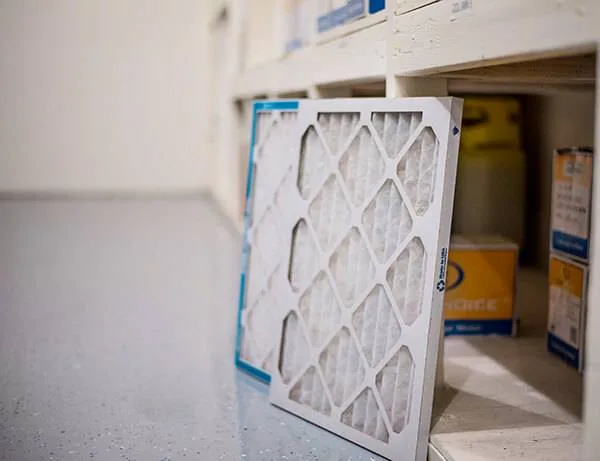
Clean reusable filters every month. For step-by-step help, see our AC filter cleaning guide. Replace disposable filters per the manufacturer, usually every three months or sooner for homes with pets or heavy dust. Proper filter care keeps airflow steady and reduces the chance of coil fouling.
Inspect pleated and washable filters visually. Poorly seated filters or damaged frames allow unfiltered air and reduce overall system performance. Replace damaged filters to keep the air path clean and the coils protected.
How to clear condensate drains and pans safely
Flush condensate pans and drain lines quarterly with water and a mild disinfectant to prevent clogs and microbial growth. If you see standing water, use a wet vacuum on accessible traps. Record your cleaning dates so a technician can assess recurring backups quickly.
Never dismantle drain components that require tool access beyond the user manual unless you are trained. If a blockage returns quickly, it may indicate a slope or trap problem that needs a pro.
Which homeowner checks are unsafe to do yourself
Avoid refrigerant recovery, evacuation, charging, inverter drive access, and major electrical work. Those tasks need EPA certification, factory training, and proper tooling. Incorrect handling can harm people, damage equipment, and void warranties.
Ask your contractor for proof of EPA 608 certification and any manufacturer A2L refrigerant training before engaging them for charge work. Always hire credentialed technicians for refrigerant and inverter tasks.
How do professionals diagnose and fix VRF issues?
Technicians begin with a visual inspection and controller log review. They check electrical connections, fans, and indoor coils. Then they measure pressures, temperatures, and motor amps to calculate superheat and subcooling. These steps isolate leaks, metering faults, or airflow problems.
Advanced diagnostics rely on manufacturer tools and software. Techs download operating logs, run built‑in tests, and may use ultrasonic or electronic leak detectors. Proper diagnosis prevents repeated callbacks and ensures repairs target the root cause.
What tools do technicians use for diagnostics?
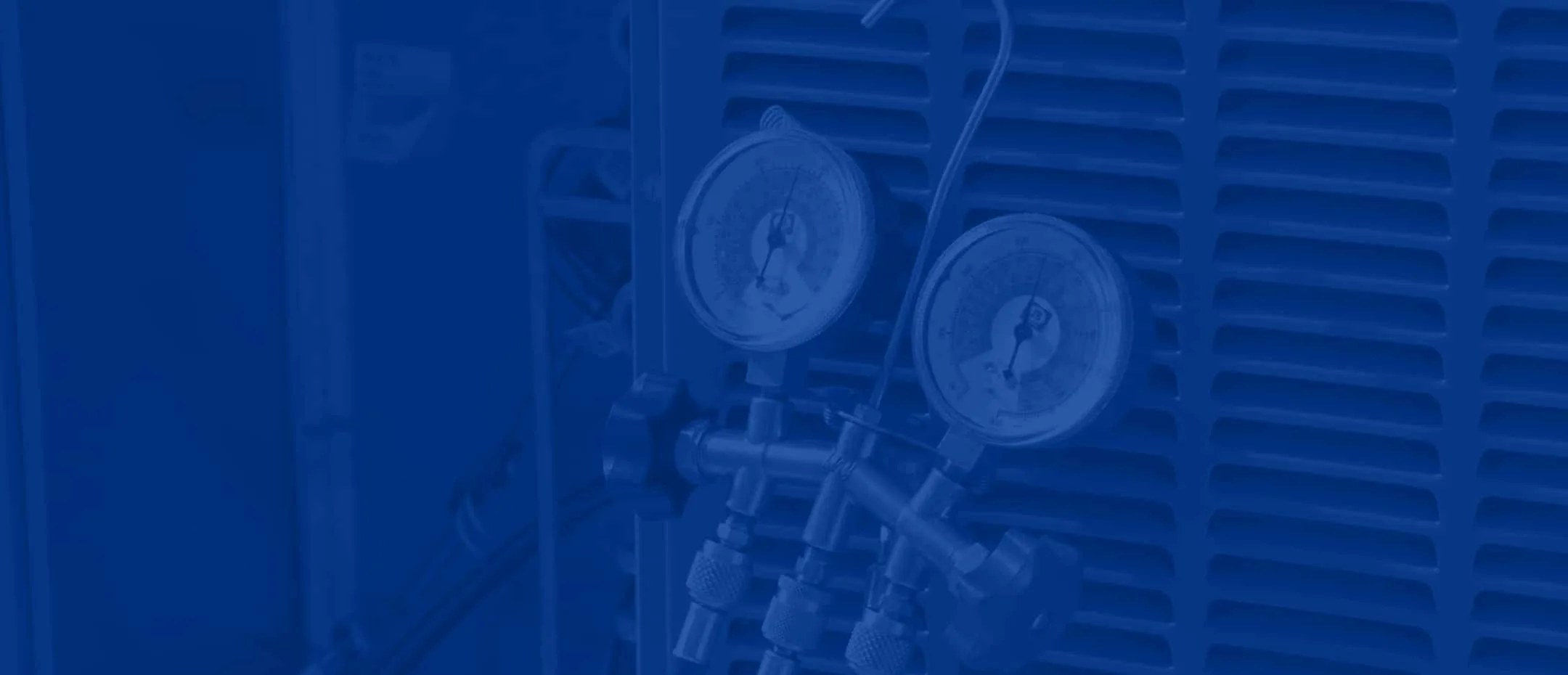
Technicians use manifold gauges, clamp meters, temperature probes, and electronic leak detectors to gather precise measurements. They also use manufacturer service software to read fault logs and run diagnostic tests. Having the right tools ensures faster and more accurate repairs.
For multi‑circuit VRF outdoor units, charging by weight and careful piping checks prevent cross‑circuit imbalance and oil migration issues. Vacuum pumps and refrigerant scales are common when the work requires recharge or evacuation.
How to verify correct refrigerant charge
Technicians calculate superheat and subcooling from measured pressures and temperatures and compare results to manufacturer tables. Charging by weight is preferred for multi‑circuit systems and large outdoor units because it ensures proper refrigerant distribution.
Correct charge keeps efficiency high and prevents compressor damage from oil starvation or liquid slugging. When a leak is suspected, the tech performs a leak search and repairs the site before recharging. They record charge amounts and readings to the system log for future reference and warranty support.
How do inspections cut energy use?
Inspections find small problems before they become major energy drains. Dirty coils, slow fans, and minor refrigerant imbalances all raise run times and electrical demand. By catching these items early, inspections restore system performance and lower bills.
A proactive inspection program also replaces failing parts before they cause inverter stress or compressor failure. Preventing emergency replacements preserves capital and avoids the higher energy cost of degraded operation.
Use our energy savings calculator to estimate your potential savings.
What does a refrigerant leak inspection include?
A leak inspection uses pressure testing, visual checks of fittings and brazed joints, and electronic detectors. Technicians may use ultraviolet dye or ultrasonic tools for small leaks. They document leak locations and repair history to spot repeating failures.
Timely repair reduces refrigerant loss and keeps efficiency steady. Repeat leak locations often indicate vibration or movement issues. Addressing those root causes prevents recurring work and ongoing efficiency loss.
What performance metrics should you track?
Track kilowatt‑hours, compressor run hours, zone supply temperatures, and refrigerant pressures for each circuit. Also monitor fault frequency and motor amps. These metrics give a clear view of system health over time and make it easier to detect slow declines in performance.
Compare data seasonally and after repairs to measure improvement. Use these comparisons to prioritize future work based on return‑on‑investment in energy savings and reliability.
Ready to schedule professional service?
A first professional visit should include filter and coil cleaning, drain clearing, pressure and amp checks, and a firmware review. The technician will document findings and provide a prioritized repair list. That report helps you plan repairs and budgets and shows evidence for warranty claims.
If you are in the Las Vegas area, contact The Cooling Company for a site visit and written quote. The company serves Las Vegas, Henderson, and North Las Vegas with certified technicians, clear scopes, and planned maintenance options.
How do I request a service quote?
Call The Cooling Company at (702) 567-0707 for Las Vegas area quotes and on‑site inspections. Customers receive a written scope, cost breakdown, and preventive maintenance options. For readers outside the service area, ask vendors for NATE certification, EPA 608 credentials, and A2L refrigerant training where relevant.
When requesting quotes, provide recent fault history and any records you have. That information lets contractors give more accurate estimates and prepares them to bring correct tools and parts to the first visit.
What happens during the first service visit?
Technicians check filters, coils, drains, fans, and controls and record pressures, temperatures, and motor amps. They gather fault logs and run basic performance tests. The visit ends with a findings report, recommended fixes, and an estimate for needed repairs.
Use the findings report to schedule prioritized repairs. Addressing high‑priority items quickly prevents further energy loss. Lower‑priority items can be planned into a budgeted maintenance schedule.
FAQs
This FAQ section answers common questions about VRF maintenance frequency, leak signs, and high‑impact tasks. Keep this list with your service records so homeowners and managers know when to call a pro.
How often should you schedule VRF maintenance? Schedule a professional preventive maintenance visit at least once yearly and consider semiannual checks in harsh climates. Do DIY monthly checks for filters and drains to catch early issues. Maintain service records to support warranty claims.
What are signs of refrigerant leakage? Reduced capacity, frost on suction lines, oil stains near fittings, and repeated low‑pressure alarms are typical signs. Record symptom timing and call a certified technician for a leak search and repair.
Which maintenance tasks save the most energy? Keeping refrigerant charge correct, coils clean, and controls calibrated gives the largest energy returns. Seasonal tuning before peak use restores cooling capacity and improves part‑load efficiency. Firmware and control logic updates also prevent unnecessary compressor activity.
Ready to protect your VRF investment? Las Vegas, Henderson, or North Las Vegas customers, call The Cooling Company at (702) 567-0707 to book an inspection and set up a tailored preventive maintenance plan today. Outside the area, ask for NATE‑certified technicians, EPA 608 credentials, and A2L training when applicable.
About The Cooling Company
The Cooling Company has been serving the Las Vegas valley with professional HVAC services for over a decade. Our team of licensed, NATE-certified technicians specializes in air conditioning repair, heating system maintenance, and complete HVAC installations. We're committed to providing honest, reliable service with upfront pricing and a 100% satisfaction guarantee on all work performed.
- Phone: (702) 567-0707
- Reviews: 4.8/5 stars (780+ reviews) - See reviews
Service Areas
We proudly serve homeowners and businesses throughout the Las Vegas metropolitan area, including Las Vegas, Henderson, and North Las Vegas. Our service technicians are available for same-day appointments in most areas, with emergency service available 24/7 for urgent HVAC issues.
Sources and compliance notes
This aspect deserves careful consideration as you evaluate your options. Understanding the details helps you make more informed decisions. Consulting with qualified professionals provides additional insights specific to your situation. Take time to consider how this information applies to your particular needs and circumstances. Making well-informed choices typically leads to better long-term outcomes and greater satisfaction.
- U.S. Department of Energy (Energy.gov) (accessed 2026-01-03)
- U.S. Environmental Protection Agency (EPA) (accessed 2026-01-03)
- ASHRAE (Standards and guidance) (accessed 2026-01-03)
- ENERGY STAR (Heating & cooling) (accessed 2026-01-03)
Consult with qualified professionals for site‑specific advice. Local codes, refrigerant rules, and warranty conditions vary. Always ask technicians for credentials and documented training for the specific equipment and refrigerant used.
Related reading: what to explore next?
If you want to explore this further, review cost and strategy guides that compare maintenance frequency and expected savings. Use those resources to build a maintenance plan that matches building use and local climate.
- Average Commercial HVAC Maintenance Cost: 7 Ways to Cut Your Average
- What Is a VRF HVAC System and How Does It Work?
- HVAC Tune-Up Checklist
Use these guides to balance service costs against energy savings and equipment life. A written preventive plan usually reduces total lifecycle cost and improves system reliability.
Need HVAC Service in Las Vegas?
The Cooling Company provides expert HVAC service throughout Las Vegas, Henderson, and North Las Vegas. Our licensed technicians deliver honest assessments, upfront pricing, and reliable results.
Call (702) 567-0707 or visit AC repair, maintenance, heating, or installation for details.