


HVAC Energy Ratings
HVAC Energy Ratings Explained — SEER, AFUE & HSPF for Las Vegas Homes
If you’re wondering what SEER means, how much energy a 16 SEER system saves over a 14 SEER, or whether your furnace’s AFUE is good enough, we break it down — so Las Vegas homeowners can make smart choices.
Short answer: In Las Vegas, higher SEER2 and HSPF2 ratings mean lower cooling costs in extreme heat, while AFUE drives winter efficiency for gas furnaces.
Las Vegas energy rating essentials
- SEER2 first — cooling efficiency has the biggest impact on annual bills.
- Right-sized systems — oversized units waste energy and short-cycle.
- Envelope quality — insulation and duct sealing decide real-world savings.
- Thermostat strategy — schedules and setpoints change efficiency outcomes.
Local challenges and focus areas
- Triple-digit heat driving long runtimes and higher demand charges.
- Desert dust reducing airflow and coil performance.
- Mixed housing stock with varied duct designs and insulation quality.
- West-facing exposure that spikes afternoon cooling loads.
Cost drivers and pricing context
Higher efficiency tiers often cost more up front, but Las Vegas usage patterns can shorten payback periods. We compare equipment cost, expected kWh savings, and maintenance needs so you can choose the right tier.
Repair vs. replace guidance
If your system is 12-15+ years old, can’t maintain setpoint, or requires repeated repairs, upgrading to a higher SEER2/HSPF2 model often yields better long-term value than continued fixes.
How we prevent repeat breakdowns
- Verify airflow, static pressure, and refrigerant charge at tune-ups.
- Seal duct leaks that force systems to overwork.
- Set seasonal maintenance schedules based on desert dust conditions.
Neighborhoods we serve
We serve Enterprise, Downtown Las Vegas, Summerlin, Henderson, Spring Valley, Silverado Ranch, and nearby Las Vegas Valley neighborhoods.
Get a Free Energy Efficiency ConsultationThe ABCs of HVAC Energy Ratings
Understanding the Basics of HVAC Energy Efficiency
Learn how SEER, AFUE, and HSPF ratings directly affect your home’s comfort, efficiency, and long-term savings in the Las Vegas climate.
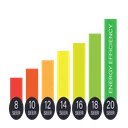
SEER (Seasonal Energy Efficiency Ratio)
SEER measures how efficiently your air conditioner or heat pump cools your home during the summer. In Las Vegas, a higher SEER rating means greater cooling power with less energy use — keeping your utility bills lower even in triple-digit heat.
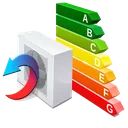
AFUE (Annual Fuel Utilization Efficiency)
AFUE shows how efficiently your furnace converts fuel into heat. A higher AFUE percentage means less waste and more warmth for every dollar spent on gas — helping you stay cozy during desert winters without overpaying for energy.

HSPF (Heating Seasonal Performance Factor)
HSPF measures the efficiency of heat pumps during the heating season. A higher HSPF means stronger heating performance and reduced electricity consumption, making your system more reliable and cost-effective throughout the year.
Understanding these ratings ensures that you select an HVAC system that optimizes comfort and minimizes costs.
Learn More About Energy EfficiencyDiscover Your Potential Savings with
Energy-Efficient HVAC Systems
Calculate Your Savings with TCC and Lennox
Choosing an energy-efficient HVAC system is not just an investment in comfort but also in your financial future. With the advanced Lennox energy savings calculator, you can see how much you could save by upgrading to a higher SEER-rated system. Compare your current system with newer, more efficient models to estimate your savings over 5, 10, and 15 years.
Why Upgrade to Energy-Efficient Systems?

Lower Utility Bills
Systems with a higher SEER rating consume less energy, significantly reducing your monthly utility costs by up to 33% annually.

Long-Term Savings
While the upfront cost may be higher, you’ll see substantial savings over time. For example, upgrading from a 10 SEER to a 15 SEER system can result in up to $1,620 in savings over 15 years.

Environmental Impact
Reducing energy consumption means lowering your carbon footprint, contributing to a healthier environment.

Enhanced Comfort
Energy-efficient systems not only save money but also improve temperature consistency and air quality in your home.
How to Use an HVAC Savings Calculator — Estimate Your Energy Costs
-
Enter Your Details
Input your current SEER rating and typical energy usage (kWh or monthly bill). -
Select a New System
Choose a new Lennox or high-efficiency system (e.g. 15 SEER or higher) to compare. -
See the Savings
See how much you could save over 5, 10, and 15 years — with a breakdown of annual energy cost reductions.
Why Energy
Ratings Matter
Why Energy Ratings Matter
Maximize Savings, Minimize Impact, Enhance Longevity
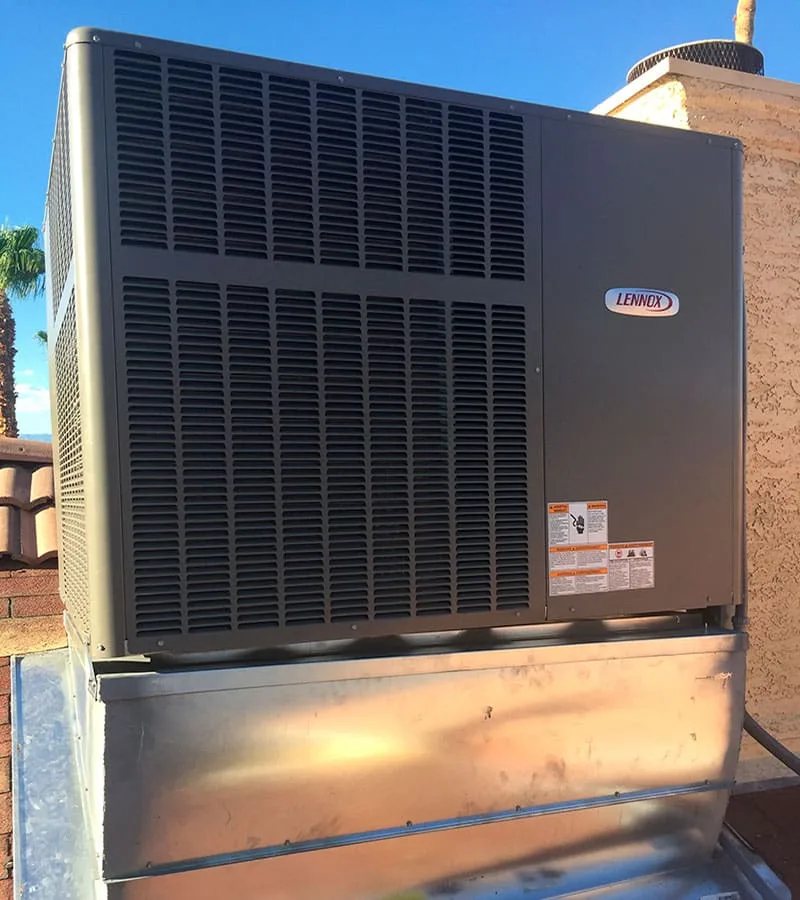
Choosing an HVAC system with high energy ratings goes beyond regulatory compliance—it’s about making a smart, long-term investment for your home. Here’s why energy ratings are so important:
At TCC, we guide you to choose systems that provide lasting comfort, savings, and environmental benefits.

Operational Cost Savings
High-efficiency systems with superior SEER, AFUE, and HSPF ratings use less energy to heat and cool your home. This means lower utility bills and significant savings over the life of the system. For example, upgrading from a SEER 10 to a SEER 16 air conditioner can reduce cooling costs by up to 37%.

Environmental Impact
Energy-efficient HVAC systems consume less fuel and electricity, resulting in reduced greenhouse gas emissions. By choosing systems with high energy ratings, you contribute to environmental conservation efforts and reduce your carbon footprint.

System Longevity
Efficient systems experience less strain during operation, leading to fewer breakdowns and a longer lifespan. This translates to reduced maintenance costs and a better return on your investment.

Improved Comfort and Performance
High-efficiency systems not only save money and energy but also provide superior performance. They maintain consistent temperatures, reduce humidity, and improve overall indoor air quality, ensuring a comfortable living environment year-round.
Understanding these benefits helps you make informed decisions that positively impact your finances, comfort, and the environment. At TCC, we guide you through selecting the best energy-efficient HVAC systems tailored to your home’s needs.
Discover Your Energy SavingsHow to Read HVAC Energy Labels and Efficiency Ratings
Make sense of SEER, AFUE, and HSPF energy ratings to compare efficiency, lower utility bills, and choose the best HVAC system for your Las Vegas home.
SEER (Seasonal Energy Efficiency Ratio)
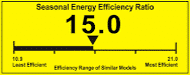
SEER indicates cooling efficiency. A system with a SEER 16 rating is more efficient than one with a SEER 13, reducing energy use and operating costs.
AFUE (Annual Fuel Utilization Efficiency)
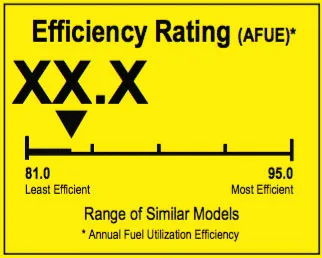
AFUE measures furnace efficiency. A furnace with a 90% AFUE rating converts 90% of its fuel into heat, with only 10% lost, maximizing energy use.
HSPF (Heating Seasonal Performance Factor)
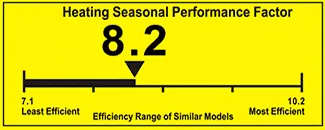
HSPF rates heat pump heating efficiency. A rating of 8 or above is considered energy-efficient, helping you save on heating costs.
ENERGY STAR Certification
Look for ENERGY STAR labels, which identify systems that meet stringent energy efficiency standards, providing additional energy savings compared to standard models.
EER (Energy Efficiency Ratio)
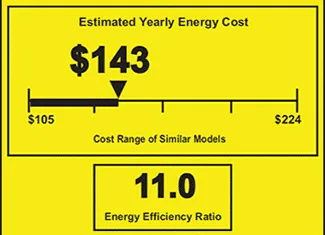
EER is similar to SEER but measures efficiency at a constant temperature, making it useful for comparing models in stable conditions.
EnergyGuide Label
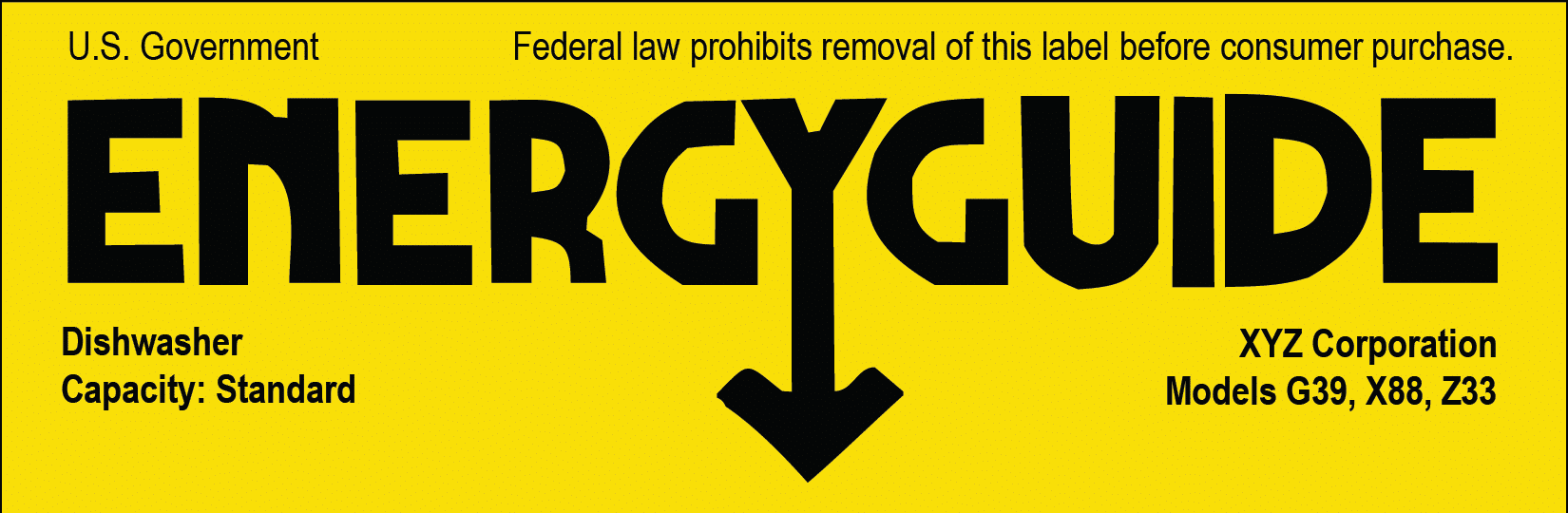
The yellow EnergyGuide label provides an estimate of annual energy consumption and operating costs, making it easier to compare system efficiency.
Understanding these ratings helps you choose systems that not only meet your comfort needs but also align with your energy-saving goals. At TCC, we help you interpret these numbers to find the best solutions for your home.
Learn More About Energy-Efficient HVAC Systems
TCC’s Energy-Efficient HVAC Solutions
Leading the Way in Energy Efficiency with Lennox
TCC prioritizes energy efficiency, offering a wide range of top-rated Lennox products that set the standard in the HVAC industry. Explore some of our high-efficiency systems:
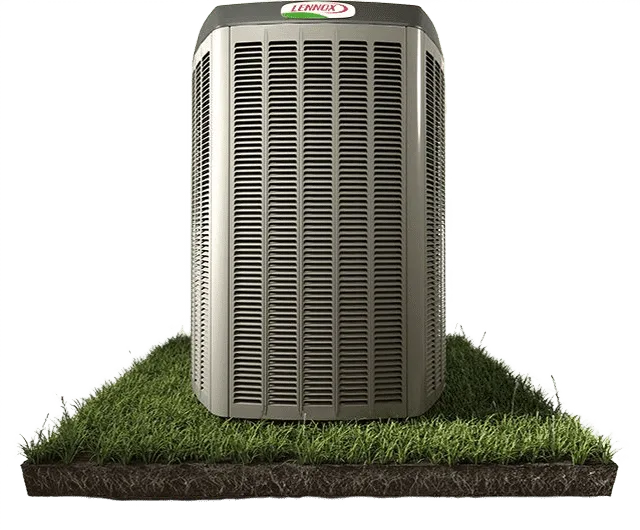
Lennox XC25 Air Conditioner
SEER Rating: Up to 26
Variable-capacity operation, solar-ready, SilentComfort™ technology
- Delivers precise cooling with maximum energy efficiency
- Lowering energy bills
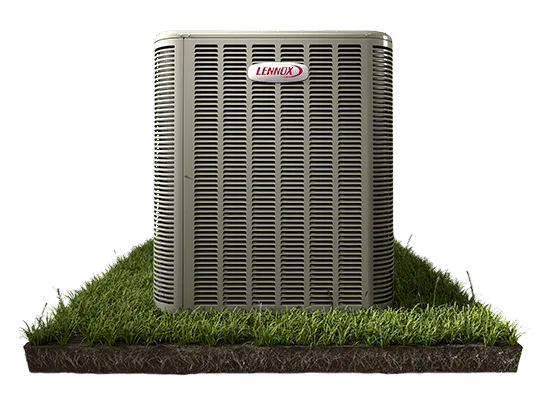
Lennox SL28XCV Air Conditioner
SEER Rating: Up to 28
Variable-speed inverter compressor, ultra-quiet operation, iComfort®-enabled
- Provides superior efficiency and performance
- Ensuring consistent comfort
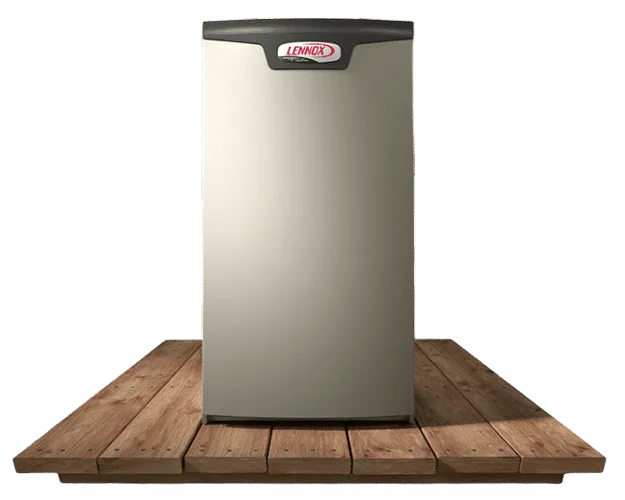
Lennox SLP99V Furnace
AFUE Rating: Up to 99%
Variable-capacity gas valve, Precise Comfort® technology
- Converts nearly all fuel into usable heat
- Lowering heating costs
Lennox XP25 Heat Pump
HSPF Rating: Up to 13
Precise Comfort® technology, SilentComfort™ technology, solar-ready
- Provides highly efficient heating and cooling
- Adapting to your needs for year-round comfort
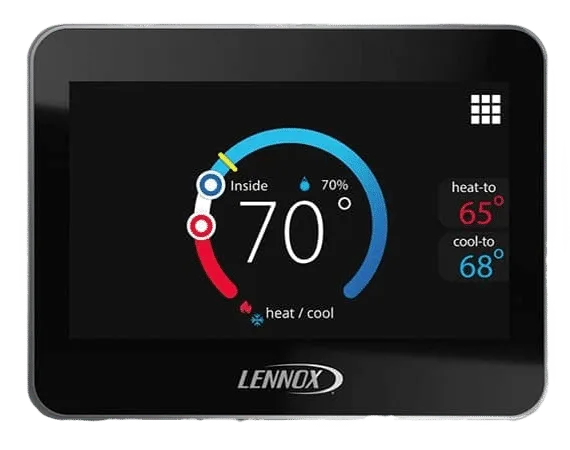
Lennox iComfort® S40 Smart Thermostat
SmartAway™ mode, Schedule IQ™ technology, remote control via app
- Learns your schedule
- Optimizing system performance for energy savings without compromising comfort
By choosing Lennox products installed by TCC, you’re investing in energy efficiency, environmental sustainability, and long-term savings.
Discover Our Energy-Efficient ProductsFAQ — Energy Efficiency & HVAC Ratings
Expert Advice for the Las Vegas Climate
Keeping your home comfortable in the Las Vegas climate means choosing an HVAC system that balances power and efficiency. Whether you’re comparing SEER ratings, wondering how much energy a new system can save, or looking into local rebates, these FAQs cover the most common questions about HVAC energy ratings and system performance.
What is a good SEER rating for a Las Vegas home?
In Las Vegas, a SEER rating of 15 or higher is considered efficient for cooling systems. Because summers are intense, even a small jump (e.g. from SEER 14 to SEER 16) can meaningfully reduce cooling costs over time.
What does SEER stand for, and how is it calculated?
SEER means Seasonal Energy Efficiency Ratio. It’s the ratio of total cooling output over a typical cooling season divided by the electrical energy input (in watt-hours). Higher SEER = more cooling per unit of electricity.
Does a higher SEER system guarantee large energy savings?
Not always. Higher SEER units are more efficient, but the actual savings depend on usage, duct quality, insulation, and local climate. In some cases, the jump in upfront costs might not pay off fully unless other system components are optimized.
Are there rebates or incentives for high-efficiency HVAC systems in Nevada?
Yes. Many utility companies and government programs provide rebates or tax incentives for installing high-efficiency systems (meeting certain SEER/AFUE thresholds). Always check current state and local programs to see what’s available in Las Vegas.
How far apart should I upgrade efficiency — e.g. from SEER 14 to 16 or jump to 20?
A step from SEER 14 to SEER 16 can yield noticeable savings at moderate cost increase. Jumping to very high SEERs (20+) may yield incremental gains but often at a much higher price. The best decision balances upfront cost, expected energy savings, and system longevity.
In Las Vegas, a SEER rating of 15 or higher is considered efficient for cooling systems. Because summers are intense, even a small jump (e.g. from SEER 14 to SEER 16) can meaningfully reduce cooling costs over time.
SEER means Seasonal Energy Efficiency Ratio. It’s the ratio of total cooling output over a typical cooling season divided by the electrical energy input (in watt-hours). Higher SEER = more cooling per unit of electricity.
Not always. Higher SEER units are more efficient, but the actual savings depend on usage, duct quality, insulation, and local climate. In some cases, the jump in upfront costs might not pay off fully unless other system components are optimized.
Yes. Many utility companies and government programs provide rebates or tax incentives for installing high-efficiency systems (meeting certain SEER/AFUE thresholds). Always check current state and local programs to see what’s available in Las Vegas.
A step from SEER 14 to SEER 16 can yield noticeable savings at moderate cost increase. Jumping to very high SEERs (20+) may yield incremental gains but often at a much higher price. The best decision balances upfront cost, expected energy savings, and system longevity.
Explore More FAQsGuarantees and recognition
- Serving Las Vegas since 2011
- 55+ years combined experience
- Licensed, EPA-certified technicians
- BBB A+ rated and Lennox Premier Dealer
- 100% satisfaction guarantee
Find Us
Share This Page
Need HVAC Service in Las Vegas?
The Cooling Company provides expert HVAC service throughout Las Vegas, Henderson, and North Las Vegas. Our licensed technicians deliver honest assessments, upfront pricing, and reliable results.
Call (702) 567-0707 or visit AC repair, maintenance, heating, or installation for details.