

Ambient Temperature
Ambient temperature is the air temperature surrounding an object or environment at a given time. In HVAC, it influences heating and cooling loads, system efficiency, and how hard equipment must work to maintain indoor comfort.
💡 Key Takeaways
- ✓Ambient temperature is the air temperature surrounding an object or environment at a given time. In HVAC, it influences heating and cooling loads, system efficiency, and how hard equipment must work to maintain indoor comfort.
- ✓Ambient temperature affects HVAC operating costs and system lifespan.
- ✓Insulation and weatherproofing reduce the impact of extreme temps.
- ✓Local climate should guide system sizing and settings.
Ambient Temperature
/ˈæmbiənt ˈtɛmpərətʃər/
Definition
Ambient temperature is the air temperature surrounding an object or environment at a given time. In HVAC, it influences heating and cooling loads, system efficiency, and how hard equipment must work to maintain indoor comfort.
Why does ambient temperature matter for HVAC?
It determines how much heating or cooling your system needs to deliver, which directly affects comfort and energy use.
Source: The Cooling Company

Quick Facts
How Ambient Temperature Works

Outdoor temperature shifts change heating and cooling demand.
Real-World Application
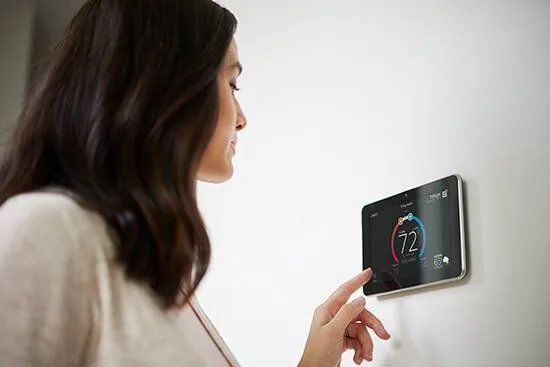
During hot summers, high ambient temperatures increase cooling demand. In winter, lower outdoor temperatures raise heating loads. Smart thermostats and insulation help keep energy use stable.
Pro Tip
Use a smart thermostat to adapt settings to outdoor conditions and reduce energy waste.
“Use a smart thermostat to adapt settings to outdoor conditions and reduce energy waste.”
Important Things to Keep in Mind
- Ambient temperature affects HVAC operating costs and system lifespan.
- Insulation and weatherproofing reduce the impact of extreme temps.
- Local climate should guide system sizing and settings.
Did You Know?
Many smart thermostats use local weather data to adjust heating and cooling in real time.
FAQ
Is ambient temperature the same as indoor temperature?
No. Ambient temperature refers to the surrounding outdoor air, while indoor temperature is what your HVAC system controls.
How does ambient temperature affect efficiency?
Extreme outdoor temperatures force HVAC systems to work harder, which can increase energy use and wear.
Can I reduce the impact of extreme ambient temps?
Yes. Proper insulation, air sealing, and smart thermostat schedules help stabilize indoor comfort.
Related Services
Need help with ambient temperature? Our licensed technicians in Las Vegas are ready to assist.
Share This Page
Why Homeowners Trust Us
Stay Comfortable Year-Round with Smart Climate Control
Get a Free Estimate
Fill out the form below. Our goal is to reach you within minutes.