

Atmospheric Vent
An atmospheric vent is a venting system used in gas water heaters to safely expel combustion gases to the outdoors. It relies on natural draft, where hot gases rise through a vertical vent pipe without a fan. Proper sizing and adequate combustion air are essential to prevent backdrafting, which can allow gases like carbon monoxide to enter living spaces.
💡 Key Takeaways
- ✓An atmospheric vent is a venting system used in gas water heaters to safely expel combustion gases to the outdoors. It relies on natural draft, where hot gases rise through a vertical vent pipe without a fan. Proper sizing and adequate combustion air are essential to prevent backdrafting, which can allow gases like carbon monoxide to enter living spaces.
- ✓The vent pipe must terminate outdoors and stay clear of obstructions.
- ✓A well-ventilated location is required for proper combustion air supply.
- ✓Natural-draft systems can lose heat up the vent, reducing efficiency.
Atmospheric Vent
/ˈæt.məsˌfɛr.ɪk vɛnt/
Definition
An atmospheric vent is a venting system used in gas water heaters to safely expel combustion gases to the outdoors. It relies on natural draft, where hot gases rise through a vertical vent pipe without a fan. Proper sizing and adequate combustion air are essential to prevent backdrafting, which can allow gases like carbon monoxide to enter living spaces.
What does an atmospheric vent do?
It vents combustion gases from a gas water heater to the outdoors using natural draft, helping prevent dangerous fumes indoors.
Source: The Cooling Company

Quick Facts
How Atmospheric Vent Works
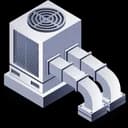
Atmospheric venting uses natural draft to move combustion gases outside.
Real-World Application
Many homes use atmospheric vent water heaters because they are simple and cost-effective, especially when vertical venting to the outdoors is readily available.
Pro Tip
Have your venting system inspected for blockages, leaks, or corrosion to keep your water heater safe and efficient.
“Have your venting system inspected for blockages, leaks, or corrosion to keep your water heater safe and efficient.”
Important Things to Keep in Mind
- The vent pipe must terminate outdoors and stay clear of obstructions.
- A well-ventilated location is required for proper combustion air supply.
- Natural-draft systems can lose heat up the vent, reducing efficiency.
Did You Know?
Modern atmospheric vent designs include added safety features to reduce backdraft risks and meet stricter building codes.
FAQ
How do I know if my atmospheric vent is backdrafting?
Signs can include soot around the draft hood, stale air, or unusual odors. A professional test is the safest way to confirm.
Can an atmospheric vent be installed sideways?
No. Atmospheric venting relies on vertical rise for natural draft, so the vent must run upward to the outdoors.
Is an atmospheric vent less efficient than other types?
Often yes. Natural draft systems can lose more heat up the vent compared to direct-vent or power-vent options.
Related Services
Need help with atmospheric vent? Our licensed technicians in Las Vegas are ready to assist.
Share This Page
Why Homeowners Trust Us

Safety Check and Efficiency Upgrade for Your Water Heater
Get a Free Estimate
Fill out the form below. Our goal is to reach you within minutes.