

Demand Controlled Ventilation (DCV)
Demand Controlled Ventilation (DCV) adjusts outside air based on occupancy and air quality. Using CO2 or other sensors, it increases ventilation when spaces are full and reduces it when they’re empty, improving indoor air quality while cutting heating and cooling energy use.
💡 Key Takeaways
- ✓Demand Controlled Ventilation (DCV) adjusts outside air based on occupancy and air quality. Using CO2 or other sensors, it increases ventilation when spaces are full and reduces it when they’re empty, improving indoor air quality while cutting heating and cooling energy use.
- ✓DCV works best in spaces with variable occupancy.
- ✓Sensor accuracy directly affects indoor air quality and savings.
- ✓Integrating DCV with building automation improves results.
Demand Controlled Ventilation (DCV)
/dɪˈmænd kənˈtroʊld ˌvɛntɪˈleɪʃən/
Definition
Demand Controlled Ventilation (DCV) adjusts outside air based on occupancy and air quality. Using CO2 or other sensors, it increases ventilation when spaces are full and reduces it when they’re empty, improving indoor air quality while cutting heating and cooling energy use.
How does demand controlled ventilation work?
It uses sensors to measure occupancy or CO2 levels and adjusts outdoor air intake accordingly.
Source: The Cooling Company

Quick Facts
How Demand Controlled Ventilation (DCV) Works
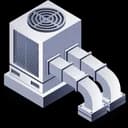
DCV matches ventilation to occupancy for efficiency.
Real-World Application
A conference center uses CO2 sensors to ramp up fresh air during events and scale it back between sessions to save energy.
Pro Tip
Keep sensors calibrated and clean so the system responds accurately to occupancy changes.
“Keep sensors calibrated and clean so the system responds accurately to occupancy changes.”
Important Things to Keep in Mind
- DCV works best in spaces with variable occupancy.
- Sensor accuracy directly affects indoor air quality and savings.
- Integrating DCV with building automation improves results.
Did You Know?
DCV can contribute to LEED points by improving indoor environmental quality and energy performance.
FAQ
Is DCV suitable for residential homes?
It can be, but it’s most common in commercial spaces with highly variable occupancy.
Does DCV reduce indoor air quality?
No. When properly calibrated, it maintains IAQ while reducing unnecessary ventilation.
What happens if a sensor fails?
Systems usually default to a safe ventilation rate until the sensor is repaired.
Related Services
Need help with demand controlled ventilation (dcv)? Our licensed technicians in Las Vegas are ready to assist.
Share This Page
Why Homeowners Trust Us


Enhance Your Building's Efficiency with Demand Controlled Ventilation
Get a Free Estimate
Fill out the form below. Our goal is to reach you within minutes.