

Data Center Cooling
Data center cooling is the set of systems used to control temperature and humidity so servers and networking equipment run reliably. Solutions range from traditional CRAC/CRAH and raised‑floor airflow to hot‑aisle/cold‑aisle containment, liquid cooling, and in‑row units, all selected to manage high heat loads efficiently.
💡 Key Takeaways
- ✓Data center cooling is the set of systems used to control temperature and humidity so servers and networking equipment run reliably. Solutions range from traditional CRAC/CRAH and raised‑floor airflow to hot‑aisle/cold‑aisle containment, liquid cooling, and in‑row units, all selected to manage high heat loads efficiently.
- ✓Cooling design must scale with future rack density and growth.
- ✓Efficiency impacts PUE, a key data center energy metric.
- ✓Routine maintenance prevents hotspots and downtime.
Data Center Cooling
/ˈdætə ˌsɛntər ˈkuːlɪŋ/
Definition
Data center cooling is the set of systems used to control temperature and humidity so servers and networking equipment run reliably. Solutions range from traditional CRAC/CRAH and raised‑floor airflow to hot‑aisle/cold‑aisle containment, liquid cooling, and in‑row units, all selected to manage high heat loads efficiently.
Why is data center cooling critical?
Servers generate intense heat; effective cooling prevents failures and keeps systems efficient and reliable.
Source: The Cooling Company

Quick Facts
How Data Center Cooling Works
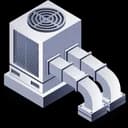
Cooling strategies manage heat density and improve PUE.
Real-World Application
A data center uses hot‑aisle containment and in‑row cooling to isolate heat, lower fan energy, and keep equipment within safe operating limits.
Pro Tip
Monitor inlet temperatures and airflow with sensors to tune cooling and cut energy waste.
“Monitor inlet temperatures and airflow with sensors to tune cooling and cut energy waste.”
Important Things to Keep in Mind
- Cooling design must scale with future rack density and growth.
- Efficiency impacts PUE, a key data center energy metric.
- Routine maintenance prevents hotspots and downtime.
Did You Know?
AI‑driven controls can dynamically optimize cooling and reduce energy use.
FAQ
What is hot‑aisle/cold‑aisle containment?
It separates hot exhaust air from cool supply air to prevent mixing and improve cooling efficiency.
Is liquid cooling better than air cooling?
It can be for high‑density racks, but it adds complexity and cost. The best choice depends on load and budget.
How is cooling efficiency measured?
PUE (Power Usage Effectiveness) is the most common metric for overall data center efficiency.
Share This Page
Why Homeowners Trust Us


Optimize Your Data Center with Advanced Cooling Solutions
Get a Free Estimate
Fill out the form below. Our goal is to reach you within minutes.