

Cooling Tower
A cooling tower is a heat‑rejection device that removes waste heat from a system by cooling circulating water. It transfers heat to the air through evaporation (open circuit) or through a heat exchanger (closed circuit), then returns the cooled water back to the system.
💡 Key Takeaways
- ✓A cooling tower is a heat‑rejection device that removes waste heat from a system by cooling circulating water. It transfers heat to the air through evaporation (open circuit) or through a heat exchanger (closed circuit), then returns the cooled water back to the system.
- ✓Cooling tower performance depends on wet‑bulb temperature and airflow.
- ✓Water treatment is essential to prevent scale, corrosion, and Legionella risk.
- ✓Proper sizing balances energy use, water consumption, and heat rejection needs.
Cooling Tower
/ˈkuːlɪŋ ˈtaʊər/
Definition
A cooling tower is a heat‑rejection device that removes waste heat from a system by cooling circulating water. It transfers heat to the air through evaporation (open circuit) or through a heat exchanger (closed circuit), then returns the cooled water back to the system.
What does a cooling tower do?
It removes heat from circulating water and releases it to the atmosphere, then sends cooled water back to the system.
Source: The Cooling Company

Quick Facts
How Cooling Tower Works
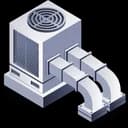
Cooling towers reject heat to the air to recirculate cooled water.
Real-World Application
Large commercial buildings use cooling towers to reject heat from chillers, keeping indoor spaces comfortable while reducing operating costs.
Pro Tip
Maintain water treatment and clean fill media regularly to prevent scale, corrosion, and biological growth.
“Maintain water treatment and clean fill media regularly to prevent scale, corrosion, and biological growth.”
Important Things to Keep in Mind
- Cooling tower performance depends on wet‑bulb temperature and airflow.
- Water treatment is essential to prevent scale, corrosion, and Legionella risk.
- Proper sizing balances energy use, water consumption, and heat rejection needs.
Did You Know?
Some cooling towers are designed as architectural features to maximize airflow and efficiency.
FAQ
What’s the difference between open and closed circuit towers?
Open towers expose water directly to air; closed circuit towers use a heat exchanger to keep process water sealed.
Do cooling towers need regular maintenance?
Yes. Water treatment, cleaning, and inspections are critical for efficiency and safety.
Why does wet‑bulb temperature matter?
It determines the lowest achievable cooling temperature and affects tower performance.
Share This Page
Why Homeowners Trust Us

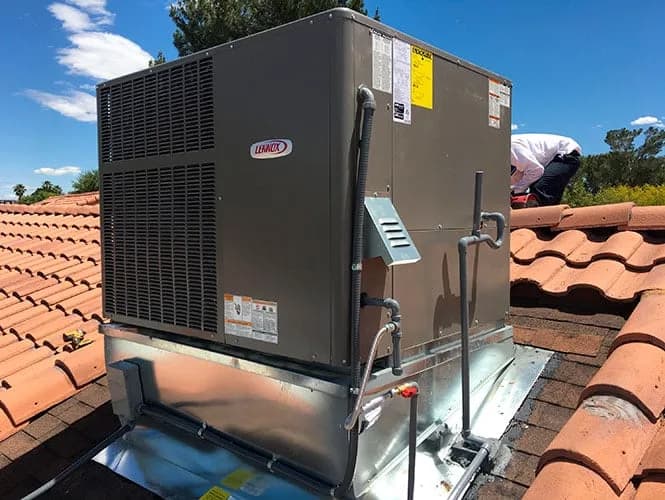

Maximize System Efficiency with Advanced Cooling Tower Solutions
Get a Free Estimate
Fill out the form below. Our goal is to reach you within minutes.