

Discharge Pipe
A discharge pipe carries water safely away from HVAC or water heater components, such as condensate pumps or pressure relief valves. It directs water to an approved drain point to prevent leaks, water damage, and safety hazards.
💡 Key Takeaways
- ✓A discharge pipe carries water safely away from HVAC or water heater components, such as condensate pumps or pressure relief valves. It directs water to an approved drain point to prevent leaks, water damage, and safety hazards.
- ✓Improper routing can cause leaks or water damage.
- ✓Some codes require specific termination locations for safety.
- ✓Regular inspections help catch clogs or disconnections.
Discharge Pipe
/dɪsˈtʃɑːrdʒ paɪp/
Definition
A discharge pipe carries water safely away from HVAC or water heater components, such as condensate pumps or pressure relief valves. It directs water to an approved drain point to prevent leaks, water damage, and safety hazards.
What does a discharge pipe do?
It routes water safely away from equipment to a drain, preventing leaks and damage.
Source: The Cooling Company

Quick Facts
How Discharge Pipe Works
Proper discharge piping protects equipment and property.
Real-World Application
A condensate pump uses a discharge pipe to move collected water to a drain when gravity drainage is not possible.
Pro Tip
Ensure the discharge pipe has a clear, unobstructed path to a proper drain point.
“Ensure the discharge pipe has a clear, unobstructed path to a proper drain point.”
Important Things to Keep in Mind
- Improper routing can cause leaks or water damage.
- Some codes require specific termination locations for safety.
- Regular inspections help catch clogs or disconnections.
Did You Know?
Blocked discharge pipes are a common cause of HVAC water leaks.
FAQ
Can a discharge pipe be run into a sink or floor drain?
Often yes, but local codes may specify approved termination points.
Why is water backing up at the unit?
The discharge pipe may be clogged, kinked, or disconnected.
Should a discharge pipe be insulated?
Usually not required, but insulation can help prevent sweating in humid areas.
Related Services
Need help with discharge pipe? Our licensed technicians in Las Vegas are ready to assist.
Share This Page
Why Homeowners Trust Us
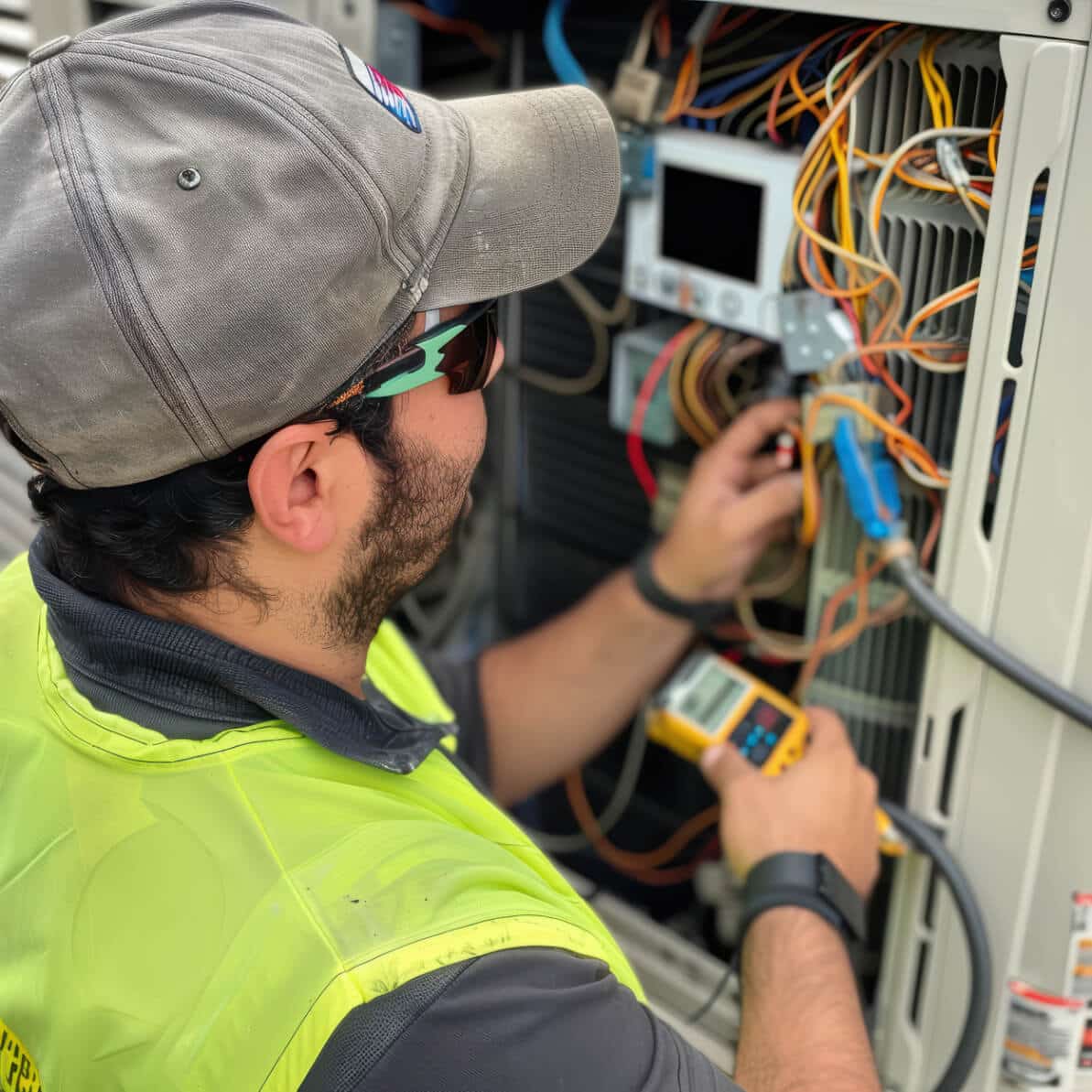
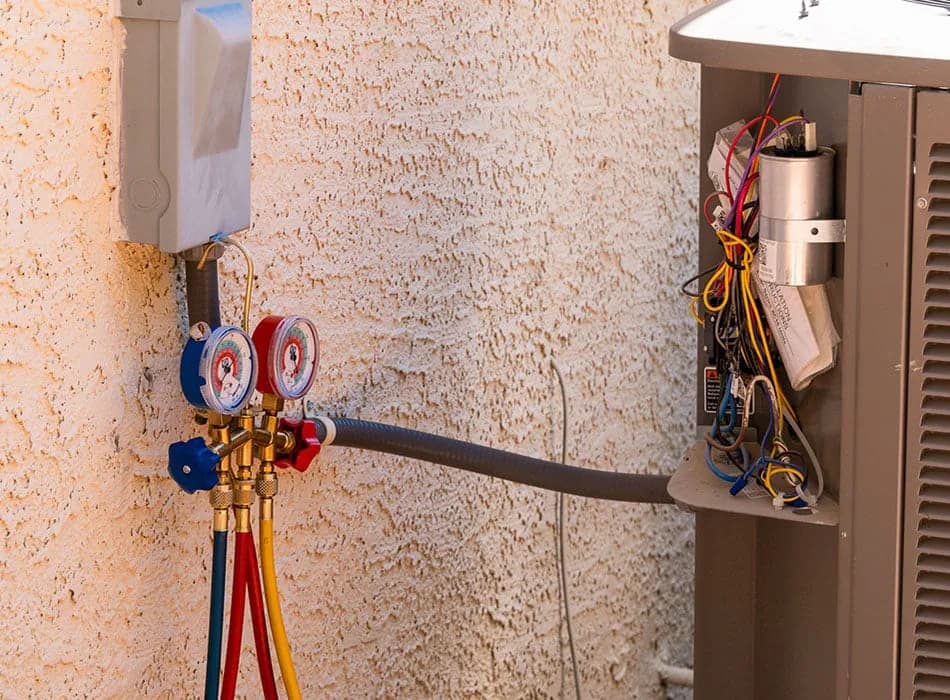
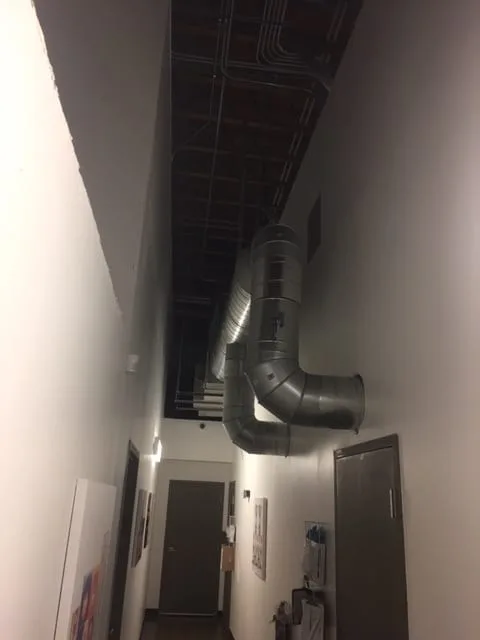
Prevent Water Damage with Proper Discharge Piping
Get a Free Estimate
Fill out the form below. Our goal is to reach you within minutes.