

Flue Pipe
A flue pipe is the vent connector that carries combustion gases from a furnace, boiler, fireplace, or water heater to a chimney or direct vent termination. It helps expel carbon monoxide, smoke, and water vapor safely outdoors. Flue pipes are sized and routed to match the appliance and fuel type so draft remains stable and safe.
💡 Key Takeaways
- ✓A flue pipe is the vent connector that carries combustion gases from a furnace, boiler, fireplace, or water heater to a chimney or direct vent termination. It helps expel carbon monoxide, smoke, and water vapor safely outdoors. Flue pipes are sized and routed to match the appliance and fuel type so draft remains stable and safe.
- ✓Flue pipe size and material must match appliance specs and local codes.
- ✓Rust, water stains, or soot near the connector can indicate venting problems.
- ✓Upgrading old chimneys with liners can improve safety and draft stability.
Flue Pipe
/fluː paɪp/
Definition
A flue pipe is the vent connector that carries combustion gases from a furnace, boiler, fireplace, or water heater to a chimney or direct vent termination. It helps expel carbon monoxide, smoke, and water vapor safely outdoors. Flue pipes are sized and routed to match the appliance and fuel type so draft remains stable and safe.
What does a flue pipe do?
It carries combustion gases from HVAC or water heating equipment to the outdoors, helping prevent indoor air hazards.
Source: The Cooling Company

Quick Facts
How Flue Pipe Works
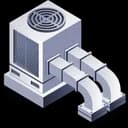
Properly routed flue pipes prevent leaks and backdrafting.
Real-World Application
A gas furnace and a water heater share a vent connector that routes exhaust into the chimney. The flue pipe keeps combustion byproducts out of the home while supporting efficient, steady draft.
Pro Tip
Have flue pipes inspected annually for corrosion, loose joints, or blockages to protect indoor air quality and keep heating equipment running efficiently.
“Have flue pipes inspected annually for corrosion, loose joints, or blockages to protect indoor air quality and keep heating equipment running efficiently.”
Important Things to Keep in Mind
- Flue pipe size and material must match appliance specs and local codes.
- Rust, water stains, or soot near the connector can indicate venting problems.
- Upgrading old chimneys with liners can improve safety and draft stability.
Did You Know?
Modern venting materials and designs reduce heat loss while improving safety compared to older, unlined systems.
FAQ
Is a flue pipe the same as a chimney?
Not exactly. The flue pipe is the connector from the appliance to the chimney or vent termination.
Can a flue pipe leak carbon monoxide?
Yes. Corrosion, poor joints, or improper sizing can allow gases to spill indoors.
How often should flue pipes be cleaned?
At least annually, and more often if you notice soot, odors, or draft issues.
Related Services
Need help with flue pipe? Our licensed technicians in Las Vegas are ready to assist.
Share This Page
Why Homeowners Trust Us

Safeguard Your Home with Professional Flue Pipe Services
Get a Free Estimate
Fill out the form below. Our goal is to reach you within minutes.