

Elbow Fitting
An elbow fitting is a connector that changes the direction of flow in plumbing or HVAC piping and ductwork. Common angles are 45° and 90°, making it ideal for routing pipes or ducts around corners or obstacles. Elbow fittings are available in materials like copper, PVC, PEX, sheet metal, and stainless steel, and should be selected based on temperature, pressure, and application needs.
💡 Key Takeaways
- ✓An elbow fitting is a connector that changes the direction of flow in plumbing or HVAC piping and ductwork. Common angles are 45° and 90°, making it ideal for routing pipes or ducts around corners or obstacles. Elbow fittings are available in materials like copper, PVC, PEX, sheet metal, and stainless steel, and should be selected based on temperature, pressure, and application needs.
- ✓Match the elbow material to the pipe or duct type and system conditions.
- ✓Use the correct angle to avoid restrictions and maintain smooth flow.
- ✓Each elbow adds resistance, so minimize bends in HVAC ducting.
Elbow Fitting
/ˈɛlboʊ ˈfɪtɪŋ/
Definition
An elbow fitting is a connector that changes the direction of flow in plumbing or HVAC piping and ductwork. Common angles are 45° and 90°, making it ideal for routing pipes or ducts around corners or obstacles. Elbow fittings are available in materials like copper, PVC, PEX, sheet metal, and stainless steel, and should be selected based on temperature, pressure, and application needs.
What does an elbow fitting do in plumbing or HVAC?
It changes the direction of a pipe or duct run, usually by 45° or 90°, to route flow around obstacles.
Source: The Cooling Company

Quick Facts
How Elbow Fitting Works
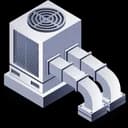
Elbows redirect flow and airflow without stressing runs.
Real-World Application
During a water heater install, a plumber uses a 90-degree copper elbow to route the cold-water line. In HVAC, elbows route refrigerant lines or condensate drains around structural obstacles.
Pro Tip
Prep pipe or duct ends carefully and use the correct joining method to prevent leaks and airflow loss.
“Prep pipe or duct ends carefully and use the correct joining method to prevent leaks and airflow loss.”
Important Things to Keep in Mind
- Match the elbow material to the pipe or duct type and system conditions.
- Use the correct angle to avoid restrictions and maintain smooth flow.
- Each elbow adds resistance, so minimize bends in HVAC ducting.
Did You Know?
Elbow fittings have been used for centuries because the simple angle design reliably redirects flow with minimal resistance.
FAQ
What material elbow fitting should I use?
Use the same material as your pipe, copper with copper, PVC with PVC, or PEX with PEX, to ensure compatibility.
Do elbow fittings reduce water flow?
Every turn adds some resistance, so use the fewest bends needed and match the correct size.
Can I reuse an old elbow fitting?
It’s not recommended. Reusing fittings increases leak risk, especially after soldering or crimping.
Related Services
Need help with elbow fitting? Our licensed technicians in Las Vegas are ready to assist.
Share This Page
Why Homeowners Trust Us
Professional Plumbing and HVAC Installation Services
Get a Free Estimate
Fill out the form below. Our goal is to reach you within minutes.