

Centralized Water Heating
Centralized water heating supplies hot water to multiple fixtures from a single, central source. Common in multi‑unit residential buildings, hotels, and commercial facilities, it uses large‑capacity equipment and distribution piping to serve many points of use. Centralized systems can be efficient and easier to maintain than multiple smaller units.
💡 Key Takeaways
- ✓Centralized water heating supplies hot water to multiple fixtures from a single, central source. Common in multi‑unit residential buildings, hotels, and commercial facilities, it uses large‑capacity equipment and distribution piping to serve many points of use. Centralized systems can be efficient and easier to maintain than multiple smaller units.
- ✓System sizing must account for peak usage and future demand growth.
- ✓Regular maintenance of the heater and piping keeps efficiency high.
- ✓Energy‑efficient upgrades and renewables can reduce operating costs.
Centralized Water Heating
/ˈsɛntrəlaɪzd ˈwɔːtər ˈhiːtɪŋ/
Definition
Centralized water heating supplies hot water to multiple fixtures from a single, central source. Common in multi‑unit residential buildings, hotels, and commercial facilities, it uses large‑capacity equipment and distribution piping to serve many points of use. Centralized systems can be efficient and easier to maintain than multiple smaller units.
What is centralized water heating?
It is a system that produces hot water from one central source and distributes it to multiple fixtures or units.
Source: The Cooling Company

Quick Facts
How Centralized Water Heating Works
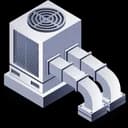
A central heater feeds a distribution network to many outlets.
Real-World Application
A high‑rise apartment building uses a central boiler and recirculation loop to provide reliable hot water to every unit.
Pro Tip
Plan for peak demand and consider recirculation to reduce wait times and water waste.
“Plan for peak demand and consider recirculation to reduce wait times and water waste.”
Important Things to Keep in Mind
- System sizing must account for peak usage and future demand growth.
- Regular maintenance of the heater and piping keeps efficiency high.
- Energy‑efficient upgrades and renewables can reduce operating costs.
Did You Know?
Centralized heating systems date back to ancient Rome’s communal baths and heating networks.
FAQ
Do centralized systems need recirculation?
Often yes. Recirculation improves hot‑water response time and reduces water waste.
Is centralized water heating efficient?
It can be very efficient with proper sizing, insulation, and high‑efficiency equipment.
What energy sources can it use?
Central systems can use gas, electricity, solar thermal, or heat‑recovery sources.
Related Services
Need help with centralized water heating? Our licensed technicians in Las Vegas are ready to assist.
Share This Page
Why Homeowners Trust Us

Optimize Your Building's Hot Water System
Get a Free Estimate
Fill out the form below. Our goal is to reach you within minutes.