

Ignition Barrier
An ignition barrier is a fire-safety material or coating applied over combustible insulation, such as spray foam, to delay ignition and slow fire spread. It is commonly required in attics or crawl spaces where insulation is exposed. Proper ignition barriers help meet building codes and improve occupant safety.
💡 Key Takeaways
- ✓An ignition barrier is a fire-safety material or coating applied over combustible insulation, such as spray foam, to delay ignition and slow fire spread. It is commonly required in attics or crawl spaces where insulation is exposed. Proper ignition barriers help meet building codes and improve occupant safety.
- ✓Ignition barriers are different from thermal barriers and may have lower ratings.
- ✓Material choice depends on insulation type and code requirements.
- ✓Professional installation ensures proper coverage and compliance.
Ignition Barrier
/ɪɡˈnɪʃən ˈbærɪər/
Definition
An ignition barrier is a fire-safety material or coating applied over combustible insulation, such as spray foam, to delay ignition and slow fire spread. It is commonly required in attics or crawl spaces where insulation is exposed. Proper ignition barriers help meet building codes and improve occupant safety.
What does an ignition barrier do?
It delays ignition of combustible insulation, giving more time for evacuation and response.
Source: The Cooling Company

Quick Facts
How Ignition Barrier Works
Ignition barriers reduce fire risk in concealed spaces.
Real-World Application
In an attic with spray foam insulation, an ignition barrier coating is applied to meet code and reduce fire risk.
Pro Tip
Always verify local code requirements before installing insulation or barrier materials.
“Always verify local code requirements before installing insulation or barrier materials.”
Important Things to Keep in Mind
- Ignition barriers are different from thermal barriers and may have lower ratings.
- Material choice depends on insulation type and code requirements.
- Professional installation ensures proper coverage and compliance.
Did You Know?
Thermal barriers provide a higher level of fire protection than ignition barriers.
FAQ
Is an ignition barrier always required?
Requirements vary by code and location, especially for exposed insulation.
What is the difference between ignition and thermal barriers?
Thermal barriers provide higher fire resistance and are required in occupied spaces.
Can I install an ignition barrier myself?
It’s best to use a professional to ensure compliance and correct coverage.
Share This Page
Why Homeowners Trust Us

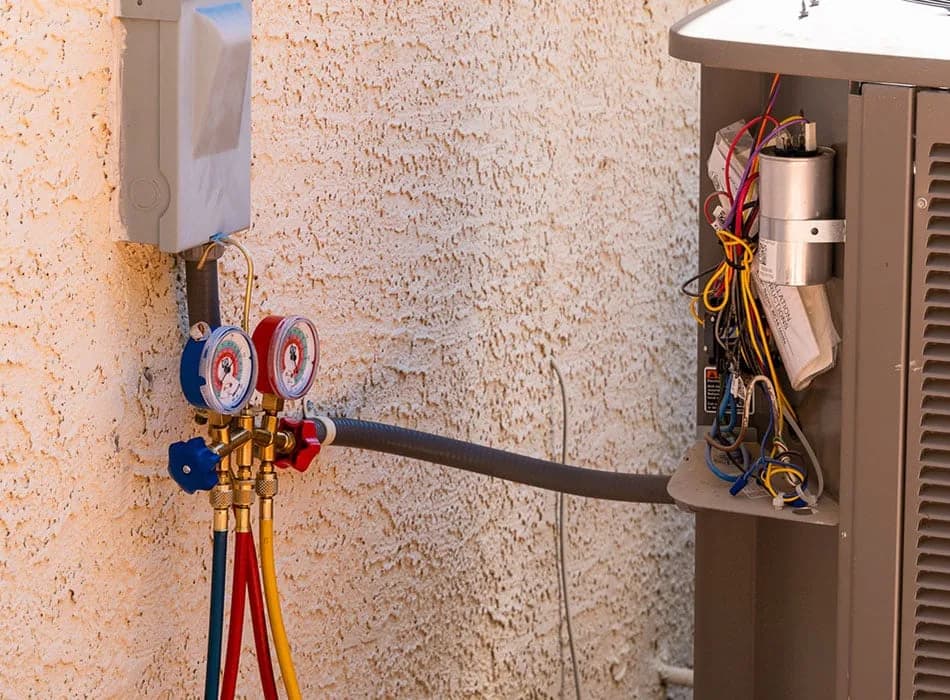
Enhance Your Building's Fire Safety with Professional Ignition Barrier Solutions
Get a Free Estimate
Fill out the form below. Our goal is to reach you within minutes.