

Installation Requirements
Installation requirements are the conditions, clearances, utilities, and procedures needed to install HVAC systems and water heaters safely and correctly. They cover space, electrical and plumbing connections, venting, and environmental factors. Meeting requirements protects warranties, ensures code compliance, and improves performance.
💡 Key Takeaways
- ✓Installation requirements are the conditions, clearances, utilities, and procedures needed to install HVAC systems and water heaters safely and correctly. They cover space, electrical and plumbing connections, venting, and environmental factors. Meeting requirements protects warranties, ensures code compliance, and improves performance.
- ✓Local codes can add requirements beyond the manufacturer guide.
- ✓Ignoring requirements can reduce efficiency or create safety risks.
- ✓Some installs need electrical, gas, or venting upgrades.
Installation Requirements
/ˌɪnstəˈleɪʃən rɪˈkwaɪərmənts/
Definition
Installation requirements are the conditions, clearances, utilities, and procedures needed to install HVAC systems and water heaters safely and correctly. They cover space, electrical and plumbing connections, venting, and environmental factors. Meeting requirements protects warranties, ensures code compliance, and improves performance.
Why do installation requirements matter?
They ensure safe, efficient, code-compliant operation and protect warranties.
Source: The Cooling Company

Quick Facts
How Installation Requirements Works
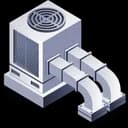
Clearances, utilities, and venting ensure safe operation.
Real-World Application
A tankless water heater install requires proper gas line sizing, venting, and service clearances before approval.
Pro Tip
Have a professional assess your site before purchase to avoid costly changes later.
“Have a professional assess your site before purchase to avoid costly changes later.”
Important Things to Keep in Mind
- Local codes can add requirements beyond the manufacturer guide.
- Ignoring requirements can reduce efficiency or create safety risks.
- Some installs need electrical, gas, or venting upgrades.
Did You Know?
Proper installation can improve efficiency as much as choosing higher-rated equipment.
FAQ
Do local codes override manufacturer requirements?
Yes. Local codes can add stricter safety or venting rules.
Can improper installation void a warranty?
Yes. Manufacturers often require proof of compliant installation.
When should I review installation requirements?
Before purchasing equipment so you can plan for any upgrades.
Related Services
Need help with installation requirements? Our licensed technicians in Las Vegas are ready to assist.
Share This Page
Why Homeowners Trust Us
Schedule a Professional Installation Consultation
Get a Free Estimate
Fill out the form below. Our goal is to reach you within minutes.