

LEED Certification (Leadership in Energy and Environmental Design)
LEED Certification is a globally recognized green building rating system developed by the U.S. Green Building Council (USGBC). It verifies that buildings meet sustainability targets across energy efficiency, indoor air quality, materials, water use, and site practices. LEED applies to new construction and existing buildings and rewards ongoing performance improvements.
💡 Key Takeaways
- ✓LEED Certification is a globally recognized green building rating system developed by the U.S. Green Building Council (USGBC). It verifies that buildings meet sustainability targets across energy efficiency, indoor air quality, materials, water use, and site practices. LEED applies to new construction and existing buildings and rewards ongoing performance improvements.
- ✓LEED requires documentation from design through operations.
- ✓Indoor air quality, HVAC efficiency, and water heating all impact points.
- ✓Certification can boost market value and reduce operating costs.
LEED Certification (Leadership in Energy and Environmental Design)
/liːd sərˌtɪfɪˈkeɪʃən/
Definition
LEED Certification is a globally recognized green building rating system developed by the U.S. Green Building Council (USGBC). It verifies that buildings meet sustainability targets across energy efficiency, indoor air quality, materials, water use, and site practices. LEED applies to new construction and existing buildings and rewards ongoing performance improvements.
What is LEED Certification?
It is a USGBC green building rating system that recognizes sustainable design and performance.
Source: The Cooling Company

Quick Facts
How LEED Certification (Leadership in Energy and Environmental Design) Works
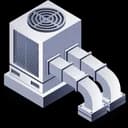
LEED measures sustainability across multiple building systems.
Real-World Application
An office building pursuing LEED upgrades installs high-efficiency HVAC, improved ventilation, and a heat pump water heater to cut energy use while improving comfort.
Pro Tip
Keep improving after certification by tracking energy and water use and tuning HVAC systems for better performance.
“Keep improving after certification by tracking energy and water use and tuning HVAC systems for better performance.”
Important Things to Keep in Mind
- LEED requires documentation from design through operations.
- Indoor air quality, HVAC efficiency, and water heating all impact points.
- Certification can boost market value and reduce operating costs.
Did You Know?
LEED-certified buildings use about 25% less energy and 11% less water on average, with lower maintenance costs.
FAQ
Does LEED cover HVAC and water heating?
Yes. HVAC efficiency, ventilation, and hot water systems contribute to energy and indoor air quality credits.
Is LEED only for new construction?
No. LEED applies to existing buildings and ongoing operations too.
Are there different LEED levels?
Yes. Certification levels typically include Certified, Silver, Gold, and Platinum.
Related Services
Need help with leed certification (leadership in energy and environmental design)? Our licensed technicians in Las Vegas are ready to assist.
Share This Page
Why Homeowners Trust Us


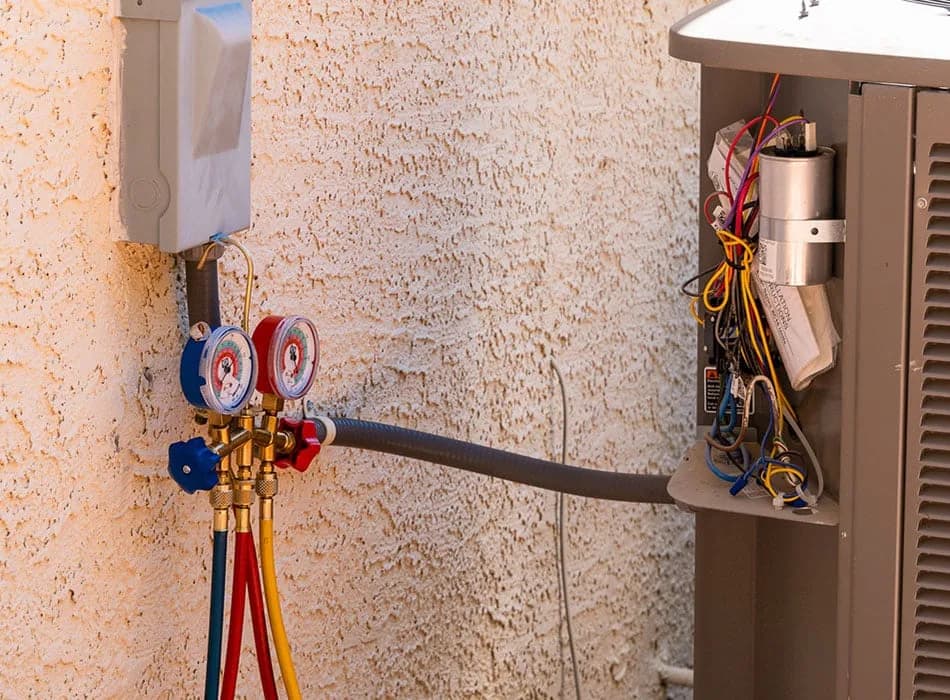
Make Your Building Greener with Professional Guidance
Get a Free Estimate
Fill out the form below. Our goal is to reach you within minutes.