

Mixing Valve
A mixing valve is a plumbing component that blends hot and cold water to a desired temperature before it reaches a faucet or shower. These valves help prevent scalding by limiting maximum hot water temperature and provide consistent comfort. They are important in homes and critical in commercial settings like hospitals and schools where precise temperature control is required. Mixing valves also support energy efficiency by allowing higher storage temperatures while delivering safe temperatures at fixtures.
💡 Key Takeaways
- ✓A mixing valve is a plumbing component that blends hot and cold water to a desired temperature before it reaches a faucet or shower. These valves help prevent scalding by limiting maximum hot water temperature and provide consistent comfort. They are important in homes and critical in commercial settings like hospitals and schools where precise temperature control is required. Mixing valves also support energy efficiency by allowing higher storage temperatures while delivering safe temperatures at fixtures.
- ✓Proper installation by a qualified plumber ensures safe operation.
- ✓Mixing valves come in different types and sizes for specific systems.
- ✓They can help reduce energy costs by allowing higher storage temperatures safely.
Mixing Valve
/ˈmɪksɪŋ vælv/
Definition
A mixing valve is a plumbing component that blends hot and cold water to a desired temperature before it reaches a faucet or shower. These valves help prevent scalding by limiting maximum hot water temperature and provide consistent comfort. They are important in homes and critical in commercial settings like hospitals and schools where precise temperature control is required. Mixing valves also support energy efficiency by allowing higher storage temperatures while delivering safe temperatures at fixtures.
What does a mixing valve do?
It blends hot and cold water to a safe, consistent temperature before it reaches fixtures.
Source: The Cooling Company
Quick Facts
How Mixing Valve Works
Mixing valves blend hot and cold water for safe delivery.
Real-World Application
A family installs a mixing valve to prevent scalding in showers, ensuring water temperature stays within a safe range even when the tap is turned fully hot.
Pro Tip
Check and maintain your mixing valve regularly. Mineral buildup can affect performance, and professional calibration may be needed for accurate temperature control.
“Check and maintain your mixing valve regularly. Mineral buildup can affect performance, and professional calibration may be needed for accurate temperature control.”
Important Things to Keep in Mind
- Proper installation by a qualified plumber ensures safe operation.
- Mixing valves come in different types and sizes for specific systems.
- They can help reduce energy costs by allowing higher storage temperatures safely.
Did You Know?
Mixing valves are increasingly required by plumbing codes to prevent scalding injuries.
FAQ
Do I need a mixing valve at my water heater?
Many homes benefit from one, especially with higher storage temps or households with children.
Can a mixing valve fail?
Yes. Mineral buildup or wear can cause temperature drift, so regular inspection helps.
Is a mixing valve the same as an anti-scald valve?
They are related. A mixing valve blends hot and cold water, while anti-scald valves limit maximum temperature at fixtures.
Related Services
Need help with mixing valve? Our licensed technicians in Las Vegas are ready to assist.
Share This Page
Why Homeowners Trust Us
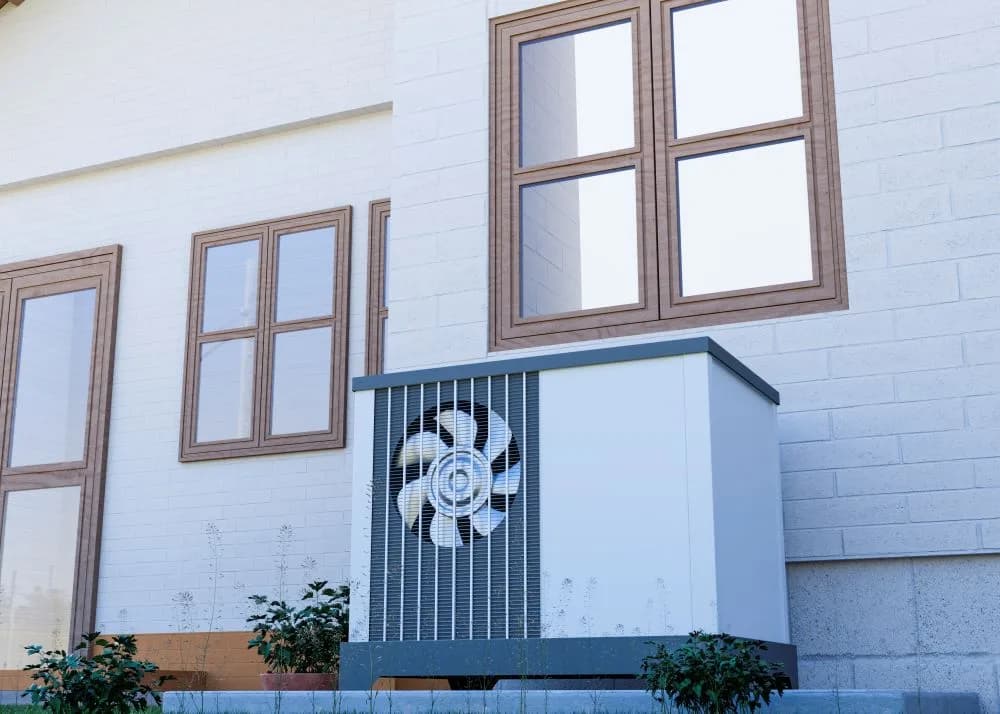
Ensure Safe Water Temperatures with a Mixing Valve Installation
Get a Free Estimate
Fill out the form below. Our goal is to reach you within minutes.