

Flow Control Valve
A flow control valve regulates the rate of water flow in plumbing and hydronic HVAC systems. By controlling flow, it helps maintain stable temperatures, protects equipment from pressure spikes, and improves efficiency in water heaters, boilers, and radiant heating loops. Valves can be manual or automatic, depending on system design.
💡 Key Takeaways
- ✓A flow control valve regulates the rate of water flow in plumbing and hydronic HVAC systems. By controlling flow, it helps maintain stable temperatures, protects equipment from pressure spikes, and improves efficiency in water heaters, boilers, and radiant heating loops. Valves can be manual or automatic, depending on system design.
- ✓Proper sizing ensures stable flow without excessive pressure loss.
- ✓Automatic valves use sensors to adjust flow based on demand.
- ✓Regular maintenance prevents buildup and sticking.
Flow Control Valve
/floʊ kənˈtroʊl vælv/
Definition
A flow control valve regulates the rate of water flow in plumbing and hydronic HVAC systems. By controlling flow, it helps maintain stable temperatures, protects equipment from pressure spikes, and improves efficiency in water heaters, boilers, and radiant heating loops. Valves can be manual or automatic, depending on system design.
What does a flow control valve do?
It regulates water flow to stabilize temperatures and protect equipment in plumbing and hydronic HVAC systems.
Source: The Cooling Company

Quick Facts
How Flow Control Valve Works
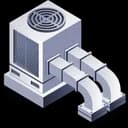
Flow control keeps temperatures steady and equipment protected.
Real-World Application
In a tankless water heater, a flow control valve stabilizes water flow so hot water stays consistent. In radiant heating, it balances loop flow for even warmth.
Pro Tip
Check valves for mineral buildup or stuck positions, especially in hard-water areas, to avoid temperature swings.
“Check valves for mineral buildup or stuck positions, especially in hard-water areas, to avoid temperature swings.”
Important Things to Keep in Mind
- Proper sizing ensures stable flow without excessive pressure loss.
- Automatic valves use sensors to adjust flow based on demand.
- Regular maintenance prevents buildup and sticking.
Did You Know?
Balancing valves in hydronic HVAC are a type of flow control that improve comfort and efficiency.
FAQ
Can a flow control valve improve water heater performance?
Yes. It helps stabilize flow so temperature stays more consistent.
Do hydronic heating systems need flow control valves?
Yes. They balance loop flow and prevent uneven heating across zones.
How do I know if a valve is failing?
Symptoms include temperature swings, uneven heating, or reduced flow.
Related Services
Need help with flow control valve? Our licensed technicians in Las Vegas are ready to assist.
Share This Page
Why Homeowners Trust Us

Enhance Your Water Heating and Hydronic HVAC System
Get a Free Estimate
Fill out the form below. Our goal is to reach you within minutes.