

In plumbing and HVAC systems, a nipple is a short section of pipe with male threads on both ends, used to connect two fittings or components. Nipples come in different lengths, diameters, and materials such as steel, brass, or PVC. They are common in water heating, air conditioning, and general plumbing work to complete or extend threaded connections. Proper selection and installation help ensure leak-free, reliable operation.
/ˈnɪpəl/
In plumbing and HVAC systems, a nipple is a short section of pipe with male threads on both ends, used to connect two fittings or components. Nipples come in different lengths, diameters, and materials such as steel, brass, or PVC. They are common in water heating, air conditioning, and general plumbing work to complete or extend threaded connections. Proper selection and installation help ensure leak-free, reliable operation.
What is a pipe nipple used for?
It connects two threaded fittings or components, extending or completing a plumbing or HVAC connection.
Source: The Cooling Company

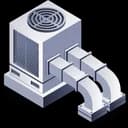
Choose material, length, and diameter to match the connection.
When replacing a water heater, a technician may use pipe nipples to connect the unit to existing supply lines while maintaining code-compliant, leak-free joints.
Use the right thread sealant or tape and match materials to prevent leaks and corrosion. Avoid over-tightening to protect threads.
“Use the right thread sealant or tape and match materials to prevent leaks and corrosion. Avoid over-tightening to protect threads.”
The plumbing term "nipple" dates back to the 17th century and originally described a small pipe on a cask or barrel.
How do I pick the right nipple size?
Match the diameter and length to the threaded fittings and spacing required by the system.
Do nipples need thread sealant?
Yes. Use approved tape or sealant to prevent leaks at threaded joints.
Can I reuse old nipples?
It depends on condition. Corroded or damaged threads should be replaced.
Need help with nipple? Our licensed technicians in Las Vegas are ready to assist.
Fill out the form below. We typically respond within minutes.