

Photovoltaic System
A photovoltaic (PV) system converts sunlight into electricity using solar cells. Typical components include solar panels, an inverter, batteries (optional), and a charge controller. PV systems can be grid-connected or standalone and reduce emissions by replacing fossil-fuel electricity.
💡 Key Takeaways
- ✓A photovoltaic (PV) system converts sunlight into electricity using solar cells. Typical components include solar panels, an inverter, batteries (optional), and a charge controller. PV systems can be grid-connected or standalone and reduce emissions by replacing fossil-fuel electricity.
- ✓System output depends on orientation, shading, and local weather.
- ✓Incentives and net metering can improve long-term economics.
- ✓PV is a cornerstone technology for low-carbon energy systems.
Photovoltaic System
/ˌfoʊtoʊvoʊlˈteɪɪk ˈsɪstəm/
Definition
A photovoltaic (PV) system converts sunlight into electricity using solar cells. Typical components include solar panels, an inverter, batteries (optional), and a charge controller. PV systems can be grid-connected or standalone and reduce emissions by replacing fossil-fuel electricity.
What does a photovoltaic system do?
It turns sunlight into electricity that powers homes or businesses.
Source: The Cooling Company

Quick Facts
How Photovoltaic System Works
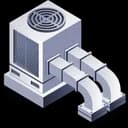
Sunlight to DC power, inverter to usable AC electricity.
Real-World Application
Homeowners install PV panels to lower bills and sell excess power back to the grid, while businesses use larger arrays to power facilities.
Pro Tip
Keep panels clean and inspect wiring regularly to maintain peak PV performance.
“Keep panels clean and inspect wiring regularly to maintain peak PV performance.”
Important Things to Keep in Mind
- System output depends on orientation, shading, and local weather.
- Incentives and net metering can improve long-term economics.
- PV is a cornerstone technology for low-carbon energy systems.
Did You Know?
PV technology dates back to the 19th century and became widely used after space-race innovations.
FAQ
Do PV systems work on cloudy days?
Yes, but they produce less power when sunlight is reduced.
Is a battery required?
No. Grid-tied systems can run without batteries, but batteries add backup power.
How long do PV panels last?
Many panels last 25 years or more with gradual efficiency decline.
Share This Page
Why Homeowners Trust Us

Harness the Power of the Sun with a Photovoltaic System
Get a Free Estimate
Fill out the form below. Our goal is to reach you within minutes.