

Energy Recovery System
An energy recovery system improves HVAC efficiency by capturing heat (and often moisture) from exhaust air and transferring it to incoming fresh air. This reduces the heating or cooling load while maintaining indoor air quality. Common types include heat recovery ventilators (HRVs) and energy recovery ventilators (ERVs), with ERVs also balancing humidity.
💡 Key Takeaways
- ✓An energy recovery system improves HVAC efficiency by capturing heat (and often moisture) from exhaust air and transferring it to incoming fresh air. This reduces the heating or cooling load while maintaining indoor air quality. Common types include heat recovery ventilators (HRVs) and energy recovery ventilators (ERVs), with ERVs also balancing humidity.
- ✓Energy recovery is most valuable in buildings with high ventilation needs.
- ✓Proper sizing and duct integration are critical for savings.
- ✓Regular maintenance protects airflow and recovery efficiency.
Energy Recovery System
/ˈɛnərdʒi rɪˈkʌvəri ˈsɪstəm/
Definition
An energy recovery system improves HVAC efficiency by capturing heat (and often moisture) from exhaust air and transferring it to incoming fresh air. This reduces the heating or cooling load while maintaining indoor air quality. Common types include heat recovery ventilators (HRVs) and energy recovery ventilators (ERVs), with ERVs also balancing humidity.
What does an energy recovery system do?
It recovers heat (and often moisture) from exhaust air to precondition incoming fresh air, reducing HVAC energy use.
Source: The Cooling Company

Quick Facts
How Energy Recovery System Works
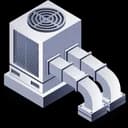
HRVs transfer heat; ERVs transfer heat and moisture.
Real-World Application
A school installs ERVs to bring in fresh air while reducing the energy needed to condition it, keeping classrooms comfortable and efficient.
Pro Tip
Choose HRV or ERV based on climate and humidity goals, then keep cores and filters clean for best performance.
“Choose HRV or ERV based on climate and humidity goals, then keep cores and filters clean for best performance.”
Important Things to Keep in Mind
- Energy recovery is most valuable in buildings with high ventilation needs.
- Proper sizing and duct integration are critical for savings.
- Regular maintenance protects airflow and recovery efficiency.
Did You Know?
Energy recovery systems can contribute to green building credits by reducing ventilation energy use.
FAQ
What is the difference between an HRV and ERV?
HRVs transfer heat only, while ERVs transfer heat and moisture for better humidity control.
Do energy recovery systems work in hot climates?
Yes. ERVs are often preferred in humid climates to reduce moisture load.
How often should an ERV or HRV be serviced?
Filters and cores should be cleaned or replaced regularly, often every 3–6 months.
Related Services
Need help with energy recovery system? Our licensed technicians in Las Vegas are ready to assist.
Share This Page
Why Homeowners Trust Us


Enhance Your Building’s Efficiency with an Energy Recovery System
Get a Free Estimate
Fill out the form below. Our goal is to reach you within minutes.