


Energy Saving Tips For Office Building: 6 Ways To Cut Costs This Year
Short answer: Powering an office building is costly, but simple steps can cut energy waste and reduce bills. Use energy-efficient LED lighting, install occupancy sensors, optimize HVAC systems, and educate tenants on energy-saving habits. In Las Vegas, where summer temperatures regularly exceed 110°F and AC systems run 10-11 months per year, office building energy efficiency is critical for managing high utility costs. Desert heat, dust storms, and monsoon season humidity make proper HVAC maintenance and upgrades essential for long-term savings.

Las Vegas Office Building Energy Efficiency Context
Las Vegas office building managers face unique energy efficiency challenges due to extreme desert climate conditions. The Las Vegas Valley experiences 310+ days of direct sunlight annually, with summer highs regularly reaching 110-115°F. Unlike moderate climates, AC systems here operate nearly year-round, which increases wear and energy consumption. Desert dust storms can clog filters and coils faster, requiring more frequent maintenance and affecting system efficiency.
Learn how AC efficiency improvements can lower your energy costs.
High summer energy bills make efficiency upgrades especially valuable for office buildings, with many facilities seeing $1,000-5,000+ monthly savings from properly sized, efficient systems. During monsoon season (July-September), humidity spikes can affect both heating and cooling efficiency, making proper system sizing and controls critical. Winter nights can drop into the 30s, requiring heating systems that work efficiently during cold desert nights.
Office buildings across the valley—from downtown Las Vegas to Summerlin, Henderson, and North Las Vegas—all face similar climate challenges, but building age, insulation quality, and HVAC system condition vary significantly. Older buildings built before modern energy codes often need duct sealing, insulation upgrades, and HVAC system improvements. Newer buildings may only need properly sized equipment, but still benefit from quality installation, commissioning, and ongoing maintenance.
Energy Savings Tips For Office Buildings
While every office building has a unique energy use profile, here are a few general tips to reduce your power bill. Let's be honest: you work hard for your money. You don't want to waste it on unnecessarily high energy bills.1) Use Energy Efficient Lighting Systems
The most efficient way to reduce energy costs is using energy-efficient lighting systems. These lighting systems use less electricity and generate less heat, which means they cost you less money to run. They also last longer than standard incandescent bulbs, so you won't have to replace them often.- Installing LED lights in your office building can save up to 75% on lighting costs while providing high-quality lighting for employees and visitors alike.
- Install motion sensors in common areas, such as the lobby and hallways, so lights only come on when needed.
- Install LED lighting in your offices and hallways. They use less electricity than traditional bulbs and have a longer lifespan, which means they'll save you money.
2) Use the One-Touch Power Switch
Did you know that the average office building can use more energy than a city? The good news is that you can reduce your building's energy consumption by following simple steps. When you leave a room, turn off the lights! This may seem obvious, but it's easy to forget, especially in a building full of people. This feature allows you to turn off power to all devices with one touch. By turning off devices that are not in use, you reduce the energy consumed by your office building.- Smart Lights. A great deal of energy waste is due to carelessness. Perhaps the most common needless energy expenditure is the failure of building users to turn off lights.
- Automatically dim when space is already being supplemented by sunlight.
- Automatically turning on and off.
3) Install Solar Panels
If you're looking to save money and be more environmentally friendly, it's time to consider installing solar panels at your office. Solar energy is one of the fastest-growing industries in the world. It's also one of the most cost-effective ways to decrease your carbon footprint. If you're an office building owner, there are a few reasons it makes sense for you to take advantage of this opportunity:- Solar panels are an investment. As a result, you'll see savings in electricity costs, which means you'll have more cash in your pocket each month!
- Solar panels are easy to use and maintain.
- Installing solar panels will reduce your carbon footprint, which is good for everyone!
4) Stress the Importance of Good Energy Saving Habits
To improve the energy efficiency of your office building, you and your employees must be aware of the importance of good energy-saving habits. Not only will this help you save money, but it will also reduce emissions that are harmful to the environment. The first step in implementing an effective energy-saving strategy is to educate everyone on board. This will help them understand the importance of their actions and how they can contribute to achieving a greener environment. You should ensure all staff members know how they can contribute to reducing their carbon footprint by using less energy at work. They should also understand how they can save money by making small changes such as:- turning off lights when not in use
- turning down thermostats during off-peak hours (such as nights or weekends).
- Use Fans. Instead of air conditioning units, when possible, use fans. Fans can cool people down more quickly than an AC.
- Use Natural Light Whenever Possible. Rather than using artificial light during daytime hours, let natural light into your building whenever possible. This will lower energy use without sacrificing productivity or comfort levels for employees and visitors.
- Turn Down Your Temperature. Adjusting the temperature in your office building can help reduce energy consumption by up to 10%. In addition, keeping your temperature at a consistent level can lower the risk of employee discomfort and increase productivity.
- Shade. Overlooking the power of shade when working towards cutting energy costs is a mistake. Protecting your building from sunlight is a simple and relatively cheap energy-saving solution. Installing shades or blinds reduces the strain on your air conditioning system. Placing trees and landscaping in sun-facing areas can also help produce shade in the right spots. Another way to help keep your building cool without running up your HVAC bill is through window tinting.
5) Understand Your Building's Energy Use Profile
Knowing how your energy bill is racking up is the first step in reversing the trend. There are a host of tools for building owners to track energy usage. However, which tools you elect to incorporate into the management of your property should be based on the amount of energy it consumes. From installing smart thermostats to hiring dedicated technicians to monitor consumption, understanding your energy use can be a huge cost saver.6) Considering Your HVAC System
Ensure Your Building's Ventilation System Is Unobstructed. Making sure your existing heating and cooling system operates at peak efficiency is a no-brainer. Dirty heating and cooling coils frequently cause inefficiency in HVAC systems. Check to ensure your coils are in good operating condition. If they are not, clean them to get them in working order. Similarly, air handling unit filters frequently become clogged, reducing the effectiveness of your HVAC system. Replacing clogged filters is an easy and quick way to improve your HVAC's efficiency, thereby reducing energy expenditure. Furniture is also a common culprit in HVAC vent obstruction. Therefore, avoiding having furniture block vents is a simple way to reduce energy consumption. New commercial HVAC units: While it might seem intimidating, getting a new HVAC system, is often the best thing you can do to reduce energy costs. There is a good chance that your building is not equipped with an efficient HVAC system. Your HVAC system will likely account for over half of your building's net energy consumption. While getting a new HVAC system has upfront costs, in the long run, the amount you'll save will trump the cost of the system. Managing large properties is tough, and office spaces are no exception. Keeping energy consumption low is one significant way to minimize expenses. While there is no cure-all solution to a back-breaking power bill, taking several deliberate steps to reduce consumption in unison can yield considerable savings.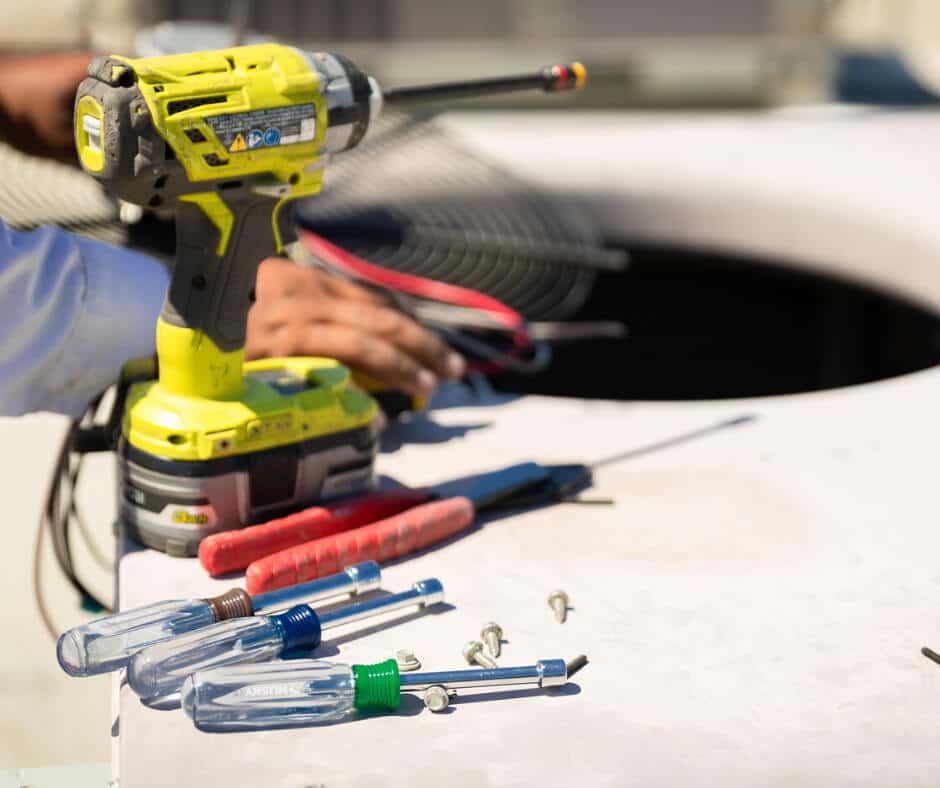
What Can Change Total Office Building Energy Efficiency Cost
- Building size and occupancy levels
- HVAC system type and efficiency ratings
- Lighting system type (LED vs traditional)
- Building automation system (BAS) capabilities
- Building age and insulation levels
- Operating hours and tenant behavior
- Rebates and incentives available
Office Building Energy Efficiency Decision Checklist
- Start with energy audit and benchmarking
- Install LED lighting and occupancy sensors
- Optimize HVAC system operation
- Educate tenants on energy-saving habits
- Consider solar panel installation
- Schedule regular HVAC maintenance
- Check local utility rebates and federal tax credits
- Monitor energy use and track savings
Typical Office Building Energy Efficiency Upgrade Costs in Las Vegas
Office building energy efficiency upgrade costs vary by project scope and building size. In Las Vegas, where cooling dominates:
- LED lighting retrofit: $2-5 per square foot
- Occupancy sensors: $50-150 per sensor
- Smart thermostat installation: $200-500 per unit
- HVAC system replacement: $15-30 per square foot
- Solar panel installation: $2-4 per watt
- HVAC maintenance contracts: $0.10-0.30 per square foot annually
Las Vegas cost drivers: Desert heat and dust require more frequent HVAC maintenance. Older buildings may need ductwork repairs or insulation upgrades. Peak installation season (spring/fall) may have higher demand. Utility rebates and federal tax credits can reduce upfront costs significantly.
Learn about available federal tax credits and rebates for energy-efficient HVAC equipment.
Prevention and Maintenance Tips for Las Vegas Office Buildings
Preventive maintenance protects efficiency and reduces energy costs, especially in Las Vegas:
- Regular filter changes: Replace HVAC filters every 1-3 months, especially during dust storm season
- Annual HVAC tune-ups: Schedule spring maintenance before temperatures exceed 90°F
- Coil cleaning: Clean indoor and outdoor coils annually to maintain efficiency
- Vent inspection: Ensure HVAC vents are unobstructed by furniture
- Lighting maintenance: Replace failed bulbs and sensors promptly
- Monitor energy bills: Track monthly costs to spot efficiency declines
- Tenant education: Communicate energy-saving policies and best practices
- Shade and window treatments: Use shades, blinds, or window tinting to reduce cooling load
Need HVAC Service in Las Vegas?
The Cooling Company provides expert HVAC service throughout Las Vegas, Henderson, and North Las Vegas. Our licensed technicians deliver honest assessments, upfront pricing, and reliable results.
Call (702) 567-0707 or visit commercial HVAC services, maintenance, installation, or AC repair for details.
Share This Page
Need Energy Efficiency Help for Your Office Building?
The Cooling Company can help you with energy-saving tips for your office building. We know you have a lot of things to worry about keeping your business running smoothly, which is why we are here to help! We will take care of all the details so that you can focus on what matters most, your customers.
Call (702) 567-0707 or visit commercial HVAC services to schedule. We serve downtown Las Vegas, Summerlin, Henderson, North Las Vegas, and the entire Las Vegas Valley. Our team specializes in commercial HVAC solutions that keep your office buildings running efficiently and comfortably.
We offer many different packages that include:- Service agreements
- Equipment maintenance contracts (parts and labor)
- Emergency response service plans
- Complete system designs and installation