

Short answer: AC bills spike when systems run long hours, move less air, or are the wrong size for the home. In Las Vegas, extreme heat, dust, and attic losses amplify those issues. The fastest fixes are filter changes, thermostat schedules, and sealing obvious duct leaks, followed by a professional tune-up.
Homeowners often find themselves in discussions about increasing monthly bills and expenses, and energy consumption, one of the most significant contributors is often the air conditioning system. Especially in the scorching hot summer months of Las Vegas, people residing in homes of similar sizes can experience radical differences in their electricity consumption. The culprit behind this disparity is frequently traced back to inefficient or improperly sized air conditioning units.
Local Essentials & Challenges in Las Vegas
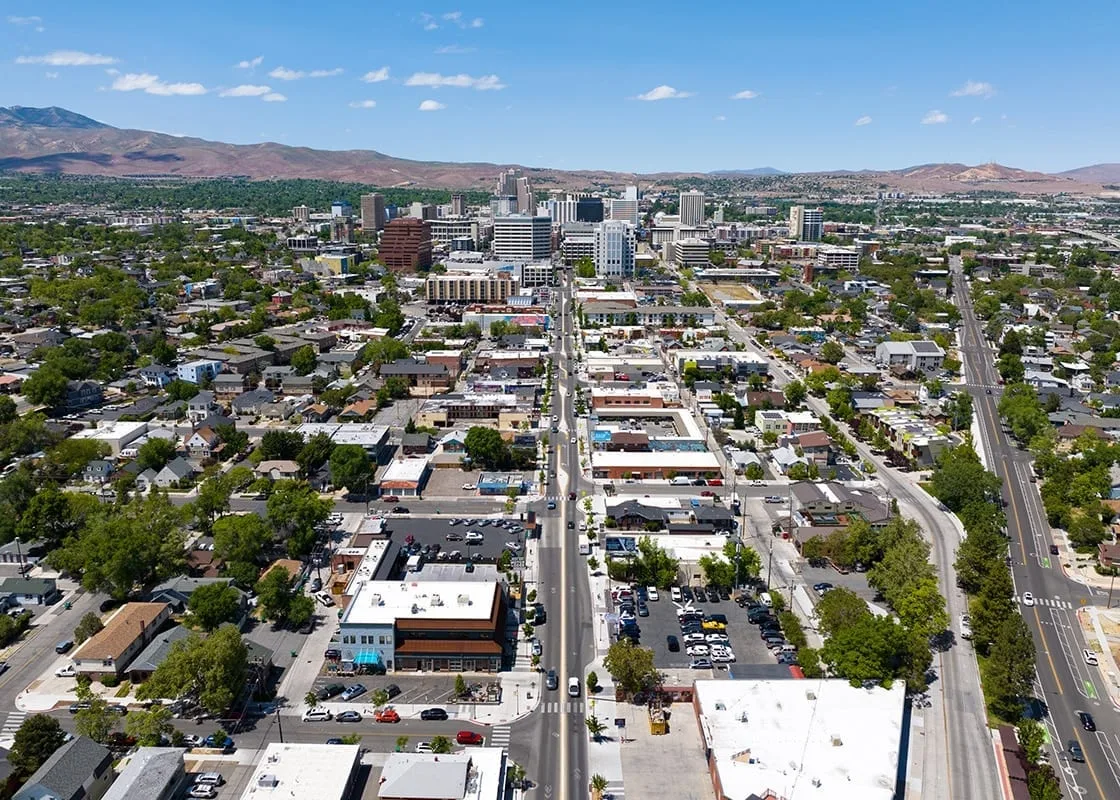
Las Vegas homes face long cooling seasons, high solar gain, and attic temperatures that can exceed 130°F. Desert dust clogs coils and filters faster, and many older homes have leaky ducts in hot attics that waste cooled air. These local factors make small efficiency losses show up quickly in monthly bills.The notion of "more power" is frequently overused air conditioner purchases, and this mindset can prove detrimental to homeowners. Eager salespeople sometimes capitalize on customers' fears, convincing them that only the most expensive units can deliver the desired cool air. However, the primary objective of these service industry workers is to boost profits at the expense of the consumer, often sacrificing potential energy savings in the process.
Another costly assumption many homeowners make pertains to the condition and capacity of the existing air conditioning unit when purchasing a used home. Unfortunately, people tend not to question the state of these units, and it's only when the utility bill skyrockets during the summer that they realize something may be amiss. Continuous or prolonged cycling of the air conditioning unit may indicate excessive energy consumption or that the unit is not adequately sized or designed for the home.
The mathematical equation for determining the appropriate load for a home takes into account a multitude of factors, with outdoor temperature being a crucial variable. A professional heating, ventilation, and air conditioning (HVAC) service technician is the expert at gathering and integrating all these factors into this complex equation. Additionally, upgrading to a programmable thermostat can significantly contribute to energy efficiency by allowing precise temperature control and scheduling.
Factors that affect the load calculation for your home include:
- Ductwork considerations: The efficiency of your ductwork directly affects how effectively your air conditioner can cool your home. Leaks, blockages, or poorly insulated ducts can lead to energy wastage.
- Location of heat-producing appliances: The proximity of heat-generating appliances like ovens, stoves, and dryers to your thermostat can cause it to inaccurately measure the temperature, leading to overcooling.
- Size and location of windows: Windows can contribute to heat gain in the summer and heat loss in the winter. Properly insulating and shading windows can help regulate indoor temperature.
- Type and thickness of insulation: Insulation is essential for maintaining a comfortable indoor temperature. Insufficient or poorly installed insulation can result in excessive energy consumption.
However, taking a proactive approach and contacting our HVAC professionals at The Cooling Company can help you reverse the tide of escalating monthly utility bills and enhance your overall energy savings. Their expertise can guide you toward the right-sized and efficient air conditioning system, ensuring both comfort and cost savings for your home. So, don't let your air conditioner strain your monthly budget; take control of your energy usage with the help of experts in the field.
Cost Drivers Behind High AC Bills
- Oversized or undersized systems: Short cycling or nonstop runtime raises costs.
- Dirty coils and filters: Restrict airflow and increase compressor workload.
- Leaky ductwork: Cooled air escapes into hot attic spaces.
- Poor insulation: Heat gain through the attic forces longer runtimes.
- Thermostat habits: Large setpoint swings and constant manual adjustments.
Decision Guidance: What to Fix First
- Start today: Replace filters, clear debris, and set a stable schedule.
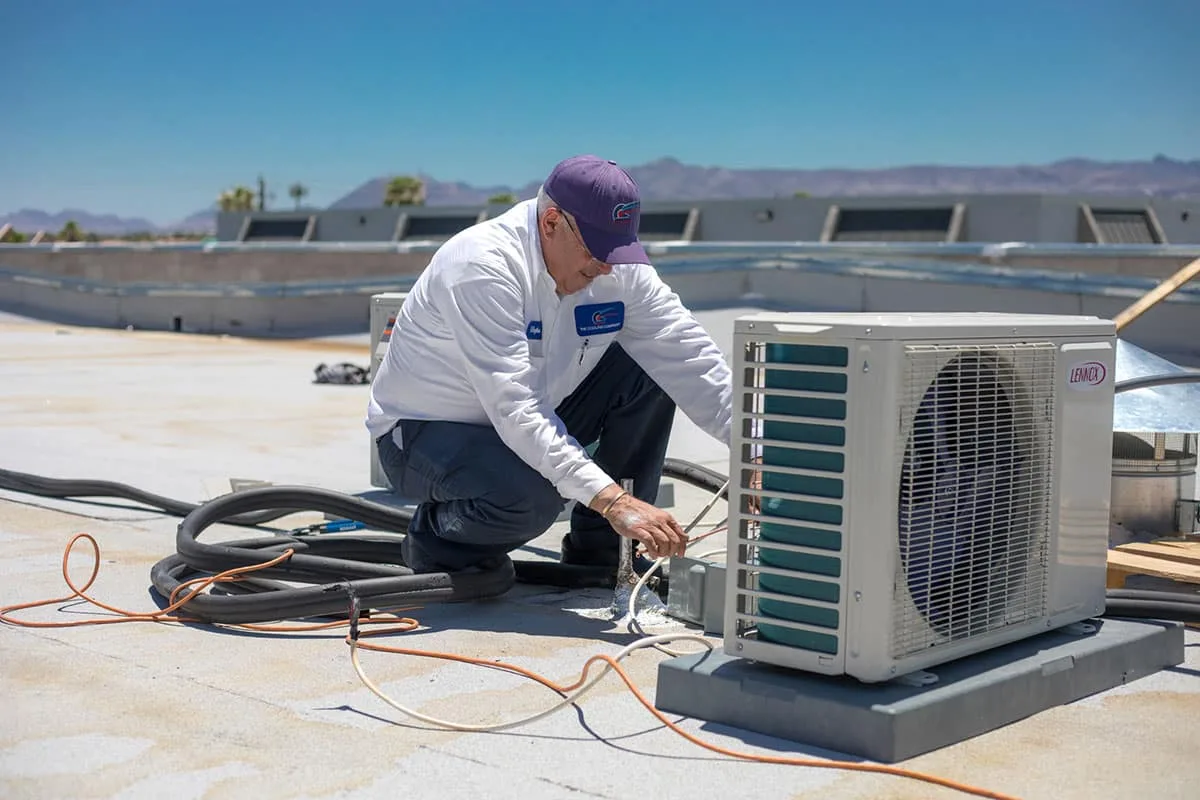
- Next step: Schedule a tune-up to verify refrigerant charge and airflow.
- Upgrade: If the unit is 12–15+ years old or severely oversized, consider replacement.
Prevention: Keep Bills Predictable
Use programmable or smart thermostats with modest setbacks, change filters monthly during peak summer, and rinse the outdoor unit if dust is visible on the fins. Pair these steps with annual maintenance to catch small issues before they create big utility spikes.Neighborhood Notes for Bill Reduction
Older homes in Paradise, Downtown Las Vegas, and Sunrise Manor often see big savings from duct sealing and added attic insulation. Newer builds in Summerlin and Henderson usually benefit most from airflow checks, thermostat optimization, and filter upgrades. In North Las Vegas, wind-driven dust makes outdoor coil cleaning a recurring need.Trust & Guarantees
- Serving Las Vegas since 2011 with 55+ years of combined experience
- Licensed, EPA-certified technicians
- 100% satisfaction guarantee and transparent estimates
- BBB A+ rating and Lennox Premier Dealer credentials
Service Area Map
Understanding Your Las Vegas Energy Bill Structure
NV Energy's rate structure significantly impacts how AC usage affects your monthly costs. Understanding these details helps you optimize thermostat settings and reduce bills:
Time-of-Use Pricing: NV Energy offers time-of-use plans where electricity costs more during peak hours (typically 1-7 PM in summer). Running your AC during these hours can cost 30-50% more per kilowatt-hour than off-peak times. Program your thermostat to pre-cool your home before 1 PM, then raise the setpoint 2-3°F during peak hours to cut costs without sacrificing comfort.
Tiered Rate Structure: As you use more electricity, the per-kilowatt-hour cost increases. Your first 800 kWh might cost $0.11/kWh, but usage above that threshold jumps to $0.14-0.16/kWh. An oversized AC that short-cycles wastes energy and pushes you into higher tiers faster. Proper sizing and efficiency improvements keep you in lower rate tiers.
Demand Charges: Some residential plans include demand charges based on your highest usage spike during the billing period. An inefficient AC that draws excessive power during startup can increase your monthly bill even if total usage isn't extreme. Maintenance that keeps your system running efficiently reduces these spikes.
Summer Baseline Comparison: Review your bills from May-September across multiple years. If your summer usage increased 20-30% while cooling habits stayed the same, your system efficiency has declined. Common causes include dirty coils, low refrigerant, or duct leaks that waste cooled air.
Quick Wins: Immediate Actions to Lower Your AC Bill
Start with these no-cost or low-cost improvements that deliver immediate savings:
Thermostat Adjustments (Free): Raise your setpoint from 72°F to 76-78°F when home, and 80-82°F when away. Each degree above 72°F saves 3-5% on cooling costs. On a $400 summer bill, raising the thermostat 4 degrees saves $50-80 monthly. Use ceiling fans (set to counterclockwise) to maintain comfort at higher temperatures—fans make rooms feel 4-5°F cooler through air movement.
Filter Replacement ($5-20): A clogged filter restricts airflow, forcing your AC to run 15-30% longer to achieve the same cooling. Replace 1-inch filters monthly during summer (May-September) or upgrade to 4-inch pleated filters that last 3-6 months and improve airflow. In Las Vegas's dusty environment, clean filters are essential—check them monthly and replace when visibly dirty.
Outdoor Unit Cleaning ($0-50): Turn off power at the disconnect, then gently rinse the condenser coils with a garden hose from inside-out to remove dust and debris. Dirty condenser coils reduce cooling capacity by 20-30%, making your AC work harder and run longer. Clean the unit in spring before peak heat and again in fall after monsoon season when dust storms are common.
Seal Air Leaks ($20-100): Check windows and doors for gaps where cooled air escapes. Use weatherstripping on doors and caulk around window frames to seal leaks. Focus on south and west-facing windows where afternoon sun heats your home most. Sealing leaks can reduce cooling load by 10-20%, especially in older homes built before modern energy codes.
Window Coverings ($50-300): Close blinds or curtains on south and west windows during afternoon hours (12-7 PM) when sun exposure is highest. Light-colored window coverings reflect heat better than dark colors. For maximum savings, install cellular or honeycomb shades that trap air and insulate—they reduce heat gain through windows by 40-60% and pay for themselves within 1-2 summers.
Ceiling Fan Usage ($0): Run ceiling fans counterclockwise during summer to push air down and create a cooling breeze. Fans use 30-50 watts compared to 3,000-5,000 watts for AC systems. Using fans lets you raise the thermostat 4-5°F while maintaining comfort, saving $40-70 monthly on a typical Las Vegas summer bill.
Long-Term Solutions for Persistent High Bills
If quick fixes don't resolve high bills, consider these more substantial improvements:
Duct Sealing and Insulation ($800-2,500): Leaky ducts waste 20-40% of cooled air in Las Vegas homes, especially when ducts run through 140°F+ attics. Professional duct sealing and insulation pays for itself in 2-4 years through lower energy bills. Signs you need duct work include uneven room temperatures, excessive dust, and bills that seem high despite moderate thermostat settings.
Attic Insulation Upgrade ($1,500-3,500): Many Las Vegas homes built before 2000 have inadequate attic insulation (R-19 or less). Upgrading to R-38 or R-49 reduces heat gain by 30-50%, cutting AC runtime significantly. Insulation improvements often qualify for NV Energy rebates that offset 15-30% of costs. Check indoor air quality solutions that include insulation upgrades.
System Replacement ($5,000-12,000): If your AC is 12-15+ years old, replacement with a high-efficiency model (16+ SEER2) can cut cooling costs by 30-50%. Modern systems also include better humidity control, quieter operation, and improved airflow. Replacement makes financial sense when annual repair costs exceed $500-800 or when efficiency is noticeably declining. Check our AC installation guide for sizing and efficiency recommendations.
Smart Thermostat Installation ($200-400): Programmable and smart thermostats optimize cooling schedules based on your habits, weather forecasts, and utility rate structures. They can reduce cooling costs by 10-20% through automated setpoint adjustments, pre-cooling strategies, and remote access. Many Las Vegas homes save $30-60 monthly during summer with proper thermostat programming—check our thermostat upgrade options.
Share This Page
Related service: Want to lower your energy bills? Explore our AC maintenance and energy-efficient AC installation services for Las Vegas homeowners.
Need HVAC Service in Las Vegas?
The Cooling Company provides expert HVAC service throughout Las Vegas, Henderson, and North Las Vegas. Our licensed technicians deliver honest assessments, upfront pricing, and reliable results.
Call (702) 567-0707 or visit AC repair, maintenance, heating, or installation for details.