

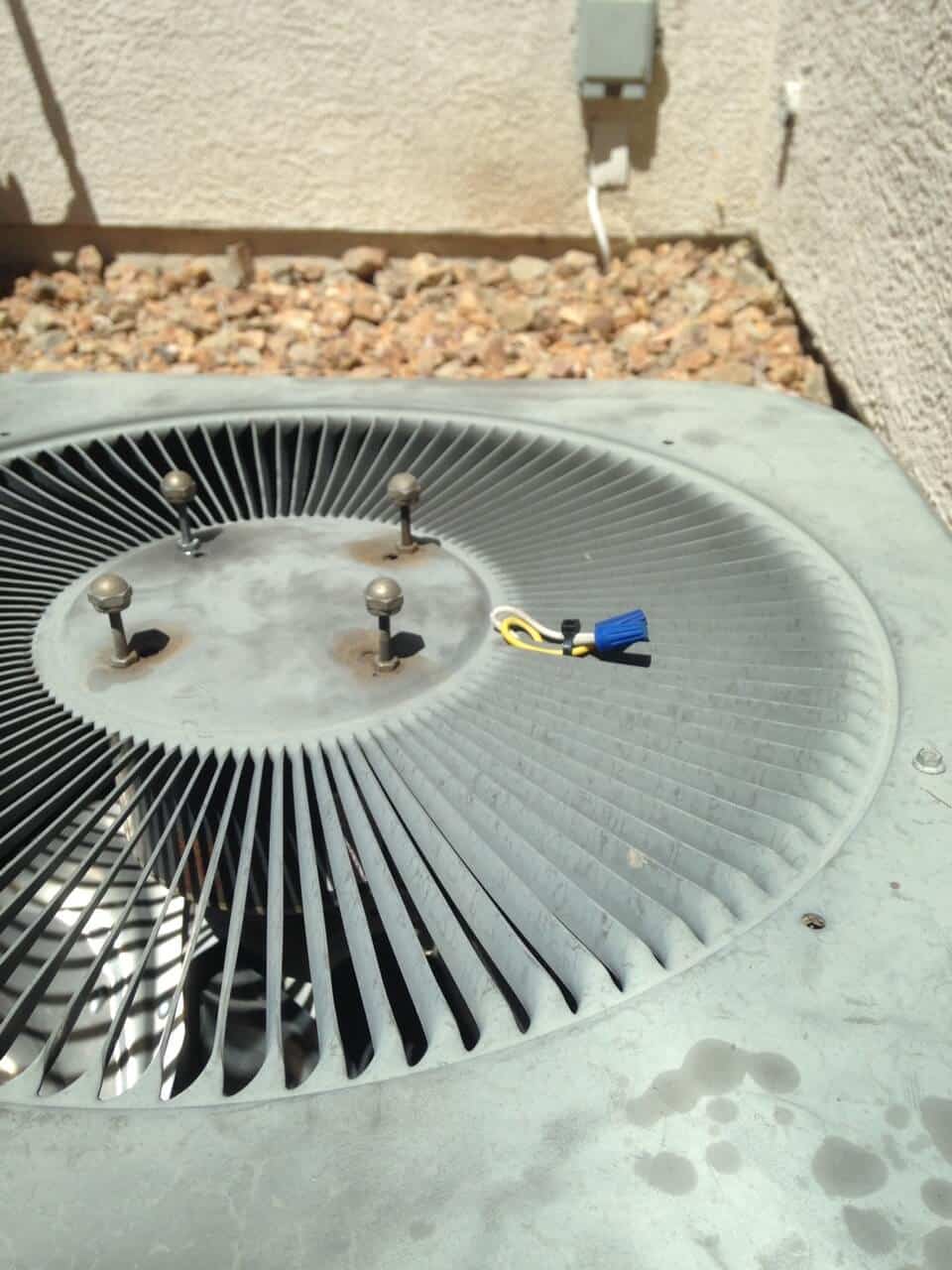
Short answer: Commercial AC maintenance costs depend on unit count, access, and visit frequency. In Las Vegas, where peak summer demand and desert dust accelerate wear, preventive plans ($300-1,200 per RTU per visit) usually cost less than emergency repairs. Well-executed PM can reduce energy costs by 8-12% and prevent costly breakdowns during heat waves.
What can change maintenance cost
- Number of units, tonnage, and equipment type
- Rooftop access and safety requirements
- Filter and coil cleaning frequency
- After-hours scheduling and response SLAs
- Controls testing and reporting scope

Las Vegas Essentials & Challenges
Las Vegas commercial systems face extreme rooftop temperatures, abrasive dust, and long runtime windows that accelerate wear. Heat waves can push units to 12–16 hours of daily operation, and rooftop access restrictions often add labor time and safety requirements. These local realities make preventive maintenance cadence and clear SLAs more important than in cooler markets.
Plan preventive care, simple controls fixes, and measured part replacements to cut commercial AC costs. Focus on coil cleaning, filter changes, refrigerant management, and controls tuning. Use fixed PM pricing, clear SLAs, and KPIs like kW/ton to spot savings. These steps reduce emergency work and lower energy bills. (Building America Solution Center HVAC Guides)
Las Vegas commercial context: The desert climate creates unique challenges for commercial HVAC systems. Extreme summer heat (110°F+) forces systems to run 12-16 hours daily, accelerating wear on compressors, coils, and motors. Desert dust storms can clog filters and coils within days, reducing efficiency by 10-20%. Monsoon season (July-September) brings high humidity that can cause condensation issues. Peak demand during heat waves makes response time and SLA clarity critical—downtime during business hours costs far more than preventive maintenance. Commercial facilities in Las Vegas typically see 20-30% higher maintenance needs compared to moderate climates.
Key Takeaways
- Typical RTU PM visit: $300–$1,200 per unit per visit; annual PM varies by visit count.
- Chiller PM ranges: $3,000–$25,000 for small to medium chillers; large overhauls cost much more.
- Track kW/ton, chilled-water ΔT, run-hours, and refrigerant events to control costs and timing.
- Fixed-price PM and clear SLAs cut emergency markups and make budgets predictable.
Decision Guidance: Preventive Plan vs. Reactive Repairs
If your site has more than one rooftop unit, pays after-hours premiums, or sees tenant complaints during summer, a fixed preventive plan is usually cheaper over a year than reactive calls. For small portfolios with low runtime, per-visit PM may fit better, but set a trigger: if emergency calls exceed two per season, switch to a defined PM scope with KPI reporting.
Why budget for commercial AC maintenance?
Budgeting for commercial AC cuts surprise failures and uncontrolled costs. Routine care keeps compressors and coils running near peak efficiency. Planned programs set expected yearly spend and let you compare bids. Predictable spend helps managers plan capital and avoid emergency markups. For a broader overview of commercial system types and costs, see our commercial HVAC systems guide.
A proper budget includes PM fees, expected repairs, refrigerant reserves, and planned replacements. Use past invoices and runtime data to set amounts. Create a reserve for seasonal spikes and out-of-hours work. This approach limits downtime and supports longer equipment life.
Regular budgeting helps spot trends like rising repair frequency or energy use. Compare kW/ton year over year to find hidden losses. Early repairs sometimes avoid large failures. This practice helps decide when to repair or replace equipment.
What are typical annual commercial maintenance costs?
Small rooftop unit programs often run $600–$4,800 per unit per year. Costs vary by visit frequency and included tasks. Chillers typically need $3,000–$25,000 annually for routine care depending on size and scope. Portfolio programs for mid-size offices commonly land between $5,000 and $60,000 per year. Compare these with our breakdown of commercial HVAC maintenance costs for additional benchmarks.
Use these ranges as benchmarks and adjust for local labor rates. Big-ticket items like compressor rebuilds or bearing jobs add large one-off costs. Track totals per ton or per 1,000 ft2 for fair comparisons across sites.
How much can preventive maintenance save energy?
Well-executed PM commonly reduces HVAC energy by 8%–12% in poor baseline systems. Savings come from cleaner coils, correct refrigerant charge, and tuned controls. Small fixes such as coil cleaning and sensor calibration often deliver the quickest payback for the least cost. Our guide on commercial HVAC maintenance best practices covers these steps in detail.
Measure before and after PM to verify gains. Use a baseline week of data and then compare kW/ton and run-hours. Conservative savings assumptions help avoid overstated ROI while still showing value.
How to compare commercial service proposals?
A clear buying process reduces hidden costs and makes bids comparable. Start with an asset list that notes age, runtime, and control type for each unit. Require line-item pricing so you can see labor, parts, and refrigerant charges separately.
Add KPI targets and reporting requirements into the scope. Ask vendors for sample reports and a fixed PM price. Include response times, parts markup caps, and escalation steps for missed SLAs.
What should a clear commercial scope include?
A strong scope lists filter schedules, coil cleaning frequency, and control checks for each unit. Include refrigerant pressure checks, sensor tests, and basic electrical inspections. Define acceptance criteria such as expected ΔT and kW/ton ranges so vendors know success metrics.
Require documented findings with photos and a list of recommended corrective actions. Demand monthly or quarterly reports that show trends and open corrective items. Insist on pre-authorization thresholds for repairs above a set dollar value.
How do SLAs limit emergency costs?
Service level agreements set guaranteed response times and define after-hours rates. They cap downtime exposure and limit expensive same-day markups. Critical systems often need short response windows and penalty clauses for missed targets. (Building America Solution Center HVAC Guides)
Define what counts as an emergency and include clear repair authorization paths. Ask for a vendor commitment on technician skill level for critical systems. Well-written SLAs reduce surprises and keep emergency costs in check.
Which pricing model saves most long term?
Fixed-price PM with defined inclusions often saves over time versus time-and-materials billing. This model removes bill shock and simplifies budgeting. For larger portfolios, managed service agreements or blended contracts can spread risk and smooth expenses.
Confirm what the fixed price covers and what triggers extra charges. Include routine parts, basic refrigerant top-offs, and diagnostic testing if possible. Compare total cost of ownership when you evaluate options.
Check our HVAC pricing guide for current cost estimates.
What warranty terms matter most?
Parts warranty length and labor warranty for repairs protect you from repeat failures. Check whether warranty covers refrigerant work and who pays for pre-existing problems. Longer warranties reduce the chance of follow-up charges for the same fault.
Request written warranty terms and verify who is liable for third-party parts. Ask how warranty service is handled out of hours. Clear warranty language avoids disputes after repairs.
How to verify contractor certifications?
Require EPA 608 certification for refrigerant work and NATE or equivalent for technician skill. For chillers, ask for manufacturer-specific factory certifications when available. Request copies of certificates before work starts and record them in the contract.
Also check contractor insurance and bonding. Confirm workers compensation and general liability levels. These items protect your site and reduce risk in case of damage or injury.
When should you repair or replace units?
Evaluate age, efficiency, and reliability when you decide to repair or replace. Older units often need more frequent repairs and lose efficiency over time. Compare three-year repair costs plus energy spend against replacement cost to find the better value.
Use KPIs to guide the decision. Track run-hours, emergency call frequency, kW/ton, and chilled-water ΔT. If repair costs approach 40%–60% of replacement cost, replacement often makes sense.
What age indicates replacement is best for commercial units?
Rooftop units often need replacement after 12–18 years due to wear and outdated refrigerants. Chillers may run longer but become costly to repair after 15–25 years. Age alone does not tell the whole story; service history and efficiency matter too.
Also include refrigerant risk in your decision. If the unit uses phased-out refrigerant and has leaks, retrofit or replace sooner. Factor in manufacturer support and availability of parts as equipment ages.
How to calculate repair vs replace ROI?
Add expected repair cost over a 3-year horizon to projected energy and downtime costs. Compare that sum to the full replacement cost less any incentives. Include installation downtime, control upgrades, and commissioning in the replacement estimate.
If the repair path costs 40%–60% of replacement, replacement usually wins. Use conservative energy savings and include likely incentive amounts. Monte Carlo-style sensitivity checks help managers see risk ranges.
Use our energy savings calculator to estimate your potential savings.
What are typical replacement price ranges?
Small RTU replacements often cost $2,500–$10,000 per ton installed. Small chillers can range from $50,000 to $200,000 depending on type and controls. Large central plants may cost $200,000 to over $1,000,000 depending on scope.
Site specifics like roof work, control integration, and crane access change costs a lot. Always get at least three detailed bids and normalize scope to compare apples to apples.
How does efficiency affect life-cycle cost?
Higher efficiency lowers kW/ton and reduces operating cost over time. Improved controls like VFDs and optimized sequences often pay back faster than full equipment swaps. Measure lifecycle cost over 10–15 years for capital planning. (Building America Solution Center HVAC Guides)
Factor in maintenance needs for higher-efficiency systems. New equipment sometimes needs more diagnostic attention early on. Include projected repair burn rates in levelized cost models.
Which control upgrades cut energy use most?
Adding VFDs on fans and pumps reduces motor energy during part-load conditions. Correct economizer operation often removes compressor runtime on mild days. Better BAS sequences and scheduling stop wasteful runtime during nights and weekends.
Metering and fault detection pinpoint issues and avoid long-term losses. Target control fixes when units show poor ΔT or repeated short cycling. These upgrades are often high ROI compared to full replacements.
How often do coils need professional cleaning?
Dusty or humid sites should clean coils semi-annually. Moderate sites can schedule annual coil cleaning. Dirty coils cut heat transfer and raise compressor work, which increases energy costs by several percent.
Inspect coils during spring maintenance and after any renovation work. Use spray and brush methods recommended by the coil maker. Track before-and-after ΔT to confirm the benefits.
When is a refrigerant retrofit necessary?
Retrofit is necessary when the installed refrigerant is phased out or when leaks make supply unreliable. Retrofit also makes sense if new refrigerants offer clear efficiency gains that shorten payback. Always weigh retrofit cost versus full replacement.
Hire EPA-certified contractors for refrigerant work only. Plan for pressure and oil changes, and for controls tuning after a retrofit. Manufacturer guidance and approved retrofit kits keep risks low.
What incentives reduce replacement cost?
Utility rebates, tax credits, and state programs often reduce upfront cost for efficient chillers and controls. Rebates can range from a few hundred to many thousands of dollars per ton. Check local utility programs before final bids.
You may qualify for federal tax credits that reduce your upfront cost.
Include incentive timing and payback in your ROI model. Some programs need pre-approval before work starts. Track the application steps to avoid losing available funds.
Which KPIs guide capital decisions?
Track kW/ton, chilled-water ΔT, run-hours, and emergency repair frequency to spot units nearing replacement. Use trends over 12–24 months for robust decisions. Compare KPIs to vendor acceptance criteria in your PM scope.
Add cost KPIs such as repair cost per ton and emergency calls per year. These metrics help justify capital budgets and prioritize projects that yield the largest lifecycle gains.
What simple measures cut pre-summer costs?
Small steps before summer lower energy and reduce failures. Focus on filters, coils, controls, and refrigerant checks for quick wins. These fixes cost little and often pay back within weeks.
Plan pre-season checks 2–4 weeks before peak cooling starts. That timing gives vendors room to fix items and verify controls before heavy loads begin. This approach prevents peak-day failures and high emergency fees.
How can filter changes lower energy use?
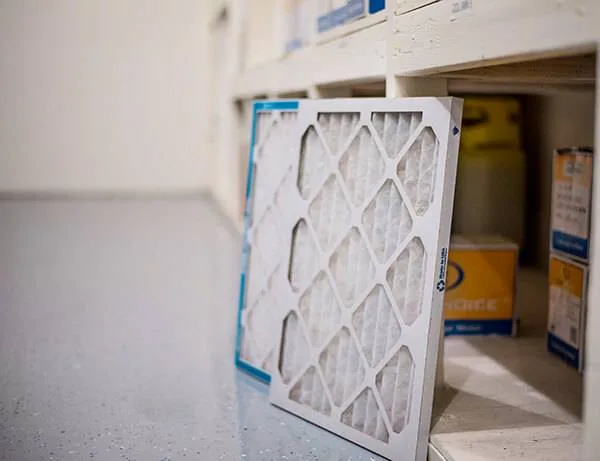
Clean filters improve airflow which reduces fan power and keeps coils effective. Inspect disposable and washable filters monthly during busy season. Replacing clogged filters is inexpensive and restores designed airflow quickly.
Keep a filter stock list on site to avoid delays. Record filter type and MERV rating so replacements match design. Good filter habits prevent compressor short cycling and raise system reliability.
What savings come from coil cleaning?
Coil cleaning restores heat transfer and lowers compressor workload. Typical savings vary with baseline dirtiness but often show 5%–15% efficiency gains. Sites in dusty or coastal areas usually see higher gains than clean sites. (Building America Solution Center HVAC Guides)
Measure ΔT and kW/ton before and after coil cleaning to verify savings. Prioritize coils that show poor ΔT or low airflow for the biggest payback.
How to optimize controls before summer?
Update schedules and confirm setpoints match occupancy patterns. Test economizer operation and ensure dampers respond correctly. Validate BAS alarms and sensor accuracy so faults trigger before comfort is lost.
Tune setback sequences and peak pricing responses where applicable. Document changes and make rollback plans in case a new setting causes issues during the first hot days.
How to build a realistic maintenance budget?
Create a budget that includes PM, planned replacements, refrigerant reserves, and contingency. Use past invoices, equipment age, and run-hours to forecast future needs. Store data in a CMMS or simple spreadsheet to refine numbers over time.
Annualize major overhaul costs by dividing them over expected life. This smooths budget impact and prevents one-year spikes. Review assumptions yearly and update for actuals to improve forecast accuracy.
How to annualize PM and repair costs for commercial systems?
Sum annual PM fees, average historical repairs, and planned overhauls to form a base budget. Divide large overhaul costs by expected life to smooth the annual number. Update figures annually with actuals to reduce variance.
Track spend per ton and per 1,000 ft2 to compare sites. This normalization helps identify outliers that need deeper review. Use those metrics to negotiate vendor pricing or to shift work to better contractors.
What contingency percent covers emergencies?
Reserve 10%–20% of the HVAC budget for typical emergencies. Critical sites should hold 20%–30% given higher risk. Contingency covers refrigerant events, compressor failures, and out-of-hours response fees.
Adjust contingency by site criticality and redundancy. Sites with multiple chillers and N+1 redundancy can use lower reserves. Single-chiller sites need higher buffers to cover replacement risks.
How to estimate refrigerant expense?
Track past refrigerant purchases and leak events to forecast future needs. Multiply expected leak events by current refrigerant cost and add technician hours. Include a retrofit reserve for phased-out blends if needed.
For large systems, store small spare cylinders and leak detection materials to reduce emergency procurement time. Budget for recovery, rework, and pressure testing after major leaks.
What is typical cost per ton?
Installed RTU equipment often runs $2,500–$10,000 per ton depending on features and controls. Service and PM usually bill per unit or per ton based on vendor practice. Use per-ton metrics to benchmark portfolios fairly.
Normalize costs by climate and run-hours to avoid misleading conclusions. Two identical rooftop units in different climates will show very different service needs and energy use.
Which contract types fit different budgets?
Small portfolios often work well with per-visit PM pricing and pay-as-you-go repairs. Larger portfolios benefit from fixed annual contracts or managed services to limit surprise bills. Choose based on your risk tolerance and capital plan.
Include performance reporting and KPIs in larger contracts to ensure value. Ask for transition and termination terms to avoid lock-in with poor performers.
How does visit frequency change costs?
More visits raise PM cost but reduce emergency repairs and long-term energy loss. Two visits per year is a common baseline for many RTUs. Critical systems may justify quarterly visits or continuous monitoring. (Building America Solution Center HVAC Guides)
Pilot higher frequency on problem units to verify payback. Use data from increased visits to see fewer failures and lower energy use. Adjust frequency after the trial period.
What KPIs track contractor performance?
Monitor on-time response rate, completed checklist rate, and corrective work backlog to measure delivery. Track kW/ton trends and invoice variance to assess quality and billing accuracy. Require monthly reports tied to SLAs to verify promised value.
Ask for sample reports during procurement to verify format and usefulness. Data that is hard to read often hides real problems and reduces transparency.
How to benchmark costs against peers?
Compare PM and repair spend per ton or per 1,000 ft2 against industry reports. Normalize for climate and operating hours to make fair comparisons. Use vendor benchmarks if available and adjust for building type.
Peer benchmarking highlights outliers that need review. When costs or failures exceed peers by a wide margin, dig into coil conditions, refrigerant health, and control performance.
How to document scope to avoid extras?
Include line-item pricing, excluded items, and approval thresholds in your contract to avoid surprise charges. Spell out parts markup caps and after-hours rates. Define who approves emergency work above set dollar levels.
Require pre-authorization for repairs that exceed the threshold. This process stops vendors from performing costly extras without your consent. Keep the approval path simple for urgent events.
What invoicing red flags indicate overcharges?
Watch for vague descriptions, large miscellaneous fees, and unexplained parts markups. Repeated after-hours charges for routine items often signal poor planning. Ask for timecards and parts receipts on large invoices.
Set a review cadence and a list of suspicious items for your accounts team. This habit catches billing drift and saves money over time.
How to use lifecycle numbers in budgets?
Amortize replacement costs over expected life and add estimated repair burn rate to get lifecycle totals. Use those totals to prioritize capital projects and to back funding requests. This method shows real cost per year for each unit.
Include incentives and energy savings in lifecycle models. Conservative assumptions make capital cases more credible and reduce risk of overruns.
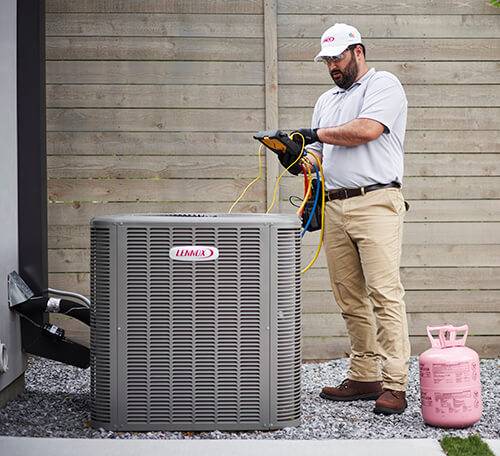
Prevention and Maintenance Tips for Las Vegas Commercial Facilities
Regular maintenance schedule:
- Monthly: Filter inspection and replacement; check for dust buildup after storms
- Quarterly: Coil cleaning and inspection; controls testing and optimization
- Pre-summer (April-May): Comprehensive system check, refrigerant charge verification, economizer testing
- Post-summer (October-November): End-of-season inspection and any deferred repairs
- Annual: Full system audit with energy analysis and efficiency recommendations
Las Vegas-specific prevention: Desert dust requires aggressive filter management—consider upgrading to higher-MERV filters or electronic air cleaners. After dust storms, inspect and clean coils immediately. During monsoon season, ensure condensate drains are clear. Schedule maintenance before peak summer to avoid breakdowns during heat waves when emergency rates are highest. Track energy usage monthly—sudden increases may indicate maintenance needs.
Call to action: How can The Cooling Company help you today?
If you operate in Las Vegas, Henderson, or North Las Vegas, call The Cooling Company at (702) 567-0707 for a clear PM proposal and SLA options. Ask for NATE-certified technicians and a scope that lists kW/ton targets and response times. This call gets you a baseline audit and written recommendations.
Why choose The Cooling Company for commercial HVAC maintenance:
- Licensed, NATE-certified technicians with EPA 608 certification for refrigerant work
- Fixed-price PM contracts with clear scope and SLA guarantees
- Comprehensive reporting with kW/ton tracking and energy analysis
- Fast response times with priority scheduling for critical systems
- Experience with all commercial equipment types and desert climate challenges
- Transparent pricing with written estimates and no surprise charges
- Serving Las Vegas, Henderson, North Las Vegas, and surrounding commercial areas
Call (702) 567-0707 today to schedule your commercial HVAC maintenance consultation. We also offer AC repair and AC installation services. Outside our area, ask prospective vendors for NATE-certified techs and EPA 608 certification for refrigerant work. Use KPIs and sample PM reports when you compare bids.
How to choose a commercial contractor today?
Start by checking certifications, insurance, and local references. Ask for sample PM reports and proof of manufacturer or chiller certifications when specific models need work. Require a written scope with KPIs and response times to make fair comparisons.
Also compare spare parts policies and emergency response offerings. Vendors with clear SLAs and fixed PM pricing usually make budgeting easier and reduce surprise charges.
Next steps and contact info
Gather equipment lists, past invoices, and runtime data before you call for proposals. This information speeds up quotes and makes vendor comparisons fair. Keep a list of priority units to focus the initial audit.
If you are in Las Vegas, Henderson, or North Las Vegas, contact The Cooling Company at (702) 567-0707 today. Outside the area, ask for NATE-certified technicians and EPA 608 certification when you request proposals.
Las Vegas Commercial Maintenance Checklist
Use this checklist when evaluating commercial AC maintenance for Las Vegas facilities:
- Pre-season preparation: Schedule spring maintenance 2-4 weeks before peak cooling (April-May)
- Filter management: Plan monthly filter changes during peak season; more frequent after dust storms
- Coil cleaning: Schedule semi-annual coil cleaning (spring and fall) due to desert dust
- Refrigerant monitoring: Track refrigerant levels and leaks; budget for higher consumption in extreme heat
- Controls optimization: Verify economizer operation and setpoint schedules before summer
- Emergency response: Establish clear SLAs with guaranteed response times for critical systems
- Energy tracking: Monitor kW/ton and compare year-over-year to spot efficiency losses
- Budget planning: Allocate 10-20% contingency for emergency repairs during heat waves
Las Vegas-Specific Cost Considerations
- Desert dust impact: More frequent filter changes and coil cleaning add 15-25% to maintenance costs
- Extended runtime: Systems run 12-16 hours daily in summer, increasing wear and part replacement frequency
- Peak demand premiums: Emergency service during heat waves may cost 50-100% more than scheduled maintenance
- Rooftop access: Extreme heat (140°F+ on rooftops) requires safety protocols that may add to labor costs
- Energy savings potential: Well-maintained systems can save 8-12% on energy bills, offsetting maintenance costs
Las Vegas Commercial Note
Peak summer demand makes response time and SLA clarity critical for local facilities. Desert dust and extreme heat accelerate wear, making preventive maintenance essential to avoid costly breakdowns during business hours.
Neighborhoods We Commonly Serve
- Downtown Las Vegas
- Summerlin
- Spring Valley
- Henderson
- North Las Vegas
- Airport Corridor
Trust & Guarantees
- Serving Las Vegas since 2011
- 55+ years combined experience
- Licensed, EPA-certified technicians
- 100% satisfaction guarantee
- BBB A+ rated
- Lennox Premier Dealer
Find Us on the Map
Need HVAC Service in Las Vegas?
The Cooling Company provides expert HVAC service throughout Las Vegas, Henderson, and North Las Vegas. Our licensed technicians deliver honest assessments, upfront pricing, and reliable results.
Call (702) 567-0707 or visit commercial HVAC, AC maintenance, AC repair, or installation for details.
Share This Page
About The Cooling Company
The Cooling Company has been serving the Las Vegas valley with professional HVAC services for over a decade. Our team of licensed, NATE-certified technicians specializes in air conditioning repair, heating system maintenance, and complete HVAC installations. We're committed to providing honest, reliable service with upfront pricing and a 100% satisfaction guarantee on all work performed.
- Phone: (702) 567-0707
- Reviews: 4.8/5 stars (780+ reviews) - See reviews
Service Areas
We proudly serve homeowners and businesses throughout the Las Vegas metropolitan area, including Las Vegas, Henderson, and North Las Vegas. Our service technicians are available for same-day appointments in most areas, with emergency service available 24/7 for urgent HVAC issues.
References
- U.S. Department of Energy (Energy.gov) (accessed 2026-01-03)
- U.S. Environmental Protection Agency (EPA) (accessed 2026-01-03)
- ASHRAE (Standards and guidance) (accessed 2026-01-03)
- ENERGY STAR (Heating & cooling) (accessed 2026-01-03)