

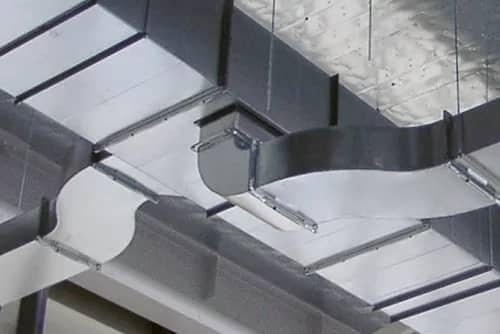
Short answer: Commercial HVAC systems account for roughly 40% of total building energy use, with improving efficiency able to reduce energy expenses by 20–40%. In Las Vegas, commercial buildings face extreme heat loads (110°F+ summer days requiring 8–12 hours daily runtime), desert dust requiring monthly filter checks and quarterly coil cleaning, monsoon season impacts on condensate systems, and peak demand charges that make preventive maintenance essential for controlling energy bills. Initial installation costs range from $2,500–$5,000 per ton for RTUs to $3,500–$8,000 per ton for central plant systems, with NV Energy rebates available for efficient upgrades.
Learn about available federal tax credits for energy-efficient HVAC equipment.
Check our HVAC pricing guide for current cost estimates.
Las Vegas essentials and commercial HVAC challenges
Las Vegas properties range from Strip-adjacent hotels to distribution centers and medical offices, each with different ventilation and zoning needs. Long cooling seasons, roof exposure, and desert dust demand more frequent filter and coil care, while NV Energy demand charges make part-load efficiency and controls strategy essential for controlling operating costs.
Heating, ventilation, and air conditioning (HVAC) systems are the backbone of climate control in commercial buildings, playing a critical role in occupant comfort, air quality, and energy consumption. In the United States alone, HVAC systems account for roughly 40% of the total energy used by buildings, underscoring their significance in both operational costs and environmental impact. As businesses seek to optimize their energy use and comply with evolving regulations, understanding the complexities and opportunities within commercial HVAC becomes essential. This guide explores the fundamentals of commercial HVAC systems, cost considerations, and strategies for maintenance and optimization, helping facility managers and business owners make informed decisions. For a deeper look at energy consumption trends, the latest research on building energy use offers valuable insights.
Understanding Commercial HVAC Systems
Commercial HVAC systems differ significantly from residential setups due to their scale, complexity, and the diverse needs of large buildings. These systems are designed to efficiently manage heating, cooling, ventilation, and air quality across multiple zones and floors, often integrating with building automation systems for enhanced control. The complexity of these systems is often dictated by the specific requirements of the building, such as occupancy levels, usage patterns, and local climate conditions. For instance, a high-rise office building will have different HVAC demands compared to a manufacturing facility or a hospital, necessitating tailored solutions that can adapt to varying operational needs.Las Vegas commercial HVAC context: In Las Vegas, commercial buildings face unique challenges including extreme heat loads (110°F+ summer days), desert dust that fouls coils and filters faster than in milder climates, monsoon season humidity spikes that stress condensate systems, and peak demand charges that can make up a large share of monthly energy bills. These factors require more frequent maintenance, higher-efficiency equipment, and strategic scheduling to avoid peak demand penalties. Commercial HVAC systems here typically run 8–12 hours daily during peak cooling season (June–September), accelerating wear on components and making preventive maintenance critical.
Try our energy savings calculator to see how much you could save.
Adopting advanced technologies such as smart sensors is becoming increasingly common, with projections indicating a 12% annual growth in their use within commercial HVAC. These innovations enable real-time monitoring and adaptive responses to changing environmental conditions, improving both comfort and energy efficiency. Moreover, the integration of IoT (Internet of Things) capabilities allows facility managers to access data remotely, enabling proactive maintenance and reducing downtime. This shift towards smart technology not only enhances operational efficiency but also contributes to sustainability efforts by optimizing energy consumption and minimizing waste.Types of Commercial HVAC Systems
There are several types of commercial HVAC systems tailored to different building sizes and functions. The most common include packaged systems, split systems, rooftop units, and variable refrigerant flow (VRF) systems. Packaged systems combine heating and cooling components in a single unit, often installed on rooftops to save indoor space. Split systems separate the condenser and evaporator, allowing for flexible installation and maintenance. Each type of system has its own set of advantages and disadvantages, making it crucial for building owners and managers to assess their specific requirements before making a decision. VRF systems are gaining popularity for their ability to provide precise temperature control across multiple zones while using energy more efficiently. These systems adjust refrigerant flow based on demand, reducing waste and enhancing comfort in complex commercial environments. Additionally, VRF systems can operate in heating and cooling modes simultaneously, allowing for greater flexibility in temperature management. This capability is particularly beneficial in mixed-use buildings where different areas may have varying heating and cooling needs throughout the day.Key Components and How They Work
At the heart of any commercial HVAC system are several key components: compressors, condensers, evaporators, air handlers, and ductwork. The compressor circulates refrigerant through the system, compressing it to release heat outside the building. The condenser facilitates this heat exchange, while the evaporator absorbs heat from indoor air to cool the space. Each component plays a critical role in ensuring the system operates efficiently, and regular maintenance is essential to keep these parts functioning optimally. Air handlers distribute conditioned air through ductwork to various zones, often equipped with filters and humidifiers to maintain air quality. Together, these components work in a coordinated cycle to regulate indoor temperatures and ventilation, ensuring a comfortable and healthy environment for occupants. Furthermore, advancements in filtration technology have led to the development of high-efficiency particulate air (HEPA) filters, which can significantly reduce airborne contaminants and allergens, thereby improving indoor air quality. This is particularly important in commercial spaces where large numbers of people gather, as maintaining a healthy indoor environment can enhance productivity and overall well-being.Cost Factors and Investment Planning
Investing in commercial HVAC involves significant upfront and ongoing costs, but understanding these expenses can help businesses plan effectively and maximize returns. Market analysis shows the global HVAC industry was valued at about $157.71 billion in 2023 and is expected to grow to $228.74 billion by 2030, reflecting increasing demand for efficient climate control solutions. This growth is driven by factors such as urbanization, the rise in construction activities, and the increasing focus on energy efficiency and sustainability in building operations.Initial Installation Expenses
The initial cost of installing a commercial HVAC system depends on factors such as building size, system type, and complexity of design. Larger buildings with multiple zones require more extensive ductwork and advanced control systems, driving up installation expenses. Additionally, compliance with updated regulations, such as the U.S. Department of Energy’s raised minimum Seasonal Energy Efficiency Ratio (SEER) ratings effective from January 2025, may influence equipment selection and costs. Furthermore, the choice between traditional systems and newer technologies, like variable refrigerant flow (VRF) systems, can also impact both the upfront investment and the long-term operational efficiency. Choosing high-efficiency equipment upfront might increase initial expenditures but can lead to substantial savings over the system’s lifespan. Strategic planning during installation can also reduce future retrofit costs and improve system longevity. For instance, incorporating smart technology during the installation can facilitate real-time monitoring and predictive maintenance, which not only enhances system performance but also extends the lifespan of the equipment. This foresight can be crucial in minimizing disruptions and ensuring a comfortable environment in commercial spaces.Operational Costs and Energy Efficiency
Operational costs represent a significant portion of a commercial building’s expenses, with HVAC energy use accounting for a large share. Improving HVAC efficiency can reduce energy expenses by 20% to 40%, which translates into considerable savings for businesses. Energy-efficient systems not only lower utility bills but also contribute to sustainability goals and regulatory compliance. The integration of smart thermostats and automated controls can further optimize energy use, allowing businesses to adjust settings based on occupancy patterns and external weather conditions, thus enhancing overall efficiency. Federal incentives, such as the Inflation Reduction Act’s 30% tax credit for high-efficiency systems, encourage businesses to invest in energy-saving upgrades. Moreover, many industrial facilities prioritize HVAC retrofits to meet emissions targets, with over 62% focusing on energy-efficient improvements. These trends highlight the growing importance of operational cost management in HVAC investment decisions. Additionally, as businesses increasingly recognize the impact of indoor air quality on employee productivity and health, investing in advanced filtration systems and ventilation solutions has become a priority, further influencing the operational cost landscape.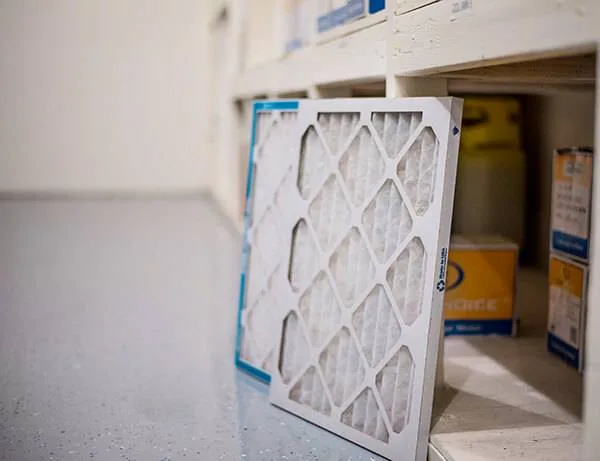
Maintenance and Optimization Strategies
Effective maintenance and optimization are crucial for ensuring commercial HVAC systems operate efficiently and reliably over time. Regular upkeep can prevent costly breakdowns, extend equipment life, and maintain energy savings. By implementing a structured approach to maintenance, businesses can not only save on operational costs but also enhance the overall comfort and productivity of their work environments.Preventative Maintenance Schedules
Preventative maintenance involves routine inspections, cleaning, and adjustments to keep HVAC components functioning optimally. This includes changing filters, checking refrigerant levels, inspecting ductwork for leaks, and calibrating control systems. Establishing a preventative maintenance schedule tailored to the specific system and building use can significantly reduce unplanned downtime. Additionally, training staff on basic maintenance tasks can empower them to identify issues early, further minimizing the risk of system failures.Las Vegas maintenance schedule: Commercial buildings in Las Vegas need pre-season checks in May before peak cooling months (June–September). During peak summer, monitor refrigerant levels and compressor amps weekly during heat waves. After dust storms or monsoon events, inspect filters and coils immediately. Quarterly maintenance is standard, but monthly filter checks are recommended during dusty spring and summer months. Desert dust requires aggressive filter management—consider upgrading to higher-MERV filters or electronic air cleaners. Neglecting filter changes often leads to airflow problems and repair calls that cost more than extra maintenance visits.
Integration of IoT sensors and predictive maintenance algorithms is revolutionizing HVAC upkeep by enabling real-time monitoring and early detection of potential issues. This technology can reduce unplanned downtime by up to 25%, ensuring systems run smoothly and efficiently. Furthermore, the data collected from these sensors can provide insights into usage patterns and system performance, allowing for more informed decision-making regarding upgrades and replacements, ultimately leading to more sustainable operations.Upgrading and Retrofitting Existing Systems
Upgrading or retrofitting existing HVAC systems is a cost-effective way to improve performance and comply with new efficiency standards. Retrofitting might involve replacing outdated components with high-efficiency alternatives, adding smart controls, or enhancing insulation and ventilation. These upgrades not only contribute to energy efficiency but also directly affects reducing greenhouse gas emissions, aligning with global sustainability initiatives. Many commercial buildings are prioritizing these retrofits to meet stricter emissions targets and capitalize on federal tax incentives. These upgrades not only reduce energy consumption but also improve indoor air quality and occupant comfort. For industrial facilities, such retrofits are particularly critical, with a majority focusing on energy-efficient HVAC improvements to align with sustainability goals. Additionally, incorporating advanced filtration systems can help mitigate airborne contaminants, which is increasingly important in today's health-conscious environment. By investing in these enhancements, businesses can create a healthier atmosphere for employees while also demonstrating their commitment to environmental stewardship.Ready for an HVAC Upgrade or Maintenance? The Cooling Company Can Help
If you're looking to enhance the efficiency, comfort, and air quality of your commercial space in Las Vegas, The Cooling Company is here to assist you. Our certified technicians are experts in providing comprehensive HVAC solutions, from routine maintenance to advanced system retrofits. We understand Las Vegas commercial heat loads, dust management, peak demand charge optimization, and monsoon season impacts. Take the first step towards optimizing your building's climate control and energy consumption by calling (702) 567-0707 or visiting our commercial HVAC services page to schedule a consultation today. Experience the difference with reliable, efficient, and swift service tailored to your needs.
Commercial HVAC decision checklist
- ✓ Assess current system age, efficiency, and repair history
- ✓ Conduct energy audit: log kW, runtime hours, kW/ton, and CO2
- ✓ Review utility bills: correlate energy use with weather and occupancy
- ✓ Evaluate system type: RTU vs. Central plant vs. VRF based on building size
- ✓ Check NV Energy rebates: pre-approval required for efficient upgrades
- ✓ Compare lifecycle costs: installed cost + energy + maintenance over 10–20 years
- ✓ Verify contractor credentials: Nevada licenses, EPA 608 certification, NATE-certified techs
- ✓ Request itemized bids: equipment, controls, commissioning, permits
- ✓ Plan maintenance schedule: quarterly standard, monthly during peak season
- ✓ Document findings: maintain logs for trend analysis and compliance
Cost drivers that shape commercial HVAC budgets
- System type and tonnage: RTUs, VRF, and central plants have different first-cost and energy profiles.
- Controls and BAS scope: Advanced controls add cost but reduce peak demand and improve diagnostics.
- Access and safety: Rooftop rigging, cranes, and confined-space work increase labor time.
- Ventilation and IAQ targets: Higher outdoor air and filtration requirements add fan energy and maintenance.
Decision guidance: choosing the right system
- Start with load calculations so equipment is sized for Vegas design days.
- Compare lifecycle costs using IEER, kW/ton, and demand charges.
- Match the system to the use case (retail vs. Medical vs. Warehouse).
- Require commissioning to verify sequences and verify performance.
Prevention: reduce downtime and surprise repairs
- Schedule pre-season inspections in May and plan filter checks monthly in summer.
- Keep coils clean after dust storms and verify condensate drainage after monsoon events.
- Track alarms, runtimes, and kW demand to catch problems early.
- Budget for belts, contactors, and sensors before peak season.
Neighborhoods we serve for commercial HVAC support
We serve businesses across Downtown Las Vegas, Summerlin, Spring Valley, Enterprise, Paradise, Henderson, North Las Vegas, Centennial Hills, Silverado Ranch, and Green Valley.
Why businesses trust The Cooling Company
- Serving Las Vegas since 2011
- 55+ years combined experience
- Licensed, EPA-certified technicians
- 100% satisfaction guarantee
- BBB A+ rated
- Lennox Premier Dealer
Service area map
Share This Page
Related service: Stay ahead of costly breakdowns. Explore our AC maintenance and AC repair services for Las Vegas homeowners.
Need HVAC Service in Las Vegas?
The Cooling Company provides expert HVAC service throughout Las Vegas, Henderson, and North Las Vegas. Our licensed technicians deliver honest assessments, upfront pricing, and reliable results.
Call (702) 567-0707 or visit commercial HVAC, AC repair, maintenance, or installation for details.