

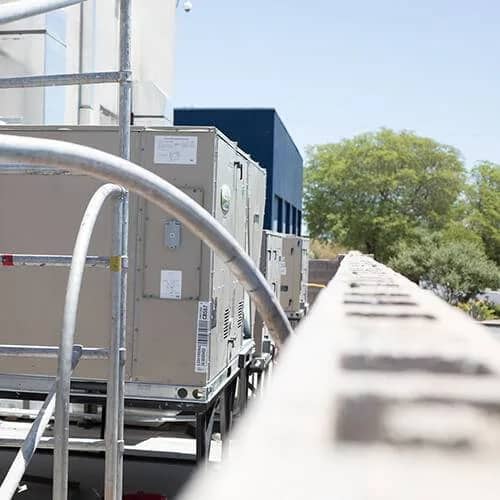
Short answer: Commercial HVAC installation costs in Las Vegas typically range from $20,000-$75,000 for small commercial buildings to hundreds of thousands for large facilities. Per-ton costs range $3,000-$8,000 for rooftop units, $3,000-$7,000 for split systems, and $3,500-$12,000+ for chillers. Key cost drivers include system type, capacity, ductwork, controls, and site logistics. Las Vegas's extreme heat requires properly sized systems and energy-efficient equipment (16+ SEER) to control energy costs. Desert conditions and monsoon season can affect installation timing and material choices.
For more information, see our guide on AC troubleshooting guide.
For more information, see our guide on common HVAC problems.
Key Takeaways
- Early design and right-sizing save both first cost and lifecycle cost.
- Controls, commissioning, and incentives can change budgets more than equipment price.
- Compare apples-to-apples bids and check qualifications, warranties, and allowances.
- Phasing, incentives, and packaged equipment lower upfront spend while protecting performance.
A commercial HVAC install can range from tens of thousands to millions of dollars. Early design, right-sizing, incentives, phasing, and clear bids cut cost while keeping performance. Use controls and commissioning to avoid rework. This guide gives practical steps, checklists, and example ranges to plan budgets and compare bids. (ASHRAE Technical Resources)

Las Vegas-Specific Installation Considerations
Las Vegas presents unique challenges for commercial HVAC installations:
Extreme Heat and Cooling Demand
- Extended cooling season: March through October requires reliable cooling, increasing system runtime
- High cooling loads: Las Vegas buildings need 20-30% more cooling capacity than moderate climates
- Rooftop installations: Extreme rooftop temperatures (140°F+) affect equipment performance and installation timing
- Energy costs: Proper sizing and energy-efficient equipment (16+ SEER) are critical to control NV Energy bills
Desert Environment Impact
- Dust and debris: Desert conditions can clog filters and damage outdoor units faster
- UV degradation: Intense sunlight degrades equipment and ductwork insulation
- Monsoon season: Sudden storms can cause physical damage and require protective measures
- Rooftop access: Extreme heat limits safe crane operation windows and installation timing
Installation Timing and Scheduling
- Peak season scheduling: Summer installations may cost more due to high demand and heat stress
- Crane windows: Extreme heat limits safe crane operation windows
- Roof access: Hot rooftop conditions require additional safety measures and may slow installation
- Occupied buildings: Phased installations may be needed to minimize tenant disruption
What does a commercial HVAC installation cost?
Installed cost depends on system type, capacity, labor, and site logistics. Small shops often spend $20,000 to $75,000, while large buildings can reach hundreds of thousands or more. Owners should budget for equipment, labor, controls, permitting, commissioning, and soft costs to avoid surprises.
Regional labor and permit rates change final prices. Complex sites with limited access need more crews and more time. Energy goals also shift budgets toward higher first cost but lower operating cost over the equipment life.
What are installed cost ranges by system?
Costs vary by system and size. Rooftop packaged units often cost less per unit. VRF and chilled-water systems start higher because of parts and controls. Chilled-water plants need chillers, pumps, and towers that raise the price greatly.
Design choices and required redundancy move costs up. Adding economizers, variable speed drives, or advanced controls pushes first cost higher. Owners should compare full system quotes, not single equipment price alone.
How much do rooftop units cost?
Rooftop packaged units (RTUs) are common for retail and many offices. Small RTUs, from roughly 3 to 10 tons, often cost $6,000 to $18,000 installed. Medium RTUs, from 10 to 25 tons, commonly run $20,000 to $60,000 installed per unit.
Las Vegas pricing context: Expect similar ranges, but add 10-15% for proper sizing to handle extreme heat. Energy-efficient RTUs (16+ SEER) are recommended to control summer energy bills. NV Energy offers rebates for high-efficiency equipment that can offset installation costs. Rooftop installations require careful scheduling due to extreme heat—crane windows may be limited to early morning hours.
Learn about available federal tax credits for energy-efficient HVAC equipment.
Check our HVAC pricing guide for current cost estimates.
Extra costs come from efficiency ratings, controls, and roof work. Crane lifts, curb adapters, and roof patching add labor and rental fees. Include those items when you compare bids to avoid underestimating total cost.
What is the typical VRF installed price?
VRF systems often cost more per ton than simple packaged units. Expect installed prices starting around $4,000 to $8,000 per ton for many commercial jobs. Small projects often see higher per-ton pricing because setup costs are fixed. (ASHRAE Technical Resources)
VRF brings good zone control and efficiency that can lower operating cost. Design and piping complexity raise engineering and installation time. Ask for examples of similar projects and warranty conditions when comparing VRF bids.
Try our energy savings calculator to see how much you could save.
Which system types cost most?
Different system types have different cost drivers and maintenance profiles. Rooftop units are cheaper per unit but add up when many packs are needed. VRF and chilled-water systems require specialized parts and engineers, which raises installed prices.
Choice should match building use and long-term goals. Systems with higher first cost can lead to lower operating expense. Always weigh maintenance needs, expected life, and potential refrigerant rules when choosing systems.
How do rooftop units compare to packaged systems?
Rooftop RTUs and packaged systems speed installation and cut engineering time. They often cost less per unit and shorten schedules. Owners pay less for design compared to custom ductwork or chilled-water plants.
Multiple RTUs can raise complexity when many zones exist. Structural roof work and crane lifts increase material and labor costs. Evaluate roof layout and rooftop access before selecting RTUs for large buildings.
What drives VRF higher costs?
VRF costs rise from outdoor condensing units and extensive refrigerant piping. Controls and diverse indoor units increase engineering hours. Installers must be skilled in brazing, leak testing, and refrigerant charging to meet warranties.
The payoff arrives with zoning flexibility and tight temperature control. Avoid unqualified installers to prevent warranty disputes. Ask for trained installer certifications and past project references when reviewing VRF proposals.
Why are chillers expensive for large loads?
Chillers need heavy equipment, foundations, pumps, and cooling towers. For big buildings, structural supports and vibration isolation add price. Long lead times and rigging add schedule risk and cost as well.
Redundancy choices also affect price. Facilities that need N+1 reliability pay more up front. Those owners gain protection from downtime, which can be crucial for critical operations.
What are the main cost drivers?
Understanding main cost drivers helps owners control budgets. Capacity, labor, ductwork, controls, refrigerant, permits, and site logistics drive price. Each factor interacts with others, so trade-offs matter when planning scope.
Focusing only on equipment price misses larger costs. Labor or controls alone can change total installed cost by a large margin. Early planning and realistic allowances reduce change orders and schedule slip. (ASHRAE Technical Resources)
How does capacity affect material cost?
Material cost scales with capacity. Bigger equipment needs heavier steel, larger compressors, and more refrigerant. Piping, ductwork, and structural supports also grow as loads increase.
Per-ton pricing often drops at scale, but absolute cost grows. Accurate load calculations prevent oversizing. Proper sizing reduces both material and operating costs over time.
What labor factors add to the bill?
Labor often makes up a large share of installed cost. Skilled trades, overtime, and safety plans add expense. Complex installs such as crane lifts or confined-space work increase man-hours and premiums.
Site productivity also matters. Poor access, late deliveries, or tight staging areas lower crew output. Owners should factor in local labor rates and realistic productivity when budgeting.
How does ductwork scope scale price?
Ductwork can be a major cost for forced-air systems. Long runs, vertical shafts, fire dampers, and insulation add both material and labor. Tight spaces increase installation time and complexity.
High-performance HVAC often needs larger fan coils and more balanced systems. That raises duct volume and support requirements. Consider alternative systems if ductwork greatly raises cost.
How do refrigerant choices affect price?
Refrigerant rules change equipment and service needs. Low-GWP refrigerants sometimes cost more and need different compressors. Some types also need extra leak detection and service protocols.
Availability and supply chain affect sticker price. Choose refrigerants that balance regulatory risk and long-term serviceability. Ask vendors about ongoing availability and technician training for chosen refrigerant.
For 2026-specific pricing with updated SEER2 tiers and R-454B considerations, see our complete AC replacement guide. To compare equipment across manufacturers, visit our HVAC brand hub.
How to reduce installs without cutting value?
Cutting cost does not mean cutting quality. Smart design, phasing, incentives, and procurement lower installed cost while protecting performance. Focus on choices that reduce labor or avoid custom work.
Invest in clear design and contractor selection. A tight design lowers change orders. Choosing proven systems that match the building and the maintenance team preserves value over time.
What early design choices save money?
Standardizing equipment sizes and simplifying roof penetrations reduce custom work. Clear mechanical rooms with good access cut labor time. Coordination with electrical and structural teams prevents clashes and rework. (ASHRAE Technical Resources)
Using modular or packaged solutions shortens schedules and limits field fabrication. Early owner decisions on redundancy and zoning translate to simpler, lower-cost systems. Keep finishes out of mechanical rooms to avoid unnecessary cost.
How can right-sizing lower life costs?
Right-sizing avoids overspending and lowers energy waste. Use accurate load calculations and diversity factors for mixed-use buildings. Reuse existing infrastructure if it fits the new load and codes.
Smaller efficient equipment may cost less upfront and run cheaper. Proper controls and commissioning ensure the system operates as designed. Compare first cost and life-cycle cost, not sticker price alone.
What role do incentives play?
Utility and government incentives lower effective installed cost. Rebates for VFDs, demand-control ventilation, and heat recovery can be sizable. Many programs require pre-approval or measured results to qualify.
Early contact with utilities increases eligibility and avoids missed deadlines. Netting incentives into your financial model often makes higher-efficiency choices pay off sooner.
Decision Checklist: Evaluating Contractor Bids
Use this checklist to ensure you're comparing apples-to-apples bids:
Required Documentation
- Manual J load calculation: Room-by-room load calculation, not square-foot rules
- Equipment specifications: Make, model, SEER/AFUE ratings, capacity in BTU/h
- Ductwork design: Manual D duct layout with airflow CFM per supply/return (if applicable)
- Controls documentation: Control sequences, integration details, building automation specs
- Commissioning plan: Testing procedures, acceptance criteria, deliverables
Cost Breakdown to Verify
- Equipment: Separate pricing for HVAC units, controls, thermostats, VFDs
- Ductwork: Linear feet, materials, insulation, sealing method (if applicable)
- Labor: Hours, crew size, hourly rates for key tasks
- Permits: Mechanical, electrical, building permits included
- Testing: TAB (Testing, Adjusting, Balancing) and commissioning included
- Rigging: Crane work, rooftop access, equipment lifting
- Contingencies: Allowances for hidden conditions, asbestos, structural work
Las Vegas-Specific Items
- Rooftop access: Crane windows, heat safety measures, roof protection
- Energy efficiency: 16+ SEER systems recommended for energy cost control
- Rebates: NV Energy rebate assistance and documentation
- Installation timing: Phased installation options to minimize tenant disruption
How should owners compare contractor bids?
Comparing bids takes rigor and clear criteria. Apples-to-apples comparisons avoid surprises. Low initial price sometimes means missing items or higher long-term risk, so examine scope, allowances, and qualifications closely.
Require written clarifications for any vague line items. Verify that bids include testing, balancing, and commissioning as required. A clear bid reduces disputes during construction and turnover.
What should an apples-to-apples bid include?
A good bid lists equipment model numbers, efficiencies, and capacities. It includes labor, controls, permits, crane fees, and testing. Separate allowances for concealed conditions should be clear and reasonable.
Bids must show warranty details and startup procedures. Include training, O&M manuals, and startup reports in the base bid. Clarify what is excluded before award to compare accurately.
How to spot lowball bids?
Lowball bids often omit critical items or use vague scopes. Missing permits, no commissioning, or unlisted crane fees are red flags. Extremely low labor hours versus industry norms also warn of trouble.
Ask bidders to break out labor hours and material brands. Check references and photos of similar work. If a price seems too good, get written clarification on how the scope will be met. (ASHRAE Technical Resources)
What allowances and contingencies belong in bids?
Allowances cover unknowns like asbestos, roof repairs, or structural work. A typical allowance might be 1–5% of project cost, depending on risk. Clarify whether contingency is owner-held or contractor-held.
Clear allowances cut the need for many small change orders. Keep contingency for owner changes that come up during construction. That approach speeds approvals and limits disputes.
What qualification checks should you run?
Verify licenses, bonding, insurance, and safety records. Ask for project photos, client references, and NATE or manufacturer certifications. Check financial stability for large, phased projects.
Visit ongoing job sites to see workmanship and schedule control. Review claim history and dispute records. A well-vetted contractor reduces schedule and cost risk.
What are practical next steps for projects?
Begin with a clear bid package that shows performance criteria and site constraints. Invite qualified bidders and hold a pre-bid walk to clarify logistics. Track responses and compare line items, not just totals.
Budget conservatively for permit timing and contingencies. Include commissioning in the base bid. Use life-cycle cost to evaluate efficiency options and contact utilities early for incentives.
How to prepare a bid package?
Start with an executive summary that lists project goals and critical dates. Include mechanical drawings, load calculations, and sequences of operation. State required certifications, insurance, and commissioning scope in writing.
Add site logistics like laydown areas and crane needs. Include tolerances, allowances, and acceptance criteria. Request equipment submittals and confirm efficiencies before award to reduce surprises.
How does scheduling affect cost and disruption?
Tight schedules often need shift work, overtime, or weekend crews, which increases cost. Phased work reduces tenant impact but can lengthen total labor days. Plan temporary HVAC and protection if occupied spaces remain active.
Coordinate shutdowns, inspections, and milestones early. Tie payments to schedule milestones and final commissioning. A realistic schedule limits costly last-minute changes and claims.
How does commissioning scope change price?
Basic commissioning covers startup checks and is less costly. Enhanced commissioning includes functional testing, sequence verification, and performance tuning. The latter costs more but usually reduces long-term energy and comfort problems.
Require a commissioning plan and defined deliverables in the contract. Use an independent agent when systems are critical. That extra cost often returns value through fewer operational issues.
Prevention Tips: Maintaining Your New System
Proper maintenance protects your investment and prevents costly repairs, especially in Las Vegas's harsh climate:
Monthly Maintenance Tasks
- Filter replacement: Check and replace filters monthly to prevent coil freezing and reduced efficiency
- Visual inspection: Check outdoor units for visible damage, debris buildup, or corrosion
- Clearance check: Ensure proper clearance around outdoor units
- Listen for sounds: Unusual noises may indicate problems—address immediately
Seasonal Professional Maintenance
- Spring tune-up: Before cooling season (March), check refrigerant levels, test for leaks, inspect equipment
- Fall inspection: Evaluate system before heating season, check for wear from summer stress
- Annual inspection: Comprehensive system evaluation, efficiency testing, energy audit
- Controls check: Verify building automation systems, sequences, and sensor calibration
Early Warning Signs
- Reduced cooling/heating: System not maintaining set temperature
- Rising energy bills: Inefficient systems consume more electricity
- Frequent cycling: System turning on and off frequently may indicate problems
- Tenant complaints: Comfort issues may indicate system problems or improper operation
Call to action: get expert help for tight budgets
Las Vegas area owners: call The Cooling Company at (702) 567-0707 for bid prep, budgeting, and certified commissioning. Our NATE-certified technicians serve Las Vegas, Henderson, and North Las Vegas. Ask for commercial HVAC budgeting, design assistance, or phased install plans to match your capital timeline.
If you are outside Nevada: request a hvac technician who is NATE-certified, and ask for detailed bid packages with model numbers and commissioning scope. For remote projects, we can advise on specs and help you vet local contractors while noting our Nevada service area.
About The Cooling Company
The Cooling Company has been serving the Las Vegas valley with professional HVAC services for over a decade. Our team of licensed, NATE-certified technicians specializes in air conditioning repair, heating system maintenance, and complete HVAC installations. We're committed to providing honest, reliable service with upfront pricing and a 100% satisfaction guarantee on all work performed.
- Phone: (702) 567-0707
- Reviews: 4.9/5 stars (500 reviews) - See reviews
Ready to Install Commercial HVAC in Las Vegas?
Commercial HVAC installation requires expertise in load calculations, system design, and Las Vegas-specific considerations. The Cooling Company specializes in commercial HVAC installations with proper design, installation, and commissioning. Our NATE-certified technicians understand the unique challenges of Las Vegas buildings—extreme heat, desert conditions, and energy efficiency needs.
We provide comprehensive assessments including Manual J load calculations, system selection, and site evaluations. Our team helps you choose the right system type (rooftop, split, VRF, chiller) based on your building's structure, budget, and comfort goals. We also coordinate permits, inspections, TAB testing, and commissioning to ensure your system operates efficiently.
With our satisfaction guarantee and Lennox Premier Dealer status, you can trust in our expertise. Contact Us today at (702) 567-0707 for a free consultation and detailed estimate for your commercial HVAC installation project.
Share This Page
Service Areas
We proudly serve homeowners and businesses throughout the Las Vegas metropolitan area, including Las Vegas, Henderson, and North Las Vegas. Our service technicians are available for same-day appointments in most areas, with emergency service available 24/7 for urgent HVAC issues.
- AC Repair Las Vegas
- HVAC Services Henderson
- AC Installation North Las Vegas
- Compare HVAC Brands for Las Vegas
- Lennox Pricing and Model Comparison
Need HVAC Service in Las Vegas?
The Cooling Company provides expert HVAC service throughout Las Vegas, Henderson, and North Las Vegas. Our licensed technicians deliver honest assessments, upfront pricing, and reliable results.
Call (702) 567-0707 or visit AC repair, maintenance, heating, or installation for details.