

Ventilation
Ventilation is the process of exchanging indoor air with fresh outdoor air to maintain healthy indoor air quality, control moisture, and remove pollutants, odors, and excess heat. In HVAC, ventilation is the 'V' in the acronym and is accomplished through natural methods (windows, vents) or mechanical systems (exhaust fans, energy recovery ventilators, fresh air intakes). Proper ventilation dilutes and removes indoor pollutants including carbon dioxide, volatile organic compounds (VOCs), cooking fumes, and biological contaminants. Modern energy-efficient homes are tightly sealed, making mechanical ventilation increasingly important to ensure adequate fresh air exchange without sacrificing energy efficiency.
💡 Key Takeaways
- ✓Ventilation is the process of exchanging indoor air with fresh outdoor air to maintain healthy indoor air quality, control moisture, and remove pollutants, odors, and excess heat. In HVAC, ventilation is the 'V' in the acronym and is accomplished through natural methods (windows, vents) or mechanical systems (exhaust fans, energy recovery ventilators, fresh air intakes). Proper ventilation dilutes and removes indoor pollutants including carbon dioxide, volatile organic compounds (VOCs), cooking fumes, and biological contaminants. Modern energy-efficient homes are tightly sealed, making mechanical ventilation increasingly important to ensure adequate fresh air exchange without sacrificing energy efficiency.
- ✓ASHRAE Standard 62.2 defines minimum ventilation rates for homes, most need at least 0.35 air changes per hour for healthy indoor air.
- ✓Exhaust-only ventilation (bathroom and kitchen fans) can create negative pressure that pulls in unconditioned air through gaps and cracks.
- ✓Energy recovery ventilators (ERVs) and heat recovery ventilators (HRVs) provide fresh air while recovering 70-80% of the energy from exhausted air.
Ventilation
/ˌvɛntɪˈleɪʃən/
Definition
Ventilation is the process of exchanging indoor air with fresh outdoor air to maintain healthy indoor air quality, control moisture, and remove pollutants, odors, and excess heat. In HVAC, ventilation is the 'V' in the acronym and is accomplished through natural methods (windows, vents) or mechanical systems (exhaust fans, energy recovery ventilators, fresh air intakes). Proper ventilation dilutes and removes indoor pollutants including carbon dioxide, volatile organic compounds (VOCs), cooking fumes, and biological contaminants. Modern energy-efficient homes are tightly sealed, making mechanical ventilation increasingly important to ensure adequate fresh air exchange without sacrificing energy efficiency.
What is ventilation in HVAC?
Ventilation is the controlled exchange of indoor air with fresh outdoor air. It removes pollutants, controls moisture, and maintains healthy air quality inside homes and buildings.
Source: The Cooling Company

Quick Facts
How Ventilation Works

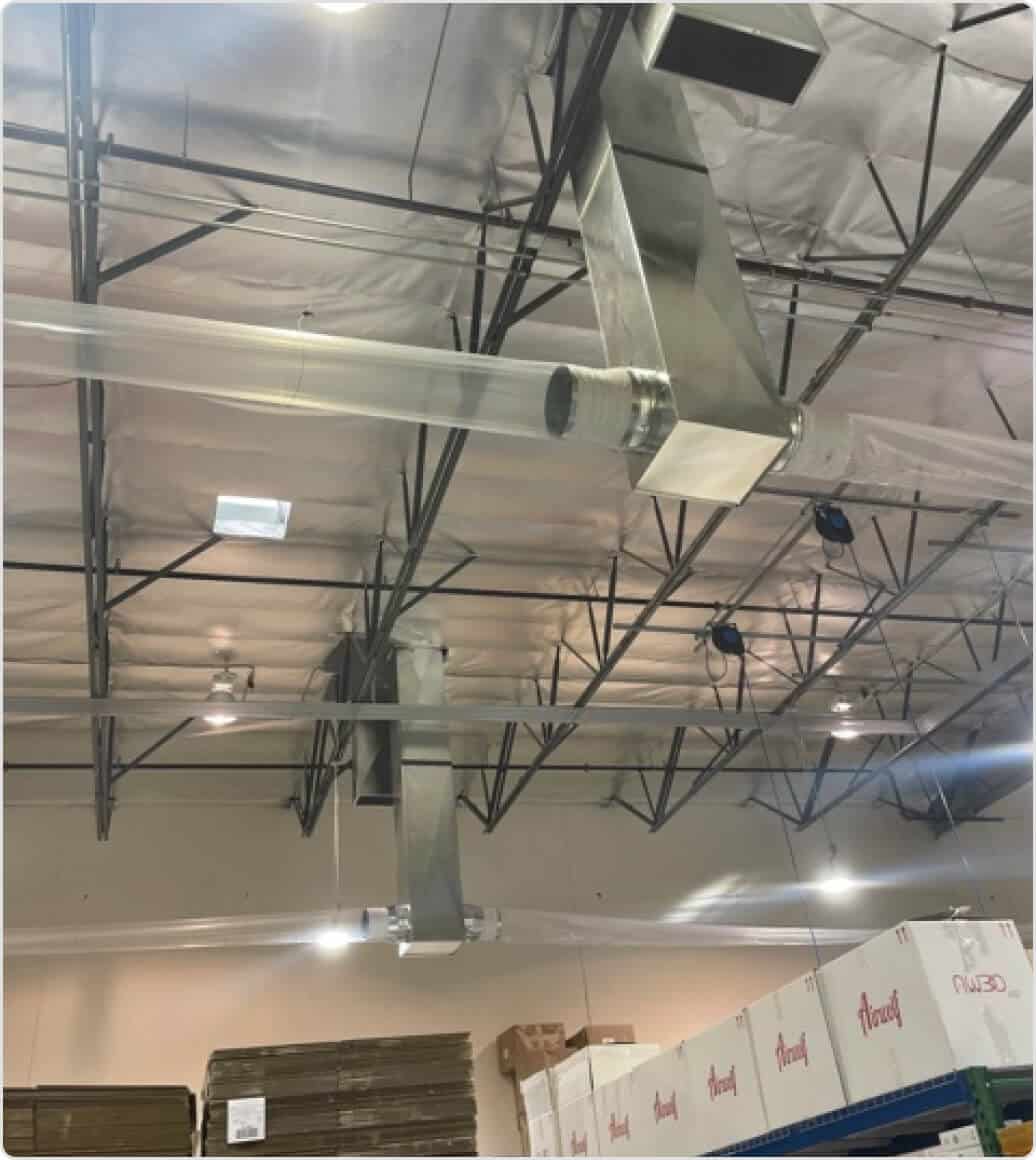
Ventilation replaces stale indoor air with fresh outdoor air for better health.
Real-World Application
In Las Vegas, ventilation must be balanced against extreme outdoor heat. Opening windows for fresh air during summer is impractical when it is 110°F outside. Energy recovery ventilators (ERVs) solve this by bringing in fresh outdoor air while pre-cooling it with outgoing indoor air, maintaining air quality without overloading the AC system.
Pro Tip
If your home feels stuffy even with the AC running, you may have a ventilation problem rather than a cooling problem. Ask your HVAC technician about adding a fresh air intake or energy recovery ventilator to bring in outside air without wasting energy.
“If your home feels stuffy even with the AC running, you may have a ventilation problem rather than a cooling problem. Ask your HVAC technician about adding a fresh air intake or energy recovery ventilator to bring in outside air without wasting energy.”
Important Things to Keep in Mind
- ASHRAE Standard 62.2 defines minimum ventilation rates for homes, most need at least 0.35 air changes per hour for healthy indoor air.
- Exhaust-only ventilation (bathroom and kitchen fans) can create negative pressure that pulls in unconditioned air through gaps and cracks.
- Energy recovery ventilators (ERVs) and heat recovery ventilators (HRVs) provide fresh air while recovering 70-80% of the energy from exhausted air.
Did You Know?
The concept of engineered building ventilation dates to 1858, when the Houses of Parliament in London installed one of the first mechanical ventilation systems to address indoor air quality complaints from lawmakers.
FAQ
Why is ventilation important in a sealed home?
Modern sealed homes trap pollutants, moisture, and CO2 inside. Without ventilation, indoor air quality degrades quickly, potentially causing health issues and moisture problems.
What is an energy recovery ventilator?
An ERV brings in fresh outdoor air and exhausts stale indoor air while transferring heat and moisture between the two streams, saving energy in the process.
How can I improve ventilation in Las Vegas?
Use exhaust fans in kitchens and bathrooms, consider an ERV for whole-home fresh air, and ensure your HVAC system has a fresh air intake sized for your home.
Related Services
Need help with ventilation? Our licensed technicians in Las Vegas are ready to assist.
Share This Page
Why Homeowners Trust Us
Breathe Fresh Air at Home with Professional Ventilation Solutions
Get a Free Estimate
Fill out the form below. Our goal is to reach you within minutes.