

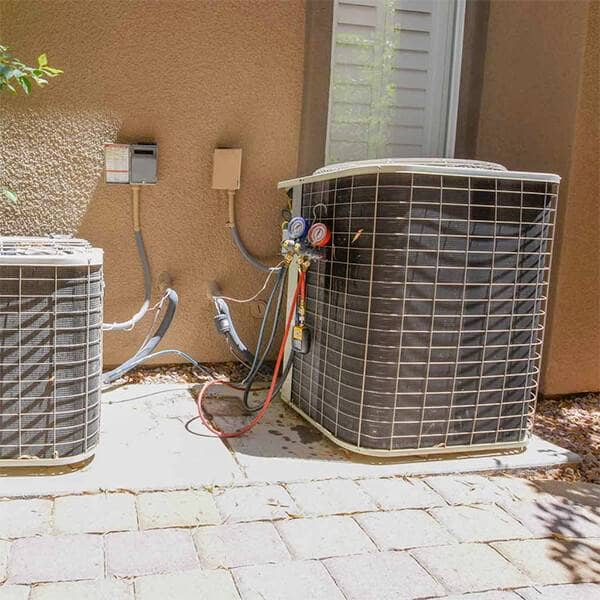
Short answer: AC (air conditioning) only cools and dehumidifies air, while HVAC (heating, ventilation, and air conditioning) includes heating, cooling, ventilation, and air distribution. In Las Vegas, understanding this difference helps you diagnose issues faster—AC problems often involve the outdoor condenser or cooling components, while HVAC issues may affect heating, ductwork, or ventilation. Desert dust, extreme heat, and temperature swings make regular maintenance critical for both systems. Knowing which system is failing saves time and money on repairs.
For more information, see our guide on AC troubleshooting guide.
For more information, see our guide on common HVAC problems.
Key Takeaways
- Use a room-by-room Manual J load calculation (not a square-foot rule).
- Select equipment with Manual S and verify ducts with Manual D for comfort and efficiency.
- Avoid oversizing: short-cycling wastes fuel and can create uneven temperatures.
AC cools air and lowers humidity, while HVAC covers heating, ventilation, and cooling. Knowing which system is acting up saves time and money. Describe noisy outdoor units, uneven rooms, or odd smells to a tech to speed diagnosis and avoid unnecessary parts or visits. For more technical guidance, see the ASHRAE Technical Resources: ASHRAE Technical Resources.
Key takeaways about hvac and ac
AC focuses on cooling and removing moisture from indoor air. A central air conditioner usually has an outdoor condenser and an indoor evaporator. Refrigerant cycles carry heat outside and fans distribute cool air inside. These parts make the AC responsible for temperature drop and dehumidification during warm weather.
HVAC is a broader term that includes heating, ventilation, and air conditioning. Furnaces, heat pumps, ductwork, controls, and ventilation devices fall under HVAC. When problems involve thermostats, gas burners, combustion safety, or large duct leaks, the issue is often HVAC-level and not just the AC. Understanding that difference helps you explain symptoms to a technician and prioritize repair steps.
Key quick points:
- AC only cools and dehumidifies indoor air.
- HVAC includes heating, ventilation, and air conditioning combined.
- Noisy outdoor unit usually points to AC condenser or fan trouble.
- Uneven rooms or weak airflow often mean duct or ventilation faults.
- Rising bills or odd smells call for a full HVAC evaluation.
These takeaways let you spot early signs and reduce misdiagnosis. When you call a technician, give clear facts: which functions failed (cooling, heating, ventilation), when symptoms started, and any visible signs like leaks or ice.
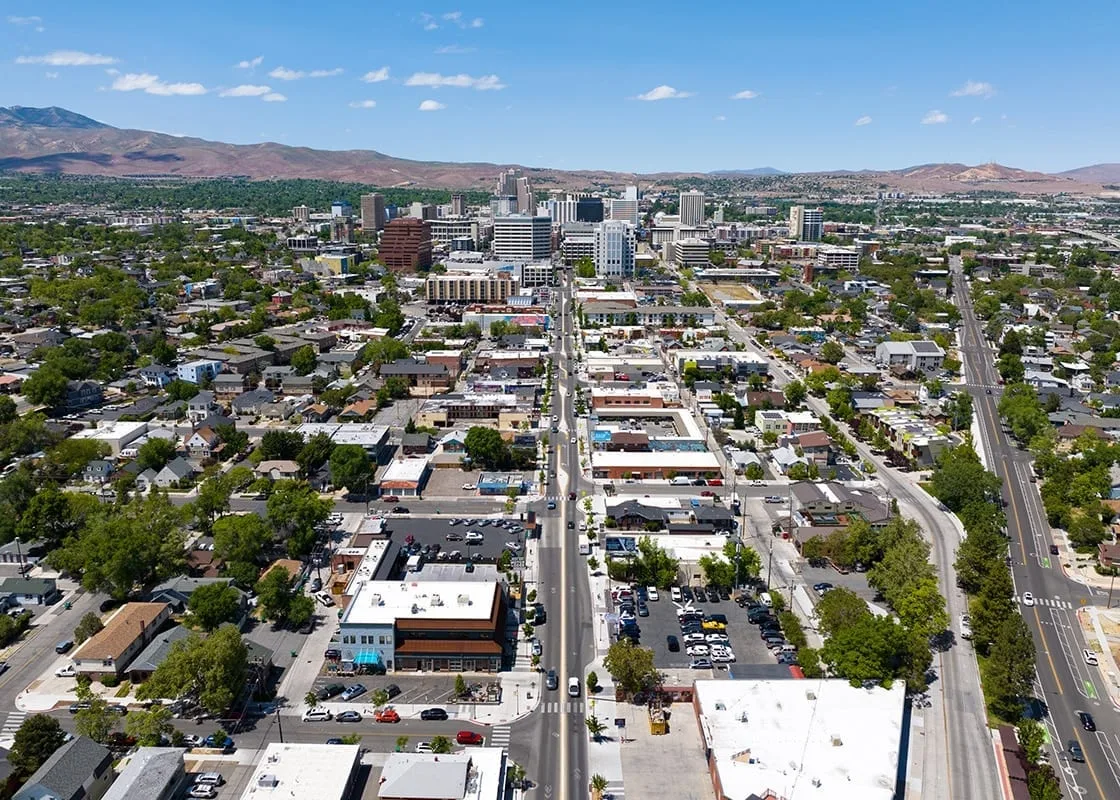
Las Vegas-Specific Context
Las Vegas presents unique challenges that affect both AC and HVAC systems. Understanding these local factors helps you identify issues faster and choose the right service.
Extreme Heat and Cooling Demand
- Extended cooling season: AC systems run March through October, often 18+ hours daily during peak summer months
- High cooling loads: Las Vegas homes need 20-30% more cooling capacity than moderate climates
- AC stress: Continuous operation accelerates wear on compressors, fans, and refrigerant systems
- Energy bills: NV Energy's peak rates (1-7 PM) make AC efficiency problems costly—dirty coils or low refrigerant can increase bills by 20-30%
Desert Environment Challenges
- Desert dust: Fine particulate matter clogs AC filters monthly and coats both indoor evaporator coils and outdoor condenser coils faster than other climates
- Monsoon season: July-September dust storms can coat outdoor AC units in minutes, causing immediate efficiency drops
- Temperature swings: Dramatic day/night swings (70°F mornings to 110°F+ afternoons) test system responsiveness and can cause short cycling
- UV exposure: Intense sunlight degrades outdoor AC unit components, wiring, and refrigerant lines faster
- Low humidity: While reducing some issues, dry air increases static electricity and dust accumulation on HVAC components
Heating and Ventilation Considerations
- Short heating season: Most heating needs occur November-March, but cold snaps can drop temperatures to freezing overnight
- Ductwork stress: Attic installations expose ducts to extreme temperatures (150°F+), causing expansion/contraction and potential leaks
- Ventilation needs: Desert dust requires more frequent filter changes and duct cleaning to maintain indoor air quality
- Energy efficiency: Leaky ducts waste 20-40% of conditioned air in Las Vegas homes, significantly impacting both AC and heating efficiency
What is the core difference between AC and HVAC?
Air conditioning focuses on cooling and removing indoor moisture. Central AC systems use a closed refrigerant loop. The outdoor condenser houses the compressor and condenser coil. Inside, the evaporator coil and blower move cooled air through the home. Fans push the conditioned air into rooms while refrigerant transfers heat outdoors.
HVAC is a system concept that covers more than cooling. It includes heating devices like furnaces and heat pumps, ventilation paths such as ducts and fresh-air intakes, and control systems like thermostats and zoning dampers. HVAC systems manage temperature, air quality, and distribution. Because HVAC mixes functions, a failure in one area can affect comfort in other ways.
Understanding this core difference helps decide whether a repair is likely limited to AC parts or requires a full HVAC service. For example, thermostat wiring faults can affect both heating and cooling. Compressor or refrigerant issues usually affect only cooling. Knowing what each side does narrows the likely causes and speeds up diagnosis.
What parts belong to AC?
The AC side includes the outdoor condenser, compressor, condenser coil, and fan. Inside, the evaporator coil and blower are the main components for cooling. Expansion devices, refrigerant lines, and the thermostat control how refrigerant moves and how the system cycles.
Other AC-specific items include the condenser fan motor, contactors, capacitors, and the reversing valve on some heat pumps. These parts typically show wear that affects cooling performance only. If you see oil on refrigerant lines or hear the outdoor unit run without making cool air, the AC parts are often the first suspects.
What parts belong to HVAC?
HVAC includes everything AC does plus heating sources, ventilation, and controls. Common heating parts are furnaces, burners, heat exchangers, and ignition systems. Heat pumps are part of HVAC and can provide both heating and cooling depending on mode.
Ductwork, fresh-air intakes, exhaust fans, air cleaners, zoning dampers, and thermostats are also HVAC parts. Problems with these components often show up as poor airflow, odd smells, safety alarms, or heating failures. HVAC-level issues may require a broader inspection and different permits for major repairs.
Decision Guide: Is It an AC or HVAC Issue?
Use this checklist to determine whether your problem is AC-only or requires full HVAC service:
AC-Only Issue Checklist
If you answer "yes" to these questions, the problem is likely AC-only:
- ✓ Heating works normally, but cooling fails completely
- ✓ Only the outdoor condenser unit shows problems (noise, not running, visible damage)
- ✓ Warm or room-temperature air blows from vents during cooling mode
- ✓ Ice forms on refrigerant lines or evaporator coil
- ✓ Visible refrigerant leaks (oil stains) around outdoor unit
- ✓ Outdoor unit runs but produces no cool air inside
- ✓ Problem only occurs during cooling season (March-October in Las Vegas)
Full HVAC Issue Checklist
If you answer "yes" to these questions, schedule a full HVAC evaluation:
- ✓ Both heating and cooling show problems
- ✓ Uneven temperatures across multiple rooms (ductwork issue)
- ✓ Strange smells from vents (mold, burning, gas)
- ✓ Rising energy bills without increased usage
- ✓ Thermostat problems affecting both heating and cooling
- ✓ Poor indoor air quality or excessive dust
- ✓ System cycles frequently in both heat and cool modes
How can you tell if the issue is AC-only?
Start by checking whether heating still works while cooling fails. If the heat operates normally and only the cooling side is ineffective, the fault is often on the AC side. Simple signs include warm supply air from vents during cooling mode, the outdoor unit not running, or the outdoor fan running but no cool air inside.
Other AC-only signs include visible refrigerant leaks, ice buildup on the evaporator coil or refrigerant lines, and outdoor unit noises like grinding or humming related to compressors or fans. These signs point to refrigerant, compressor, or fan motor faults. Record when symptoms happen and any noises you hear to help a technician diagnose faster.
When you inspect, avoid touching electrical components or refrigerant lines. Note visible details and take photos for the service call. The more accurate your description, the quicker the technician can prepare parts and tools.
Is the outdoor unit noisy?
A loud outdoor unit commonly signals condenser or fan issues in the AC. Grinding, screeching, or banging often means worn bearings, broken motor mounts, or damaged fan blades. A humming noise with no cooling can point to a failing compressor or a bad capacitor.
Rattles can come from loose panels, debris in the fan shroud, or unsecured wiring. Clearing debris and tightening panels are safe visual checks. If noise persists, a technician should inspect motors, bearings, and the compressor to avoid further damage.
Are rooms unevenly cooled?
Uneven temperatures across rooms often point to airflow or duct issues rather than the AC compressor itself. Common causes include closed or blocked vents, dirty filters, undersized or leaky ducts, and imbalanced return paths. A short cycling AC can also reduce dehumidification and make some rooms feel warmer.
Check that vents and returns are open and unobstructed. Replace dirty filters and ensure supply registers point into the room. If problems continue, ducts may need sealing, insulation, or rebalancing through dampers or system adjustments.
Is humidity the main complaint?
High indoor humidity when the AC runs can mean poor dehumidification. Causes include low run time due to an oversized AC unit, short cycling, or restricted airflow from dirty coils or filters. Oversized units cool quickly and then shut off before they remove enough moisture.
Clogged condensate drains or dirty evaporator coils also reduce moisture removal. If moisture is the main issue, a technician will look at run time, airflow, coil condition, and proper condensate drainage. Sometimes adding controlled ventilation or a dedicated dehumidifier is the right solution.
When should you schedule a full HVAC evaluation?
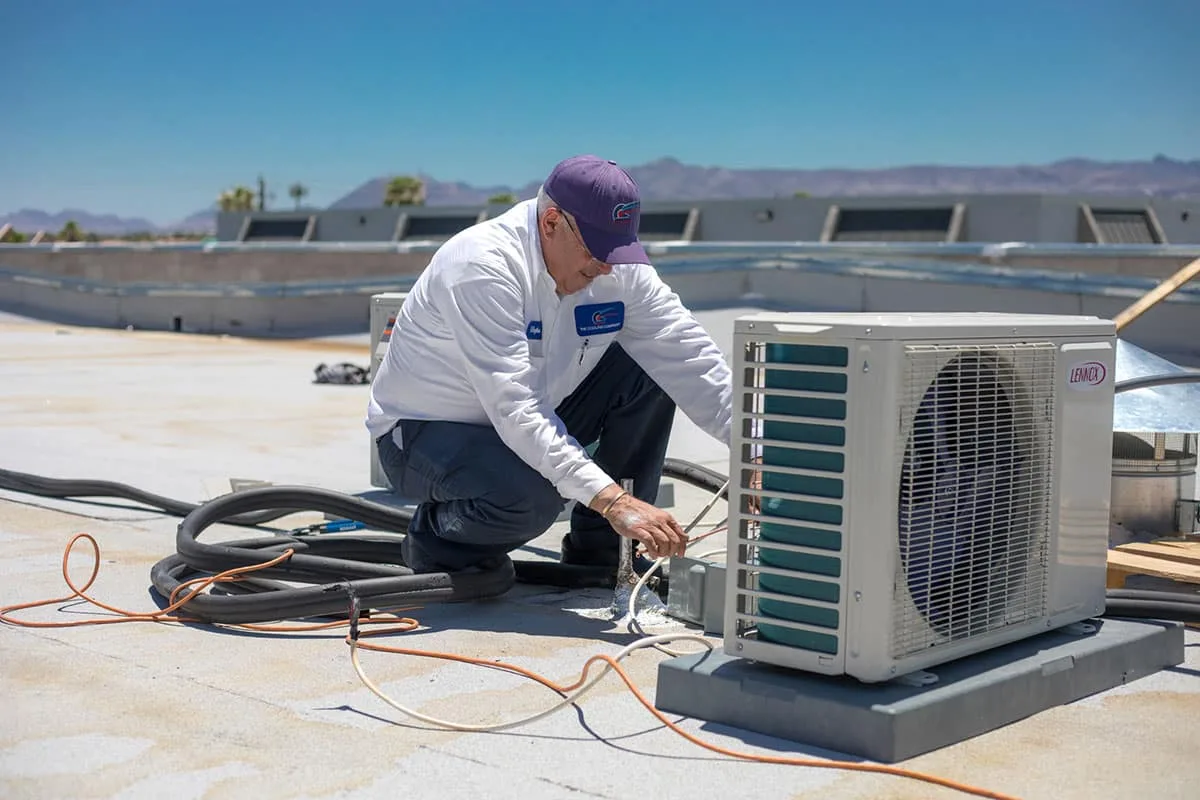
Schedule a full HVAC evaluation when both heating and cooling show issues, or when you see multiple symptoms that suggest broader system failure. Examples include persistent strange smells, visible leaks, frequent cycling in both heat and cool modes, or a sudden rise in energy bills. These signs can indicate problems with controls, ductwork, combustion safety, or system-wide inefficiency.
A full evaluation covers combustion safety on gas units, airflow checks, refrigerant levels, electrical safety, and thermostat calibration. Technicians will inspect duct leakage, safety devices, and overall system balance. A thorough check finds hidden issues and reduces the chance of repeat failures.
Document when problems started and any patterns you observe - time of day, weather conditions, or recent service events. That context helps the technician focus testing and arrive with the right tools and replacement parts.
Does equipment age matter?
Yes. Aging equipment often shows reduced efficiency and more frequent failures. Typical AC condensers last about 10 to 15 years in many climates. Furnaces commonly last 15 to 20 years. As units age, efficiency drops, parts wear out, and replacement part availability can decline.
Older systems may use outdated refrigerants or components that technicians no longer service. When an HVAC system ages past expected life, consider the cost of repeated repairs vs. A planned replacement with higher efficiency and modern refrigerants.
Check our HVAC pricing guide for current cost estimates.
Do odd smells or rising bills mean a full check?
Burning or chemical smells require immediate attention and a full inspection. A burning odor can indicate wiring overheating or motor failure. Gas or rotten-egg smells demand urgent action and a professional gas-check to rule out leaks or safety hazards.
Rising utility bills can come from dirty coils, low refrigerant, poor thermostat calibration, or large duct leaks. A full evaluation locates the root cause and gives options: targeted repairs, tuneups, or system replacement based on cost and expected life.
Use our energy savings calculator to estimate your potential savings.
Cost Drivers and Pricing Context
Understanding cost factors helps you budget for repairs and make informed decisions about AC vs. HVAC service.
AC Repair Cost Factors
- Refrigerant issues: Leak repairs typically cost $200-$1,500, plus refrigerant recharge ($100-$350 per pound for R-410A, higher for R-22)
- Compressor replacement: $1,200-$2,800 for parts and labor—often triggers consideration of full system replacement if unit is 10+ years old
- Capacitor replacement: $150-$400 for common AC capacitor failures
- Coil cleaning: $150-$300 for professional evaporator coil cleaning in Las Vegas
- Fan motor replacement: $300-$800 depending on motor type and accessibility
HVAC Repair Cost Factors
- Ductwork repairs: $300-$1,500 for sealing leaks, $1,500-$5,000+ for partial replacement
- Thermostat replacement: $150-$500 for basic models, $300-$1,200+ for smart thermostats
- Furnace repairs: $200-$1,500 for common issues, $2,000-$5,000+ for heat exchanger replacement
- System evaluation: $100-$300 for comprehensive HVAC inspection and diagnostics
- Full system replacement: $5,000-$15,000+ depending on system size, efficiency, and complexity
Las Vegas Pricing Considerations
- Peak season pricing: Summer repairs may cost 10-20% more due to high demand
- Emergency service: After-hours or weekend service typically adds $100-$300 to base repair costs
- Desert conditions: More frequent coil cleanings and filter changes increase annual maintenance costs
- Energy efficiency: Higher-efficiency systems (16+ SEER) cost more upfront but save significantly on NV Energy bills
How do ventilation and ducts affect comfort?
Ducts move conditioned air and returns through your home. Their condition directly affects comfort and efficiency. Leaky, undersized, or poorly insulated ducts waste energy and reduce airflow to rooms. Properly sized and sealed ducts deliver consistent temperatures and reduce system runtime.
Ventilation controls indoor air quality and moisture. Exhaust fans, fresh-air intakes, and energy recovery ventilators help remove pollutants and manage humidity without wasting energy. Poor ventilation can raise humidity and indoor pollutant levels, which affects health and comfort.
Maintenance of ventilation systems and ducts often improves comfort at a lower cost than replacing major equipment. Simple fixes like sealing major leaks or adding insulation can yield quick improvements in evenness and energy use.
Can leaky ducts cause big problems?
Yes. In some homes, duct leaks can waste 20 to 40 percent of conditioned air, though exact losses vary. Leaks in supply ducts send conditioned air into attics or crawlspaces, reducing comfort and raising energy bills. In return ducts, leaks can draw dusty attic air into the system, worsening indoor air quality.
Sealing and insulating ducts near unconditioned spaces is usually cost-effective. A technician can test duct leakage and recommend targeted sealing or replacement where needed. Duct fixes often reduce runtime and improve room balance quickly.
How does ventilation control humidity?
Ventilation exchanges indoor air with outdoor air, which can help reduce indoor humidity in many climates. Controlled ventilation systems bring in measured amounts of fresh air and can include dampers, heat-recovery wheels, or energy recovery ventilators to limit energy loss.
Ventilation works best with the AC and, when needed, a dedicated dehumidifier. Proper use of exhaust fans in kitchens and bathrooms also reduces localized moisture. The right combination of ventilation and dehumidification keeps humidity in a healthy range without wasting energy.
What home checks can you do safely?
You can perform visual and simple airflow checks without tools. Replace or inspect filters, clear debris from around the outdoor unit, and verify thermostat settings. Look for ice on refrigerant lines, water leaks, oil stains, or disconnected ducts. These signs are useful to note for a technician.
Do not try to access electrical panels, refrigerant lines, or combustion chambers. Those areas are hazardous without training and certification. If you find anything that looks risky - gas odor, heavy water leaks, or visible electrical damage - call a qualified technician immediately.
Keeping a short list of observations and photos speeds technician diagnosis. Note who performed past work and dates of service to help with warranty checks and part history.
What DIY checks can you safely do?
Start with filter checks. Replace or clean filters every one to three months depending on use. Keep 2 feet of clear space around the outdoor unit and remove leaves, grass, and debris. Check that vents and returns are open and clear in main living spaces.
You can also verify thermostat mode and setpoint. Make sure the system is set to COOL for air conditioning and HEAT for heating. Check that fan settings are correct - AUTO is usually best for normal use. These quick steps often resolve basic airflow or control issues.
When should you call a pro?
Call a technician when you hear grinding noises, smell burning, see refrigerant oil, or detect gas odors. Also call for major electrical issues, suspected carbon monoxide, or if the outdoor unit does not run at all when cooling is demanded. Those problems can be dangerous or cause major equipment damage.
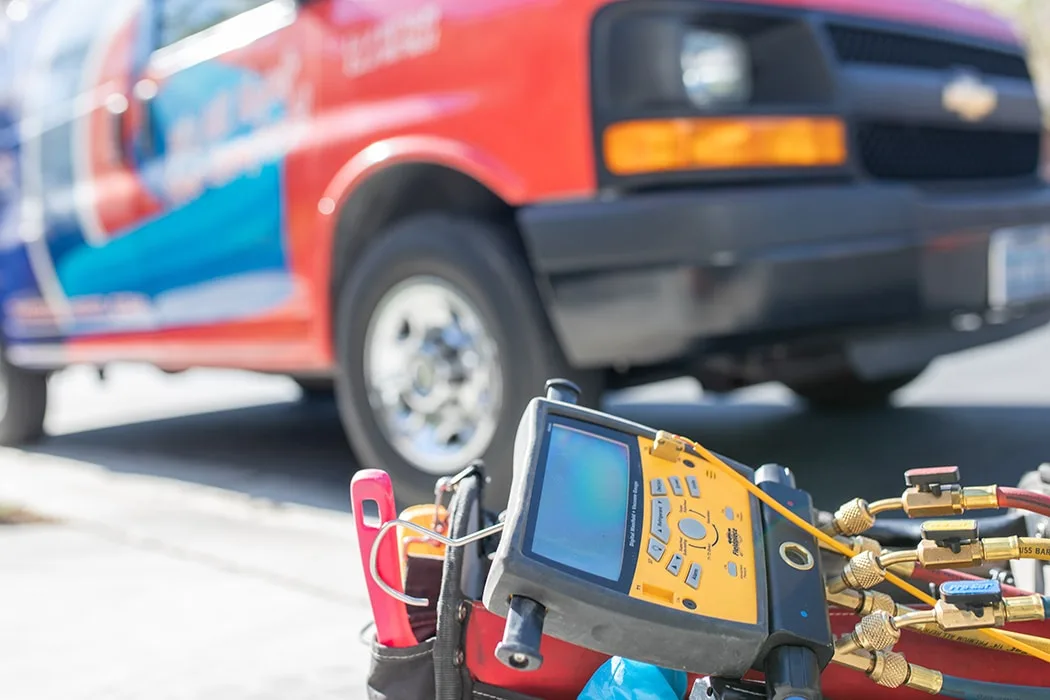
Certified technicians have training, tools, and licensing to inspect combustion systems, handle refrigerants, and test electrical safety. For gas and combustion systems, never risk DIY work that could lead to carbon monoxide exposure or gas leaks.
How do I choose technicians and take next steps?
Choose technicians who show licensing, insurance, and relevant certifications like NATE. Ask for written scopes of work, itemized estimates, and load calculations for replacements. Load calculations (Manual J) help ensure correct equipment sizing and reduce short cycling or comfort issues.
Good contractors explain options, provide clear timelines, and show warranty details. Document service visits and keep receipts. For major work, ask about required permits and code compliance. This due diligence reduces surprises and protects your investments.
What should you ask technicians?
Ask whether they perform a Manual J load calculation for replacements and if they provide the written results. Request an itemized estimate and ask which parts and labor are covered by warranties. Confirm licenses, insurance, and certifications.
Also ask about expected runtime improvement, projected energy savings, and maintenance recommendations. A thorough tech explains diagnostic steps and why they recommend specific repairs or replacements.
How to schedule The Cooling Company?
Las Vegas, Henderson, and North Las Vegas homeowners can call The Cooling Company at (702) 567-0707. Ask specifically for NATE-certified technicians, load calculations, rebate help, and maintenance plans. The company offers emergency and seasonal service across the valley for fast response.
You may qualify for federal tax credits that reduce your upfront cost.
If you live outside The Cooling Company service area, use the same checklist: seek NATE-certified techs, request written estimates, and get a Manual J load calculation before major work. A qualified pro should explain diagnostics and show the parts they will replace.
What should be in the written estimate?
A clear written estimate lists parts, labor, quantities, and the warranty on parts and labor. It should include start and completion dates and note any permits needed. Estimates that compare repair vs. Replacement options help you make an informed choice.
Get at least two written bids for major work and compare scope, brand options, and projected energy savings. Check contractor references and online reviews to confirm consistent service history.
Maintenance and next steps to prevent confusion
Routine seasonal tuneups reduce failures and keep efficiency high. An AC tuneup in spring prepares the system for heavy cooling loads. A heating tuneup in fall checks combustion safety and ignition systems. Regular service replaces worn parts early and calibrates controls.
Keep a maintenance log with dates, services, and parts changed. That history speeds diagnosis and helps with warranty claims. Consider a maintenance plan for priority scheduling and consistent service from one contractor. Plans often include discounts on parts and labor and annual inspections that find issues early.
How often replace filters?
Replace filters every one to three months for most homes. Homes with pets or high dust levels may need filter changes more often. Check filters monthly during heavy use seasons and replace as needed.
Higher-MERV or pleated filters improve air quality but can restrict airflow if not changed often. Choose a filter that balances air cleaning with the system’s airflow capabilities.
Does refrigerant type affect service?
Yes. Older systems may use R-22 refrigerant, which is now regulated and costly to service. Modern systems typically use R-410A or approved alternatives that require different oils and service procedures. Technicians need correct tools and certification to handle refrigerants safely.
When replacing older equipment, ask about refrigerant type and future service costs. New equipment uses current refrigerants and is easier and cheaper to service over the long term.
Prevention and Maintenance Tips
Regular maintenance prevents costly repairs and extends system life. Follow these Las Vegas-specific tips:
AC Maintenance Checklist
- Monthly: Check and replace air filters if dirty (especially May-September)
- Quarterly: Clean outdoor condenser coils, remove debris, trim vegetation
- Before cooling season: Schedule professional AC tuneup (March-April)
- After dust storms: Inspect outdoor unit, clean coils, replace filters
- Year-round: Keep 2 feet clearance around outdoor unit, check for refrigerant leaks
HVAC Maintenance Checklist
- Bi-annually: Schedule professional tuneups (spring for AC, fall for heating)
- Annually: Ductwork inspection and cleaning, especially in attics
- Seasonally: Check thermostat calibration, test heating before winter
- As needed: Seal visible duct leaks, clean vents and returns
- Year-round: Monitor energy bills for efficiency drops, check for unusual noises or smells
Las Vegas-Specific Prevention
- Desert dust protection: Use high-quality filters (MERV 8-11), consider pre-filters for extreme dust
- Monsoon preparation: Cover outdoor units during storms, inspect after storms
- Attic installations: Ensure proper insulation around ducts, check for heat damage
- Energy efficiency: Program thermostats to avoid peak rate hours (1-7 PM), seal windows and doors
- UV protection: Shade outdoor units where possible, use UV-resistant materials for repairs
Final checklist before you call a pro
Note whether heating or cooling fails and record observable signs like noises, leaks, ice, or smoke. Measure temperature differences between supply and return if you can. Take photos of the outdoor unit and visible ductwork to share with the technician.
Gather recent utility bills and maintenance records to help a pro gauge efficiency trends. Ask the company for a clear written estimate and timeline before work begins. A good contractor will explain repair options, projected costs, and expected outcomes.
Call to action
Las Vegas, Henderson, and North Las Vegas homeowners: call The Cooling Company at (702) 567-0707 for NATE-certified tuneups, full-system evaluations, and emergency HVAC repairs. Ask about load calculations, rebate help, and maintenance plans. We serve the valley and provide clear quotes and fast, local service.
Our expert technicians can quickly diagnose whether your issue is AC-only or requires full HVAC service, saving you time and money. We offer:
- AC Repair & Maintenance: Professional AC repair services for Las Vegas homes
- HVAC Installation: Complete HVAC system installation with proper sizing for desert conditions
- Preventive Maintenance: Seasonal tuneups to prevent costly breakdowns
- Emergency Service: 24/7 emergency HVAC repair across the Las Vegas valley
If you live outside our service area, seek NATE-certified technicians and insist on load calculations and written estimates. Still want help? Call The Cooling Company for advice, referrals, and service within Las Vegas, Henderson, and North Las Vegas.
You Might Also Like
This aspect deserves careful consideration as you evaluate your options. Understanding the details helps you make more informed decisions about service, repairs, or replacements. Consulting with qualified professionals provides additional insights specific to your situation.
Take time to consider how these points apply to your home. Making well-informed choices typically leads to better long-term outcomes and higher satisfaction. For more detail on technician roles, see the related article: “hvac technician”.
Sources and further reading:
- ASHRAE Technical Resources: ASHRAE Technical Resources
About The Cooling Company
The Cooling Company has been serving the Las Vegas valley with professional HVAC services for over a decade. Our team of licensed, NATE-certified technicians specializes in air conditioning repair, heating system maintenance, and complete HVAC installations. We're committed to providing honest, reliable service with upfront pricing and a 100% satisfaction guarantee on all work performed.
- Phone: (702) 567-0707
- Reviews: 4.9/5 stars (500 reviews) - See reviews
Service Areas
We proudly serve homeowners and businesses throughout the Las Vegas metropolitan area, including Las Vegas, Henderson, and North Las Vegas. Our service technicians are available for same-day appointments in most areas, with emergency service available 24/7 for urgent HVAC issues.
Need HVAC Service in Las Vegas?
The Cooling Company provides expert HVAC service throughout Las Vegas, Henderson, and North Las Vegas. Our licensed technicians deliver honest assessments, upfront pricing, and reliable results.
Call (702) 567-0707 or visit AC repair, maintenance, heating, or installation for details.