

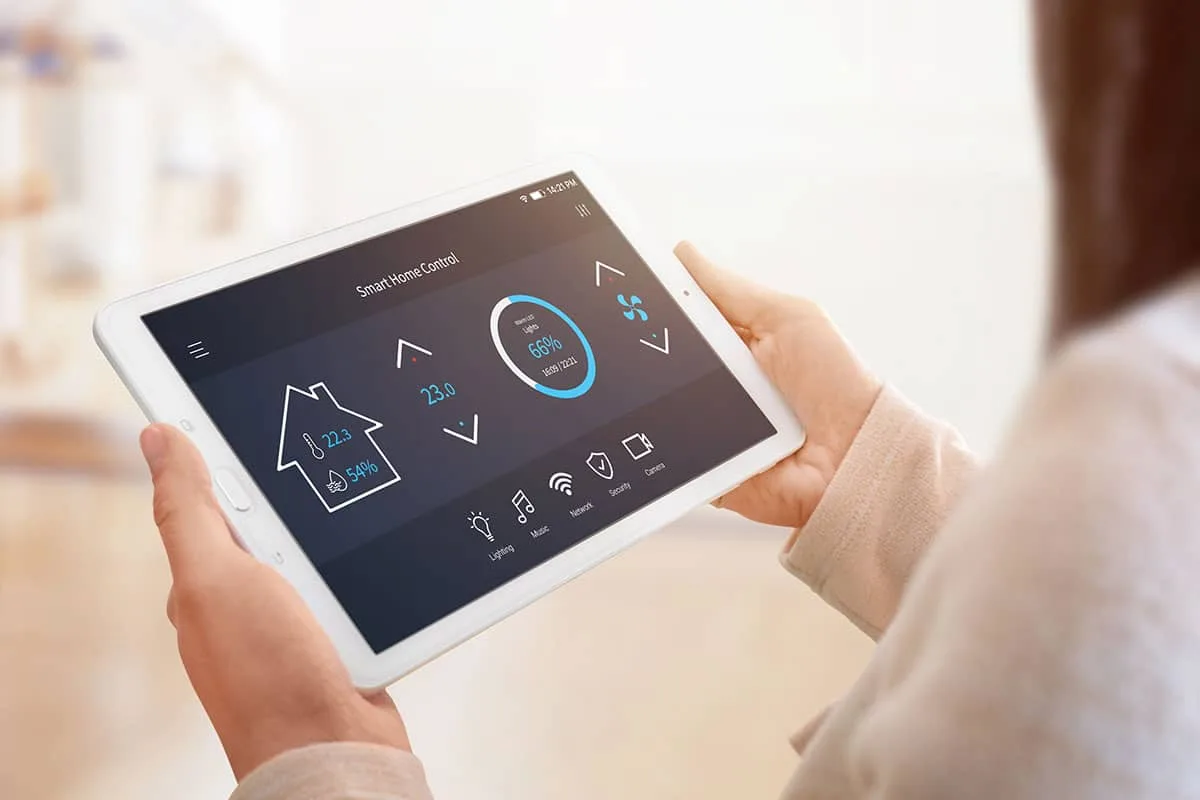
Efficient heating and cooling cut bills fast by sealing leaks, adding insulation, and fixing ducts. Run a Manual J load first. Choose a properly sized heat pump or high-efficiency AC. Add smart thermostats and good ventilation to save energy while keeping air healthy and comfort steady. (Source: Energy gov Heat Pump Tips)
Short answer: Energy-efficient heating and cooling reduces bills by 20-50% through proper sizing, high-efficiency equipment, air sealing, duct sealing, and smart controls. In Las Vegas, where AC systems run 10-11 months per year and summer temperatures exceed 110°F, efficiency upgrades deliver faster payback. Start with Manual J load calculations, then prioritize air sealing and insulation before equipment upgrades. Heat pumps offer efficient year-round heating and cooling in Las Vegas's mild winters. Las Vegas homeowners can save $100-300+ monthly with properly sized, efficient systems. Federal tax credits and utility rebates can offset 30-50% of costs.
Key Takeaways
- Start with a Manual J load and fix ducts before replacing equipment.
- Air sealing and insulation often pay back faster than new HVAC gear.
- Heat pumps deliver big combined heating and cooling savings when sized well.
- Smart controls, zoning, and maintenance protect efficiency and comfort.

What are the best first steps to cut HVAC bills?
The first task is to know your home's true heating and cooling needs. A Manual J load calculation uses home dimensions, insulation values, window types, and local climate. In Las Vegas, where desert heat and extended cooling seasons create unique loads, proper sizing is critical. This calculation helps avoid oversizing, which causes short cycles and higher bills. Have a qualified technician or energy assessor produce or review the Manual J report.
After you know the load, target the building shell and duct system. Air sealing and insulation often reduce loads enough to let you choose smaller equipment. In Las Vegas homes, attic insulation and duct sealing in unconditioned spaces deliver especially high returns due to extreme heat gain. Focus on attic access points, rim joists, and plumbing penetrations. Repairing these leaks is usually faster to pay back than replacing a full HVAC system.
Las Vegas Priority Checklist
- First: Manual J load calculation, blower door test, duct leakage test
- Second: Attic insulation to R-38+, air sealing (attic bypasses, rim joists, windows)
- Third: Duct sealing in attics/crawlspaces, duct insulation
- Fourth: Equipment upgrade with proper sizing, high SEER2/HSPF ratings
- Ongoing: Filter changes every 1-2 months, annual tune-ups, smart thermostat programming
Why start with a load calculation?
A load calculation gives a room-by-room estimate of heat loss and gain. It uses climate data, R-values, and window U-factors. Without it, contractors may rely on rule-of-thumb sizing that leads to oversized units. Oversizing hurts humidity control and increases operating costs. Always keep the Manual J report with project records. (Source: Energy gov Heat Pump Tips)
How to spot attic and duct leaks?
Begin with a visual attic inspection for gaps and missing insulation. Look for daylight at soffits and openings around chimneys and vents. For ducts, feel for air movement at seams and register boots while the system runs. Simple tests can show obvious problems before you hire a professional.
For a precise picture, use diagnostic tests like blower door and duct blaster tests. These quantify whole-house and duct leakage and set priorities. A contractor can provide numbers and a sealing plan tied to expected savings.
Prioritize shell improvements first
Start with the biggest, easiest wins. Attic air leaks, uninsulated kneewalls, and rim joist gaps are common high-impact areas. Spending on these locations yields larger load reductions per dollar. When you lower the load, you lower the required equipment size and the long-term energy bill.
Work in stages if needed. Do the most cost-effective fixes first and re-run the load estimate to see if you can downsize the planned HVAC equipment.
When should you replace equipment versus repair?
Deciding whether to repair or replace a system depends on age, repair frequency, and efficiency. Older equipment often needs frequent repairs and runs inefficiently. If a unit is over 10–15 years old, replacement can be cheaper over its remaining life. Compare repair cost, expected remaining life, and savings from a new, efficient system.
Consider fuel and electricity prices and the potential for a heat pump to lower yearly costs. Also evaluate ducts and the home shell. Replacing a system while ducts leak or the shell is poor wastes potential savings. Repair the envelope and ducts first to make the new unit effective.
How to estimate payback and lifecycle cost?
To estimate payback, divide the added upfront cost by expected annual energy savings. Use realistic run hours and local utility rates. Include likely maintenance costs and expected life. Subtract rebates and tax credits from upfront cost to find net price.
You may qualify for federal tax credits that reduce your upfront cost.
Use our energy savings guide to estimate your potential savings.
Then consider lifecycle costs: energy, repairs, and replacement over the system life. A simple payback shows how quickly you recover extra expense. Lifetime cost analysis shows which choice gives the lowest total cost of ownership.
What common installation mistakes hurt efficiency?
Common errors include wrong refrigerant charge, poor airflow, and incorrect duct sizing. Oversized compressors and unsealed ductwork also reduce efficiency. Installers sometimes skip condensate safeguards and proper line-set insulation, which can lead to failures and reduced performance.
Demand a post-install commissioning check. That should include measured airflow, refrigerant charge verification, and temperature split tests to confirm the system meets design targets.
Signs your system is near end of life
Watch for frequent breakdowns, rising energy bills, and poor comfort even after repairs. See our signs you need a new HVAC system guide for more detail. If efficiency ratings are low compared with modern units, replacement can pay back faster. Rusted heat exchangers, noisy operation, and short cycling are other warning signs. Combine these signs with repair history to make a sound decision.
Which equipment upgrades give the most savings?
After shell and duct fixes, pick systems that match your climate and loads. Heat pumps now deliver strong combined heating and cooling efficiency in many regions. Choose models with variable-speed compressors and high seasonal efficiency ratings. These systems run longer at lower output, reducing cycling losses and improving comfort.
Ductless mini-splits offer zone control and avoid duct losses. They are useful for additions, garages converted to living space, and rooms served poorly by central systems. When selecting, focus on inverter-driven compressors and proper sizing so they do not short-cycle.
How do heat pumps compare to furnaces?
Heat pumps move heat rather than burn fuel, so they can be two to four times more efficient than combustion heating. They provide both heating and cooling in one system. Cold-climate heat pumps maintain good performance at low outdoor temperatures. Savings depend on electricity and gas prices and correct installation.
Consider climate and fuel costs. In some areas, a heat pump replaces both an air conditioner and a gas furnace and simplifies maintenance and controls. Evaluate expected running costs rather than rated efficiencies alone.
What is SEER, HSPF, and COP?
SEER is the seasonal energy efficiency ratio for cooling. Higher SEER numbers mean less electricity for the same cooling output. HSPF measures seasonal heat-pump heating efficiency. COP (coefficient of performance) measures instant efficiency at a given condition.
Look at these metrics together. SEER and HSPF show seasonal performance while COP gives a snapshot. Use manufacturer performance tables and ratings to compare models for your climate.
Are variable-speed and ductless systems worth it?
Variable-speed compressors match output to load and cut short cycling. This improves humidity control and lowers energy use. Ductless systems avoid duct losses and enable room-by-room control. Both cost more up front but often pay back in comfort and lower operating costs for targeted installs.
If your home has leaky ducts or spaces that are used sporadically, these technologies can be especially effective. Consider life-cycle savings and how the system fits your household patterns.
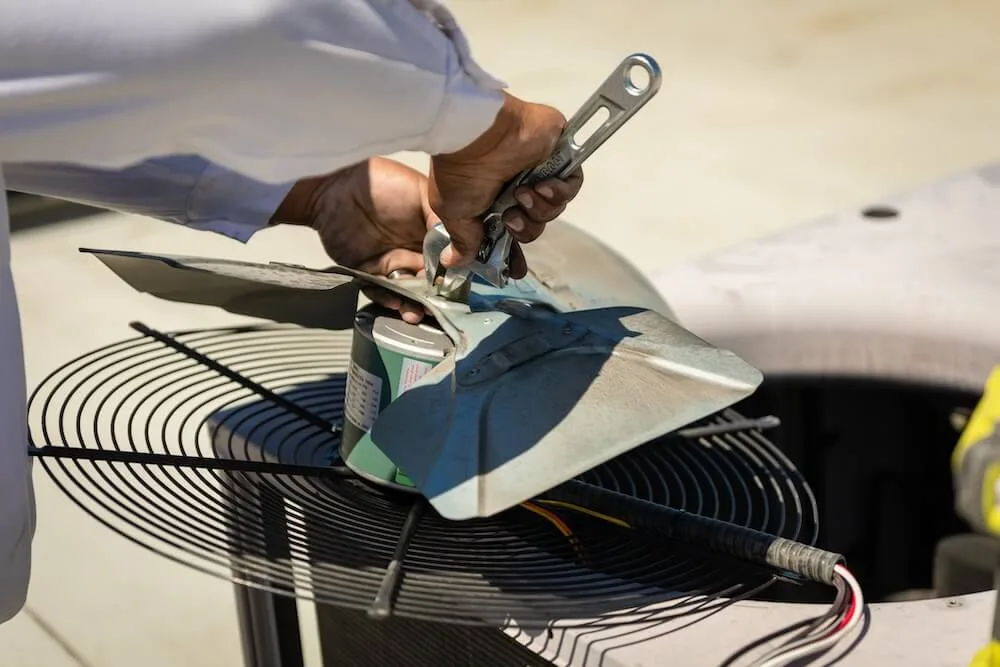
How to prepare the home for an HVAC upgrade?
Good preparation prevents overspending on oversized equipment. Start with an energy assessment, including blower door testing when possible. Fix major air leaks and add insulation in key areas like the attic and rim joists. Proper prep reduces required system capacity and improves post-install comfort.
Document wall R-values, window types, and insulation levels so contractors use accurate inputs in load calculations. Share those details and the Manual J report with bidders to ensure consistent offers and accurate comparisons.
What air sealing steps matter most?
Seal attic bypasses, gaps around chimneys, and plumbing stacks first. Use spray foam for irregular gaps and caulk for small cracks. Install weatherstripping on exterior doors and seal obvious window drafts. These steps tackle the biggest uncontrolled airflows at relatively low cost.
Target the largest leaks first. A small number of big leaks usually accounts for most uncontrolled airflow. Fixing these first gets the best return on your labor and materials.
How to choose insulation R-value?
Required R-value depends on climate and installation location. Consult local code and Department of Energy guidance for recommended levels. In many cases, the attic benefits from higher R-values, while walls and floors have different optimal targets.
Beyond R-value, installation quality matters. Compressed or poorly installed insulation performs below its rating. Choose materials and installers with good references and follow best practices to capture the expected benefit. [Point 1] (Source: Energy gov Heat Pump Tips)
What financing and incentives can lower costs?
Rebates and tax credits can reduce net project cost for heat pumps, insulation, and duct sealing. Programs vary by state and utility. Many rebates require certified installers or specific product ratings. Check program rules early to choose eligible equipment and certify the work properly.
Some incentives require pre-approval or post-install test reports like blower door or duct blaster results. Keep invoices, model numbers, and installer certifications in one file. Accurate records speed rebate processing and reduce the risk of denied claims.
What federal and utility rebates apply?
Federal incentives sometimes cover heat pumps and insulation, but eligibility rules change. Utility programs often offer rebates for high-efficiency equipment, smart thermostats, and duct sealing. Check requirements for product ratings and installer certification and stack rebates where allowed.
Ask contractors to include rebate documentation in their proposal. Many local programs require test reports or specific installation steps to qualify. Plan the project so incentives apply and lower your net cost.
How to document projects for rebates?
Save invoices, model numbers, and installer credentials in a single folder. Many programs want photos and test reports. Submit paperwork promptly and keep copies for tax and warranty purposes. Contractors should help assemble required documents to avoid delays.
Keeping neat records also helps with warranty claims and future resale documentation. A clear paper trail proves that work met program and manufacturer requirements.
What financing terms should homeowners watch for?
Compare interest rates, fees, and total loan cost when financing upgrades. Be cautious with deferred-interest offers that can balloon after a promotion ends. Look for fixed rates and clear repayment terms.
Consider home equity lines, personal loans, or specialized energy loan programs. Compare total cost over the loan life, not just monthly payments, and read all terms before signing.
Ready to act: who should you call?
If you live in the Las Vegas area, call The Cooling Company at (702) 567-0707 for assessments and installations. The company performs Manual J load calculations, duct testing and sealing, and installs high-efficiency heat pumps. We understand Las Vegas heat challenges and can recommend the right efficiency upgrades for your home. Ask for written test results and a clear scope of work with rebate guidance.
Outside the Las Vegas area, seek NATE-certified technicians and contractors who perform diagnostic testing and provide written Manual J reports. Certification and test data are strong indicators of a careful contractor.
Cost Drivers in Las Vegas
- Equipment: High-efficiency systems (16+ SEER) cost $3,500-$8,000+ installed; heat pumps $4,000-$10,000+
- Ductwork: Sealing costs $500-$2,000; replacement $3,000-$8,000+ depending on home size
- Insulation: Attic insulation $1,500-$4,000; air sealing $500-$2,000
- Rebates: Utility rebates $500-$1,500; federal tax credits up to $2,000
- Savings: Typical Las Vegas homeowner saves $100-$300+ monthly with comprehensive upgrades
How The Cooling Company helps in Las Vegas area?
The Cooling Company offers in-home energy assessments and blower door or duct tests in Las Vegas, Henderson, and North Las Vegas. Their technicians provide Manual J reports and post-install commissioning. They assist with local utility rebates and federal tax credit paperwork to help lower the net project cost.
Ask for a written scope, commissioning results, and expected energy savings. That documentation helps secure rebates and ensures the work was done to the agreed standard.
Where to find certified contractors outside our area?
Search for NATE-certified technicians and ask for Manual J reports and duct testing. Request references and proof of licensing before signing a contract. A careful contractor will show test results and explain expected savings and payback in plain terms.
Visit the NATE website for certification details and to learn what qualifications mean. Use the certification as one filter when selecting bids and compare written performance guarantees.
Final checklist before signing a quote
Ask for a written Manual J load calculation that matches your home's insulation and windows. Confirm duct testing, sealing, and insulating work in unconditioned spaces. Get a post-install performance check and a commissioning report that verifies refrigerant charge and airflow.
Review warranties, labor terms, and maintenance plans. Keep rebate and tax credit paperwork organized. Choose the contractor that documents work clearly and shows past similar installs for the best long-term result.
Get started: call The Cooling Company today
If you are in Las Vegas, Henderson, or North Las Vegas and want an energy assessment or HVAC upgrade, call The Cooling Company at (702) 567-0707. Our team runs Manual J calculations, duct tests and sealing, and installs heat pumps and smart controls. We provide written reports and help with rebate paperwork.
Out-of-area readers should use NATE to find certified technicians in their region. If you are local, scheduling an assessment with The Cooling Company starts with a phone call to (702) 567-0707. Let our technicians create a clear plan that saves energy and raises comfort.
Sources
Energy information and heat pump guidance: Energy gov Heat Pump Tips
Compliance note: This article provides general information. Contact local professionals for site-specific advice and verify incentive rules before purchase.
Related reading: what to explore next?
- Why Is My Upstairs So Hot and Downstairs Cold: 3 Fast Fixes
- Energy Efficient Heater: Cut Heating Bills with Top Upgrades
- HVAC Energy Efficiency: Cut Your Bills with Simple Upgrades
- Energy Saving Tips: Cut Your Bills Fast with 10 Easy Changes
About The Cooling Company
- Phone: (702) 567-0707
Share This Page
References
- U.S. Department of Energy (Energy.gov) (accessed 2025-12-24)
- U.S. Environmental Protection Agency (EPA) (accessed 2025-12-24)
- ASHRAE (Standards and guidance) (accessed 2025-12-24)
- ENERGY STAR (Heating & cooling) (accessed 2025-12-24)
Related service: Considering a heat pump for your Las Vegas home? Explore our heat pump installation and heating services services for Las Vegas homeowners.
Need Energy-Efficient HVAC Service in Las Vegas?
The Cooling Company provides expert heating and cooling service throughout Las Vegas, Henderson, and North Las Vegas. Our licensed technicians deliver honest assessments, upfront pricing, and reliable results.
Call (702) 567-0707 or visit HVAC services, heating, AC repair, or heat pump installation for details.