

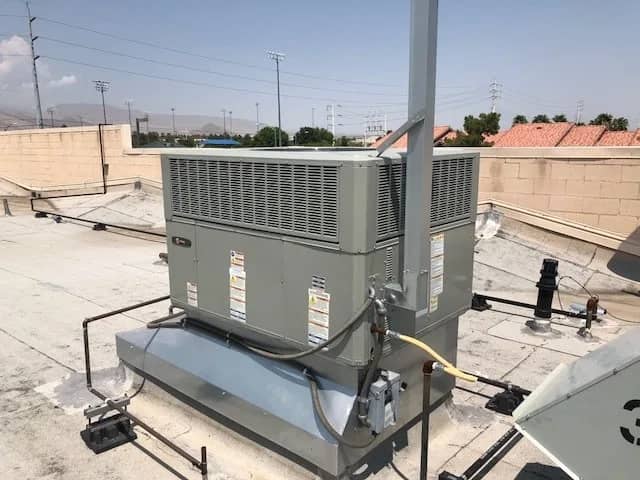
Furnace Installation Aliante: Get Same-Day Service That Lasts
Short answer: Proper furnace installation in Aliante means correct sizing, sealed combustion, and permits for safety. Require a Manual J load calculation and an ECM blower when possible. Compare itemized bids, check permit and inspection records, and consider a heat pump or hybrid for many Las Vegas homes. In Las Vegas, where heating systems sit idle during long summers and then face sudden cold snaps, proper sizing and installation are critical. Desert heat, dust, and mild winters make efficiency and reliability essential for long-term value.
Las Vegas Furnace Installation Context
Las Vegas homeowners in Aliante face unique furnace installation considerations due to extreme temperature swings and long cooling seasons. The Las Vegas Valley experiences mild winters with occasional cold snaps, but heating systems run far fewer hours than cooling systems. Unlike colder climates, heating needs here are modest, making upfront efficiency investments less critical than in northern states. Desert dust, long cooling seasons, and high summer energy costs make dual-purpose heat pumps especially attractive for many Aliante homes.
During winter months (December through February), furnace installation becomes critical for comfort. Aliante and surrounding neighborhoods—from Summerlin and Henderson to North Las Vegas—all face similar mild winter conditions, but home age, insulation quality, and existing infrastructure vary significantly. Older homes may need ductwork upgrades alongside furnace installation, while newer homes can often do straightforward replacements.
Yes. Proper furnace installation in Aliante means correct sizing, sealed combustion, and permits for safety. Require a Manual J load calculation and an ECM blower when possible. Compare itemized bids, check permit and inspection records, and consider a heat pump or hybrid for many Las Vegas homes. (ASHRAE Technical Resources)
Key Takeaways
- Require a Manual J load calculation before picking equipment.
- Target sealed combustion, ECM blowers, and duct sealing for best comfort.
- Expect typical installed costs from about $4,500 to $10,000 depending on efficiency and scope.
- Ask for itemized bids and combustion test reports on gas installs.
This guide explains what to check when planning furnace installation in Aliante. It covers sizing, permits, contractor bids, cost ranges, and follow-up steps. Read the key takeaways first, then examine the details. The aim is to help you make clear, safe choices without extra jargon.
Why install a new furnace in Aliante?
A new furnace improves comfort and reliability, even in a desert climate like Aliante. Winters are milder here than in many parts of the country, but homes still need steady heat during cold snaps. A properly installed furnace will cycle less and recover faster. That reduces noise and lowers the chance of emergency breakdowns. Read our guide to choosing a furnace installation contractor for key questions to ask before hiring.
Safety and resale value are other strong reasons to replace an old unit. Modern sealed-combustion furnaces reduce indoor combustion risks. Correct venting and a proper combustion test protect occupants from carbon monoxide. A documented, permitted installation also helps when you sell your home. Buyers and insurers look for clear service records and inspection cards.
How does a furnace work in desert climates?
A furnace burns fuel to heat air. A blower moves that heated air through ducts to rooms. In desert or mild climates, the furnace runs for fewer hours than in cold climates. Shorter runtime can hide improper sizing or poor airflow because problems show up quickly when the system cycles.
Because runtime is short, proper sizing and airflow matter even more. An oversized furnace will short-cycle, which can cause uneven temperatures and more wear. Proper duct work and a variable-speed blower help keep air moving gently and evenly.
What is AFUE and why does it matter?
AFUE stands for Annual Fuel Utilization Efficiency. It measures how much of the fuel’s energy becomes heat over a year. Older furnaces often run from 60% to 80% AFUE. New high-efficiency condensing furnaces can reach 95% to 98% AFUE.
You may qualify for federal tax credits that reduce your upfront cost.
High AFUE units save fuel, but payback time depends on local climate and how much you use heat. In Las Vegas-area homes with mild winters, the gas savings may take longer to cover the higher equipment cost. Balance expected energy savings with upfront budget and how long you plan to stay in the home.
Use our energy savings calculator to estimate your potential savings.
How do blower types affect comfort?
The blower moves heated air through the home. PSC motors are single-speed and simple. They run at full power when on and can create noise and uneven temperatures. An ECM blower is electronically commutated and runs at variable speeds.
ECM blowers use less electricity and offer better airflow control. They can run slowly for better circulation or speed up when more heat is needed. That improves room-to-room balance and can reduce overall run times for the furnace.
How to choose between furnace and heat pump?
A heat pump moves heat instead of burning gas. In mild winters, a heat pump can be more efficient for most heating hours. However, heat pumps need backup heat during the coldest snaps, and some models lose efficiency when temperatures drop.
Compare annual energy use, local rebates, and whether you want gas backup. Many Aliante homes benefit from heat pumps, especially if you already have good insulation and ducts. If you prefer gas for the coldest days, consider a hybrid system with both a heat pump and a gas furnace.
When is a hybrid system better in Aliante?
A hybrid system pairs a heat pump with a gas furnace to get the best of both technologies. The heat pump handles most heating in shoulder seasons and mild days. The gas furnace provides reliable backup during the coldest hours.
Choose a hybrid when you want lower seasonal energy use but still want gas reliability for occasional cold snaps. Factor in combined installation cost, maintenance for two systems, and any local incentives or rebates that favor one technology over the other.
How to size and select the right furnace?
Sizing must start with data, not guesswork. A Manual J load calculation measures the home’s heat loss and gives a target capacity for the furnace. Manual S takes that result and helps match a specific model to your needs. Proper sizing prevents short cycling and helps with humidity control and comfort.
After the load calc, look at the duct system and thermostat compatibility. A furnace with the right blower and controls will deliver the design airflow. Check for features like ECM motors, sealed combustion, and correct venting. On condensing furnaces, confirm proper condensate handling and a slope for drain lines.
How to calculate loads for furnace installation Aliante?
A technician will measure walls, windows, attic insulation, doors, and room orientation to perform a Manual J. The calculation also uses local climate data and heating degree days. It tallies heat loss by room and gives a recommended capacity in BTU/h.
Always ask for the written Manual J report with the quote. The report shows assumptions used for insulation values and window performance. If those inputs seem wrong, request corrections before choosing equipment.
What size furnace is too large for a Las Vegas home?
A unit that is sized well above the Manual J result is too large. Oversized units cycle on and off rapidly, a problem known as furnace short cycling. Short cycles reduce comfort, raise wear, and can create drafts. If a quote lacks a Manual J, insist on one before signing any contract.
Also ensure the installer matches the furnace to your ductwork. A big furnace on small ducts may not deliver the needed airflow. Confirm rated airflow in cubic feet per minute (CFM) and compare it to your system’s design.
How do ducts and airflow affect sizing?
Leaky or poorly designed ducts force a furnace to work harder. That raises fuel use and can limit output to rooms furthest from the unit. Test ducts for leaks and measure airflow at main runs. Duct sealing and insulation often cost much less than upsizing equipment.
Address duct issues before finalizing equipment size. After sealing and balancing ducts, recheck the Manual J results if major changes were made. Correct airflow ensures the selected furnace will deliver comfort as intended.
What permits and safety checks are required?
Permits and inspections protect homeowners. Mechanical and gas permits are common for furnace replacements in the Las Vegas area. Permit records document the work and help with future claims or resale. Contractors should pull required permits and arrange inspections as part of the job.
Technicians need to run combustion tests, check carbon monoxide levels, and pressure-test gas connections. Keep combustion analysis printouts and inspection cards in your service file. These documents are part of the home’s safety and warranty records.
Which permits cover furnace installation Aliante?
Mechanical and gas permits usually apply to furnace replacements in the Las Vegas area. Permit needs vary if you change gas piping, chimney venting, or add new vent terminations. Your installer should know local rules and handle permit submittal.
Ask to see the permit card or digital record before work begins. A professional installer will include permit pull as part of the job and list permit fees on the final invoice.
What gas safety inspections are standard?
Inspectors check pipe size, joints, and leaks. They may perform a pressure test or use a gas sniffer to confirm no leaks exist. For every gas furnace install, a combustion analysis and CO reading are required.
Request the written test results after service. These reports show draft, CO, flue temperature, and burner performance. Keep the printed or digital copy with the furnace manuals and warranty cards.
How are venting and combustion tested?
Technicians test draft, flue gas temperatures, and CO at the appliance and sometimes in living spaces. They check for proper termination and clearances. Sealed-combustion units use outside air for combustion and lower backdraft risk.
If venting modifications are made, confirm the inspector reviewed the changes. Keep all test printouts and the final inspection sign-off in your service file for future reference.
How to evaluate contractor quotes?
A clear quote lists model numbers, AFUE, blower type, labor, and permit fees. It should itemize duct work, venting changes, and testing. Ask for at least three written estimates that cover the same scope. Side-by-side comparisons help reveal omissions or inflated costs.
Also check for written warranties on labor and parts. Ask how long the installer will cover labor and whether the manufacturer warranty transfers. Verify license and insurance before signing. Check local references for completed jobs similar to yours.
What red flags appear in contractor estimates?
Watch for vague scopes, no Manual J, or no permit mention. Bids that skip combustion testing or list very low prices may indicate corners will be cut. Ask for clarification on any line items you do not understand.
Request references from recent local installs. A trustworthy contractor will provide names and contact info for homeowners who agree to be contacted. Local reviews and word-of-mouth remain useful checks.
Does furnace installation Aliante include labor and permits?
Some bids include labor and permits in the total price. Others list them separately. Confirm exactly what the price covers and get a line-by-line estimate. Understand who pulls permits and who arranges inspections.
Compare bids by scope rather than just the final number. A low price that omits duct sealing or required venting changes will likely cost more later.
How much will installation cost and how long?
Installed furnace costs vary with efficiency, labor, and duct needs. Mid-efficiency straight swaps commonly range from about $4,500 to $6,500. High-efficiency condensing installs often fall between $7,500 and $10,000. Duct repairs, new venting, or gas line work raise the price further.
Time on site varies by complexity. A straight swap with matching vents and ducts may finish in one day. New venting, condensate lines, or duct repairs can extend the job to two or three days. Allow time for final inspections and any required follow-up adjustments.
What is the typical labor cost range?
Labor depends on access, venting, and gas work. Simple swaps in easy locations may cost a few hundred dollars in labor. Complex installs that require attic work, new gas runs, or major vent changes can add a few thousand dollars to the labor total.
Ask installers for an estimated labor hour total. That helps you compare bids with different labor rates. Make sure the quote states who pays for permits and inspection fees.
How do equipment tiers affect price?
Basic mid-efficiency furnaces cost less upfront and meet core heating needs. Adding ECM blowers, two-stage heat, or condensing technology increases equipment cost. Higher tiers provide better efficiency and often more consistent comfort.
Match features to your expected stay length and budget. If you plan to sell soon, prioritize features that raise resale value and have clear documentation. If staying long-term, higher efficiency may pay back in energy savings.
What timeline for simple replacements?
Simple replacements with matching vents and ducts often finish in one workday. Techs remove the old unit, set the new unit, reconnect gas and ducts, and run startup checks. They complete combustion tests and basic airflow checks.
Schedule a final inspection with the local code office if required. Allow additional days for permit sign-off or for scheduling a follow-up if the inspector requests changes.
How to prepare for installation and follow-up?
Clear access to the furnace, attic, or closet space before technicians arrive. Remove stored items and ensure a clear path for equipment removal and placement. Secure pets and note any gate or access codes for the crew.
After install, request combustion analysis, CO checks, and a duct leakage test if ducts were altered. Schedule a follow-up visit within a few months to verify performance and tune the system. Keep all service records, inspection cards, and warranties in one file for easy access.
How to prepare your home for installation?
Clear a workspace near the furnace and along access routes to attics or closets. Move flammable or fragile items away from the work area. Turn off scheduled services like cleaners or lawn crews on install day to avoid conflicts with technicians.
Provide past utility bills and any equipment records to the technician. That data helps them confirm the expected load and can speed the Manual J verification and final setup.
Which questions should I ask contractors?
Ask for license, insurance, and local references. Request the Manual J report, the Manual S equipment match, model numbers, AFUE, motor type, and expected labor hours. Confirm permit handling and warranty terms in writing.
Also ask about post-install service and follow-up checks. A good contractor will provide startup documentation, combustion printouts, and a plan for a short-term follow-up to tune the system.
What should final walkthrough include?
Confirm permit sign-off and view the inspection card or digital record. Have the technician show thermostat settings and explain how to call for service. Ask to review combustion and CO test results and the startup checklist.
Collect manuals, warranty cards, and a final itemized invoice. Keep these in a folder with the inspection printouts and the Manual J report for future service calls or for resale documentation.
Ready to get a local estimate?
If you live in Las Vegas, Henderson, or North Las Vegas, call The Cooling Company at (702) 567-0707 for a local, licensed estimate. Our techs handle permits, testing, and clear itemized quotes. We offer NATE-certified technicians and written Manual J reports for every job.
See why homeowners trust us — view our industry awards and certifications.
Outside the area, ask for NATE-certified techs and a written Manual J and Manual S. Compare local bids on the same scope, then contact a trusted local firm. If you are in our service area, call The Cooling Company for a prompt estimate.
You Might Also Like
This aspect deserves careful consideration as you evaluate your options. Understanding the details helps you make more informed decisions. Consulting with qualified professionals provides additional insights specific to your situation. Take time to consider how this information applies to your particular needs and circumstances. Making well-informed choices typically leads to better long-term outcomes and greater satisfaction.
- Furnace Repair in Henderson
- Furnace Repair in Las Vegas
- Ruud Furnace Problems
- Furnace Cost in Las Vegas
- Furnace Types: Fuel, Technology, and Efficiency
Share This Page
About The Cooling Company
The Cooling Company has been serving the Las Vegas valley with professional HVAC services for over a decade. Our team of licensed, NATE-certified technicians specializes in air conditioning repair, heating system maintenance, and complete HVAC installations. We're committed to providing honest, reliable service with upfront pricing and a 100% satisfaction guarantee on all work performed.
- Phone: (702) 567-0707
- Reviews: 4.8/5 stars (780+ reviews) - See reviews
Service Areas
We proudly serve homeowners and businesses throughout the Las Vegas metropolitan area, including Las Vegas, Henderson, and North Las Vegas. Our service technicians are available for same-day appointments in most areas, with emergency service available 24/7 for urgent HVAC issues.
References
- U.S. Department of Energy (Energy.gov) (accessed 2026-01-02)
- U.S. Environmental Protection Agency (EPA) (accessed 2026-01-02)
- ASHRAE (Standards and guidance) (accessed 2026-01-02)
- ENERGY STAR (Heating & cooling) (accessed 2026-01-02)
Need Heating Service in Las Vegas?
The Cooling Company provides expert heating service throughout Las Vegas, Henderson, and North Las Vegas. Our licensed technicians deliver honest assessments, upfront pricing, and reliable results.
Call (702) 567-0707 or visit heating, furnace repair, heat pump installation, or heating maintenance for details.