

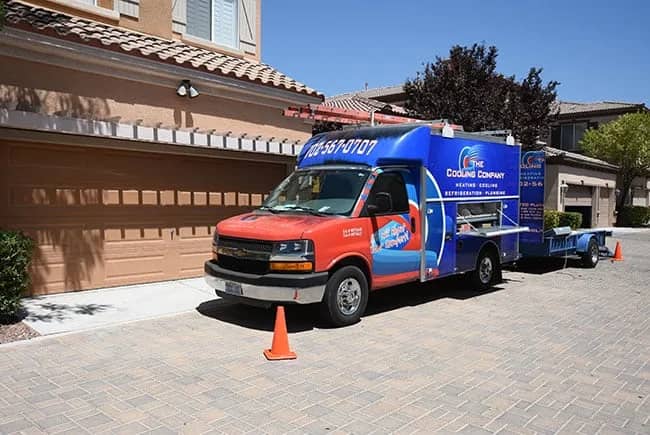
Short answer: Las Vegas winters may be mild compared to northern states, but reliable heating remains essential for comfort and safety. A well-maintained furnace not only keeps your home warm but also saves money on energy bills and reduces the risk of hazardous issues like carbon monoxide leaks. Regular furnace tune-ups can cut energy consumption by 5–15%, according to The Cooling Company, translating into noticeable savings over time.
Try our energy savings calculator to see how much you could save.
Quick answers and safety
How often should a furnace be serviced
Annual furnace servicing is the sweet spot for most homes. Experts recommend scheduling a professional tune-up once a year, ideally before the heating season begins. This timing ensures your system is ready to perform when temperatures drop. Nearly half of homeowners (49.2%) already follow this routine, according to a 2025 survey by The Cooling Company. Some may ask, “If my furnace runs fine, do I really need a tune-up?” The answer is yes. Regular maintenance catches small problems before they become costly repairs or safety hazards. For example, a cracked heat exchanger can lead to carbon monoxide leaks, a silent and deadly risk. Annual checkups preserve your warranty and keep your system running efficiently, lowering energy bills. Takeaway: Schedule a professional furnace tune-up every year to maximize safety and efficiency.What does a tune up include
A typical furnace tune-up involves a thorough inspection and cleaning of key components. Technicians check and adjust burners, inspect the heat exchanger, clean or replace filters, verify airflow, and test safety controls. They also measure temperature rise—the difference between air entering and leaving the furnace—to ensure the system is operating within manufacturer specifications. Think of it like a car’s oil change combined with a safety inspection. Just as neglecting oil changes can damage your engine, skipping furnace tune-ups can reduce efficiency and lead to breakdowns. Basic tune-ups start around $58 nationally, with more advanced cleaning and diagnostics reaching over $120, according to Thumbtack. Additionally, during a tune-up, technicians often check the electrical connections and ensure that all components are securely fastened. They may also inspect the flue pipe for obstructions, which can prevent harmful gases from escaping. This comprehensive approach not only enhances safety but also optimizes the overall performance of your heating system, ensuring that your home remains warm and comfortable throughout the winter months. Takeaway: A furnace tune-up is a comprehensive check that keeps your system running safely and efficiently.Do i need maintenance on a new furnace
Even new furnaces require regular maintenance. While warranties may cover some repairs, most manufacturers require annual servicing to keep the warranty valid. Skipping maintenance can void coverage and lead to premature failure. New systems might run smoothly initially, but dust, dirt, and wear accumulate quickly. Regular tune-ups help maintain peak performance and prolong lifespan, which can reach 15-20 years with proper care, compared to 8-10 years without, as reported by The Cooling Company. In addition to prolonging the life of your furnace, routine maintenance can also improve air quality in your home. A well-maintained furnace operates more efficiently, reducing the amount of dust and allergens that circulate in your living space. This is particularly important for households with individuals who suffer from allergies or respiratory issues, as cleaner air can significantly enhance their comfort and health. Takeaway: Maintain your new furnace annually to protect your investment and warranty.What temperature rise should i see
Temperature rise is the increase in air temperature as it passes through the furnace. Manufacturers specify an acceptable range, usually between 30°F and 70°F, depending on the model. If the rise is too low, the furnace may not be heating effectively; too high, and the system could be overheating, risking damage. During a tune-up, a technician measures this rise to verify proper operation. For example, if your thermostat is set to 70°F, the air leaving the furnace might be 100°F. Deviations outside the recommended range indicate airflow or burner issues. Monitoring temperature rise is essential not only for efficiency but also for safety. If the temperature rise is consistently too high, it may indicate that the furnace is working harder than it should, which can lead to increased wear and tear on components. This situation can potentially result in costly repairs or even system failure if not addressed promptly. Regular assessments during maintenance can help mitigate these risks and ensure your furnace operates within safe parameters. Takeaway: Ensure your furnace’s temperature rise stays within the manufacturer’s range to avoid inefficiency and damage.Do I need a co alarm and where
Carbon monoxide (CO) alarms are essential in any home with a fuel-burning furnace. CO is a colorless, odorless gas that can cause serious health problems or death. Experts recommend installing alarms near sleeping areas and on every level of your home. Regular furnace maintenance helps prevent CO leaks, but alarms provide a critical second line of defense. Test alarms monthly and replace batteries annually. If your furnace is in the attic or basement, place alarms nearby but not directly in the furnace room to avoid false alarms. In addition to installing CO alarms, it’s wise to familiarize yourself with the symptoms of carbon monoxide poisoning, which can include headaches, dizziness, and confusion. Being aware of these signs can be crucial in an emergency. Furthermore, consider integrating smart CO alarms that can send alerts to your smartphone, providing an added layer of safety by keeping you informed even when you're not at home. This proactive approach can be invaluable, especially during the winter months when heating systems are in heavy use. Takeaway: Install CO alarms near bedrooms and test them regularly for safety.
Homeowner checklist
Filter checks and returns
Filters trap dust and debris, protecting your furnace and improving indoor air quality. Check filters monthly during the heating season and replace or clean them as needed. In dusty Vegas conditions, this may mean every 1-3 months. Also inspect return air vents for blockages. Furniture or curtains can restrict airflow, forcing the furnace to work harder and reducing efficiency. Keeping returns clear improves system performance and longevity. Takeaway: Regularly inspect and replace filters; keep return vents unobstructed for optimal airflow.Thermostat sanity checks
Verify your thermostat settings to ensure they match your comfort needs and furnace capabilities. Programmable thermostats can save energy by reducing heat when you’re away or asleep. Check batteries annually and replace if needed. Occasionally, thermostats can malfunction or lose calibration, causing your furnace to cycle improperly. If you notice uneven heating or frequent on/off cycles, it may be time for a thermostat check or upgrade. Takeaway: Maintain thermostat batteries and settings to support efficient furnace operation.CO alarm testing and placement
Test your CO alarms monthly using the test button. Replace units every 5-7 years or according to manufacturer instructions. Proper placement is key: install alarms on each floor, near bedrooms, and away from humidity sources like bathrooms or kitchens. Remember, CO alarms do not replace furnace maintenance but complement it. If an alarm sounds, evacuate immediately and call emergency services. Takeaway: Regularly test CO alarms and ensure proper placement for household safety.When to call a pro
Some furnace maintenance tasks are safe for homeowners, like filter changes and thermostat checks. However, issues like strange noises, frequent cycling, pilot light problems, or suspected CO leaks require professional attention. In 2025, furnace repair costs in Clark County, Nevada, ranged from $110 to $891, according to Manta. While repairs can be costly, timely professional service prevents more expensive damage down the line. Takeaway: Call a licensed HVAC technician promptly if you notice unusual furnace behavior or safety concerns.Pro tune up checklist
Measure external static pressure
External static pressure measures resistance to airflow in your duct system. High pressure means your furnace must work harder, reducing efficiency and increasing wear. Technicians use specialized tools to measure this and identify duct restrictions or leaks. Addressing high static pressure can improve airflow and lower energy bills, especially important in homes with long or complex duct runs. Takeaway: Have a pro measure static pressure to optimize airflow and system longevity.Set airflow and verify temperature rise
Proper airflow ensures the furnace heats air efficiently without overheating. Professionals adjust blower speeds and dampers to achieve the correct temperature rise, as specified by the manufacturer. This step prevents heat exchanger damage and improves comfort. Incorrect airflow can cause premature system failure or unsafe conditions. Takeaway: Professional airflow adjustments maintain safe and efficient furnace operation.Inspect burners igniter and flame sensor
Burners must ignite cleanly and burn efficiently to produce heat. Technicians clean burners, check the igniter, and test the flame sensor to ensure reliable ignition and safe operation. Dirty or malfunctioning components can cause ignition failure or incomplete combustion, risking carbon monoxide production. Takeaway: Burner and ignition system inspections are critical for safe furnace function.Combustion air and vent checks per code
Proper combustion air supply and venting prevent dangerous gas buildup. Technicians verify vents are clear and sealed, and combustion air pathways meet local codes. Blocked vents can cause carbon monoxide to enter your home, making this a vital safety check. Takeaway: Ensure vents and combustion air systems are code-compliant and unobstructed.Electrical and control checks
Furnaces rely on electrical components and controls for safe operation. Professionals inspect wiring, relays, and safety switches for wear or damage. Faulty electrical parts can cause system failures or safety hazards, so this inspection is essential during tune-ups. Takeaway: Electrical and control inspections help prevent unexpected furnace breakdowns.Gas input and manifold pressure
Correct gas pressure ensures efficient combustion and heat output. Technicians measure gas input and manifold pressure, adjusting as needed to manufacturer specs. Incorrect pressure can cause inefficient burning, wasted fuel, or unsafe conditions. Takeaway: Proper gas pressure adjustment optimizes furnace performance and safety.Condensing drain trap flush and neutralizer
High-efficiency furnaces produce condensation that must drain properly. Professionals flush drain traps and check neutralizers to prevent clogs and corrosion. Neglecting this can cause water damage or system shutdowns. Takeaway: Regular drain maintenance prevents costly water-related furnace issues.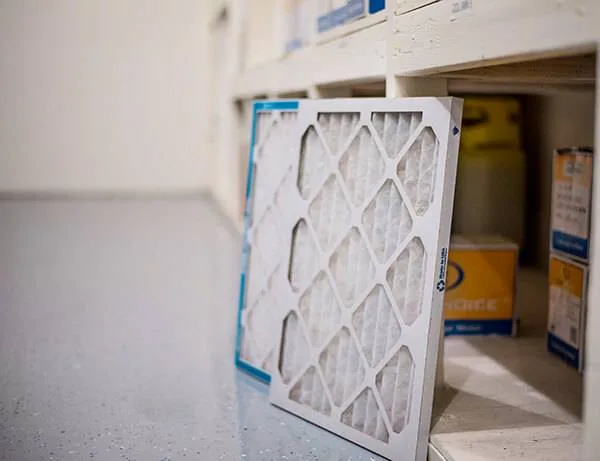
Vegas specifics
Dust loads and filter sizing
Las Vegas’s dry, dusty environment places extra strain on furnace filters. Using appropriately sized, high-quality filters is crucial to protect your system and maintain air quality. Upgrading to pleated filters with higher MERV ratings can trap more dust but may require professional evaluation to ensure your furnace blower can handle the increased resistance. Takeaway: Choose the right filter size and type to balance dust protection and airflow in Vegas homes.Attic installs and access
Many Vegas homes have furnaces installed in attics, which presents unique challenges. High summer attic temperatures can stress the system, and limited access complicates maintenance. Ensure attic access panels are clear and safe, and consider attic insulation improvements to reduce heat load on your furnace. Takeaway: Maintain attic furnace access and consider insulation upgrades to improve system reliability.Duct leakage and insulation
Leaky or poorly insulated ducts reduce heating efficiency by allowing warm air to escape into unconditioned spaces. In Las Vegas, where energy costs are a concern, sealing and insulating ducts can yield significant savings. Professional duct testing and sealing are recommended every few years, especially in older homes. Takeaway: Seal and insulate ducts to improve heat delivery and reduce energy waste.Prevention and performance
Seasonal schedule and documentation
Keeping a maintenance calendar helps ensure your furnace gets timely tune-ups and filter changes. Documenting service dates, repairs, and parts replaced provides a clear history for warranty claims and future technicians. Regular maintenance prevents costly repairs and extends system life. According to Century Air Inc., routine upkeep lowers energy bills, preserves warranties, and avoids hazards like carbon monoxide leaks. Takeaway: Maintain a seasonal schedule and detailed records to maximize furnace performance and lifespan.Ready for Reliable, Safe Heat? Schedule with The Cooling Company
Learn about available federal tax credits for energy-efficient HVAC equipment.
Share This Page
Related service: Need furnace service in Las Vegas? Explore our furnace repair and heating maintenance services for Las Vegas homeowners.
Need Heating Service in Las Vegas?
The Cooling Company provides expert heating service throughout Las Vegas, Henderson, and North Las Vegas. Our licensed technicians deliver honest assessments, upfront pricing, and reliable results.
Call (702) 567-0707 or visit heating, furnace repair, heat pump installation, or heating maintenance for details.