

Short answer: Discover HVAC maintenance tips for heat pumps with 7 easy upgrades that slash your energy bills, covering controls and sealing so you start saving now.
Key Takeaways
- Heat pumps move heat and often use 2.5–4 times less energy than electric resistance heat.
- Controls, zoning, air sealing, and insulation have big impacts on real savings.
- Cold-climate models, correct sizing, and commissioning matter for comfort and efficiency.
- Check local rebates and hire NATE-certified techs for better outcomes.
A heat pump moves heat instead of making it, so it uses far less electricity than resistance heaters. Modern units often cut winter energy use by half compared to electric heat. Proper sizing, controls, and insulation are needed to reach those savings in real homes. (Energy gov Heat Pump Tips)

What is a heat pump and how does it save energy?
A heat pump moves heat from outdoors to indoors in winter and reverses in summer. The unit uses refrigerant, coils, and a compressor to do the transfer. That process transfers more energy than the electricity the compressor uses.
Energy savings come from moving heat instead of creating it. A heat pump with a COP of three gives roughly three units of heat for each unit of electricity. Those ratios shrink electric use compared to resistance heat and often beat fuel-based systems on cost when power is cheap.
Homes get real-world gains only when the system matches the load and the controls work well. Duct losses, poor charge, or wrong sizing can cut efficiency. Ask for commissioning documentation to see measured operating performance after installation.
How does a heat pump transfer heat?
A refrigerant shifts between liquid and vapor to carry heat. The compressor raises pressure and temperature, which moves heat to the indoor coil. Fans push room air across coils so warm or cool air enters living spaces.
Outdoor coils either absorb or release heat depending on the mode. Keeping coils clean and maintaining the correct refrigerant charge ensures the refrigerant can move heat efficiently. Small faults reduce heat transfer and raise power use.
What is COP and why does it matter?
COP means coefficient of performance and shows heat output per unit of electrical input. A COP of three means three units of heat for one unit of electricity. Higher COP values usually mean lower energy costs for the same comfort.
COP depends on outdoor temperature and load. Compare COP at temperatures you experience, not just peak lab numbers. A good installer will explain seasonal numbers rather than a single test value.
Air source vs ground source differences?
Air-source heat pumps pull heat from outdoor air and are common because they cost less to install. Newer air-source units keep decent efficiency in cold weather. Ground-source systems tap stable earth temperatures and run very steadily.
Ground-source systems need loop fields and more up-front work. Their steady source temperature can give higher and more stable COPs. Weigh higher initial costs against lower operating costs and longer expected life.
Try our energy efficiency guide to see how much you could save.
Which upgrades give the biggest savings?
Start upgrades that lower your heat load before you replace equipment. Reducing air leaks and adding insulation lower both heating and cooling bills. These shell upgrades shrink the size of equipment you need and make any heat pump work better.
Next, focus on controls and zoning to cut wasted runtime. A smart thermostat and zoned dampers can avoid heating empty rooms and reduce auxiliary heat. Consider these upgrades when your ducts and distribution are in good shape.
Major work such as duct replacement or adding ground loops should come after load reduction steps. Those investments pay off faster in homes with efficient shells. Run cost estimates and check rebates before committing to large projects.
Learn about available rebates and promotions for energy-efficient HVAC equipment.
Check our HVAC buying guide for current cost estimates.
Upgrade 1: Tune controls and schedules?
Adjusting thermostat schedules and control logic is often the highest-value first step. Small setpoint tweaks and proper staging can cut runtime without hurting comfort. An installer who commissions the control strategy can tune lockouts and deadbands to avoid backup heat. (Energy gov Heat Pump Tips)
A simple schedule change can shift load to cheaper hours if your utility has time-of-use rates. Ask the contractor to verify that setback and recovery periods match how your heat pump recovers. That prevents surprises and maintains comfort.
Upgrade 2: Add zoning or smart dampers?
Zoning gives rooms separate setpoints and prevents whole-house heating when not needed. Many homes with mismatched room loads see faster payback from zoning than from a larger outdoor unit. Smart dampers integrate with thermostats for dynamic control.
Proper design is essential to avoid airflow and pressure issues. Variable-speed fans and proper return placement work best with zoning. Have the installer test static pressure and balance zones during commissioning to ensure efficiency gains.
Upgrade 3: Improve insulation and air sealing?
Sealing gaps and adding insulation reduce the heat your system must supply. Attics, rim joists, and wall cavities often have the biggest returns. A blower door test reveals the worst leaks and helps prioritize work.
Investments in insulation lower runtime and often shrink the size of a new heat pump needed. Focus on the most exposed areas first and combine sealing with insulation to get the best long-term savings and comfort benefits.
Upgrade 4: Replace filters and improve airflow?
Clean filters and clear returns keep airflow high and static pressure low. Restricted airflow forces compressors to run longer and reduces COP. Schedule filter replacement and clear furniture away from vents to avoid pressure problems.
If ducts are old, inspect them for crushed sections, leaks, or poor return sizing. Measuring static pressure tells whether the fan can deliver designed airflow. Fixing duct issues often restores system capacity and cuts energy use.
Upgrade 5: Service and refrigerant charge check?
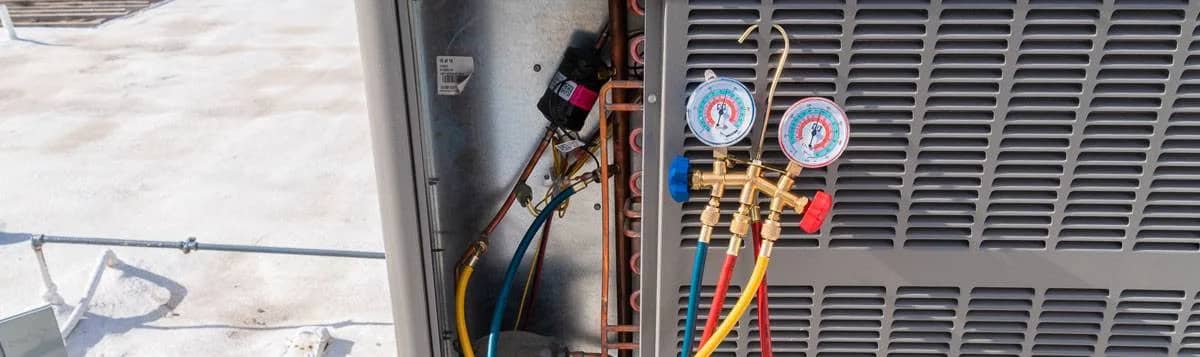
A proper refrigerant charge keeps the system transferring heat well. Undercharge and overcharge both reduce efficiency and increase wear. Technicians check pressures and temperatures to verify charge and adjust as needed.
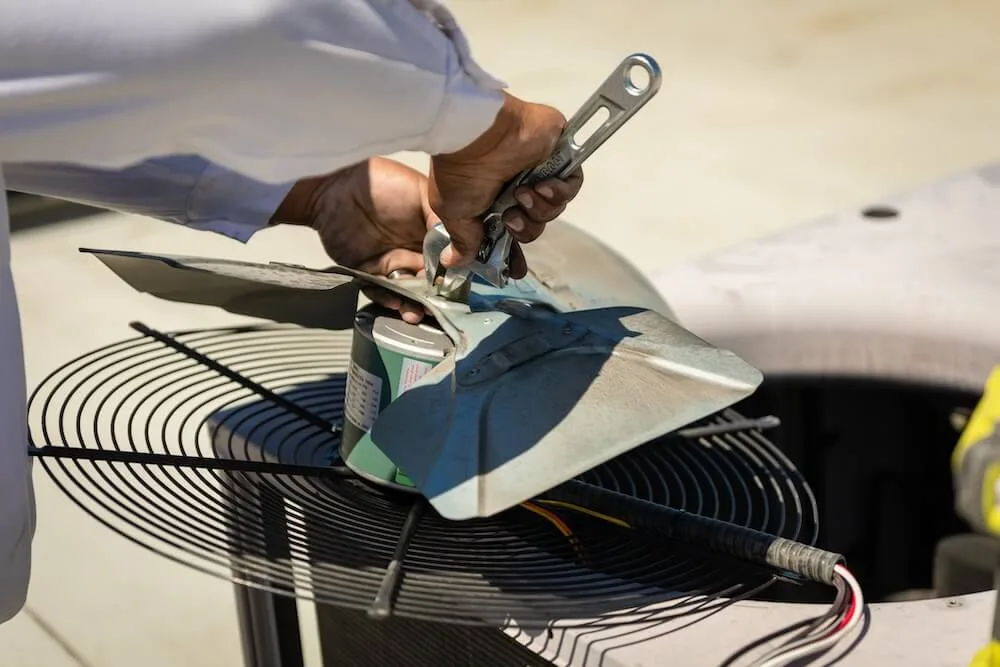
Annual service also includes coil cleaning, fan checks, and electrical inspections. These tasks help maintain COP near rated values and can extend compressor life. Keep service records to track performance over time.
How do controls and thermostats improve efficiency?
Controls decide when and how the heat pump runs, so they change real energy use a lot. Smart schedules, outdoor-temperature-based decisions, and staging keep the system from running backup heat unnecessarily. That lowers energy and raises comfort.
Integrating thermostats with zoning and variable-speed systems increases benefits. Those systems can run gently to meet loads rather than cycling on and off. Your installer should commission control logic to match the home and the unit.
What thermostat features matter most?
Look for adaptive schedules, outdoor temperature inputs, and backup heat lockouts. Remote sensors and occupancy detection save energy by avoiding heating empty rooms. Also check for runtime reporting so you can verify savings.
Compatibility with your heat pump is crucial. Some thermostats do not support variable-speed compressors or multi-stage control. Ask the installer to confirm features before buying or installing any thermostat.
How do variable speed compressors save energy?
Variable speed compressors match output to the exact load instead of switching fully on or off. This reduces start-up losses and keeps temperatures steady. Part-load efficiency improves because the unit runs longer at low power.
Lower starting currents also reduce stress on electrical systems. In many homes, variable speed operation reduces cycling and improves humidity control while saving energy during mild weather.
Can smart thermostats reduce backup heat?
Smart thermostats can learn home patterns and avoid engaging electric resistance unless truly needed. They use weather data and gradual ramping to lower auxiliary heat use. Proper setup and commissioning are vital for this to work.
Poor settings can make backup heat run more often, so check lockout temperatures and recovery strategies. Ask your installer to test the thermostat behavior through a simulated cold snap to confirm lockouts work.
How do setback schedules affect comfort?
Small, well-timed setbacks balance savings and comfort better than large overnight drops. Heat pumps recover more slowly than furnaces, so a smaller setback avoids long recovery runs. Test a few degrees of setback to find the best balance.
Automatic pre-heat or pre-cool features help by bringing the home to the setpoint just before occupancy. Use those features sparingly and tune them so they actually save energy on your utility plan. (Energy gov Heat Pump Tips)
Are remote sensors worth it?
Remote sensors average temperature across rooms and reduce hot or cold spots. They prevent a single thermostat from overheating one area while another stays cold. Sensors also help detect occupied rooms to avoid wasted heating.
Place sensors away from direct sun, drafts, and supply vents. Sensors work best when the thermostat supports averaging and when the home has distinct load differences between rooms.
What is demand response and is it useful?
Demand response programs pay or discount customers for reducing load at peak times. Heat pumps can shift or slightly adjust setpoints to participate. Participation can cut bills if your daily schedule is flexible.
Check program rules and thermostat compatibility before enrolling. Some programs require specific thermostat brands or secure utility signals. Confirm overrides and manual control so you keep comfort when needed.
How to integrate heat pump with home automation?
Integration coordinates thermostats with ventilation, shades, and solar systems to use energy smarter. Simple automation can set setback schedules when doors lock or when everyone leaves. More advanced setups match heat pump runs to solar output.
Rely on open protocols like Z-Wave and Wi-Fi for compatibility, but have a pro design complex automation. Keep manual overrides simple so occupants can regain comfort without hunting through menus.
What control hysteresis prevents short cycling?
Hysteresis is a small temperature buffer that stops the system from turning on and off around setpoints. A proper deadband reduces short cycles and keeps runs longer. That improves efficiency and reduces wear on components.
Installers usually set hysteresis during commissioning. Adjustments should match the home size, thermal mass, and occupant comfort preferences. Avoid tiny deadbands that invite frequent starts.
What is commissioning and why important?
Commissioning verifies the installed system performs as intended in the real home. Techs check refrigerant charge, airflow, thermostat logic, and defrost behavior. They document performance with measured temperatures and pressures.
A commissioned system runs closer to rated COP and gives better comfort. Commissioning also finds installation errors early, so fixes happen before warranty limits expire. Ask for a written commissioning report.
When should you call a professional installer?
Call a professional installer or an hvac technician when sizing, refrigerant work, duct changes, or complex controls are needed. Heat pump performance depends on correct installation and charge. DIY installs often miss critical details and lower system life.
Choose a licensed installer with heat pump experience and local references. Verify certifications and ask for commissioning and static pressure test results. A quality installer explains assumptions in the load calculation and shows how the system will meet your needs.
Bring your utility bills and note comfort problems before the visit. That helps techs focus on the right fixes and speeds up accurate quotes. Expect a professional to propose shell and control work, not just equipment swaps.
How is proper sizing determined?
Sizing uses a heat load calculation that accounts for insulation, windows, orientation, and local climate. Manual J or an equivalent method produces the right capacity. Avoid sizing by rule of thumb to prevent oversizing harms.
A good installer explains the load report and shows assumptions. They should size both heating and cooling and consider future insulation work. Ask for capacity at design temperatures rather than just nominal unit ratings.
When is ductwork modification required?
Ductwork changes are needed when airflow, sealing, or layout limit performance. Leaky or undersized ducts reduce delivered capacity and lower COP. Duct fixes often pay back faster than upsizing the outdoor unit.
A duct test and static pressure reading tell whether the system can meet designed airflow. Balance returns and supplies, seal leaks. Insulate ducts in unconditioned space to protect efficiency gains from a new heat pump.
What permits and certifications matter?
Permits confirm the work meets local building and safety codes. Refrigerant handling needs licensed technicians and EPA compliance. Look for NATE certification and proof of local contractor licensing.
Ask the installer to pull permits and provide inspection paperwork. That documentation protects warranty coverage and helps with incentive applications for rebates and tax credits. (Energy gov Heat Pump Tips)
How do system type and sizing affect performance?
System choice and correct sizing shape comfort and seasonal efficiency. Ductless mini-splits reduce duct losses but need multiple heads in larger homes. Central ducted systems work well if ducts are tight and sized right.
Sizing errors cause short cycling, humidity problems, or continuous operation. Oversized units lose dehumidification and cycle often. Undersized units struggle on the coldest days and may never reach setpoints.
Plan for steady, long runs rather than many short starts. A system with variable speed fans or compressors often gives the best balance between comfort and energy use across seasons.
Ductless mini split vs ducted pros and cons?
Ductless mini splits offer room-by-room control and avoid duct losses. They suit retrofits and homes without ductwork. Multiple indoor heads add cost and require careful placement for even coverage.
Central ducted systems serve whole-home needs and work with central ventilation and filtration. Poorly sealed ducts can cut effective system efficiency by 10–30 percent. Consider sealing and insulating ducts before choosing a new system.
How does sizing affect COP and comfort?
Proper sizing keeps flows and coil temperatures within design limits, which supports rated COP. Oversized equipment short cycles and drops seasonal efficiency. Undersized equipment runs constantly and strains components.
Designers should aim to meet the Manual J heat load with allowance for duct and filter losses. A modest oversizing for extreme conditions is fine if controls avoid frequent staging and cycling.
What SEER and HSPF ratings indicate?
SEER measures seasonal cooling efficiency and HSPF measures heating performance for heat pumps. Higher ratings mean better seasonal efficiency. Use those rating numbers to compare models before looking at installation details.
Remember these ratings are lab-based. Real-life performance depends heavily on proper installation, correct charge, and ductwork. Choose higher ratings when the budget allows and combine them with good installation practices.
How does refrigerant type impact efficiency?
Modern refrigerants offer improved thermodynamic properties that help compressors reach higher efficiencies. That lets manufacturers design heat exchangers with better heat transfer. Newer refrigerants also lower global warming potential in many cases.
Retrofitting older systems can be limited by oil compatibility and pressure differences. Often the correct choice is to replace aging equipment rather than attempt a refrigerant swap that risks performance loss.
Are hybrid systems with gas backup worth it?
Hybrid systems pair a heat pump with a gas furnace and switch based on cost or temperature. They can make sense in regions with cheap gas and very cold winters. That setup optimizes cost and keeps comfort on the chilliest days.
Hybrid controls must be well set up to avoid both systems running at once. Evaluate fuel prices, emissions, and maintenance needs before choosing a hybrid approach for your home.
What role does outdoor unit placement play?
Placement affects airflow, noise, and defrost performance. Units need clear airflow and a solid, level pad. Avoid sites that trap snow or block air movement with shrubs.
Mount units with anti-vibration pads and allow service access. Proper placement reduces frosting and can improve seasonal COP by minimizing recirculated warm or cold air.
How to reduce defrost cycle energy loss?
Defrost cycles remove frost from outdoor coils in cold, wet weather. Each defrost uses some auxiliary heat or reverses the cycle briefly, which costs energy. Proper control logic limits cycles to those actually needed.
Use outdoor sensors and predictive defrost settings to reduce unnecessary events. Also improve shell sealing to cut moist air infiltration, which reduces frost buildup and the need for frequent defrosting.
What maintenance keeps efficiency high?
Annual inspections, coil cleaning, filter changes, and refrigerant checks preserve performance. Techs should measure airflow, static pressure, and electrical draws to spot issues. Small faults caught early usually cost less to fix.
Keep condensate drains clear and remove debris around outdoor coils. Document all service actions to track performance trends and support warranty claims or retrofit decisions later. (Energy gov Heat Pump Tips)
How long do heat pumps typically last?
Heat pumps commonly last 12 to 20 years with regular maintenance. Ground loops for geothermal systems often last much longer. Life span depends on load, climate, and maintenance quality.
Watch for declining COP, frequent repairs, or noisy operation as signs it may be time to replace rather than repair. A thorough replacement estimate should include expected savings and a commissioning plan.
What is expected payback period?
Payback varies widely with fuel replaced, electricity rates, incentives, and home efficiency. Typical payback ranges from 3 to 15 years. Replacing electric resistance heat usually gives the fastest payback.
Calculate payback by comparing present operating costs, installation costs, and rebates. Include non-energy benefits like improved comfort and lower maintenance in your decision.
How to estimate savings vs electric resistance?
Compare the heat pump COP to the COP of resistance heat, which equals one. A COP of three uses roughly one-third the electricity of resistance for the same heat. Multiply seasonal loads and rates to estimate dollar savings.
Also include fan energy, defrost penalties, and any auxiliary heat runs in your estimate. A simple calculation example helps show the scale of savings for your home.
What rebates and incentives exist?
Many utilities and governments offer rebates for heat pumps, insulation, and smart thermostats. Programs differ by state and utility and sometimes require certified installers. Incentives can lower upfront costs greatly.
Ask your installer to help with paperwork and to confirm program rules before signing a contract. Incentives often have application deadlines and technical requirements that affect eligibility.
Ready to upgrade? Contact local pros.
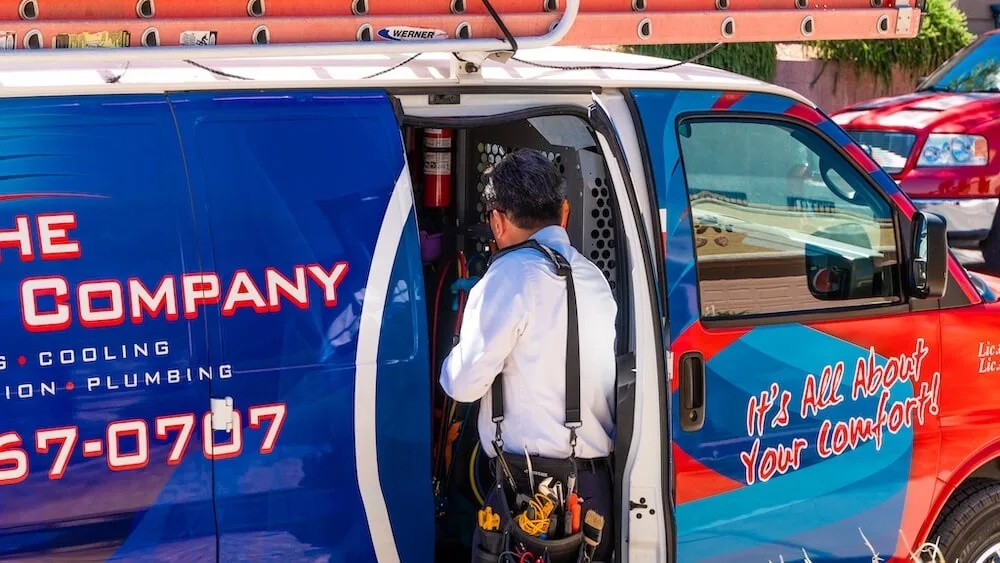
If you are in Las Vegas, Henderson, or North Las Vegas, call The Cooling Company at (702) 567-0707 for a local assessment and professional installation. Our NATE-certified technicians provide commissioning, duct testing, and documented performance reports to show real savings.
Outside the area, ask any contractor for NATE certification, EPA refrigerant credentials, and commissioning reports. Those checks help ensure quality work and give you the best chance of matching lab COPs in real life.
What should you ask during quotes?
Ask to see a written Manual J load calculation and duct static pressure numbers. Request a list of proposed controls, thermostat brands, and a commissioning plan with measured results. Confirm which rebates they will help you claim.
Get warranties in writing and ask about expected seasonal energy use. A good quote explains assumptions and gives a range of expected running hours and seasonal COP so you can compare apples to apples.
How to prepare for a contractor visit?
Gather recent utility bills and note rooms that feel cold or hot. Clear access to indoor and outdoor units and provide attic and crawlspace access for duct inspection. That speeds up accurate assessments and prevents missed issues.
Tell the technician about past service history and any noise or cycling problems. Ask for a list of recommended low-cost fixes they can do on the visit and which items require follow-up work.
How to track real savings after installation?
Record baseline utility bills for a year before and after installation. Use the thermostat runtime reports and commissioning data to compare measured performance. Compare seasonal energy use rather than single-week results for accuracy.
Consider adding a simple energy monitor on the main panel to see the system’s actual draw. Review the installer’s commissioning report and keep service records to spot trends and catch declines early.
Call to action
For Las Vegas-area homeowners who want expert local service, contact The Cooling Company at (702) 567-0707. Technicians serve Las Vegas, Henderson, and North Las Vegas and provide NATE-certified installation plus full commissioning and rebate help.
If you are outside our service area, ask any installer for NATE certification, an EPA refrigerant license, and a written commissioning report. Those criteria help you get reliable performance and documented savings even if you hire locally.
Get Expert Heat Pump Service for Year-Round Savings
Heat pumps can deliver large energy savings when they are sized and installed correctly and when the home shell is tight. Combine controls, zoning, sealing, and regular service to make lab COPs real. For local help in Las Vegas, Henderson, or North Las Vegas call The Cooling Company at (702) 567-0707.
About The Cooling Company
The Cooling Company has been serving the Las Vegas valley with professional HVAC services for over a decade. Our team of licensed, NATE-certified technicians specializes in air conditioning repair, heating system maintenance, and complete HVAC installations. We're committed to providing honest, reliable service with upfront pricing and a 100% satisfaction guarantee on all work performed.
- Phone: (702) 567-0707
- Reviews: 4.9/5 stars (500 reviews) - See reviews
Service Areas
We proudly serve homeowners and businesses throughout the Las Vegas metropolitan area, including Las Vegas, Henderson, and North Las Vegas. Our service technicians are available for same-day appointments in most areas, with emergency service available 24/7 for urgent HVAC issues.
Need HVAC Service in Las Vegas?
The Cooling Company provides expert HVAC service throughout Las Vegas, Henderson, and North Las Vegas. Our licensed technicians deliver honest assessments, upfront pricing, and reliable results.
Call (702) 567-0707 or visit heat pump installation, heating, AC repair, or maintenance for details.