

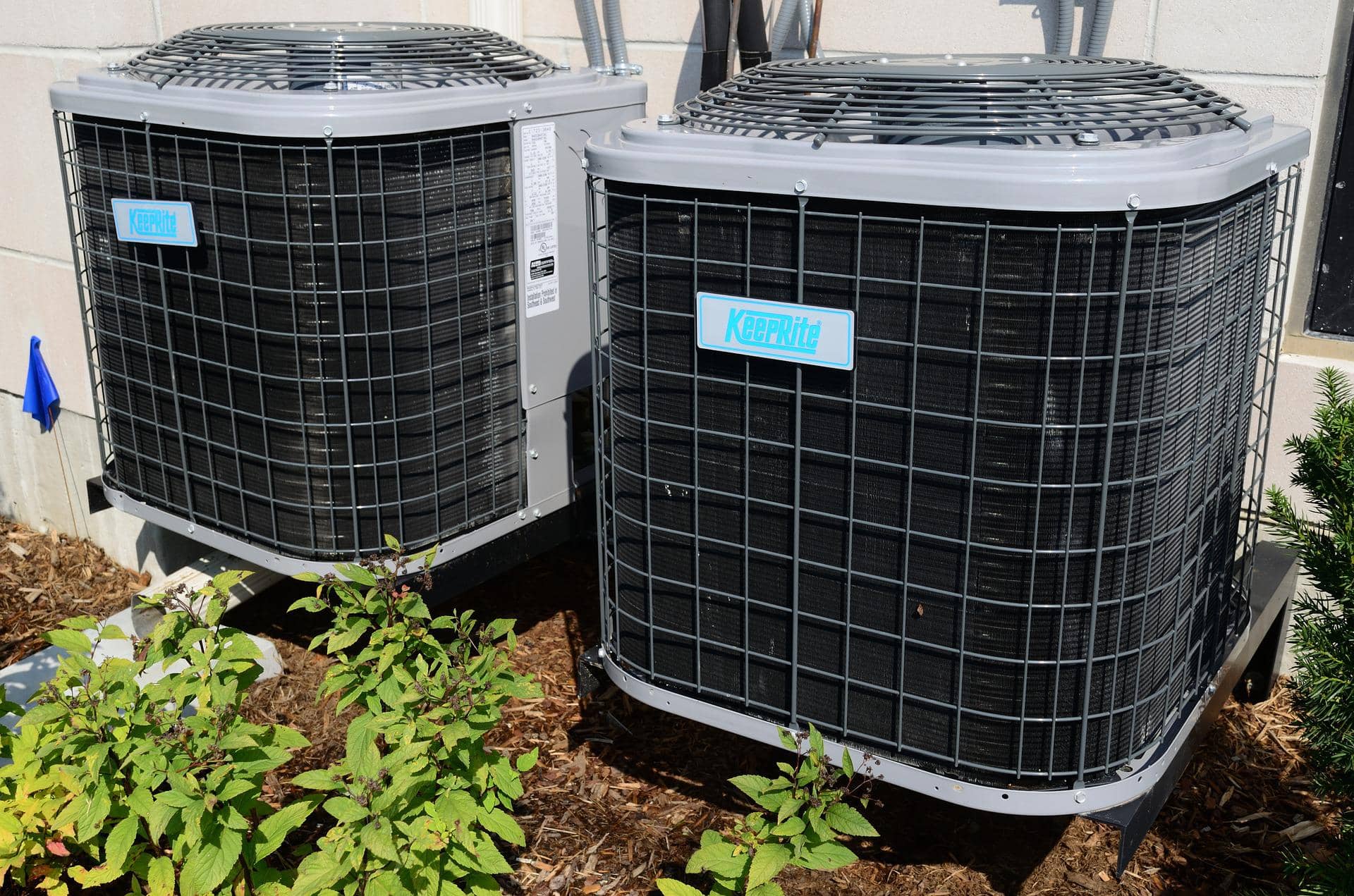
Short answer: The compressor is the heart of your heat pump -- it circulates refrigerant to move heat in and out of your home. Before calling a pro, check your breaker, thermostat settings, air filter, and outdoor unit airflow. If you hear loud knocking, see oil stains, or the breaker keeps tripping, call a licensed HVAC technician. In Las Vegas, reach The Cooling Company at (702) 567-0707.
Check breakers, thermostat, filters, and outdoor airflow first. Listen for loud knocks, oil leaks, or repeated breaker trips. Minor fixes like resets and filter swaps often restore function. Stop and call a licensed, EPA-certified HVAC tech for sealed-system, electrical, or refrigerant work. (Source: Energy gov Heat Pump Tips)
Key Takeaways
- Check power, thermostat, and airflow before calling a tech.
- Loud knocks, oil stains, and repeated breaker trips need service.
- Simple resets and filter swaps often fix many issues.
- Sealed-system and refrigerant work must be done by EPA-certified techs.

What does a heat pump compressor do?
A compressor raises refrigerant pressure so heat moves between indoor and outdoor coils. It pulls cool, low-pressure vapor and compresses it to hot, high-pressure discharge. The hot refrigerant then gives up heat at the condenser coil. This cycle repeats to heat or cool space.
Compressor capacity limits how much the system can heat or cool at once. A correctly sized compressor meets peak load without short cycling. Nameplate data shows tons or BTU per hour and electrical ratings. Compare that data to your system label before deciding on repairs or swaps.
How does the compressor move heat?
The compressor moves refrigerant from the low-pressure side to the high-pressure side of the circuit. Compression raises refrigerant temperature above coil temperatures so heat flows out. The reversing valve flips flow for heating or cooling. Watch for frost patterns and long runtimes to spot trouble.
Why does compressor size matter?
Size affects runtime, efficiency, and humidity control. Small compressors run always on cold days and fail to meet setpoints. Oversized compressors short-cycle and waste energy. A Manual J load calc done by pros gives the right size for your home. (Source: Energy gov Heat Pump Tips)
What do SEER and HSPF tell you?
SEER rates seasonal cooling efficiency and HSPF rates seasonal heating efficiency. Compressor design strongly affects both numbers. Variable-speed compressors typically raise SEER and HSPF because they run more hours at lower power and reduce wasted starts.
Try our energy savings calculator to see how much you could save.
Which compressor types are common?
Home heat pumps use a few common compressor types like scroll, rotary, and inverter-driven designs. Scroll and rotary types are most common in residential units. Two-stage and variable-speed options are more common in new and higher-efficiency systems.
Choice depends on budget, noise needs, and climate. Inverter-driven compressors give better part-load efficiency and comfort but add electronic controls. Match the compressor type to the outdoor and indoor coil for warranty and performance.
What is single-stage operation?
Single-stage compressors run at full output when on and stop when the thermostat is satisfied. This on-off method is simple and reliable. Older systems use single-stage compressors because they are easy to service and robust.
How does two-stage improve comfort?
Two-stage compressors offer a low stage and a high stage. They run longer at low output in mild conditions. That reduces temperature swings and improves humidity control. Two-stage units cost more but give steadier comfort than single-stage models.
What are the benefits of variable-speed compressors?
Variable-speed compressors adjust output to match the load closely. They cut start-up losses and lower energy use. The unit runs quieter and keeps temperature more steady. These compressors improve humidity control and reduce cycling wear.
Which brands commonly use inverter tech?
Several major brands offer inverter-driven heat pumps, including Mitsubishi, Daikin, Carrier, and Trane. Brand choice affects parts, controls, and warranty terms. Ask your installer about local support and their experience with the brand before buying.
What signs show compressor trouble?
Compressor trouble can start as noise, leaks, or electrical faults. Mechanical sounds like knocking or grinding often mean internal damage. Electrical signs include tripped breakers and failed starts. Performance drops show as long runtimes or loss of heat.
Early spotting and logging of symptoms helps the tech find root causes. Note when faults occur, outdoor temperature, and thermostat settings. That record can cut diagnostic time and sometimes reveal intermittent failures that are hard to reproduce.
What noise signals wear or damage?
Loud knocking, grinding, or screeching usually means serious mechanical damage inside the compressor. Humming or buzzing may point to electrical faults or bad start components. Clicking with no start often shows a failed relay or capacitor. [Point 1] (Source: Energy gov Heat Pump Tips)
How do vibration issues show up?
Excess vibration may come from loose mounts, bent fan blades, or internal bearing wear. Outdoor units on old pads can shift and increase vibration. If vibration increases suddenly, shut the unit off and call a technician to avoid larger failures.
When is heat output reduced?
Weaker heat output can mean low refrigerant, a failing metering device, or airflow problems. In cold weather, check defrost cycles and thermostat settings first. If indoor air stays cool while compressor runs, sealed-system or metering issues are likely.
Why does the unit short cycle?
Short cycling is rapid on-off behavior that strains components and raises bills. Causes include oversized equipment, bad controls, or low refrigerant. Dirty filters and blocked airflow can also trigger short cycles. Log runtimes to help the technician pinpoint the issue.
Can I troubleshoot before calling a pro?
Yes. Many safe, noninvasive checks owners can do will fix simple problems. Start with circuit breakers, thermostat batteries, and filters. Clear debris and ensure 2–3 feet of airflow around the outdoor unit. These steps resolve many complaints.
Never open the sealed system, handle refrigerant, or work on live electrical parts unless you are certified. Use your observations to give the technician clear data. That helps them plan tools and parts for the first visit.
See why homeowners trust us — view our industry awards and certifications.
How do I reset power safely?
Turn off the thermostat, then switch the outdoor breaker off for 30 seconds and back on. Some systems have a local service switch in the disconnect. Allow a few minutes after power is restored for controls to reboot and attempt a normal start.
What filters and airflow checks help most?
Replace or clean air filters monthly during heavy use. Inspect return grilles and supply vents for blockages. Trim plants and keep 2–3 feet of clearance around the outdoor unit. Dirty coils cut heat transfer and force the compressor to work harder.
When should a capacitor be replaced?
A failing start or run capacitor shows as slow starts, clicking, or no start. Capacitor swaps are common and relatively low cost when done by a pro. Capacitors can hold dangerous charge, so most homeowners leave replacement to technicians.
How can I check for refrigerant leaks safely?
Look for oily stains on line-set fittings and around the outdoor unit. Hissing noises or frost in odd places are other signs. Simple handheld leak detectors can find some leaks. Do not open the refrigerant circuit; certified techs must repair and recharge systems.
When should I repair versus replace?
Decide by weighing age, repair cost, efficiency, and future risk. For units under eight to ten years with a single sealed-system failure, a matched compressor replacement can make sense. Older units or those with multiple failures often justify full replacement. [Point 2] (Source: Energy gov Heat Pump Tips)
Also factor in energy savings and rebates that lower payback time. New high-efficiency heat pumps can cut bills and improve comfort. Compare installed cost, expected life, and warranty to decide which path fits your plans.
Learn about available federal tax credits for energy-efficient HVAC equipment.
How does unit age affect the choice?
Older units often have wear across many parts, not just the compressor. A 12-year-old unit that needs a compressor swap may soon need a new fan motor or control board. Replacing the whole outdoor unit often gives better warranty and matched performance.
What repair costs are typical?
Compressor replacement typically runs from about $1,000 to $4,000 installed. Full outdoor unit replacement can range from $3,000 to $6,000. A whole-home system swap may run $7,000 to $12,000 or more, depending on size and ductwork.
When is replacement more efficient than repair?
Replacement is often smarter when the unit is old or uses a phased-out refrigerant. New compressors and matched coils give higher SEER and HSPF ratings. A full replacement also avoids compatibility issues and often includes better warranties.
How long do compressors typically last?
Most residential compressors last 10 to 15 years with good care. Life shortens with poor airflow, electrical problems, or lack of maintenance. Regular coil cleaning and proper charging help compressors reach expected service life.
How to prepare for a service visit and what should you ask?
Prepare by noting symptoms, thermostat settings, and the times faults happen. Write the model and serial on the outdoor nameplate. Clear 3 feet of space around the unit and ensure safe access for the technician.
Ask for written estimates and an itemized work list before repairs start. Request OEM matched parts for sealed-system work and ask if the job includes brazing, leak testing. A proper vacuum and charge. Get warranty terms in writing.
What should you record before the tech arrives?
Log when problems started and how often they occur. Note outdoor temperature, thermostat setpoint, and any error lights. Record if the breaker tripped and how many times. These details speed diagnosis and can cut repair time.
Which credentials and documents should you request?
Ask for the technician’s EPA Section 608 certificate and state HVAC license. Request proof of insurance and written warranty terms. For extra confidence, ask about NATE certification and installer experience with your brand and model.
Are there special checks techs should run on arrival?
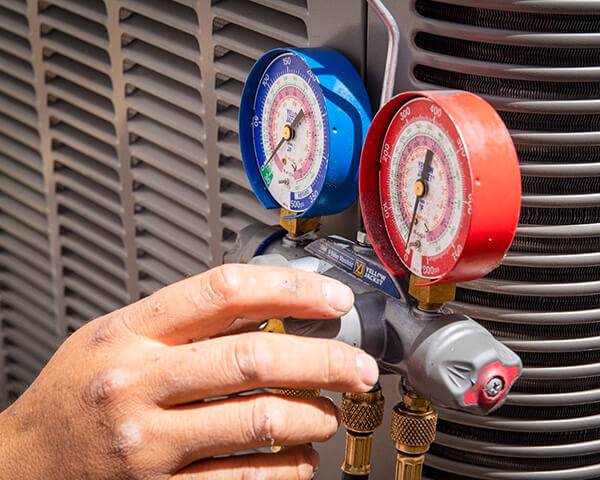
Technicians should check supply and return temps, suction and discharge pressures, and amp draw. They should inspect fan motors, contactors, and capacitors. A proper leak test and vacuum are required for sealed-system repairs. [Point 3] (Source: Energy gov Heat Pump Tips)
What should you expect on the invoice?
The invoice should list parts, labor, refrigerant type and amount, and warranty details. It should show whether parts are OEM or aftermarket. A clear invoice helps with future claims and resale documentation.
Are matched systems and AHRI documents important?
Yes. AHRI certificates verify matched outdoor and indoor component ratings. Matched systems perform as rated and maintain warranty coverage. Ask your installer for the AHRI certificate or model numbers to confirm rated SEER and HSPF.
What if my refrigerant is phased out?
Some older refrigerants are being phased down. Retrofitting to a new refrigerant may need special oils and approval from the manufacturer. In many cases, full unit replacement avoids retrofit risks and ensures compliance with rules.
What are safe next steps and how can The Cooling Company help?
If you are in Las Vegas, Henderson, or North Las Vegas, prepare the details above and call The Cooling Company at (702) 567-0707. The team provides licensed, EPA-certified sealed-system work, matched replacements, and clear written estimates. A fast diagnostic visit saves time and prevents needless part swaps.
If you are outside our service area, look for techs with EPA Section 608 certification and NATE credentials. The NATE website has resources to help you vet technicians. Keep your notes and AHRI model numbers ready to speed any service call.
Are you in Las Vegas, Henderson, or North Las Vegas?
Call The Cooling Company at (702) 567-0707 for trusted service. The company brings EPA-certified techs and the right tools for sealed-system work. Expect itemized estimates, OEM matched parts, and written warranty terms. Clearing space and recording symptoms before arrival will make the visit more efficient.
Not in our area, what resources help you find a tech?
Look for HVAC contractors who show EPA Section 608 certification on their paperwork. NATE certification is a good sign of technician skill. Ask for references and proof of insurance. Request AHRI matched-system documentation for replacements.
What should you do right now?
Check breakers, replace filters, and clear debris around the outdoor unit. Note any loud noises or oil stains and record times. If you see burning smell, repeated breaker trips, or major oil leaks, shut the unit off and call a certified technician.
Why choose certified techs for sealed-system work?
Certified techs follow EPA rules for refrigerant recovery and charging. They have tools like vacuum pumps, gauges, and leak detectors. Proper work protects safety, prevents illegal refrigerant release, and preserves warranty coverage.
Related reading: what to explore next?
- Ac Monitoring System: Catch Problems Early with Smart Alerts
- Broken Heat Pump: What To Do When Yours Stops Working
- Heat Pump Cost Las Vegas: What You Need to Know
Related service: Considering a heat pump for your Las Vegas home? Explore our heat pump installation and heating services services for Las Vegas homeowners.
Need HVAC service help in Las Vegas?
While many homeowners can handle basic HVAC maintenance, some tasks require professional expertise. If you're in the Las Vegas area and need help beyond DIY solutions, The Cooling Company is here for you.
Call (702) 567-0707 to schedule a professional assessment. Our licensed technicians can identify issues that might not be obvious and ensure your system runs efficiently.
About The Cooling Company
- Phone: (702) 567-0707
References
- U.S. Department of Energy (Energy.gov) (accessed 2025-12-29)
- U.S. Environmental Protection Agency (EPA) (accessed 2025-12-29)
- ASHRAE (Standards and guidance) (accessed 2025-12-29)
- ENERGY STAR (Heating & cooling) (accessed 2025-12-29)
Need HVAC Service in Las Vegas?
The Cooling Company provides expert HVAC service throughout Las Vegas, Henderson, and North Las Vegas. Our licensed technicians deliver honest assessments, upfront pricing, and reliable results.
Call (702) 567-0707 or visit heating, heat pump installation, heating maintenance, or AC repair for details.