

Short answer: Start with the basics: replace a dirty air filter, clear debris from the outdoor unit, check your thermostat settings, and verify the breaker has not tripped. These four DIY steps fix most common AC problems. If your system still is not cooling properly, leave refrigerant and electrical work to a certified technician. In Las Vegas, call The Cooling Company at (702) 567-0707 or book online.
(Source: Energy gov HVAC Efficiency Basics)
Key Takeaways
- Change filters every 1 6 months and keep 18 24 inches clear around the outdoor unit.
- Check airflow, thermostat settings, condensate drain, and breakers before calling a technician.
- Leave refrigerant and high-voltage work to EPA Section 608 2certified techs.
- Log delta T and run hours to spot trends and justify repairs or replacement.
Start with simple safety checks like changing the filter and clearing debris around the outdoor unit. Measure return and supply temps to log delta T. Check the condensate drain and breakers. Leave refrigerant and high-voltage work to licensed techs. Small fixes often restore comfort and cut energy costs.

Introduction
Air conditioning keeps homes safe and comfortable when heat strikes. Many homeowners only notice problems when the system fails or when bills climb. Small failures can cause large discomfort and big energy waste. This guide helps you run safe checks and decide when to call a certified technician. It gives clear steps you can do with basic tools and simple safety rules to follow.
You will learn basic system behavior and common failure signs to look for. The guide covers simple measurements like delta T and airflow that you can log at home. Use the steps here to find easy fixes and to collect data that helps a professional diagnose more complex issues. Keep notes and photos to speed any service visit.
Why this topic matters now?
Higher energy prices and hotter summers make AC problems costlier than before. Older systems often run longer and waste more energy than newer models. New refrigerant rules also affect repair options and parts availability. Fixing small issues early can cut bills and avoid more costly failures later.
Many homeowners also want to reduce humidity while saving energy. A well-maintained system runs less and holds humidity down. Learning a few measurements helps you track health and performance without guessing. That knowledge can improve comfort and reduce repair costs.
Audience pain points?
Homeowners often struggle to decide whether to repair or replace an older air conditioner. They want simple rules of thumb on system age and repair cost thresholds. They also want to know which checks are safe to do themselves and which require a certified tech.
Providing numbers and records reduces guesswork. A log of run hours, delta T, and any unusual sounds gives you facts to compare quotes. It also helps technicians diagnose problems faster and charge only for the needed work. That can save time and money.
Core Concepts
A few core terms and measurements help you talk with a technician and judge system health. Delta T is the temperature drop between the return and supply air. CFM means cubic feet per minute and measures airflow. SEER rates seasonal efficiency and helps compare equipment. Knowing these terms makes service reports clearer.
Record simple numbers during checks. Measure return and supply temps and note run time during a typical afternoon. If a tech provides superheat or subcooling values, ask what they mean for your system. This knowledge reduces confusion and helps you make better decisions.
Key definitions?
Ton is a cooling capacity measure equal to 12,000 BTU per hour. SEER means Seasonal Energy Efficiency Ratio; a higher SEER means the unit uses less energy to produce the same cooling. Superheat and subcooling are diagnostic values used by techs to confirm proper refrigerant charge and operation under current load conditions.
For tips on cutting costs, see our energy saving tips guide.
As a homeowner, you do not need to master all HVAC math. But asking for reported numbers and keeping them in a file helps you compare repairs and track changes. If a number shifts significantly over time, it signals a developing issue that deserves attention.
Common mistakes?
Skipping regular filter changes is the most common mistake homeowners make. A dirty filter reduces airflow fast. Loss of airflow can make the evaporator coil freeze and can raise energy use. Ignoring duct leaks or cold spots also hides the real problem. Many people replace equipment too early when duct leaks or filters were the real cause.
A bigger hazard is DIY refrigerant work. Handling refrigerants and opening sealed systems is regulated. Unlicensed work can be unsafe and illegal. Leave those tasks to EPA Section 608 2certified technicians who have the right tools and training.
Data benchmarks?
A healthy delta T across the evaporator is typically 16 22 degrees F for many systems under normal conditions. Aim for roughly 400 450 CFM per ton as a starting rule. Duct leakage that wastes 20 30 percent of air is common in older homes and can hide efficiency problems.
Use these numbers when you compare repair and replacement costs. If your delta T or CFM is far outside these ranges, note the conditions when you measured them. Humidity, outdoor temperature, and filter condition can all change the values.
Action Plan
Start with safe checks you can do without tools or special training. Change the filter and inspect supply registers. Clear grass, leaves, and debris from around the outdoor unit. These steps restore airflow. They often fix weak cooling and long run times at a low cost.
Work step-by-step and write down what you find at each stage. Note temperatures, sounds, and any lights or thermostat error codes. Keep a simple log with dates and measured values. That record speeds technicians and cuts service time and cost when you do call for help.
Step-by-step workflow?
Begin with easy, visible items first. Replace the filter and inspect return grilles and supply registers for blockage. If filters were dirty, run the unit after replacing the filter and recheck airflow and delta T. A dramatic change often points to filter-related problems.
Next, ensure thermostat settings and batteries are correct. Check the outdoor unit for debris and clear at least 18 24 inches of space around it. Then test the condensate drain by running water into the drain pan while the unit runs. Finally, inspect the breaker and the outdoor disconnect for tripped switches. Do not attempt complex electrical work yourself.
Automation opportunities?
Smart thermostats can reduce runtime by learning schedules and enabling remote control. They also provide simple runtime reports that help you spot changes in system behavior. If the system runs longer than usual, you can act sooner and save energy.
Zoned systems and variable-speed equipment give better comfort and can cut energy when sized and installed properly. These upgrades cost more up front. Check rebates and incentives that can lower the initial cost and improve payback over time.
Learn about available federal tax credits for energy-efficient HVAC equipment.
Metrics to watch?
Log the delta T between return and supply air for quick health checks. A stable delta T of 16 22 degrees F often signals a good coil and airflow. Also track run-time hours and estimated daily kWh to spot changes in seasonal energy use. A sudden rise in run time with the same outdoor temperature often signals a problem.
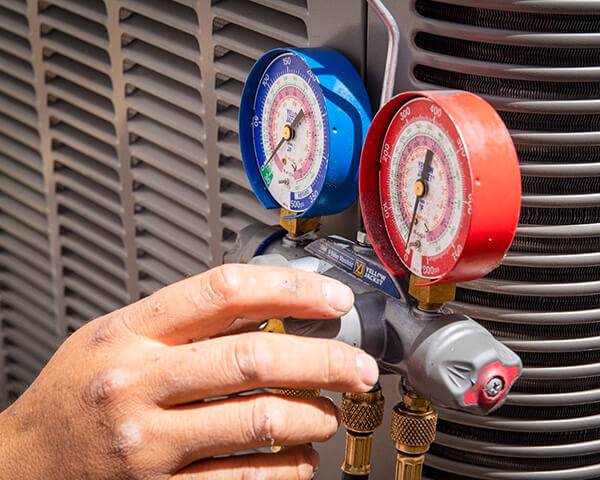
If you can, have a technician measure amp draw at the compressor and blower motor during a service visit. Rising amps or short cycling point to mechanical or electrical problems. Ask the tech to record superheat and subcooling if refrigerant suspicion exists. (Source: Energy gov HVAC Efficiency Basics)
Optimization
Once basic fixes are done, focus on airflow and distribution. Sealing leaks in ducts and insulating long runs in attics or crawl spaces often gives more benefit than partial equipment upgrades. Good airflow reduces runtime and improves humidity control. It also raises comfort in all rooms.
Prioritize measures that reduce run time and raise comfort for your climate. In humid regions, better humidity control often matters more than a small SEER gain. In drier climates, zoning and variable speed equipment can improve comfort and save on energy.
Troubleshooting checklist?
If cooling is poor, start with filters, thermostat, and outdoor unit clearance. Inspect the condensate drain and watch for ice on refrigerant lines. Listen for grinding or rattling, which can indicate a failing fan or motor. Measure a few register temperatures and compare them to the room air to estimate delta T.
If airflow is low, check blower air settings and whether any dampers or registers are closed. For suspected refrigerant issues, look for oil stains at fittings or uneven cooling across zones. Stop if you see these signs and call a certified tech for refrigerant testing and repair.
Expert tips?
When a technician is on site, ask for superheat and subcooling numbers if charge is in question. These values show whether the refrigerant level is correct under current conditions. Request amp draw measurements to verify the compressor and motor health.
Keep the outdoor coil free of debris and allow at least 18 24 inches of clearance. Change filters at the start of the cooling season and more often during peak use. A seasonal tune-up with a written report often catches small problems before they become big ones.
Case Study
This real-world example shows how modest steps can restore comfort and lower bills. A home with a three-ton unit ran long and had high humidity. The homeowner tried filters and a coil clean. When the problem persisted, a tech ran measured checks and made targeted repairs that addressed airflow and minor duct leakage.
The sequence shows the value of logging performance before replacing equipment. The homeowner saved money by fixing distribution issues first. The targeted work added several years to the system life and gave clear data when a later compressor failure required replacement.
Before and after snapshot?
Before repairs, the three-ton unit ran long, had uneven cooling, and the bills were high. Filters were dirty. Several registers had weak airflow. The return plenum showed signs of leakage and the unit had no recent maintenance. Humidity remained high during warm weather.
After targeted work, filters were replaced, the outdoor coil was cleaned, and key duct leaks were sealed. The tech adjusted the blower to move closer to the 400 CFM per ton guideline. Cooling cycles shortened and humidity dropped. The family saw about a 10 15 percent reduction in seasonal energy use and improved comfort.
Lessons learned?
Routine maintenance matters and often avoids large repairs. Sealing duct leaks and fixing airflow gave the best immediate gains for comfort and cost. The homeowner avoided full replacement at that time and extended system life with targeted work.
Record keeping proved valuable later when the compressor failed. The owner could show a technician the maintenance history. That record helped justify replacement when the unit reached the end of its life. Always work with certified pros for refrigerant and electrical repairs.
FAQs
Homeowners ask common questions about frequency of maintenance and when to call a pro. This FAQ section gives clear criteria and simple next steps. If you face uncertainty, take photos and write down measured values before a service visit. Those details speed diagnosis.
If your situation is different from the typical cases here, note the differences. Location, home tightness, and local climate affect choices. Use the answers below as a starting point and adapt based on your observations and the data you log.
How often should I replace my air filter and when do I call a tech?
Replace pleated filters every 1 3 months depending on use, pets, and indoor air quality needs. Replace more often for heavy use, multiple pets, or dusty environments. If a filter change does not restore airflow within a day, inspect outdoor unit clearance and the condensate drain. If problems persist, call a technician for a deeper check.
A certified tech will test airflow, amp draw, and refrigerant levels. Ask for a written report with numbers to track future changes. If you hear grinding or see oil stains or refrigerant line frost that does not clear, call a pro right away. Those signs point to mechanical problems or leaks.
When is it better to replace rather than repair my AC?
Consider replacement if the unit is older than 10 15 years and needs a major repair such as a compressor swap. High repair cost relative to the replacement cost often favors replacement. Also consider current and future SEER efficiency and any available rebates that lower your effective cost.
If ducts are badly mismatched or the system is the wrong size for the home, replacement with properly matched equipment may be the best long-term choice. Get multiple quotes and ask for expected energy savings and payback estimates. Include duct sealing and insulation in the comparison.
What are signs of a refrigerant leak?
Look for uneven cooling between rooms, soft frost or ice on the evaporator coil or refrigerant lines, and oily spots near fittings or joints. A unit that loses charge repeatedly and needs frequent refrigerant adds likely has a leak. Leaks reduce efficiency and can damage the compressor.
If you suspect a leak, stop DIY refrigerant handling and call an EPA Section 608 2certified technician. They will pressure test, perform a leak search, and legally repair and recharge the system. That process ensures safety and compliance with regulations.
Related service: Need AC service in Las Vegas? Explore our AC repair and AC maintenance services for Las Vegas homeowners.
Need HVAC service help in Las Vegas?
If you face an HVAC emergency in Las Vegas, Henderson, or North Las Vegas, The Cooling Company offers fast, reliable service from licensed technicians. Our team handles diagnostics, repairs, and system installs. We provide written reports with delta T, CFM estimates, and electrical measurements to show what was done. [Point 1] (Source: Energy gov HVAC Efficiency Basics)
Call The Cooling Company now at (702) 567-0707 for emergency or scheduled service in Las Vegas, Henderson, or North Las Vegas. Ask for a tune-up, a duct leakage check, or a replacement quote that includes expected savings. We schedule same-day visits when possible and keep clear records.
If you are outside the Las Vegas area, use the NATE Certified Technicians resource to find certified technicians near you. For local residents, we welcome calls for fast service and clear documentation of work performed.
Related reading: what to explore next?
This section lists topics that homeowners commonly read next when they plan maintenance or upgrades. It helps you pick the right next steps for your situation. Read these topics to learn more about tune-ups, duct sealing, and equipment replacement criteria.
Consider reading about furnace maintenance before winter and about duct sealing and insulation. These topics often affect overall home comfort and can change the best choice between repairing and replacing a system.
- Furnace Check up: 5 Fast Fixes to Prevent Winter Breakdowns Now
- AC Troubleshooting in Las Vegas: Quick Fixes
- How to Clean AC Filter: Step-by-Step Guide
About The Cooling Company
The Cooling Company provides licensed HVAC service in Las Vegas and nearby communities. We focus on clear diagnostics, measured data, and straightforward recommendations. Our technicians document delta T, airflow estimates, and electrical tests so you see what was done and why.
We recommend routine seasonal maintenance to reduce the risk of costly failures. Our staff can help with tune-ups, duct leakage testing and sealing, and replacement quotes that include expected savings. Call us to schedule a service visit or to get advice about maintenance intervals.
- Phone: (702) 567-0707
About The Cooling Company
- Phone: (702) 567-0707
References
- U.S. Department of Energy (Energy.gov) (accessed 2025-12-24)
- U.S. Environmental Protection Agency (EPA) (accessed 2025-12-24)
- ASHRAE (Standards and guidance) (accessed 2025-12-24)
- ENERGY STAR (Heating & cooling) (accessed 2025-12-24)
Related reading: what to explore next?
Need HVAC Service in Las Vegas?
The Cooling Company provides expert HVAC service throughout Las Vegas, Henderson, and North Las Vegas. Our licensed technicians deliver honest assessments, upfront pricing, and reliable results.
Call (702) 567-0707 or visit AC repair, maintenance, heating, or installation for details.