


Short answer: Learn HVAC maintenance tips to compare Lennox with competitors, understand SEER, warranties and installation to choose the best system for your home.
Lennox often leads on high SEER ratings and quiet, variable-speed designs. Real savings still depend on proper sizing, ductwork, and installer skill. Compare SEER2/HSPF2, warranties, dealer commissioning, and local utility rates to judge total cost and comfort for your home. (ASHRAE Technical Resources)
Key Takeaways
- Require a Manual J load calc and commissioning report.
- Expect higher SEER with Lennox; Carrier and Trane match reliability.
- Value brands cut upfront cost but may raise long-term service needs.

Why compare Lennox to other brands?
Homeowners should compare brand offerings to set realistic expectations and to match the system to their needs. Lennox emphasizes high SEER models and advanced controls. Other brands like Carrier and Trane emphasize proven durability and dealer networks. Comparing brands helps you weigh the tradeoffs between upfront cost, expected energy savings, serviceability, and warranty coverage.
Comparisons also help identify a reliable dealer. The brand matters, but installer skill and duct condition often change the outcome more than the model. By asking each dealer for a Manual J load calculation, a Manual S equipment selection note, and a commissioning report, you can compare the real, expected performance in your home. Get at least three bids. Include expected annual energy costs based on your local electric rate. That gives a practical basis to choose, not just a brand name.
What is Lennox known for?
Lennox has a reputation for high-efficiency equipment and quiet operation. Many top Lennox outdoor units reach some of the highest SEER ratings available in the residential market. Their premium systems commonly use variable-speed compressors and fan motors. Those features let the system run at lower speeds most of the time, which cuts noise and reduces humidity by running longer, steadier cycles.
On premium models you will often find tighter manufacturing specs and advanced controls. This can mean better build consistency and more precise factory matching of indoor and outdoor components. Homeowners who prioritize quiet, steady comfort and humidity control often choose Lennox models. Still, those benefits show up only when the system is installed and commissioned correctly.
How do Lennox efficiency tiers compare?
Lennox groups equipment from entry-level to flagship models. Entry-level units meet basic cooling and heating needs with lower SEER ratings and simpler controls. Mid-tier models add efficiency and some variable-speed elements. Flagship Lennox systems include full variable-speed technology, advanced controls, and the highest SEER2 numbers. These premium models aim for best-in-class seasonal efficiency and comfort.
When comparing tiers, examine matched components, airflow specs, and control options rather than SEER alone. Premium lines often carry higher parts costs and require more trained technicians for service. If you plan to stay in your home long enough to benefit from lower operating costs, a premium tier may make sense. Otherwise a mid-tier system with proper installation can be a better value.
How does Lennox perform on efficiency and comfort?
Rated SEER and HSPF values show laboratory potential. Real-world performance depends strongly on installation quality. Correct refrigerant charge, matched indoor coils, proper airflow, and tight ducts are the parts that deliver rated efficiencies in a home. A poorly charged or undersized system can run less efficiently than an older, well-matched system.
Comfort is shaped by how the system runs, not just peak output. Variable-speed compressors and fans reduce temperature swings by running longer at low speeds. They also control humidity better in humid climates. Quiet operation is another brand strength when the equipment is isolated correctly and mounts are properly installed. Demand measured startup readings to confirm lab numbers translate to your space.
How do variable-speed systems work?
Variable-speed compressors and fans can modulate output across many levels. Instead of simply turning on or off, the system ramps to match load. On mild days the unit runs at low speed for long periods. This steadier operation reduces temperature swings and improves humidity control. It also lowers noise because the unit rarely runs at full blast.
However, the benefits require proper ducts and control settings. If airflow is restricted or duct leaks are large, the system cannot run efficiently at low speeds. When you choose a variable-speed system, insist the installer verify airflow, static pressure, and vibration isolation during commissioning. Those checks ensure the variable speeds translate into real comfort and savings.
How much energy can a high SEER save?
Switching from an older 12 SEER system to a 20 SEER system can reduce cooling energy use by roughly 30 to 50 percent in many climates. Actual savings depend on how many cooling hours your home experiences and on the local electricity price per kilowatt-hour. Savings are larger where the cooling season is long and rates are high.
Use our energy savings guide to estimate your potential savings.
To get a useful estimate, use your recent electric bills and typical runtime patterns. For example, with a local rate near $0.13 per kWh, replacing a mid-efficiency unit with a high-SEER heat pump could save a few hundred to over a thousand dollars per year in many cases. Add rebates and tax credits when available to shorten payback time.
You may qualify for federal tax credits that reduce your upfront cost.
What are typical costs and payback?
Installed costs for central AC or heat pumps vary by region, system size, and options. Basic replacements tend to start at lower price points. Premium Lennox packages with variable-speed compressors, zoning, and advanced controls sit near the upper end. It is common to see a $2,000 to $6,000 spread between bids for similar homes and work. That variance reflects installer labor, permit work, duct changes, and dealer markup.
For a detailed cost breakdown, see our HVAC pricing guide.
When estimating payback, consider both purchase price and operating costs. Look at expected energy use across 10 to 15 years, plus likely maintenance and repair expenses. Rebates and local incentives can make a high-efficiency choice pay back faster. If you plan to move in a few years, weigh shorter ownership against the long-term operating benefits of higher SEER equipment.
What is the upfront price difference?
Upfront price differences come from equipment selection, matched indoor components, and added features like zoning and enhanced filtration. Value brands often save several thousand dollars initially. Mid-tier Lennox systems fit mid-market budgets, while flagship models with variable speed and advanced controls command a premium price. Labor costs and needed ductwork repairs add to the final invoice.
Always ask that bids list model numbers, matched coils, and detailed scopes so you compare apples to apples. Check if the dealer includes commissioning and a startup report in the price. Those items cost more up front but can protect you from poor performance and reduce future repair needs.
When does premium Lennox pay back?
Premium equipment pays back fastest where cooling loads are high and electricity costs are high. If a premium system costs $2,500 to $5,000 more than a basic model, homeowners in hot climates may see payback in five to ten years. Local rebates and tax credits can shorten that timeline. For milder climates or short ownership windows, the payback period may be longer and not justify the added cost.
Consider expected ownership time when choosing. If you plan to live in the home for a decade or more, premium comfort features and efficiency can be worthwhile. If you expect to move in a few years, a well-installed mid-tier system often offers the best balance of cost and performance.
How much does installation and dealer matter?
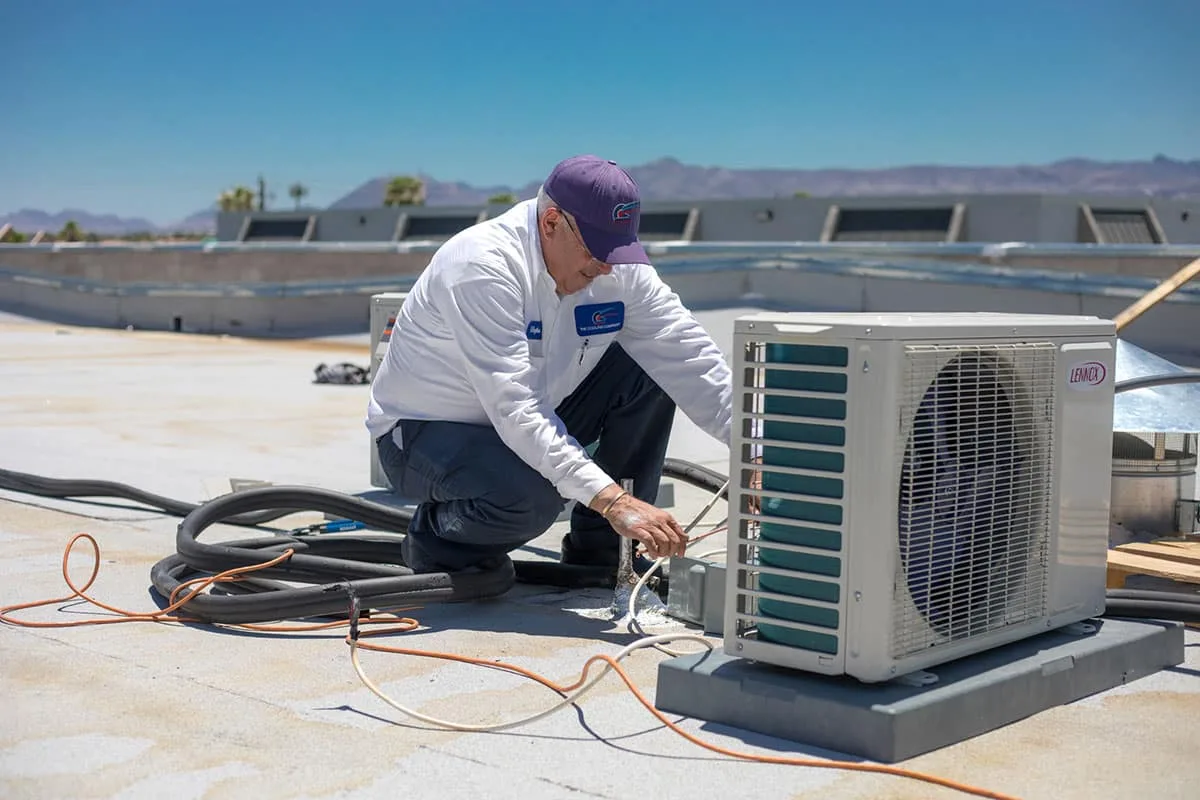
Installer quality usually affects efficiency and reliability more than the brand name on the outdoor unit. Common installation errors - incorrect refrigerant charge, poor airflow, and unmatched coils - reduce system efficiency and shorten life. A well-trained dealer who documents their work with a commissioning report gives you a path to warranty recourse and better long-term performance.
Warranty details depend on dealer registration and proper startup. Some factory warranties require that the dealer register the system and provide a startup report. Choose a dealer who offers written labor warranties and who keeps clear commissioning records. That protects you if the system underperforms or needs early repairs.
Why is installer quality critical?
A mischarged system can use substantially more energy and fail prematurely. Studies show incorrect charge and poor airflow can cut rated efficiency by a large fraction. Proper commissioning checks temperature splits, refrigerant pressures, superheat/subcooling, and static pressure. These numbers confirm the system is operating as designed in your home.
Insist on a documented commissioning report. It should include measured airflow (CFM), static pressure readings, and refrigerant data. Those baseline numbers help technicians diagnose later problems and support warranty claims. Installers who cannot or will not provide such documentation are a high risk.
How should you vet a Lennox dealer?
Ask for a Manual J load calculation and a Manual S equipment selection report. Verify the technicians are NATE-certified or factory-trained. Request references for recent jobs in homes like yours. A reputable dealer will also show startup documentation and explain their labor warranty and service response time.
Confirm parts availability and the dealer’s plan for newer refrigerants and service tools. A good dealer stocks common replacement parts for the models they sell and invests in technician training. That reduces downtime and service costs over the life of the system.
What refrigerant and regulatory changes affect choices?
Regulatory changes are phasing down higher global warming potential refrigerants. That affects service costs and the tools technicians need. Newer refrigerants may require updated service gear and training. Ask dealers how they plan to support new refrigerants for the next decade and whether their service teams are equipped and trained for them.
Efficiency testing methods have also changed. SEER2 and HSPF2 replace older SEER/HSPF ratings in many programs. These new test procedures reflect updated test conditions and can lower nominal ratings compared to older numbers. Compare SEER2 and HSPF2 when evaluating equipment so you match like with like.
What is SEER2 and why does it matter?
SEER2 is the updated seasonal efficiency rating that reflects revised test methods. In many cases SEER2 numbers are slightly lower than older SEER values for the same equipment. Rebates and code compliance programs now reference SEER2 in many areas. That means a model's SEER2 rating matters for incentives and for realistic comparisons between systems.
When you get a quote, ask the dealer to provide SEER2 labels and not older SEER claims. This ensures the savings and compliance assumptions are based on current testing methods. Using SEER2 avoids surprises when comparing different brands or model years.
How are refrigerant changes affecting choices?
The phase-down of R-410A and similar refrigerants is moving the industry toward lower-GWP alternatives. Some of these new refrigerants operate at different pressures or require different service techniques. Dealers who invest in training and equipment upgrades will provide lower-cost and faster service for new refrigerant systems.
Confirm that your dealer will stock common replacement parts and that warranty work will not be limited if the refrigerant landscape changes. A dealer with a clear plan for refrigerant transitions reduces long-term risk and service uncertainty.
When to repair, replace, and consider IAQ options?
Deciding between repair and replacement depends on system age, recent repair history, and repair costs. A good rule of thumb is to replace when repair costs approach half the value of a new system, or if the system fails safety or efficiency checks. Replacing older, inefficient equipment can reduce energy bills and improve comfort when failures become frequent.
Indoor air quality (IAQ) upgrades are often worth considering at the time of replacement. ERVs or HRVs provide balanced ventilation. Better filtration like MERV-13 and UV germicidal lights improve particulate and microbial control. Any IAQ add-on must be matched to system airflow to avoid added static pressure and reduced performance.
How important is indoor air quality equipment?
Good IAQ equipment can reduce allergens and improve ventilation. Many homes benefit from balanced ventilation and higher-efficiency filters. Simple steps like upgrading filters and adding UV can give noticeable improvements in air cleanliness and odor control.
Sizing and placement matter. Oversized filters or poorly placed sensors can hurt airflow and system response. Ask the installer to measure static pressure and airflow impact before finalizing IAQ additions. That ensures the IAQ gear improves health without compromising comfort.
What installation red flags should homeowners know?
Watch out for bids that do not include a Manual J or that lack a commissioning checklist. Vague scopes, missing permits, and no startup documentation are warning signs. Also beware of vendors who refuse to show measured startup readings after installation, or who cannot provide recent customer references.
Large change orders and unregistered warranties often appear later in the job. Insist on written pricing, documented startup numbers, and a clear labor warranty. Those items reduce risk and give you a path if the system underperforms.
For a side-by-side look at Lennox and all its competitors, see our definitive ranking of the top 25 AC brands in 2026.
Ready to pick the right HVAC system?
Get multiple line-item bids and require Manual J and commissioning before you sign. Compare total installed cost, expected annual energy use, and available rebates. Ask each dealer to include estimated runtime savings using your local electricity rates. Choose a dealer who shows startup numbers and offers a clear labor warranty. That protects performance and gives you recourse if the system underperforms.
Plan for scheduled maintenance. Regular filter changes, annual tune-ups, and duct checks keep efficiency high and reduce the risk of early failures. Proper maintenance also preserves comfort and indoor air quality over the life of the system.
How to get quotes and compare bids?
Request line-item bids listing model numbers, matched coils, duct changes, and labor warranty. Ask each dealer for an estimated annual energy use figure using your local electricity rate. Compare total installed cost plus energy and rebate estimates so you can weigh long-term value, not just initial price.
Check references and ask to see commissioning reports from recent jobs. A strong dealer will happily share startup data and customer contact details for homes like yours. If a dealer hesitates to provide those items, consider that a red flag.
Call to action
Las Vegas, Henderson, and North Las Vegas homeowners: call The Cooling Company at (702) 567-0707 for a free site review and Manual J load calc. Our NATE-certified techs provide documented commissioning and written labor guarantees for installations and replacements in the area. If you live outside our service area, ask any dealer for NATE-certified technicians and a written commissioning report. When you are ready for local service, call The Cooling Company for expert evaluation and transparent quotes in Las Vegas and nearby cities.
You Might Also Like
This aspect deserves careful consideration as you evaluate your options. Understanding the details helps you make more informed decisions. Consulting with qualified professionals provides additional insights specific to your situation.
- ac repair costs
- troubleshooting hvac odors
- ruud furnace problems
- trane furnace repair henderson
- how much to install hvac system in old house
Sources and further reading
About The Cooling Company
The Cooling Company has been serving the Las Vegas valley with professional HVAC services for over a decade. Our team of licensed, NATE-certified technicians specializes in air conditioning repair, heating system maintenance, and complete HVAC installations. We're committed to providing honest, reliable service with upfront pricing and a 100% satisfaction guarantee on all work performed.
- Phone: (702) 567-0707
- Reviews: 4.8/5 stars (780+ reviews) - See reviews
Service Areas
We proudly serve homeowners and businesses throughout the Las Vegas metropolitan area, including Las Vegas, Henderson, and North Las Vegas. Our service technicians are available for same-day appointments in most areas, with emergency service available 24/7 for urgent HVAC issues.
References
- U.S. Department of Energy (Energy.gov) (accessed 2026-01-02)
- U.S. Environmental Protection Agency (EPA) (accessed 2026-01-02)
- ASHRAE (Standards and guidance) (accessed 2026-01-02)
- ENERGY STAR (Heating & cooling) (accessed 2026-01-02)
Need HVAC Service in Las Vegas?
The Cooling Company provides expert HVAC service throughout Las Vegas, Henderson, and North Las Vegas. Our licensed technicians deliver honest assessments, upfront pricing, and reliable results.
Call (702) 567-0707 or visit AC repair, maintenance, heating, or installation for details.