
> By: The Cooling Company
Key Takeaways
- Clean coils to save 5–20% in cooling energy in many cases.
- Use coil-safe cleaners, low-pressure rinsing, and a fin comb for bent fins.
- Call a pro for leaks, major damage, or warranty-covered work.
Cleaning coils restores airflow and cuts energy use quickly when done safely. A proper clean can lower run time and cool homes faster. Use correct cleaners, PPE, and low-pressure rinsing. If you see leaks or heavy corrosion, stop and call a licensed technician for safe repair and diagnosis. (ASHRAE Technical Resources)
Why clean HVAC coils and when?
Dirty coils cut heat transfer and block airflow, which makes compressors run longer. This raises energy use and stresses components. A clean coil moves air better and lets the system meet setpoints faster.
Inspect coils at the start of cooling season and again midseason in dusty areas. Homes with pets, smokers, or ongoing renovations need checks every three months. If cooling slows or runtime rises, check coils right away.
What types of coils need cleaning?
Evaporator coils sit inside the air handler and trap moisture. Condenser coils sit outdoors and shed heat to the air. Both gather dirt but need different cleaners and rinsing methods.
Rooftop packaged units and ductless heads also collect debris. Access varies and safety steps differ. Know your unit type before you start to avoid damage or injury.
How do evaporator and condenser coils differ?
Evaporator coils run cold and often build sticky films from humid air and dust. Condenser coils run warm and collect loose dust, pollen, and yard debris. Each needs a tailored approach.
Cleaning evaporators often uses a foaming cleaner and careful drip control. Condensers benefit from a gentle spray and degreaser if grills or oily residues exist. Match your method to the coil type.
How to prepare for coil cleaning?
Good prep protects people and equipment. Start by switching off the thermostat. Then turn off power at the service disconnect near the condenser and the breaker for the air handler.
Gather PPE, tools, cleaner, a garden hose with a low-pressure nozzle, and a non-contact voltage tester. Put towels under indoor units and shield electrical parts to keep them dry while rinsing. (ASHRAE Technical Resources)
What PPE is essential for coil cleaning?
Wear safety goggles, chemical-resistant gloves, and a long-sleeve shirt to protect skin. A respirator helps in dusty spaces or when using stronger cleaners. Slip-resistant shoes cut fall risk around wet units.
Keep kids and pets away and have water and neutralizing solution handy if the cleaner requires it. These steps lower injury and mess risks.
Which simple tools do homeowners need?
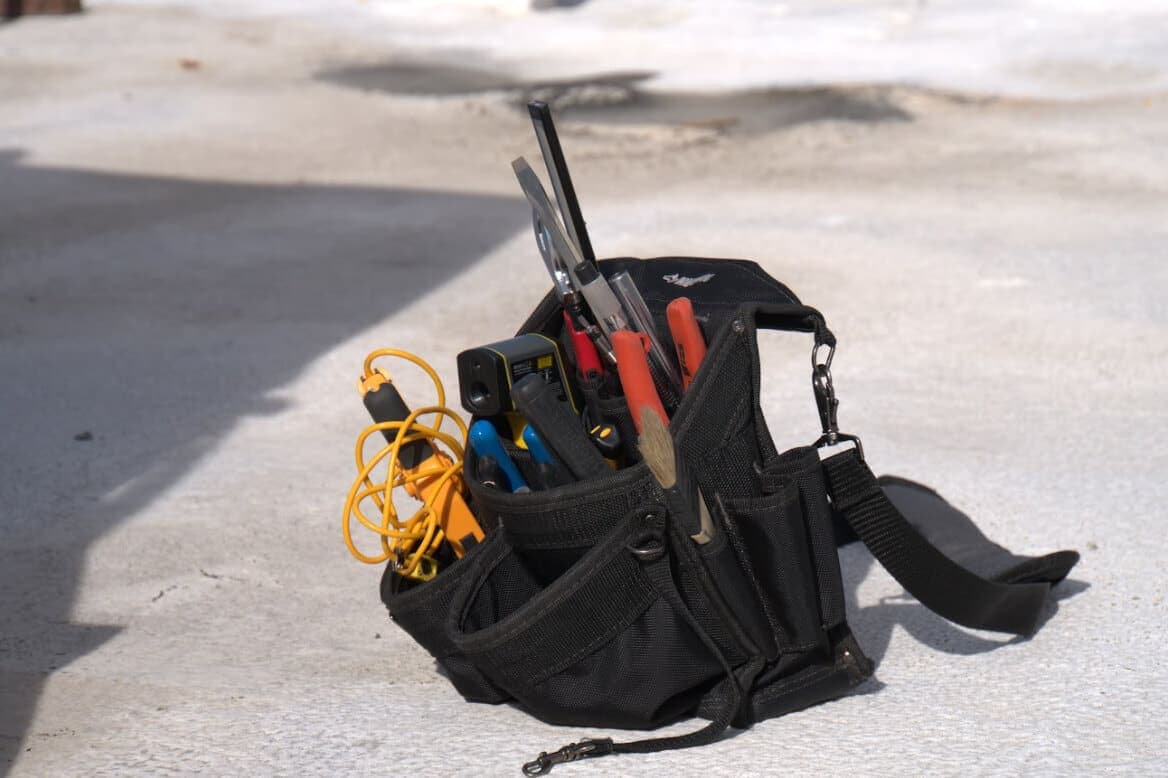
Basic items include a soft brush, a shop vacuum with a brush head, a fin comb, and a spray bottle. Add a flashlight, camera, towels, and a low-pressure garden hose nozzle.
Avoid pressure washers and metal brushes. These can bend fins or nick tubing. A fin comb fixes small bends and improves airflow after cleaning.
What is the safe step by step cleaning process?
Start by turning off power and verifying it with a tester. Next, photograph coils and note baseline temperatures. Remove loose debris by hand, vacuum, or soft brush before applying cleaner.
Apply a foam or coil-safe cleaner from top to bottom and let it dwell per label instructions. Rinse carefully with low-pressure water, reassemble panels, and run the system to confirm normal operation.
How do you shut down power and isolate the unit?
Turn off cooling at the thermostat first to stop cycles. Next, open the condenser service disconnect and then flip the breaker that feeds the air handler. Test with a non-contact voltage tester.
Lock-out or tag the breaker when possible. Confirm fans and motors stay off before touching wiring or internal panels to avoid shocks and damage.
When is brushing or vacuuming preferable?
Use brushing or vacuuming for loose dust and flaky debris. Indoor evaporator coils with light dust respond well to this method. Vacuuming before cleaner reduces chemical use and runoff.
Skip brushing when residues are sticky or oily. In those cases, a cleaner that dissolves grime first is safer and more effective than aggressive scrubbing.
What cleaner application method is best?
Foam cleaners cling to coil surfaces and lift grime. Spray foam from top to bottom so gravity helps remove loosened dirt. Low-pressure sprayers work for light soils and outdoor coils.
Keep cleaners off electrical parts and wiring. Use plastic sheet covers when needed. Follow dwell times on labels to avoid chemical drying and residue.
How long should cleaner dwell?
Follow the label; common dwell times range from five to fifteen minutes. Dwell lets the cleaner break bonds between dirt and metal. Mist the surface if it starts to dry. (ASHRAE Technical Resources)
For heavy deposits, repeat cycles with rinsing in between. Check progress visually after each rinse to avoid over-treating or leaving residue.
What is safe rinsing practice for condensers?
Rinse from the inside out when possible to push dirt away from fins. Use a gentle garden hose stream and keep the nozzle moving in steady passes. Avoid direct high-pressure spray.
Angle the spray shallowly to lower the risk of bending fins. Cover or remove electrical panels to stop water from reaching controls and motors.
When to use fin combs and how?
Use a fin comb when fins are visibly bent and blocking airflow. Match the comb to fin pitch and work slowly. Straighten a few fins at a time and check alignment often.
After combing, recheck airflow and listen for fan noise. Properly straightened fins reduce static pressure and help the unit cool more efficiently.
How to reassemble and restart systems?
Let components dry enough to avoid shorting electronics before reassembly. Replace panels, filters, and remove any covers used during rinsing. Tighten fasteners to original torque when possible.
Restore power and set the thermostat to cooling. Watch for odd noises, leaks, or weak airflow. Shut power down again if anything seems abnormal and inspect connections.
How to measure benefits and energy savings?
Take baseline supply and return air temperatures and note run times for a full week before cleaning. Record outdoor temperature and thermostat setpoints for comparison. Photos before work help show visible change.
Repeat the same measurements for a week after cleaning. Compare delta-T and runtime to estimate kWh savings. For large systems, use a data logger to capture accurate run hours and cycles.
What pre and post measurements should be taken?
Record supply and return temperatures, static pressure, and fan current before and after cleaning. Note refrigerant pressures when a tech can access them. Keep outdoor temperatures logged as context.
Save photos of coil faces and filter condition. These items form a clear record for warranty claims or to show the energy gains from the cleaning.
How to calculate expected energy savings?
Estimate savings by comparing compressor runtime before and after a clean. Multiply reduced hours by compressor power draw in kilowatts to get saved kWh. Then multiply by your local rate to get dollar savings.
As a rule of thumb, a 10% efficiency gain often gives a similar percent drop in cooling energy use. Adjust that rule for climate, thermostat settings, and system age. (ASHRAE Technical Resources)
What performance gains are typical?
Many homeowners see 5–15% gains in capacity after cleaning. Airflow often rises enough to increase supply temperature by several degrees. Older or heavily soiled systems usually show the biggest jumps.
Newer, well-maintained systems may show smaller, measurable gains. Record exact numbers to prove ROI and to track how quickly cleaning pays for itself.
When should you call a licensed technician?
Call a licensed HVAC technician for refrigerant work, electrical repairs, or major disassembly. Technicians hold EPA 608 and often NATE certifications. They have tools and samples to diagnose leaks and corrosion safely.
If you spot refrigerant oil, burned wiring, or persistent performance loss after cleaning, stop and call a professional. Timely service can prevent compressor failure and long outages.
What risks indicate professional service?
Visible oil stains, hissing noises, or severe fin and tubing damage are clear red flags. If fans do not run or the compressor cycles unevenly, a tech should inspect right away.
Let a licensed contractor handle refrigerants and brazing. These tasks require special tools and legal handling to protect people and the environment.
How do warranties affect DIY decisions?
Some manufacturers require authorized service to keep warranties valid. DIY work that uses non-approved cleaners or alters parts can void coverage. Always read warranty terms before major work.
Keep records of maintenance and cleaners used. If unsure, call the manufacturer support line to confirm whether your planned methods will affect coverage.
Which certifications matter for service quality?
Look for NATE certification for general HVAC skill. Confirm the tech has EPA 608 certification for refrigerants. Manufacturer-specific credentials show model-level training.
Ask to see ID and certificates before hiring. These credentials increase chances of safe work and correct diagnostics.
What costs should you expect from pros?
Expect a service call fee and labor plus parts for professional cleanings. Typical residential coil cleaning ranges from $100 to $400. Rooftop or hard-to-access units cost more.
Request written estimates and ask what the price includes. Compare at least two bids and check references for local contractors.
How are chemical wastes disposed responsibly?
Follow label instructions for collector and disposal of rinse water. Neutralize acidic or alkaline wastes if the cleaner label requires it. Do not send concentrated cleaner to storm drains. (ASHRAE Technical Resources)
Hire a licensed waste hauler when labels classify material as hazardous. Keep disposal receipts to show compliance with local rules.
Call to action
If you live in Las Vegas, Henderson, or North Las Vegas and want professional coil cleaning or a full HVAC tune-up, call The Cooling Company at 17029308411. Ask for NATE-certified techs and request a before-and-after performance check.
We offer written estimates, documented readings, and disposal that meets local rules. For outside readers, ask any local provider for NATE and EPA 608 credentials. Contact us for a second opinion or relocation services.
How to schedule a professional inspection?
Call The Cooling Company at 17029308411 and give your address and unit details. Tell the dispatcher if you have rooftop, packaged, or ductless equipment. Ask for a coil clean estimate and available time slots.
Confirm whether the technician carries NATE certification and will document before-and-after temps. A clear scope of work avoids surprises and speeds up service on arrival.
What should you expect during a pro visit?
A tech will inspect coils, filters, and fan operation and take baseline temperature and runtime readings. They will discuss findings and offer options like cleaning, minor repairs, or coil replacement when needed.
Expect a written estimate and a clear explanation of disposal practices for cleaners. Ask for follow-up service plans and documentation of work performed.
FAQs
Q: How long does a typical coil clean take? A: Most residential cleans take one to two hours. Complex access or rooftop units take longer and cost more. Time and price depend on soil level and unit type.
Q: Can I use a pressure washer? A: No. High pressure can bend fins or damage tubing. Use a gentle garden hose or a low-pressure nozzle to avoid permanent damage.
Q: Will cleaning affect my warranty? A: It can if you use non-approved chemicals or methods. Keep documentation and confirm with your manufacturer when you are unsure. When required, use authorized service.
Q: What daily habits prevent coil fouling? A: Change filters monthly during peak seasons and keep vegetation three feet away from outdoor units. Clean area around condensers and avoid parking grills near them to reduce greasy residues.
Q: When is replacement better than cleaning? A: Replace coils if corrosion, pinholes, or leaks persist after cleaning. If coils are old and repeatedly fail to meet output, a replacement may be more economical.
Final notes
Regular coil care is a low-cost step with clear benefits for comfort and energy bills. Small habits like filter changes and keeping outdoor units clear reduce deep-clean needs. Track results with photos and temperature readings to prove the value of each service.
If you are in the Las Vegas area, call The Cooling Company at 17029308411. We serve Las Vegas, Henderson, and North Las Vegas with licensed, NATE-certified technicians and documented service results.
About The Cooling Company
The Cooling Company has been serving the Las Vegas valley with professional HVAC services for over a decade. Our team of licensed, NATE-certified technicians specializes in air conditioning repair, heating system maintenance, and complete HVAC installations. We're committed to providing honest, reliable service with upfront pricing and a 100% satisfaction guarantee on all work performed.
- Phone: (702) 930-8411
- Reviews: 4.9/5 stars (500 reviews) - See reviews
Service Areas
We proudly serve homeowners and businesses throughout the Las Vegas metropolitan area, including Las Vegas, Henderson, and North Las Vegas. Our service technicians are available for same-day appointments in most areas, with emergency service available 24/7 for urgent HVAC issues.