


Short answer: Heating, Ventilation, and Air Conditioning (HVAC) systems are the backbone of modern comfort in homes and businesses. Proper HVAC installation is a complex process that involves multiple components, technical knowledge, and attention to detail. In this extensive guide, we will explore every facet of HVAC installation, leaving no stone unturned, to help you understand and appreciate the intricacies involved.
HVAC Installation: The Basics
The Definition of HVAC
Before delving into the installation process, it's crucial to understand what HVAC stands for: Heating, Ventilation, and Air Conditioning. These systems are indispensable for maintaining indoor comfort and air quality.

The Importance of Proper Sizing
Proper sizing is one of the single biggest factors that determines comfort, energy use, and equipment life. A correctly sized system prevents short cycling, reduces humidity problems, and lowers utility bills. For precise sizing, qualified technicians use recognized industry calculations:
- Manual J (load calculation) to determine heating and cooling loads for your specific house
- Manual S to select the correct equipment based on the load
- Manual D to size duct systems and layout
Practical notes for Las Vegas homeowners:
- Las Vegas summers routinely push outdoor temperatures above 100°F and bring significant solar gain to west- and south-facing walls. That increases cooling load compared with many other cities.
- Single-story homes with large attic volumes, common in neighborhoods like Summerlin and Henderson, may need different solutions than older two-story infill homes on the Strip or adjacent neighborhoods.
Homeowner checklist before a load calculation
- Have basic home info ready: square footage, number of occupants, number of windows and their orientation, attic insulation R-value, and ceiling heights.
- Note recent upgrades: new windows, added shade structures, or attic insulation. These change the load and may reduce required equipment size.
- Schedule the calculation during business hours so technicians can inspect attic and mechanical rooms.
Actionable tip: Ask for a copy of the Manual J, Manual S, and Manual D used for your proposal. This helps you compare quotes objectively and avoid oversized systems that lower comfort and raise bills. For help comparing installed system costs and total cost of ownership, see our guide on Lennox System Pricing: How to Compare Costs, Installation & TCO.
HVAC Installation Tools
Screwdrivers and Screw Guns
HVAC technicians rely on various types of screwdrivers and screw guns for tasks such as tightening and loosening components. Screw guns are particularly useful in confined spaces, automating screw placement.
Duct Benders and Duct Cutters
Duct benders are employed to shape metal sheets for ductwork, while duct cutters are essential for cutting materials accurately, ensuring proper airflow.
Tongs and Hammers
Tongs are used to handle ductwork and components during installation without causing damage. Hammers are indispensable for breaking insulation material and extracting parts during installation and repair work.
Gauges
Gauges are essential tools for pressure checks when working with refrigerants. Different refrigerants have unique pressure requirements for optimal efficiency and safety.
The HVAC Installation Process
Step 1: Site Evaluation
A thorough site evaluation is the starting point for HVAC installation. Technicians measure the space, layout, and orientation to determine the ideal placement for the unit.
Step 2: Cutting and Insulating
Creating an opening for the outdoor unit and properly insulating the area are critical steps in ensuring energy efficiency and maintaining consistent indoor temperatures.
Use our energy savings calculator to estimate your potential savings.
Setting Up the HVAC Unit
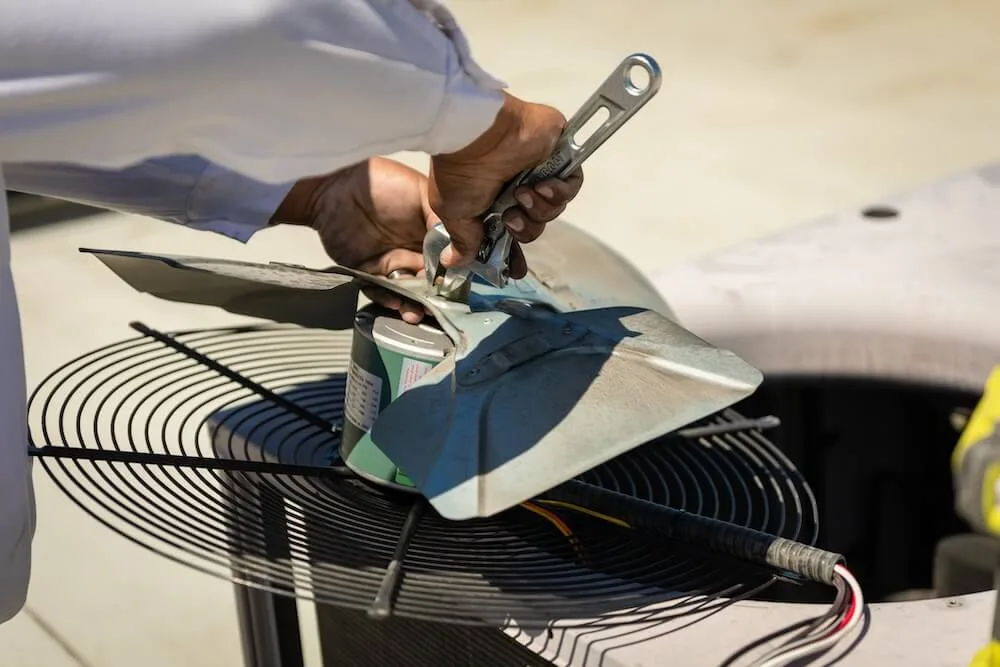
Technicians connect refrigerant lines, install duct systems, and connect indoor and outdoor units. A comprehensive inspection is conducted to verify the proper functioning of the system before handing it over to the customer.
Different Types of HVAC Installation
Split System
Split systems, consisting of an outdoor unit and an indoor unit, are the most common HVAC installations in homes. They efficiently provide cooling or heating.
Heat Pumps
Heat pumps are versatile systems capable of both heating and cooling, suitable for various climates, but requiring additional measures in extreme cold.
Air Conditioning
Air conditioners remove moisture and circulate cool air through ducts, maintaining comfortable indoor environments.
HVAC Installation Costs
Estimate Worksheet: How to Budget for HVAC Design and Installation
Use this quick worksheet to plan your HVAC budget for Las Vegas installations. Replace the example numbers with estimates from local bids.
Check our HVAC pricing guide for current cost estimates.
- New central AC (installed, mid-efficiency): $4,000 to $8,000
- High-efficiency systems (matched, high-SEER): $7,000 to $14,000
- Duct repairs or partial replacement: $500 to $3,000
- Full duct replacement: $3,000 to $8,000
- Permit and inspection fees: $100 to $600 (varies by city)
- Electrical upgrades (subpanel/breaker): $400 to $1,500
- Thermostat upgrade (smart): $150 to $600
- Optional: Zoning system: $1,000 to $4,000
Money-saving tips for Las Vegas homeowners:
- Consider off-season installs in fall or spring for better pricing and faster scheduling.
- Check for local utility rebates or federal tax incentives for high-efficiency systems. NV Energy often has incentive programs for qualifying equipment.
- Get multiple quotes with the same Manual J and scope to compare true value, not just headline price.
You may qualify for federal tax credits that reduce your upfront cost.
For deeper help comparing quotes and total cost of ownership, see our guide Lennox System Pricing: How to Compare Costs, Installation & TCO.
Quick budgeting action items
- Collect three bids that include load calculations and permit fees
- Ask for an itemized invoice showing equipment, labor, materials, and permits
- Verify any manufacturer or installer rebates and how to claim them
- Reserve a 10 to 15 percent contingency for unexpected duct or electrical work
This worksheet helps homeowners avoid common pitfalls, like accepting a low bid that omits duct sealing or proper permits, which leads to higher costs later.
Several factors influence HVAC installation costs, including system size, ductwork condition, electrical requirements, and additional components. Professional installation is essential to ensure compliance with local codes and optimal system performance.
Choosing the Right Contractor
A high-quality installation depends as much on the technician as on the equipment. Use these steps to vet contractors and establish trust.
What to check:
- Licensing and insurance: Verify Nevada contractor license and general liability coverage.
- Experience and training: Ask which manufacturers the techs are trained by and how often they receive retraining.
- Background checks and references: Request local references and examples of recent installations in Las Vegas neighborhoods like Henderson, Summerlin, and Paradise.
- Written estimates and scope: Ensure proposals include Manual J results, equipment model numbers, expected SEER values, permit requirements, and a detailed labor scope.
Questions to ask during the estimate:
- Are permits included and who pulls them?
- Is an AHRI certificate available for matched equipment?
- What are the start-to-finish timelines and inspection schedule?
Expertise and warranty:
- Ask about parts and labor warranty length and transferability. For Lennox warranty details in the area, see Lennox Parts Warranty Coverage Henderson: Protect Your System Today.
- Request that the installer registers the equipment with the manufacturer so your warranty is active.
Contractor vetting checklist
- Get at least three written bids with the same scope
- Confirm technician background checks and training records
- Verify local permit pulls and inspection plans
- Ask for a post-installation performance test report and thermostat calibration
At The Cooling Company, our technicians undergo background checks and ongoing training so you know a qualified team handles your installation. For guidance comparing brands and local performance, check our comparison Lennox Vs Trane Ac Las Vegas: What You Need to Know.
The Role of Ductwork
Ductwork often determines how well a technically good HVAC unit performs in a real home. Even a high-SEER air conditioner will underperform with leaky, undersized, or poorly insulated ducts.
Key points homeowners should know:
- Leaky ducts in unconditioned attics can lose 20 to 40 percent of conditioned air before it reaches rooms. In Las Vegas heat, that is expensive cooling loss.
- Proper duct design manages static pressure and ensures each room receives the right cubic feet per minute (CFM) of airflow.
- Insulating ducts in attics to at least R-8 helps reduce heat gain on hot days. Confirm the insulation type and condition during the site evaluation.
Signs your ducts need attention:
- Rooms that never reach thermostat setpoint
- Noticeable dust or odors from vents
- Excessive energy bills during long cooling seasons
Simple DIY duct test for homeowners
- Turn the system on, close interior doors, and feel each return and supply grille for airflow.
- Check attic or crawlspace seams for obvious gaps and disconnected ducts.
- If you suspect leaks, seal accessible connections with mastic or UL 181-rated foil tape and leave complex sealing to pros.
When installing or replacing coils and air handlers, compatibility matters. A mismatched coil and condenser reduces efficiency and can void warranties. For a quick technician reference, see our Lennox Coil Pairing Chart Summerlin: Verify Matches in 5 Quick Steps.
Duct inspection checklist for your installer
- Confirm duct layout meets Manual D recommendations
- Check insulation R-value and continuity in attic ducts
- Measure static pressure and supply airflow (CFM) at representative vents
- Request before and after photos of all attic or crawlspace work
Smart Thermostats, Zoning, and Energy Savings in Las Vegas
Smart thermostats and zoning systems allow Las Vegas homeowners to reduce cooling costs while staying comfortable. Because cooling dominates energy use here, small thermostat changes yield big savings.
Benefits and considerations:
- Programmable and smart thermostats save energy by raising setpoints when no one is home. In Las Vegas, setting the thermostat to 78°F when you are home and 82°F when away can reduce cooling costs significantly.
- Zoning systems use dampers and multiple thermostats to cool only occupied parts of a home. This is valuable for multi-level and larger homes in Summerlin or Henderson.
- Humidity control is less of a year-round issue in Las Vegas, but proper thermostat control and correct system sizing maintain comfort and prevent short cycling.
Thermostat setup checklist
- Set a default cooling setpoint of 78°F for occupied hours and 82°F for away hours
- Enable geofencing or schedule-based features if using a smart thermostat
- Ensure thermostat is installed away from direct sunlight or heat sources
- Ask installer to integrate thermostat with system for staging and compressor protection
If you are considering specific thermostat brands or features, read more about product advantages in Why Are Lennox Thermostats Better: Save Energy, Improve Comfort Today.
Related service: Need AC service in Las Vegas? Explore our AC repair and AC maintenance services for Las Vegas homeowners.
Need HVAC Service in Las Vegas?
The Cooling Company provides expert HVAC service throughout Las Vegas, Henderson, and North Las Vegas. Our licensed technicians deliver honest assessments, upfront pricing, and reliable results.
Call (702) 567-0707 or visit AC repair, maintenance, heating, or installation for details.