

Short answer: The fastest ways to improve HVAC energy efficiency are sealing duct leaks (which waste 20–30% of conditioned air), replacing a dirty filter monthly, and programming your thermostat for setbacks when away. These three steps cost little and can cut energy bills 15–25% before any equipment upgrades.
Improve HVAC efficiency by starting with maintenance, duct sealing, and smart thermostat schedules. Clean filters, tune the system, and correct refrigerant charge. These cheap fixes often cut bills quickly. When replacing equipment, use Manual J sizing and address ductwork first to secure long-term savings and comfort. (Source: DOE Better Buildings HVAC)
Key Takeaways
- Start with tune-ups, clean filters, and seal ducts for fastest payback.
- Use Manual J sizing before buying equipment to avoid oversizing.
- Smart thermostats and modest thermostat setbacks save energy and maintain comfort.
- Duct sealing, insulation, and correct refrigerant charge prevent wasted energy.
- Call The Cooling Company in Las Vegas for local inspections and upgrades.

What is HVAC efficiency and why care?
HVAC efficiency shows how well your system moves heat for the energy it uses. Higher efficiency lowers bills and reduces wear on parts. You get more consistent temperatures and less short cycling. That saves money and keeps equipment alive longer.
Inefficient systems often cause humidity and comfort problems. They run longer and cost more each month. Many homes use most energy on heating and cooling, so this area gives large savings. Fixing efficiency improves both comfort and ongoing bills.
How is HVAC efficiency measured?
Cooling efficiency is shown by SEER, SEER2, and EER ratings that compare seasonal or steady performance. Heat pumps use HSPF and COP to show heater-mode efficiency. Furnaces use AFUE to show percent of fuel turned into heat.
Manufacturers publish these numbers under set test conditions, so compare ratings using the same standard. Field checks like airflow and temperature split confirm how the equipment performs in your home. Always ask for lab and field numbers.
What do SEER and HSPF mean?
SEER stands for Seasonal Energy Efficiency Ratio and shows cooling performance across seasons. Higher SEER means less electricity for the same cooling output. HSPF measures seasonal heating efficiency for heat pumps and a higher number means more heat per watt.
SEER2 and HSPF2 reflect updated test methods that match real use better than older labels. Verify the label version when comparing models. Misreading ratings can lead to poor decisions and wrong expectations about savings.
Which quick DIY upgrades save the most?
Small tasks often give big returns on time and money spent. Clean or change filters, program a thermostat, and clear debris near outdoor units. Inspect visible duct runs and seal obvious open joints with mastic or foil tape for fast gains. (Source: DOE Better Buildings HVAC)
Do the easy steps first and measure results. Note runtime changes and room temperature swings after each action. If comfort problems persist, move to pro testing so you do not waste effort on the wrong fixes.
Can simple maintenance cut bills?
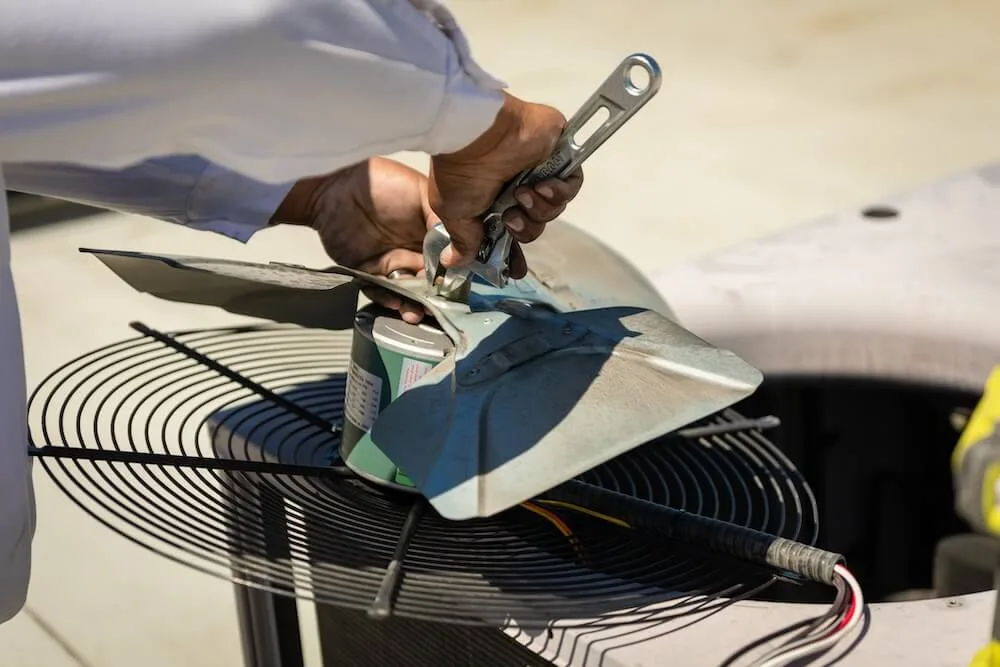
Yes. Routine maintenance restores lost efficiency and prevents sudden failures. Tasks include cleaning coils, checking refrigerant level, and lubricating fans. A clean coil moves heat better and reduces run time.
Tune-ups also find small faults before they worsen and can save repair costs. Many tune-ups pay for themselves in energy saved and longer equipment life. Keep records of tune-ups to protect warranties.
How to clean or replace filters?
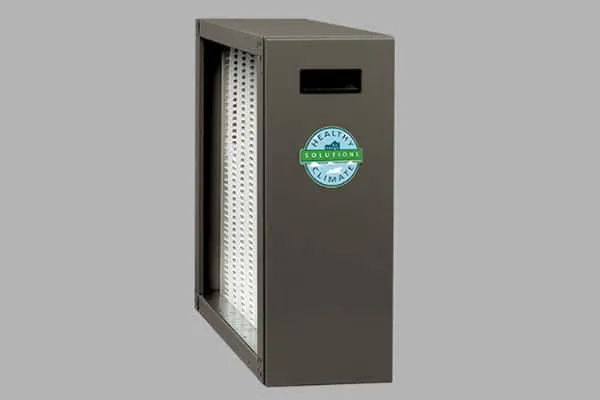
Find filters at the return grille or inside the air handler and turn off power first. Disposable filters come in standard sizes and MERV ratings. Match the size and choose a MERV that your blower can handle. Washable filters should be rinsed and fully dried before reuse.
Check filters monthly during heavy use. Homes with pets or smokers need more frequent changes. A clogged filter reduces airflow, raises static pressure, and cuts efficiency, so replace filters before they harm performance.
Will a smart thermostat pay back?
Smart thermostats often pay back in one to three years if used correctly. They let you set setbacks for away hours and provide energy reports that show savings. Remote control and geofencing can reduce unnecessary runtime when the house is empty.
Compatibility matters for heat pumps and multi-stage systems. A smart model that does not match your system can cause poor control. Ask a contractor about wiring and staging before buying.
When should you upgrade equipment?
Replace equipment when repair costs approach the value of a new system or when age cuts efficiency badly. Air conditioners and heat pumps often show diminished performance after ten to fifteen years. Furnaces can last longer but still lose efficiency with age.
Always look at ducts and insulation first. A new high-efficiency unit on leaky ducts will not reach its rated savings. Plan replacements together with distribution fixes for the best long-term outcome.
You may qualify for federal tax credits that reduce your upfront cost.
When is Manual J sizing required?
Manual J is the industry standard load calculation that sizes heating and cooling correctly. Ask for a Manual J for any central system replacement or major remodel. Without it, contractors may oversize or undersize equipment and cause comfort or humidity problems.
Most reputable contractors include Manual J in their proposals. If a contractor refuses, get another bid. Manual J also guides duct sizing and informs zoning choices for better results.
See why homeowners trust us — view our industry awards and certifications.
What SEER rating is worth the cost?
Value depends on climate, electricity rates, and how long you will own the home. In hot climates, higher SEER yields larger savings and faster payback. Moving from a 10–12 SEER to a 15–16 SEER often gives clear savings for many owners.
Use our energy savings calculator to estimate your potential savings.
Going above 18–20 SEER gives smaller incremental savings and higher upfront cost. Local rebates and incentives can tilt the math, so include those when comparing models for best value.
Heat pump or furnace: which is better?
Choose based on local temperatures and fuel costs. Heat pumps are efficient for cooling and heating, especially where winters are mild or moderate. New cold-climate heat pumps work well at lower temperatures than older models. [Point 1] (Source: DOE Better Buildings HVAC)
Furnaces can be cost-effective where natural gas is cheap and winters are very cold. Hybrid systems that pair a heat pump with a gas furnace can offer the best of both in some regions.
How to prioritize upgrades for best ROI?
Start with low-cost fixes that restore system performance and reduce runtime. [Point 1] Clean filters, tune the compressor, and seal ducts in unconditioned spaces. These steps usually save money fastest and improve comfort quickly.
Next, tackle envelope issues like attic insulation and air sealing that lower load. Then move to distribution upgrades and finally equipment replacement when justified. Bundle projects when possible to reduce labor and capture better ROI.
Which upgrades have highest payback?
High payback items include filter discipline, thermostat programming, and duct sealing in attics and crawlspaces. Fixing these often reduces run time and improves comfort quickly. Attic insulation also often pays back well in most climates.
Replacing an old unit can pay back sooner if repairs are frequent and system efficiency is very low. Order work by inspection results and documented energy use to make the best choices.
How to budget for combined projects?
Get multiple quotes and include likely rebates and tax credits in your math. Decide which measures give the best payback and plan phasing if needed. For example, seal ducts and add insulation this year, then replace the outdoor unit next year.
Keep a contingency for hidden repairs like damaged duct sections found during sealing. Budget for commissioning tests after work to confirm the job meets expected performance.
How to know when to call a pro?
Call a licensed technician for Manual J load calculations, duct blaster tests, refrigerant repair, and any gas work. Also call when you see odd noises, frequent cycles, or unexplained high energy use. A pro can measure system performance and point to cost-effective fixes.
Choose contractors who follow ACCA standards and can show AHRI equipment matches. Ask for written Manual J/D/S files, duct leakage numbers, and a clear, itemized bid to avoid surprises after work starts.
What questions should you ask contractors?
Ask for a Manual J load calculation and proof of duct testing. Request AHRI match certificates for proposed equipment and a breakdown of expected savings. Ask about warranties and who handles permits and inspections.
Request references and ask about local licensing and insurance. A detailed written proposal with scope, timeline, and cleanup expectations reduces surprises and shows professionalism.
How is duct leakage tested?
Duct leakage testing uses a duct blaster to pressurize the system and measure lost airflow in cubic feet per minute. The test gives a leakage number and often a percentage of total flow. Contractors use it to decide whether sealing is cost effective.
Ask for before-and-after numbers in writing. That documentation shows expected savings and verifies repairs hit targets. If ducts run through attics, sealing often pays back quickly.
What documentation should a pro provide?
A pro should give Manual J/D/S files, duct leakage test results, AHRI equipment match certificates, and warranty paperwork. Commissioning reports should show airflow, temperature split, and refrigerant charge measurements. These documents prove the job met specs. [Point 2] (Source: DOE Better Buildings HVAC)
Keep the paperwork for warranty claims and resale. Clear documentation also helps compare quoted savings and verify the work delivered promised benefits.
Ready to cut bills? Call The Cooling Company?
If you live in Las Vegas, Henderson, or North Las Vegas, call The Cooling Company at (702) 567-0707 for a professional HVAC energy check. We perform Manual J load calculations, duct testing, tune-ups, and high-efficiency installs. Our technicians document findings and recommend a staged plan to cut bills and boost comfort.
Outside our area, learn about certified technicians at NATE (natex.org) and look for contractors who provide Manual J, duct leakage testing, and AHRI-matched equipment. When you move or visit the Las Vegas metro, The Cooling Company serves Las Vegas, Henderson. North Las Vegas for diagnostics and installs.
What inspection costs and paybacks should I expect?
Inspection fees range by region and depth of diagnostic work, from modest tune-up prices to more thorough diagnostic visits. A basic tune-up often costs less than a detailed diagnostic visit with airflow and refrigerant checks. Many contractors credit inspection fees toward repair or replacement.
Payback depends on the measure. Filters and thermostats often pay back within months. Duct sealing usually repays in two to seven years. Full system replacements vary from five to twelve years, depending on climate and incentives.
How to verify installation quality after work?
Ask the installer to show measured airflow, temperature split, and refrigerant charge. Request duct leakage retests and an AHRI match certificate for the new system. These numbers prove the work delivers designed performance and justify warranty coverage.
If measurements do not match the proposal, ask for corrective actions. Proper commissioning ensures your new system will save energy and keep you comfortable for years.
Key Takeaways
HVAC efficiency cuts bills and improves comfort when you target the right things first. Start with maintenance, filter discipline, thermostat scheduling, and sealing ducts in unconditioned spaces. Measure results and address the biggest losses before buying new equipment to get the best long-term value.
Use Manual J as a foundation for any replacement and fix distribution problems before replacing major components. Check local incentives to shorten payback. For Las Vegas metro homeowners, The Cooling Company can run diagnostics and deliver documented savings plans to meet your goals.
Summary of quick wins
Regular tune-ups and clean filters restore lost efficiency quickly and cheaply. Seal accessible duct leaks and insulate duct runs in attics and crawlspaces. Install a compatible smart thermostat and set sensible setbacks to reduce runtime. These steps often yield fast, measurable savings with low cost.
Step-by-step efficiency checklist
- Inspect filters and replace if dirty.
- Schedule a professional tune‑up and refrigerant check.
- Seal and insulate ducts in unconditioned spaces.
- Get a Manual J load calculation before replacing equipment. (Source: DOE Better Buildings HVAC)
- Compare AHRI data and verify SEER2/HSPF2 ratings and rebates.
Call to action
If you live in Las Vegas, Henderson, or North Las Vegas and want a professional HVAC energy check, call The Cooling Company at (702) 567-0707 today. We provide Manual J load calculations, duct testing, tune-ups, and high-efficiency system installs with documented measurements. Schedule a diagnostics visit and get a clear plan to cut bills and improve comfort.
Outside our service area, visit NATE at natex.org to find certified technicians who follow industry standards. When you later relocate to the Las Vegas area, The Cooling Company serves Las Vegas, Henderson. North Las Vegas and can complete your retrofit or install with full documentation and testing.
FAQs
What is the single best step to save HVAC energy?
Start with a tune-up, clean filters, and program your thermostat. These simple moves often yield the fastest savings for the least cost. If ducts run through unconditioned spaces, sealing them is the next high-value action to reduce waste.
How often should I change my filter?
Check filters monthly during heavy use and change every one to three months depending on filter type, pets, and occupancy. Higher MERV filters need more frequent changes to avoid airflow restriction. Keep a record of filter size and replacement dates.
Will a new high-SEER AC always save money?
Not always. Savings depend on installation quality, duct condition, and climate. A high-SEER unit on leaky ducts will not reach expected savings. Pair equipment upgrades with distribution fixes and correct sizing for best results.
Do smart thermostats work with heat pumps?
Yes, but verify the thermostat supports heat pump control and auxiliary heat stages. Proper configuration is critical for efficiency and comfort. Ask your contractor about compatibility and wiring before purchase.
Resources and references
- U.S. Department of Energy - Energy Saver resources and heat pump guidance.
- ENERGY STAR - Product lists and rebate guidance for HVAC.
- AHRI Directory - Verify equipment performance and matched system ratings.
- ACCA Manuals J, D, and S - Sizing and design best practices.
- NATE (natex.org) - Certification details for HVAC technicians.
If you are in the Las Vegas area and ready to improve HVAC efficiency today, call The Cooling Company at (702) 567-0707. We serve Las Vegas, Henderson, and North Las Vegas and deliver diagnostics, duct sealing, and high-efficiency installs with documented savings.
Related reading: what to explore next?
- Emergency Ac Repair: Get Same Day Service Before Heat Hits Today
- HVAC Maintenance Checklist: What Should Be Included in Your Service?
- Energy Saving Tips: Cut Your Bills Fast with 10 Easy Changes
- Smart Thermostat Energy Savings: How to Cut Your Bills Fast Now
About The Cooling Company
- Phone: (702) 567-0707
References
- U.S. Department of Energy (Energy.gov) (accessed 2025-12-20)
- U.S. Environmental Protection Agency (EPA) (accessed 2025-12-20)
- ASHRAE (Standards and guidance) (accessed 2025-12-20)
- ENERGY STAR (Heating & cooling) (accessed 2025-12-20)
Need HVAC Service in Las Vegas?
The Cooling Company provides expert HVAC service throughout Las Vegas, Henderson, and North Las Vegas. Our licensed technicians deliver honest assessments, upfront pricing, and reliable results.
Call (702) 567-0707 or visit AC repair, maintenance, heating, or installation for details.