


Short answer: Recently, a Las Vegas homeowner encountered delays and unexpected expenses due to an HVAC installation that didn't meet standards. This incident highlights the importance of understanding the installation process. This guide offers a detailed checklist to ensure every step, from planning to execution, is handled correctly. In a climate as demanding as Las Vegas, attention to detail can make all the difference. For a full walkthrough of each phase from first phone call to final walkthrough, see our HVAC installation process guide and use this checklist alongside it. If you need a pro to handle it, start with our HVAC installation in Las Vegas service page.
Recently, a Las Vegas homeowner encountered delays and unexpected expenses due to an HVAC installation that didn't meet standards. This incident highlights the importance of understanding the installation process. This guide offers a detailed checklist to ensure every step, from planning to execution, is handled correctly. In a climate as demanding as Las Vegas, attention to detail can make all the difference. For a full walkthrough of each phase from first phone call to final walkthrough, see our HVAC installation process guide and use this checklist alongside it. If you need a pro to handle it, start with our HVAC installation in Las Vegas service page.
Need a licensed crew to handle the full install? Call (702) 567-0707 or request a consultation on our HVAC installation service page.
Understanding the HVAC installation process helps avoid common industry pitfalls. For instance, a Las Vegas HVAC repair now averages $1,000 or more, and replacements can be even more costly. A thorough checklist is essential for an efficient, long-lasting installation.
What the HVAC installation checklist includes
This comprehensive checklist outlines every phase of the HVAC installation process. It introduces homeowners to critical evaluation points, procedural checks, and coordination efforts that ensure compliance with local codes and manufacturer recommendations.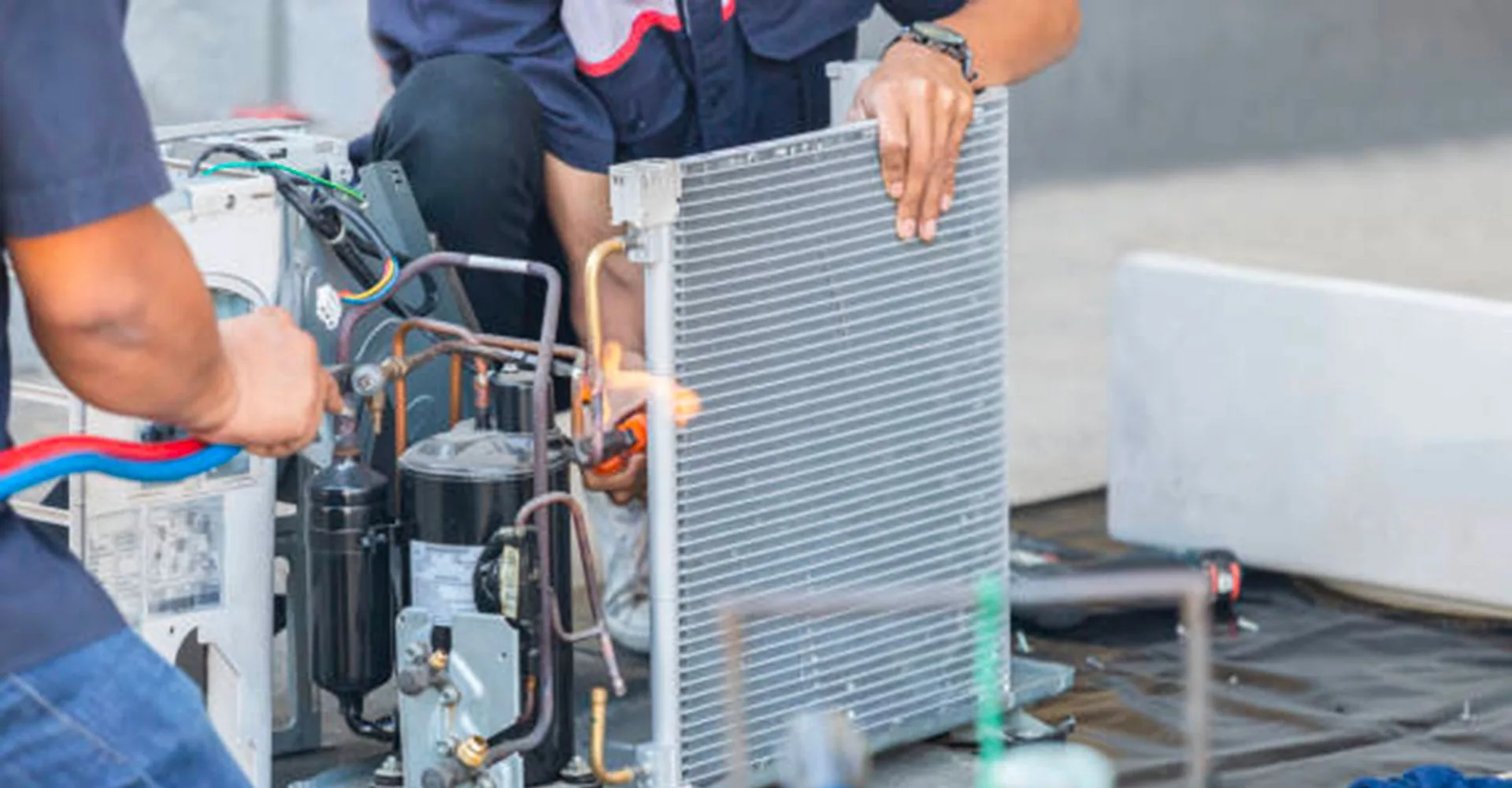
Key components include confirming the system's scope, verifying necessary permits and inspections, and requirements for load calculations and proper ductwork assessment. Integrating these details can reduce risks such as improper installation, which may decrease system efficiency by up to 30%.
The checklist promotes a systematic approach that benefits homeowners by ensuring no step is missed, from initial review to final testing. Consistent adherence to these guidelines leads to a safe and effective HVAC system tailored for Las Vegas's unique climate challenges.
Who this HVAC installation checklist is for
Primarily designed for Las Vegas homeowners, this checklist is also a valuable resource for property managers and seasoned DIY enthusiasts who appreciate structure in home improvement projects. It simplifies what can otherwise be a complex installation process. If you are tempted to tackle projects yourself, read our DIY HVAC install guide first so you can see what is actually safe to do on your own.The guide is beneficial for anyone considering a new installation or system upgrade, especially those aiming to match high efficiency with local environmental challenges like extreme heat and dust.
This checklist is a practical tool for anyone wanting to avoid faulty technical work and ensure their new HVAC system stands the test of time under harsh conditions.
How to use this checklist before, during, and after installation
Homeowners should review the checklist multiple times—prior to installation, during the process, and once the work is complete. This repeated review aids in maintaining a clear timeline and understanding of what each stage should achieve.Before installation, use the list to prepare your home by clearing pathways and arranging access for technicians. During installation, ensure each stage is verified against this guide, noting any discrepancies immediately.
After installation, use the checklist to confirm that all aspects of the setup, including permits and post-installation tests, are completed. This final review acts as a quality assurance check, ensuring the system is ready to handle Las Vegas’s harsh weather conditions. Once the system is running, you can switch from this installation list to our HVAC inspection checklist to know what technicians should check at every future visit.
Key stages of a residential HVAC installation
A typical installation project in Las Vegas involves several key stages, starting with initial assessment, load calculations, and design planning. Each stage requires diligent review of how local factors such as high attic temperatures and dust loads affect overall performance. If you want a narrative, step by step explanation of these phases, our HVAC installation process guide breaks down what happens at each visit and who is involved.The process flows from planning to material delivery, installation, and rigorous post-installation testing to ensure optimal performance and safety. The design phase often relies on standards like ACCA’s Manual J for load calculation and Manual D for ductwork planning.
Post-installation, the commissioning process records key operational data and ensures that the equipment meets set metrics, which is especially important given that an HVAC contractor in Las Vegas may charge around $27 per hour for large installations.
Common questions homeowners have about installation day
Homeowners frequently wonder what to expect on installation day. Common questions include how long the installation will take, what preparations are needed beforehand, and what post-installation maintenance will be required.Many also want to know about safety considerations such as ensuring proper clearance around external units and making arrangements for pets or children. Clarifying these points in advance can prevent confusion and ensure a smoother process.
In Las Vegas, where extreme temperatures can place additional stress on materials, this checklist serves as a safeguard, prompting queries that direct the homeowner’s attention to details often overlooked during a rushed installation.
What a professional HVAC residential installation should look like
An ideal installation is both methodical and documented, reflecting standards supported by sources like the Department of Energy and AHRI. Professional installation is characterized by careful load calculations, optimal equipment matching, and guaranteed post-installation testing.From the moment the crew arrives, every detail—from equipment placement to the verification of airflow—is systematically checked. A quality HVAC professional will complete a series of load and duct reviews and document findings, ensuring that every component is installed in accordance with local codes.
This structured approach not only maximizes efficiency but also extends the lifespan of the system in environments with unique demands like those in Las Vegas.
How this checklist fits into your overall comfort plan
The HVAC installation checklist is a building block in the creation of an overall home comfort strategy. It complements regular maintenance plans, future upgrades, and energy conservation measures tailored for the Las Vegas climate.Incorporating the checklist helps homeowners achieve predictable operating costs by reducing the risk of failure or subpar performance. Routine inspections and maintenance, as suggested by local HVAC experts, become a natural step in the broader comfort plan.
Ultimately, integrating this checklist into the overall strategy means fewer surprises and increased system reliability, ensuring a comfortable home year-round.
When to print or save this HVAC checklist
It is advisable to print or digitally save this checklist as soon as a decision is made to proceed with an HVAC project. Whether revisiting the list for routine inspections or during contractor meetings, having the document on hand provides clarity and a benchmark for progress.Maintaining a physical or digital copy helps track modifications and any additional requirements that may arise during installation. This step is especially wise when verifying permit and inspection documentation.
In essence, a saved checklist becomes a portable resource, guiding homeowners throughout the lifetime of their HVAC system and ensuring accountability at every step.
Signs you are ready to schedule a new HVAC installation
Several signs indicate that it is time to schedule a new HVAC installation. Persistent delays, increased repair frequency, and decreased efficiency are common alerts. For instance, a complete system replacement might be required when repairs escalate in cost, especially in a context where a repair can average $1,000 or more.Other clear indicators include aging equipment that struggles to maintain comfortable indoor temperatures during extreme heat or noticeable energy bill increases due to lower efficiency levels.
Homeowners should closely monitor system performance and schedule a new installation when efficiency drops or when local climate conditions amplify equipment stress, ensuring smooth operation in a city known for high temperatures.
When you may need extra duct or electrical work
Sometimes, a routine HVAC installation may reveal additional challenges, particularly with ductwork or electrical components. In older homes, duct leakage or improper electrical configurations can reduce system efficiency substantially.Professionals recommend a thorough review of duct systems during installation, as improperly balanced ducts often cause uneven air distribution—a problem frequently observed in Las Vegas homes. Additionally, upgrades to electrical systems might be necessary to handle modern HVAC units with increased power requirements.
Ensuring that all duct and electrical work meet current standards is essential to prevent future repairs and to maintain a cost-effective and efficient system. Homeowners are encouraged to ask their comfort advisor about these ancillary checks in advance.
Why an HVAC installation checklist matters
An HVAC installation checklist is not just a formality; it is a critical tool that ensures every installation step adheres to best practices. Without a comprehensive checklist, small oversights can lead to significant inefficiencies or even premature system failure.For instance, improper installation can result in a reduction in system efficiency by nearly 30% if not meticulously addressed—a factor that influences both short-term performance and long-term savings on energy bills (Angi).
By systematically addressing each checkpoint, homeowners can be proactive in securing a setup that consistently delivers the right balance of performance, efficiency, and comfort in a challenging climate like that of Las Vegas.
Installation quality versus equipment brand
While top-quality equipment is important, the quality of the installation process often has a more significant impact on overall system performance. Even the best brand can perform poorly if not installed correctly.A meticulously installed system meets manufacturer specifications and local codes, ensuring optimal operation. In contrast, shortcuts during installation might compromise safety and efficiency, regardless of the equipment's reputation.
Choosing experienced professionals who stress installation quality, rather than relying solely on the equipment brand, is key. This distinction is critical in areas where weather extremes demand precision in every installation step.
How poor installation leads to hot and cold spots
Poor installation is a leading cause of inconsistent indoor temperatures. If ductwork is not balanced properly or the system is not sized accurately during installation, hot and cold spots within the home can become a persistent problem.Improper load calculations may result in underperforming systems that fail to distribute air evenly—a recurring concern especially in multi-story Las Vegas homes where attic heat and dust accumulation are additional factors.
This ventilation imbalance often leads to noticeable comfort issues, reinforcing the need to follow each item on the installation checklist, ensuring a harmonious temperature distribution.
How shortcuts raise your energy bills and repair costs
Shortcuts taken during HVAC installation, such as skipping critical ductwork inspections or open permits, can lead to system inefficiencies. Over time, these oversights force the system to work harder, which inflates energy bills considerably.The reality for many is that immediate savings on installation are dwarfed by the long-term costs associated with frequent repairs and higher operating expenses. In a city like Las Vegas, where electricity usage is significantly affected by continuous heat waves, the long-term impact is even more evident.
Ensuring every technical requirement is met upfront is an investment in reducing future expenses, exemplifying how a detailed checklist can translate into tangible financial benefits.
Why Las Vegas homes are hard on HVAC systems
Las Vegas presents unique challenges for HVAC systems. Extreme summer temperatures, often exceeding 105°F, combined with dust accumulation and fluctuating day–night temperatures impact equipment performance. Additionally, high attic temperatures can lead to increased duct losses.These factors subject HVAC systems to elevated stress levels, shortening the lifespan of even well-made equipment. Homeowners experience frequent maintenance issues, which is why a comprehensive installation checklist is critical to preempt and mitigate these challenges.
Using a checklist tailored for local conditions ensures that the installation accounts for these stressors, protecting the investment from premature degradation.
Red flags that your installer is rushing the job
Signs of a rushed installation include lack of proper documentation, skipped load calculations, and incomplete equipment testing. A hurried approach can lead to errors such as misaligned ductwork or inadequate electrical connections.When the schedule seems overly compressed or the installer omits explanations for critical steps, homeowners should be wary. Rushing through the process frequently leads to costly call-backs and operational deficiencies later on.
A careful review based on this checklist helps detect red flags early, ensuring that every detail receives the attention it requires for a safe, long-lasting installation.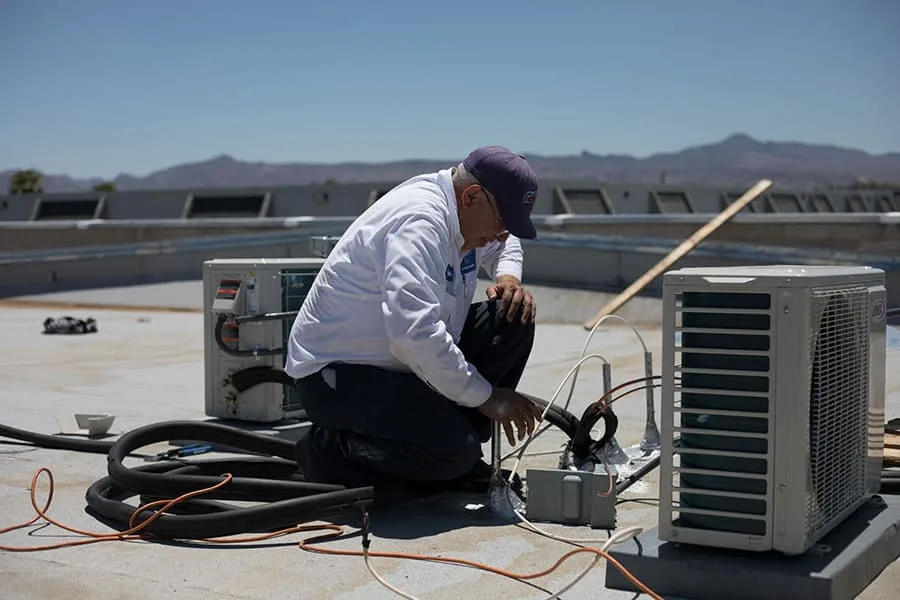
Pre installation HVAC checklist before the crew arrives
Preparation before installation is just as important as the installation itself. A pre-installation checklist ensures that your home is ready to receive the crew and that no preparatory task is overlooked.This section outlines critical steps including verifying the scope of work, ensuring the system’s specifications have been communicated, and organizing the space to facilitate a smooth process. Homeowners are advised to consult with their comfort advisor to confirm all details in writing.
Addressing these practical steps prevents delays and eliminates potential complications, providing a strong foundation for the installation so it runs seamlessly on installation day.
Confirm the scope of work and system being installed
Before the crew arrives, it is vital to confirm all aspects of the planned work. Review the installation contract and system specifications to ensure clarity on what will be installed. Verification prevents surprises that may otherwise lead to increased costs.This confirmation should include checking that the equipment to be installed meets the proper specifications, such as being sized correctly for your home’s load requirements. Clear communication at this stage avoids misunderstandings during the actual installation.
A well-defined scope solidifies the project timeline and quality, ensuring that every component from ductwork to electrical connections meets local codes and manufacturer instructions.
Review load calculations and system sizing basics
Load calculations are essential for matching the right HVAC system to the demands of your home. These calculations, often done using industry standards like Manual J, directly impact the size and configuration of both the system and ductwork.Correct sizing prevents issues such as short cycling or excessive run times, which can be costly over time. In Las Vegas, where high ambient temperatures are common, proper load and duct reviews become even more critical.
This review should involve verifying that the installed system meets the required tonnage and efficiency standards as determined by a professional assessment, ensuring the system performs optimally under local conditions.
Ask about ductwork inspection and airflow plans
Proper air distribution is linked closely to well-designed ductwork. Prior to installation, homeowners should inquire about a thorough duct inspection, assessing for leaks, insulation issues, and appropriate routing.Excessive dust, a challenge in Las Vegas, can accumulate if airflow is restricted by poor design or installation. A detailed duct inspection minimizes the risk of uneven temperatures or system inefficiencies down the line.
Discussing airflow plans with the installer also increases confidence in the final system design, ensuring the ducts are matched properly to the selected HVAC system, and thereby, mitigating common performance issues.
Verify permits inspections and required paperwork
For a compliant installation, it is essential to confirm that all necessary permits are in order before the work begins. Permits and subsequent inspections ensure that the installation adheres to local building codes and safety standards.In Las Vegas, proper documentation not only guarantees system performance but also safeguards your home in the event of future sales or inspections. A meticulously organized file of permits and inspection reports is invaluable.
This step mitigates potential legal or compliance issues, ensuring that the project’s scope and execution are fully vetted and documented according to local regulations.
Clarify arrival window access and parking
Homeowners can significantly streamline the installation process by clarifying the crew’s access to the property. It is wise to determine a clear arrival window and designate parking spots that allow the crew to unload heavy equipment without delay.Proper planning minimizes disruptions and contributes to a smoother, more efficient installation process. Confusion about access points can lead to miscommunications or even damage to the property.
A pre-installation discussion about parking and site access lays the groundwork for maintaining an unobstructed flow of work throughout the day.
Prepare pets kids and sensitive areas of the home
Ensure that the environment is safe and accessible for the installation crew by arranging care for pets and securing fragile items. Creating a dedicated work area minimizes safety hazards and distractions for both the family and technicians.This action supports a more efficient workflow and reduces the risk of accidental damage to personal property or system components. A well-prepared environment enhances the overall quality of installation, allowing professionals to focus on technical details.
Home preparation is a small but critical facet that helps maintain the safety and efficiency of the process, ultimately contributing to a successful installation.
What to move or protect before installation day
To safeguard critical areas, remove valuable or fragile items from the installation path. This includes moving furniture, electronic devices, and artwork that might be vulnerable during the installation process.Clearly marking these zones or setting aside a protected space ensures that the technicians have unhindered access to installation areas while reducing the likelihood of incidental damage.
Such precautions ensure that the process is focused solely on the HVAC system, without causing disruptions or additional cleanup later on.
Questions to ask your comfort advisor in advance
Before installation day, it is important to address any uncertainties with your comfort advisor. Key questions should involve confirming the system’s specifications, discussing the timeline, and verifying that all aspects of the work are covered under warranty.This dialogue should also extend to topics such as the adequacy of ductwork, quality of airflow, and the specifics of electrical or permit requirements. Engaging in this conversation early establishes a clear expectation and builds trust.
An informed conversation ensures that both parties are aligned on schedule, scope, and quality requirements. A clear and transparent dialogue removes uncertainty and sets the stage for a confident installation process.
Conclusion and Homeowner Takeaway
The HVAC installation checklist provides a practical, step-by-step framework that guides homeowners through every phase of their HVAC project. From initial planning and verifying system specifications to ensuring that permits and installation sites are suitably prepared, this guide encapsulates the essence of a successful project under Las Vegas conditions.By following each section diligently, homeowners benefit not only from increased comfort and operational efficiency but from long-term savings on energy bills and repair costs. Adhering to detailed measures mitigates common pitfalls like hot and cold spots, costly repairs, or rushed installations.
If you want a seamless and worry-free installation, make sure to contact The Cooling Company for all of your HVAC Installation needs!
Need HVAC Service in Las Vegas?
The Cooling Company provides expert HVAC service throughout Las Vegas, Henderson, and North Las Vegas. Our licensed technicians deliver honest assessments, upfront pricing, and reliable results.
Call (702) 567-0707 or visit AC repair, maintenance, heating, or installation for details.