

Short answer: Discover HVAC maintenance tips that cut energy use up to 30% with simple monthly tasks and seasonal tuneups; lower bills now.
Key Takeaways
- Change filters and clear debris around outdoor units to improve airflow.
- Seal ducts and set thermostats sensibly for the biggest energy wins.
- Book spring and fall tuneups to catch small faults before they become big failures.
Regular HVAC maintenance lowers energy use, boosts comfort, and stops early failures. Simple tasks like changing filters, cleaning coils, and checking thermostats often cut bills by up to 30 percent. Start with a basic plan and schedule seasonal professional tuneups to keep systems efficient and reliable. (Energy gov HVAC Efficiency Basics)
What is HVAC maintenance?
HVAC maintenance means planned work to keep heating, cooling, and ventilation systems running well. It covers simple homeowner tasks and deeper checks by trained technicians. The goal is steady comfort, safe operation, and as-low-as-possible energy use.
A typical maintenance plan removes dirt, checks controls, and finds worn parts before they fail. This work lowers energy loss and keeps indoor air healthier. It also helps systems reach rated efficiency and avoid sudden breakdowns.
Regular attention builds a maintenance history that helps when parts age or a warranty is claimed. Keep receipts and written reports after each visit. These notes make future diagnosis faster and cheaper.
How does maintenance cut energy use?
Clean parts let air move freely and heat transfer work as designed. Filters and coils that are clear reduce fan and compressor load, so the system runs fewer minutes per hour. Shorter run times lower electricity use and extend component life.
Tight controls stop needless on/off cycling and keep setpoints steady. Proper refrigerant charge and sealed ducts keep capacity high. Fixing small leaks or a bad thermostat often yields quick, measurable savings on monthly bills.
Use our energy savings calculator to estimate your potential savings.
Which parts does it cover?
Maintenance covers filters, coils, drain pans, belts, and basic electrical checks. Technicians also test motors, capacitors, and refrigerant pressures when needed. Ductwork inspection is part of a full check and finds leaks that waste conditioned air.
Some services include lubrication of moving parts and minor adjustments to motors and fans. The goal is to keep each part working near its original spec so the whole system does less work to heat or cool your home.
Which homeowner tasks save the most energy?
Homeowners can handle several tasks that return fast savings and reduce service calls. Regular filter changes, clearing the outdoor condenser, and keeping vents open all help airflow. These chores often cost little and cut run time.
Spotting odd noises and reporting them early saves money. Also check thermostat settings and keep curtains or blinds adjusted to reduce heat gain. Small daily habits add up across a season.
Seasonal prep like moving debris away from the condenser and clearing the area within two feet helps performance. A clean two-foot zone often prevents compressor overwork on hot days.
Which basic tasks can homeowners do?
Start by checking and replacing filters on a schedule that matches your home. If you are unsure which filter to buy, check our comparison of air filters for Las Vegas homes. Wipe dust from vents and vacuum return grills. Keep furniture and drapes off supply vents so airflow is not blocked. (Energy gov HVAC Efficiency Basics)
Inspect the outdoor unit for leaves, grass clippings, and loose panels. Turn off power before you clear debris. A gentle rinse on the conditioner fins can help but avoid high-pressure sprays that bend fins.
What safety precautions should homeowners take?
Always shut power at the breaker or service switch before touching anything inside the unit. Use gloves and eye protection for dust and metal edges. Do not open panels that expose wiring unless you feel trained and safe doing so.
Never try to service refrigerant lines or sealed components. Refrigerant work needs certification and special tools. If you smell gas, burning, or see damaged wiring, turn off power and call a trained technician right away.
How often should filters and other parts be checked?
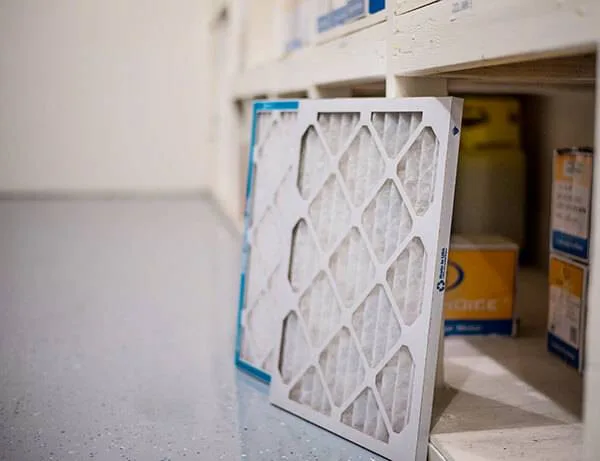
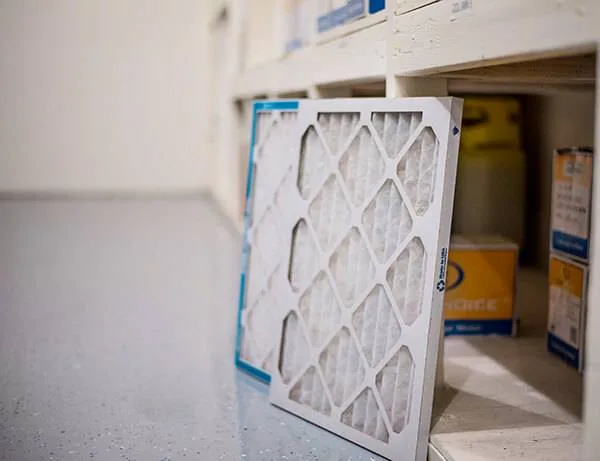
Filter checks depend on filter type and home conditions. For standard pleated filters, inspect every month and replace every 1 to 3 months. Homes with pets or heavy dust should check monthly and often replace at monthly intervals.
High-efficiency filters can last 3 to 6 months but still need a visual check. Check the condensate line for slow drainage at least once a season. Sticky drains often mean algae or a clog that can overflow.
You may qualify for federal tax credits that reduce your upfront cost.
Belts, motors, and fan blades should be checked at least once a year by a technician. Worn belts and failing motors often show vibration or noise well before total failure. Catching these saves bigger repair bills.
How often should you change filters?
Many homes see best results by changing common pleated filters every 1 to 3 months. Inspect filters monthly at first to see how fast they gather dust. Replace sooner in homes with pets, smokers, or heavy dust.
If a home uses a higher-MERV or HEPA-type filter, check airflow after installation. Some systems need more frequent filter changes when higher-efficiency media is used. Ask a technician if you are unsure.
What filter types matter most?
Filter choice affects both particle capture and airflow resistance. Cheap fiberglass filters let air pass easily but trap less dust. Pleated filters often give a good balance of capture and airflow for most systems.
Very high-MERV filters or HEPA units remove tiny particles but can restrict airflow. Before upgrading to a higher-MERV filter, confirm with the system manual or a technician that your blower can handle the extra resistance.
When should you call a professional?
Call a hvac technician when you see unsafe operation, sudden performance loss, or odd smells or sounds. Trained technicians have tools to test electrical systems, measure refrigerant charge, and check airflow. These tools find issues that are hard to see.
If you suspect a refrigerant leak or see ice on lines, call right away. Work on sealed refrigerant systems requires certification and specialty tools. Prompt repair prevents compressor damage and restores capacity quicker.
For combustion systems, call a technician if you smell gas, detect soot, or have cycling trouble. Heat exchangers and burners can be dangerous when cracked or dirty, so safety checks should not wait.
What warning signs indicate a pro is needed?
Uneven room temperatures, reduced airflow, or rising energy bills suggest deeper issues. Loud or unusual noises from the blower or compressor also need a pro. A system that cycles on and off rapidly is often short-cycling and needs diagnosis.
Visible leaks, burning smells, or tripped breakers are urgent signs. High indoor humidity or frost on evaporator coils also points to possible refrigerant or airflow problems. Acting early reduces repair costs. (Energy gov HVAC Efficiency Basics)
Our pricing guide breaks down the costs you can expect.
How to check for refrigerant leaks?
A homeowner can look for oily residue near fittings and coils, or ice on lines that run cold. Hissing noises near refrigerant lines also hint at a leak. Do not attempt to open or recharge lines yourself.
Certified technicians use electronic detectors, UV dye, or pressure tests to find leaks. They repair the leak first before recharging the system to manufacturer specs. This step avoids repeated loss and future failures.
What to expect during an emergency visit?
An emergency visit starts with safety checks and isolating hazards. The technician explains findings and provides an estimate for any repairs. Urgent fixes often use temporary measures until parts arrive, with clear timelines given.
Expect higher fees for after-hours work and clear communication about costs. Good companies document the diagnosis and next steps so you know what repairs are needed and why.
How much can maintenance save you?
Savings vary with the system baseline, age, and local climate. A well-maintained system may only gain 5 to 10 percent efficiency. Neglected systems often return 15 to 30 percent savings after cleaning and basic repairs.
Combining maintenance with simple upgrades like a smart thermostat or sealed ducts increases savings. Track energy use and runtime before and after service to confirm real-world results for your home.
If ducts leak badly or coils are very dirty, expect the larger side of the savings range. A pro can measure baseline performance and estimate likely gains more accurately.
What percent energy savings are realistic?
For many households, cleaning coils, replacing filters. Fixing refrigerant or airflow issues yields 10 to 30 percent lower heating or cooling costs. Systems in fair condition often see smaller gains near 5 to 10 percent.
Smart thermostat tweaks and duct sealing add to mechanical fixes. The true savings depend on how poorly the system performed before service and how extreme your local weather is.
Which upgrades offer 10 to 30 percent gains?
Sealing major duct leaks and improving attic insulation commonly cut energy losses by 10 to 20 percent. Replacing an old thermostat with a smart model often gives 5 to 10 percent savings. Combining these yields stronger results.
High-efficiency compressors and variable-speed air handlers can add 15 to 30 percent gains in some systems. Match upgrades to the weak spots found during a professional inspection for the best return.
How much life can maintenance add to equipment?
Regular tuneups and timely small repairs often extend system life by three to five years. Clean coils reduce compressor stress. Proper lubrication and minor part replacements slow wear on motors and bearings.
No single number fits every system. A well-built unit kept clean and serviced typically lasts longer than one that runs dirty and short-cycles. Documented maintenance helps with resale value and warranties.
What emergency repairs does maintenance prevent?
Routine checks can find worn capacitors, cooling leaks, and loose electrical connections before they cause total failure. For a step-by-step overview of what technicians inspect, see our HVAC maintenance checklist. Preventing a seized compressor or a cracked heat exchanger avoids large bills and safety risks.
Maintaining drain pans and condensate lines also reduces water damage risk. Early action keeps major emergencies off your calendar and reduces out-of-hours service calls. (Energy gov HVAC Efficiency Basics)
Which seasonal checks maximize savings?
Seasonal checks focus on the parts that wear most under peak load. For cooling season, inspect refrigerant, coils, and outdoor airflow. For heating, test burners, heat exchangers, and ignition systems.
Split service into spring and fall visits to catch cooling and heating issues separately. This timing keeps systems ready before peak weather and spreads cost across the year.
A seasonal routine also includes verifying thermostat schedules and checking attic insulation in colder months. These checks reduce runtime and improve comfort when demand is highest.
What seasonal checks are essential for summer?
Before summer, clean condenser coils and clear debris around outdoor units. Replace filters and check refrigerant charge. Measure airflow to confirm full cooling capacity at design conditions.
Also inspect evaporator coils and test the thermostat under a warm load. Check ducts for leaks that waste cooled air. These steps help avoid long run times on the hottest days.
How to prep HVAC for winter?
For winter, inspect burners and flame sensors and replace filters. Check the heat exchanger for cracks and test the safety switches. Confirm thermostat heat cycles deliver steady warmth.
Seal or add duct insulation and inspect attic insulation where heat loss is high. Clearing outdoor units and protecting them from debris also helps when cooling is not in use.
What role do smart thermostats play?
Smart thermostats can reduce runtime with schedule learning and remote control. Our guide to smart thermostat energy savings shows how much Las Vegas homeowners typically save. They report runtime and energy use and can suggest setpoint changes. Use geofencing and setback schedules to avoid conditioning empty homes.
Combine smart control with good equipment maintenance to see the best savings. A smart thermostat cannot fix a dirty coil or leaky duct but it can reduce wasted runtime greatly.
How to track energy improvements after maintenance?
Track monthly utility bills and use a smart thermostat report to monitor runtime changes. Compare months with similar weather to isolate the effect of service. Note service dates and tasks performed for reference.
For precise data, use an energy monitor or a submeter on the HVAC circuit. These tools show immediate changes and help verify the return from maintenance or upgrades.
What are common DIY mistakes to avoid?
Avoid using very high-MERV filters without checking airflow. Bending fins with a hard spray, running the system with access panels off. Attempting refrigerant work are all risky actions. These mistakes can harm efficiency or cause damage.
If a task feels beyond your skill or safety comfort, stop and call a pro. Saving a few dollars often costs more if an error causes a major repair.
How do service contracts differ?
Service contracts vary on included visits, repair coverage, and price. Basic plans usually include two tuneups and priority scheduling. Higher-tier plans may add parts discounts, labor coverage, and emergency visits.
Read contract terms for exclusions, limits on parts, and cancellation rules. Match the plan to your system age, local climate, and budget to get real value. (Energy gov HVAC Efficiency Basics)
What paperwork should you keep after service?
Keep invoices, test reports, and warranty documents in one folder. Note the service date, parts replaced, and any recommended next steps. This history helps with warranty claims and resale documentation.
Photos of old parts and test readings can support future diagnosis. Ask the technician for a clear, written checklist after each visit.
How to choose a qualified contractor?
Look for local licensing, positive reviews, and clear references. Choose companies that show test readings and explain findings. Ask for NATE-certified technicians when possible to confirm trained staff.
Get at least two written estimates and compare the list of included services. Trust companies that document work and provide transparent pricing for parts and labor.
Related service: Stay ahead of costly breakdowns. Explore our AC maintenance and AC repair services for Las Vegas homeowners.
Get started with The Cooling Company
Las Vegas area homeowners get prompt, local service from The Cooling Company. Our technicians perform seasonal tuneups, repairs, and system assessments with clear reports. We document readings and explain the work so you can see the value of each visit.
Call The Cooling Company at (702) 567-0707 to book spring and fall tuneups in Las Vegas, Henderson, or North Las Vegas. Ask for our two-visit annual plan with priority service and parts discounts. Mention any special concerns, like pets or high attic temperatures.
If you are outside our area, request NATE-certified technicians and ask for a written checklist and test readings before you hire. For Las Vegas area service, call The Cooling Company at (702) 567-0707 and ask for a seasonal tuneup today.
How to book a professional tuneup?
If you live in Las Vegas, Henderson, or North Las Vegas call The Cooling Company at (702) 567-0707. Ask for a spring cooling tuneup and a fall heating inspection. Request a written checklist and test values for airflow and refrigerant.
Outside our service area, ask providers for NATE certification and written test results. Comparing these reports helps you pick a contractor who works to clear standards and clear results.
What discounts or bundles should you ask for?
Ask about two-visit annual plans that include priority scheduling and parts discounts. Check for new-customer promos, senior or military discounts, and help with utility rebate forms. Bundles often lower per-visit cost and speed emergency response.
Call The Cooling Company at (702) 567-0707 to learn current offers in Las Vegas, Henderson, and North Las Vegas. Ask for a plan that fits your system age and usage pattern for the best value and peace of mind.
What three actions yield the biggest savings?
Sealing and insulating ducts, cleaning coils and replacing filters. Installing or properly programming a smart thermostat give the largest returns in many homes. These steps cut wasted airflow and reduce run time on hot or cold days.
Combine these actions with seasonal professional tuneups for the best results. Tracking energy use after each change shows the real savings and guides further upgrades.
When should you upgrade rather than repair?
Consider replacement when repair costs approach half the new unit price or when the system is older than ten to fifteen years. Also replace units that use obsolete refrigerant if repairs are frequent and costly.
A technician can run a repair-versus-replace analysis to show expected payback. Use that data to choose the most cost-effective path for comfort and long-term savings.
Final notes and next steps
Start by listing system age, last service date, and current issues. Take photos of the outdoor unit and thermostat. These notes help a technician diagnose problems quickly and reduce shop time.
For Las Vegas area service, call The Cooling Company at (702) 567-0707 to schedule tuneups in Las Vegas, Henderson, or North Las Vegas. If you are outside our area, ask for NATE-certified technicians and a clear checklist before hiring.
Routine maintenance and seasonal tuneups pay back in lower bills, fewer failures, and longer equipment life. Schedule work now so your system is ready before peak summer or winter weather arrives.
About The Cooling Company
The Cooling Company has been serving the Las Vegas valley with professional HVAC services for over a decade. Our team of licensed, NATE-certified technicians specializes in air conditioning repair, heating system maintenance, and complete HVAC installations. We're committed to providing honest, reliable service with upfront pricing and a 100% satisfaction guarantee on all work performed.
- Phone: (702) 567-0707
- Reviews: 4.9/5 stars (500 reviews) - See reviews
Service Areas
We proudly serve homeowners and businesses throughout the Las Vegas metropolitan area, including Las Vegas, Henderson, and North Las Vegas. Our service technicians are available for same-day appointments in most areas, with emergency service available 24/7 for urgent HVAC issues.
Need HVAC Service in Las Vegas?
The Cooling Company provides expert HVAC service throughout Las Vegas, Henderson, and North Las Vegas. Our licensed technicians deliver honest assessments, upfront pricing, and reliable results.
Call (702) 567-0707 or visit AC repair, maintenance, heating, or installation for details.