
Short answer: Learn HVAC maintenance tips for Lennox coil sensor replacement in Henderson to stop short-cycling, improve humidity and get same-day service with warranty.
Faulty Lennox coil sensors should be replaced quickly to stop short-cycling and restore dehumidification. Same-day service in Henderson often includes documented pre/post tests, clear OEM vs aftermarket advice, and a written workmanship warranty. Call a local tech when you see short cycles, poor humidity control, or odd thermostat messages. (See ASHRAE Technical Resources for general industry references.)
Key Takeaways
- Use a room-by-room Manual J load calculation (not a square-foot rule).
- Select equipment with Manual S and verify ducts with Manual D for comfort and efficiency.
- Avoid oversizing: short-cycling wastes fuel and can create uneven temperatures.
This article explains what coil sensors do, how technicians diagnose problems, when replacement is required, and what to expect from same-day service in Henderson. It covers OEM versus aftermarket choices, typical costs, energy savings potential, and the post-repair documentation you should demand. Use this guide to prepare for a service visit and to ask the right questions when you speak with dispatch.
What is a coil sensor and how does it work?
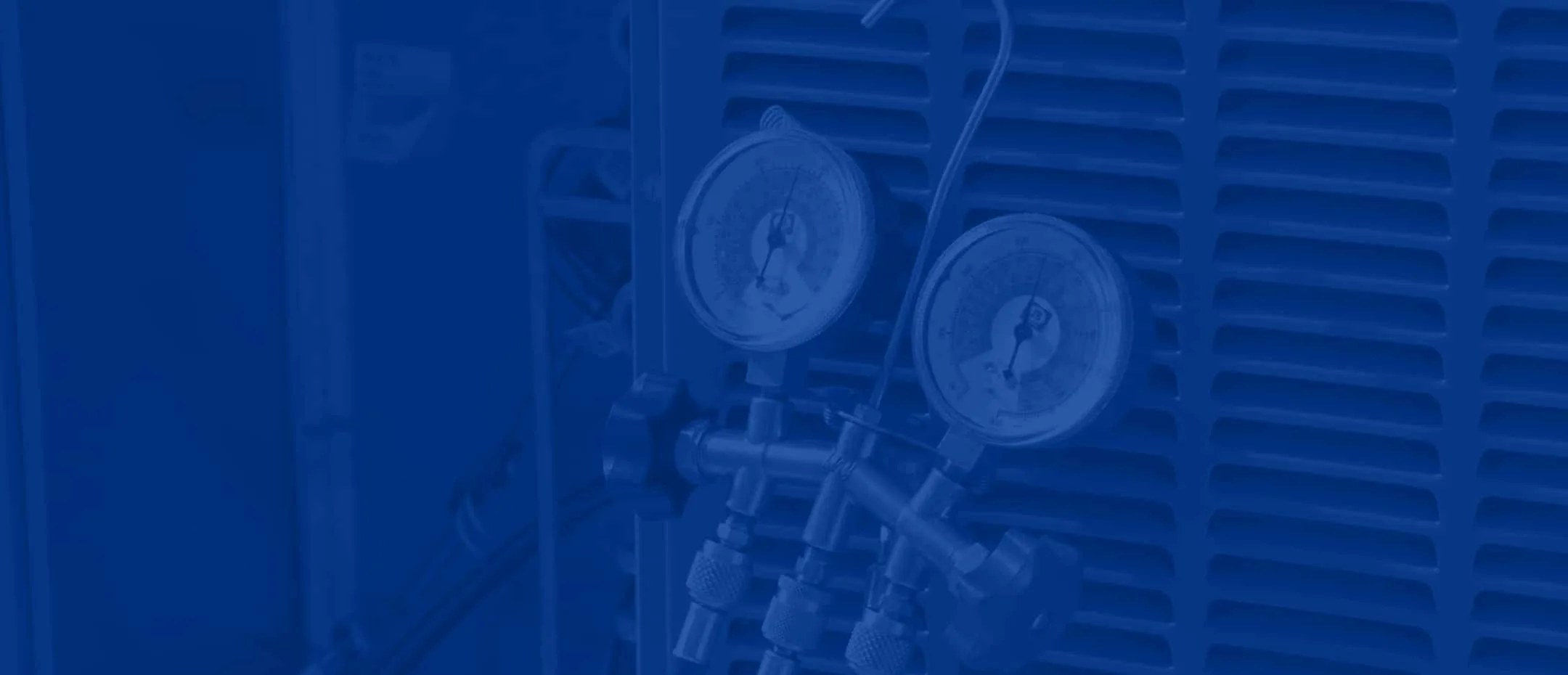
A coil sensor is a small thermistor or RTD mounted near the evaporator coil inside the air handler. It senses the coil surface temperature and reports a resistance value to the control board. The control board uses that signal to decide compressor runtime, defrost cycles on heat pumps, and sometimes to manage fan staging. The sensor typically sits in a clip or pocket on the coil face.
Although small and inexpensive, the sensor strongly influences system cycling and humidity control. If it reads too warm, the board may run the compressor too long. If it reads too cold, the board may short-cycle the compressor to protect the evaporator. These behavior changes can be subtle and lead to comfort complaints, higher bills, and premature wear on the compressor.
How do Lennox coil sensors fail?
Sensors fail from moisture intrusion, corrosion, vibration, or long-term thermal cycling. Connectors may corrode and pins can loosen. Wires can break from vibration or rodent damage. Outdoor rooftop and curbside units face more dust, heat, and moisture that shorten life in desert climates like Henderson.
Technicians inspect the sensor housing, connector pins, and wire insulation. They look for brittle insulation, green corrosion, or loose crimps. In many cases a corroded connector or a broken wire is the real fault and can be repaired without replacing the sensor. Manufacturing defects are rare but possible.
What symptoms show a bad coil sensor?
Common symptoms include frequent short cycles, inconsistent cooling, poor humidity control, and unusual thermostat messages. Heat pumps may fail to defrost properly when the defrost control relies on a faulty coil reading. You might also see board codes for open or short sensors.
Note the timing and conditions when the problem appears. For example, if short cycling occurs only when humidity is high or only at night, that information helps the technician narrow the cause. Document any recent repairs or power events that preceded the change.
Can a homeowner test the sensor safely?
A homeowner can do a visual check for loose connectors, corrosion, and obvious wire damage. That inspection is safe and useful to report to the technician. Avoid opening live electrical panels or touching terminals unless you are trained.
A proper resistance test requires a multimeter and safe power-off procedures. If you know how to shut off power and read resistance, you can compare the sensor reading to typical values. If not, call a qualified tech to avoid injury or misdiagnosis.
How do technicians diagnose coil sensor faults?
Technicians use a methodical approach to avoid unnecessary parts replacement. They start with a clear symptom history and a system inspection. A good tech evaluates airflow, filter condition, and coil cleanliness before testing the sensor because those factors change coil temperature and can mimic sensor faults.
Measure-based diagnosis prevents repeat visits. Techs compare sensor resistance at a known ambient temperature to Lennox specifications or legacy resistance curves. They also log coil temperatures under load and watch how the control board responds. Documentation reduces guesswork and helps with warranty claims.
What steps does a tech follow for diagnosis?
A typical sequence is: confirm the reported symptoms, power down the unit, inspect the connector and harness, measure sensor resistance at ambient, then run the system and log coil temps under load. They also check airflow, filter condition, and refrigerant charge since these affect surface temperature readings.
Careful technicians inspect the sensor clip and the local coil area for dirt or moisture. If they find loose pins or corroded contacts, they will test the harness under flex to find intermittent faults. Only after these checks do they recommend replacement.
Which tests confirm sensor failure?
A steady, out-of-spec resistance reading or an open circuit confirms failure. Intermittent readings during vibration or harness flex also indicate a fault. Techs often compare the sensor to a calibrated reference probe placed on the coil to validate the sensor output under the same conditions.
Load testing helps too. The tech runs the system and watches how the control board reacts to the reported coil temperature. If the control responds to a bad value from the sensor, that proves the sensor is the cause. If the board shows the same bad value after isolating the sensor, the board or communication circuit may be the issue.
Do Lennox control boards show sensor errors?
Many Lennox control boards log fault codes for open or shorted sensors. A logged code points the tech to the circuit to inspect. However, boards rarely indicate the exact mechanical cause such as corrosion or a loose pin.
Technicians still perform a visual and resistance inspection. They avoid board replacement unless multiple unrelated faults occur or the board shows visible electrical damage. Replacing the board without confirming the sensor and wiring often leads to repeated calls.
Can dirty coils or wiring mimic sensor failures?
Yes. A dirty or blocked coil changes the coil surface temperature profile. A sensor mounted in a pocket may then read a temperature that looks out of spec. Low airflow from a clogged filter or blocked return creates similar symptoms because the coil runs colder or hotter under load.
Technicians commonly clean the coil and retest the sensor before recommending replacement. Cleaning restores correct heat transfer and often corrects the apparent sensor reading. Always rule out airflow and charge issues before swapping parts because cleaning can avoid unnecessary replacement costs and callbacks.
Can dirty coils mimic sensor faults?
Dirt and grime insulate the coil, shifting the local temperature the sensor sees. A sensor that was fine on a clean coil can appear to be out of spec when placed near a heavily soiled section. Cleaning the coil often brings resistance readings back within expected ranges.
If the coil is cleaned and the sensor still reads out of range, the problem is more likely in the sensor or harness. Techs document readings before and after cleaning to show the cause and the corrective action.
How is wiring and harness inspected?
Technicians inspect connector pins under magnification, checking for loose, bent, or corroded pins. They flex the harness to find intermittent opens and trace wiring back to the control board to find chafed insulation or heat damage.
They also look for rodent damage or signs of rubbing against sheet metal. Repairing a harness with proper crimps and sealed connectors is often cheaper than full sensor replacement and restores reliable operation when done correctly.
When is cleaning enough vs replacement?
If cleaning the coil and securing the connector fixes the resistance and the system runs normally, replacement is usually unnecessary. However, if the sensor shows steady out-of-spec values, intermittent readings, or visible physical damage, replacement is the correct choice.
Technicians document the tests and the decision rationale. This documentation helps you understand why the tech chose repair or replacement and supports future warranty claims if the problem returns.
OEM versus aftermarket: which is better?
Choosing OEM or aftermarket sensors depends on warranty status, cost sensitivity, and the technician’s ability to verify resistance curves. OEM sensors match the Lennox resistance curve and connector shape exactly, reducing diagnostic time and the risk of control differences.
Aftermarket sensors can be reliable and significantly cheaper, but they must be verified before installation. A trained technician will bench-test an aftermarket sensor and compare its resistance curve to Lennox specs. If the curves match closely and the connector fits, the aftermarket option can save money without performance loss.
What are Lennox OEM advantages?
OEM sensors match the manufacturer's resistance curve and plug directly into the harness with no modifications. That reduces the risk of subtle control differences and eliminates the need for calibration in most cases.
If your system is under factory warranty, OEM parts are often required to maintain coverage. OEM parts also simplify future service because part numbers and spec sheets are consistent across technicians.
Are aftermarket sensors reliable enough?
Many aftermarket sensors are well-made and perform acceptably in older systems or retrofit jobs. Reliability depends on build quality, connector fit, and the accuracy of the resistance curve compared to Lennox specs.
A reputable installer will show you the resistance numbers and a comparison if you request it. Avoid no-name parts without verification because a mismatched curve can change control behavior and cause comfort issues.
How do warranties differ between parts?
OEM parts typically carry a manufacturer warranty and can support extended system coverage. Aftermarket parts usually provide a warranty from the part maker or the installer, and warranty lengths vary.
Always get the labor warranty in writing. Labor warranties commonly range from 90 to 365 days. If an aftermarket part fails early, a clear labor warranty ensures the installer will correct the issue without extra cost.
Will an aftermarket sensor affect performance?
If the aftermarket sensor’s resistance curve closely matches Lennox specs, performance differences are usually not noticeable. The real risk is a curve mismatch that causes the control board to see different temperatures and change cycling behavior.
A careful tech will bench-test the part and, if needed, show pre- and post-installation readings. That transparency protects you from subtle changes in system behavior.
Can technicians calibrate non OEM sensors for Lennox?
Some control boards allow offset adjustments, but many do not. When calibration is possible, an experienced technician can adjust control offsets to match a non-OEM curve, but this adds time and complexity.
If calibration is required, insist on a clear test plan and a post-calibration readout. The tech should provide pre- and post-calibration resistance and coil temperature values so you can see what changed.
How much will replacement cost in Henderson and what savings should I expect?
Costs vary by part type, system access, and local labor rates. OEM sensors cost more than aftermarket units. Labor and access often dominate the final bill, especially for rooftop or attic systems that require safety equipment and extra time. For a broader look at Lennox repair costs across all component types, read our Lennox common problems and repair costs guide.
Replacing a coil sensor can reduce runtime and improve humidity control, but savings depend on how badly the sensor affected cycling. Typical runtime reductions after a correct repair range from 5 to 20 percent. Larger gains occur in systems that were short-cycling heavily.
What is the typical price range in Henderson?
Parts typically range from $35 to $140 for OEM sensors and $12 to $45 for aftermarket units. Diagnostic fees generally run $75 to $150 if you decline the repair. Final costs depend on access, labor time, and whether additional repairs are needed.
Always ask for an itemized estimate that shows parts, labor, trip fees, and warranty terms. Confirm whether diagnostic fees are credited when you accept the repair.
How do access and labor change cost?
Attic and rooftop access require ladders, lifts, and fall protection, which add time and safety costs to the job. Working in tight crawl spaces or around ductwork can also increase labor time because the tech moves more slowly.
Request a flat rate whenever possible and clarify extra charges for difficult access or multi-story homes. That keeps the final bill predictable and avoids surprise hourly overruns.
Are same-day fees extra for service?
Some companies charge a same-day or emergency fee during peak season. Fees vary by company and the urgency of the call. Many local pros will waive or reduce the premium if you can be flexible within the same day.
Ask the dispatcher about same-day fees upfront. If the premium is high and the issue is non-emergency, consider booking the earliest non-emergency slot to save money.
How do I book same-day Lennox sensor replacement?
When you need same-day service, give the dispatcher the system brand and model, the symptoms, and any error codes you see. Mention roof or attic access challenges so the tech arrives prepared. Request NATE-certified technicians if certification matters to you.
For Las Vegas area service, call The Cooling Company at (702) 567-0707 and request same-day service in Las Vegas, Henderson, or North Las Vegas. Ask the dispatcher to prioritize a diagnostic visit with documented pre/post resistance and coil temperature readings. Clear dispatcher notes speed accurate first visits and reduce repeat calls.
How do I schedule same-day service?
Call The Cooling Company at (702) 567-0707 to request same-day service in Las Vegas, Henderson, or North Las Vegas. Tell the dispatcher you suspect a coil sensor problem and ask for documented pre/post readings.
If you are outside the service area, request NATE-certified techs and verified resistance-curve testing from your local provider. Those steps protect you from mismatched parts and save time when the technician arrives.
What should I tell the dispatcher?
Provide the brand and model number if available, and describe symptoms such as short cycling or humidity issues. Share any board error codes and note access issues like rooftop service or tight attics.
If you have recent service records, email or text photos ahead of time. Those documents help the dispatcher send the right parts or tools on the first trip and speed diagnosis.
What to expect on the technician visit?
A qualified technician will inspect the coil area, test resistance and coil temperatures, and check airflow and refrigerant state. They will explain OEM versus aftermarket options and provide a written estimate before starting work.
Technicians should document pre- and post-repair values and leave a short report with readings and warranty terms. Ask for the part number used and a clear labor warranty for your records.
Final tips before you schedule
Keep records of system age, past repairs, and any error codes. These items speed diagnosis and help the dispatcher assign the right truck. Clear photos of the indoor coil and connector emailed ahead of time save time on the first visit.
Request that the technician perform a coil inspection, resistance test, and functional verification. Ask for written pre/post values and a workmanship warranty. These small steps prevent repeat visits and protect your investment.
Learn More
This aspect deserves careful consideration as you evaluate your options. Understanding the details helps you make more informed decisions. Consulting with qualified professionals provides additional insights specific to your situation. Take time to consider how this information applies to your particular needs and circumstances. Making well-informed choices typically leads to better long-term outcomes and greater satisfaction.
- “lennox defrost sensors”
- "rheem service professionals vegas"
- "troubleshooting hvac odors"
- "ruud furnace problems"
- "trane furnace repair henderson"
- "how much to install hvac system in old house"
Call The Cooling Company at (702) 567-0707 for same-day service in Las Vegas, Henderson, and North Las Vegas. Ask for NATE-certified technicians and documented resistance-curve testing when possible.
Related service: Need professional HVAC service? Explore our AC repair and heating services services for Las Vegas homeowners.
Need HVAC service help in Las Vegas?
If you're facing an HVAC emergency in Las Vegas, Henderson, or North Las Vegas, The Cooling Company offers fast, reliable service from licensed technicians. We understand that heating and cooling emergencies don't wait for business hours.
Call us now at (702) 567-0707 for emergency service. Our team is ready to help restore your comfort quickly and safely.
About The Cooling Company
The Cooling Company has been serving the Las Vegas valley with professional HVAC services for over a decade. Our team of licensed, NATE-certified technicians specializes in air conditioning repair, heating system maintenance, and complete HVAC installations. We're committed to providing honest, reliable service with upfront pricing and a 100% satisfaction guarantee on all work performed.
- Phone: (702) 567-0707
- Reviews: 4.8/5 stars (780+ reviews) - See reviews
Service Areas
We proudly serve homeowners and businesses throughout the Las Vegas metropolitan area, including Las Vegas, Henderson, and North Las Vegas. Our service technicians are available for same-day appointments in most areas, with emergency service available 24/7 for urgent HVAC issues.
Sources and further reading
- DOE Better Buildings – HVAC
- U.S. Department of Energy (Energy.gov) (accessed 2026-01-01)
- U.S. Environmental Protection Agency (EPA) (accessed 2026-01-01)
- ASHRAE (Standards and guidance) (accessed 2026-01-01)
- ENERGY STAR (Heating & cooling) (accessed 2026-01-01)
Need HVAC Service in Las Vegas?
The Cooling Company provides expert HVAC service throughout Las Vegas, Henderson, and North Las Vegas. Our licensed technicians deliver honest assessments, upfront pricing, and reliable results.
Call (702) 567-0707 or visit HVAC services, HVAC maintenance, heating, or AC repair for details.