

Short answer: Get HVAC maintenance tips and Lennox EL16XC price estimate for Las Vegas with typical installed costs ($3,250-$9,000+) and quick guidance to compare bids.
Lennox EL16XC price Las Vegas: estimate total installed cost now (ASHRAE Technical Resources) Expect a like-for-like Lennox EL16XC installed in Las Vegas to range from about $3,250 for simple 2–2.5 ton swaps to $9,000 or more for complex 4–5 ton installs with duct, electric, or permit work. Always get three detailed line-item quotes before you.
Key Takeaways
- Use a room-by-room Manual J load calculation (not a square-foot rule).
- Select equipment with Manual S and verify ducts with Manual D for comfort and efficiency.
- Avoid oversizing: short-cycling wastes fuel and can create uneven temperatures.
Lennox El16xc Price Las Vegas - Key takeaways
This section summarizes the most important points about installed costs for the Lennox EL16XC in Las Vegas. Typical installed ranges vary with tonnage and scope. A simple like-for-like swap on a small home often sits on the low end. Jobs that need duct work, electrical upgrades, or accessibility solutions land at the high end. Always insist on clear, line-item bids that list equipment, labor, permits, and startup testing. Keep all AHRI, Manual J, and startup paperwork for rebates and warranty proof.
Read the numbers carefully. For many homeowners the difference between a low and a high quote is not just labor. It is scope: are ducts sealed? Is the indoor coil a match? Are permits included? Missing items can lead to change orders later. When you collect bids, compare one line at a time. Note required upgrades the contractor lists and ask for cost options if you want minimal versus full corrective work.
Typical installed range and what it includes
Expect a like-for-like 2–2.5 ton swap to start near $3,250 to $4,750. That usually covers the condenser, matched coil, disposal, and basic labor. The quote should list permit fees and startup testing. Mid-range jobs with moderate duct sealing or small electrical work often land in the $4,000–$8,500 band. Complex installs with major duct redesign, large electrical upgrades, or rooftop access can reach $7,500–$11,500 or more.
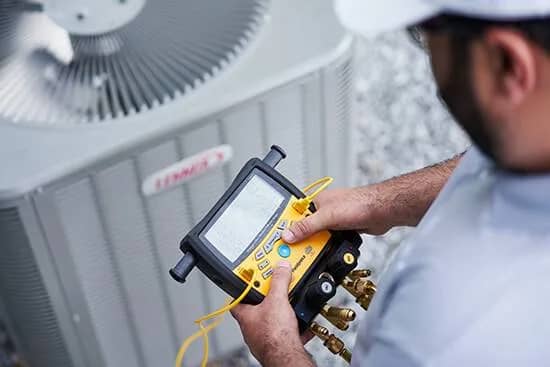
Installed price covers equipment, freight, labor, permit pull, disposal of old units, refrigerant handling, and startup tuning. A proper startup includes airflow checks and refrigerant charge verification. These steps matter for performance and for warranties. If a quote does not state these items, ask for them in writing.
Why AHRI, Manual J, and startup paperwork matter
AHRI match sheets, Manual J load calculations, and startup reports protect warranties and rebate eligibility. AHRI sheets show the condenser and coil pairing meets rated efficiency. Manual J proves the proposed tonnage fits the home load. Startup reports record superheat, subcooling, and airflow. Utility rebates often require these documents. Manufacturers may deny warranty claims without proper startup verification.
Before signing any contract, ask the contractor to attach these documents. Keep both printed and digital copies. If a rebate or warranty issue arises years later, your files will help prove the system was installed to spec.
Learn about available federal tax credits for energy-efficient HVAC equipment.

What does a Lennox EL16XC replacement cost in Las Vegas?
Local totals vary by home size, access, and additional work. The lowest totals reflect a true like-for-like swap in an easy location. When the indoor and outdoor equipment line up and the ducts are in good shape, the job is simple. Costs rise when the contractor must modify the system to meet airflow, fit new coils, or correct old wiring. These repairs add labor and materials.
A typical small swap for a 2–2.5 ton system often runs around $3,250–$4,750 installed when the coil matches and no duct or electrical work is required. A standard 3-ton replacement with moderate work often lands between $4,000 and $8,550. Larger 4–5 ton replacements with duct rework or major electrical upgrades commonly reach $7,500–$11,500 or higher. Always get three bids to compare the scope and the total cost.
How equipment pricing breaks down
Retail price for a condenser alone can range from about $1,900 to $2,600 for smaller tonnages. The matched indoor coil adds cost. Installation, permits, and startup testing often double or triple the retail price. Labor and materials make up a large portion of the installed cost. For example, line sets, slab pads, wiring, and mounting hardware add up quickly.
For a detailed cost breakdown, see our HVAC pricing guide.
When contractors list equipment price only, ask for the full installed price and a breakdown. This helps you compare true costs. An itemized invoice prevents surprises and makes any future warranty work easier to handle.
How home specifics affect cost
Las Vegas is hot and dry, so cooling load usually sets the system size. Larger homes, poor insulation, or lots of glass raise required tonnage. Orientation and shading matter too. High solar gain forces longer run times and higher loads, which can justify a higher SEER unit but also increases installation needs. Tight access, long refrigerant run-outs, and crawlspace work all add labor and time.
Contractors should perform a Manual J load calculation. That calculation factors house size, insulation, windows, and orientation. A correct load prevents oversized or undersized systems that can waste energy and shorten equipment life.
How do I compare contractor quotes?
Collect at least three bids and compare scope, not just price. Low bids can miss critical items. Make sure each quote is a line-item list with the make and model, AHRI references, labor hours, permit fees, and materials. The quote must show startup testing and warranty registration costs. Ask for copies of Manual J assumptions used for sizing.
Write down what is included and what is optional. If one contractor includes duct sealing and another does not, note that. Ask each contractor to mark required corrections so you can compare a minimal repair option to a full corrective option. That avoids later arguments about who was responsible for needed fixes.
What an apples-to-apples quote includes
An apples-to-apples quote lists the condenser model and indoor coil model with the AHRI match number. It shows labor hours and a line for permits and inspections. Material lists should include line sets, disconnects, condensate lines, and any new electrical work. The contractor should also list startup testing and warranty registration.
If a quote includes conditional items, those should be clearly marked with cost ranges. For instance, a contractor might note "if duct sealing required: add $500–$1,500." Having these ranges helps you budget and compare worst-case prices across bids.
Verifying refrigerant and warranty details
Ask the contractor for the refrigerant type and the factory charge specifications. The AHRI match sheet confirms the condenser and coil meet rated efficiency. Request written confirmation that startup testing will be performed. Startup tests should show superheat, subcooling, and airflow readings.
Keep these documents. They are key if you need a warranty claim later. Without them, manufacturers or utilities may deny claims or incentives. A good contractor will provide these papers automatically and keep copies on file.
How do rebates and incentives affect my net price?
Rebates and tax credits can reduce your net cost. But they usually require specific paperwork. Some rebate programs need pre-approval. Others require AHRI matches and certified installers. Missing or late paperwork can cost you the incentive. Always confirm rebate rules before you sign a contract.
See why homeowners trust us — view our industry awards and certifications.
Ask your contractor to verify rebate eligibility and to submit the paperwork on your behalf. Keep copies of submitted forms, AHRI numbers, permits, and startup reports. Utilities frequently audit claims and require proof. Proper documentation prevents denied rebates and lost savings.
NV Energy rebates in Las Vegas
NV Energy runs residential rebate programs at times for high-efficiency equipment. Program details and funding change often. Rebates usually require an AHRI match and proof of proper installation. Some programs also require pre-approval or certified installers.
Before buying, check current program rules. Ask the contractor to confirm eligibility and to fill out any forms. If a rebate needs pre-approval, do not start work until you have written confirmation. Keep copies of all documentation in case of audit.
Federal tax credits and ENERGY STAR influence
Federal tax credits sometimes apply to high-efficiency systems or qualifying heat pumps. ENERGY STAR listings may also affect rebate eligibility. Rules change over time. Keep model numbers, invoices, and AHRI sheets to support any tax or rebate claims.
Consult your tax advisor about current credits. Good documentation speeds claims and reduces the chance of denial. Contractors should provide the paperwork needed for filing, including receipts and model details.
How much will full installation add to the unit price?
Labor, permits, materials, and startup testing often add more to the bill than equipment retail. A retail condenser for a small unit might cost $1,900–$2,600. Installation can double or triple that number, depending on site conditions. Typical add-ons include permit fees, disposal, line-set work, and startup testing.
When electrical or duct upgrades are needed, costs increase further. Plan for contingency funds. A clear line-item quote helps you see where the money goes and limits surprises from change orders.
Labor, permits, and startup cost details
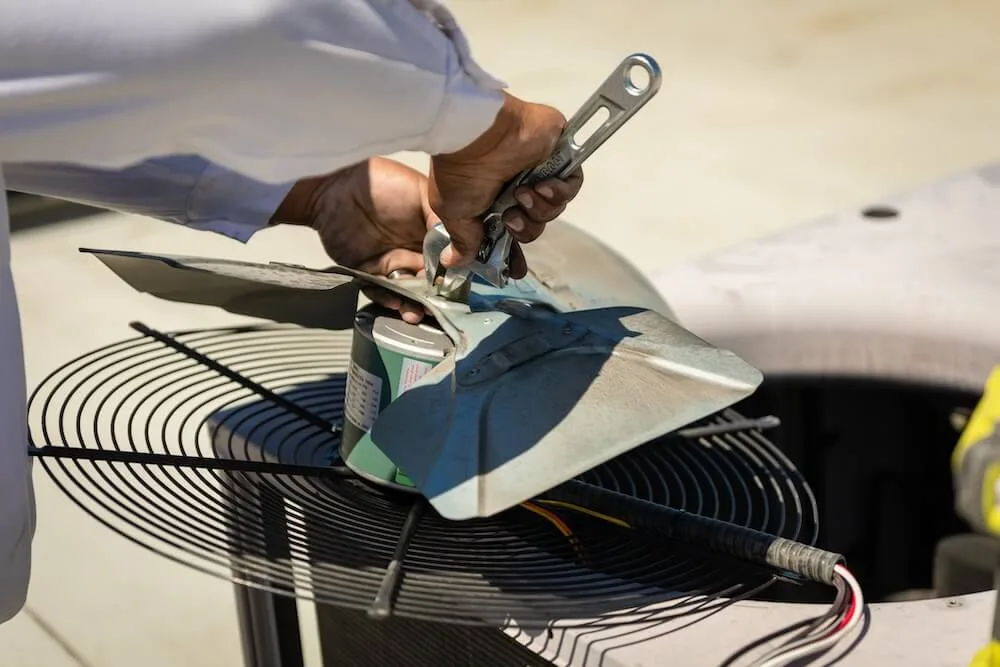
A standard like-for-like swap often adds $1,200–$1,800 for labor, permits, and startup services. Permit fees vary by jurisdiction; in Las Vegas they commonly run $100–$500 depending on the scope. Startup checks are not optional if you want warranty protection. They confirm charge and airflow and provide documentation for rebates.
Ask contractors for estimated labor hours and the number of technicians. Two experienced techs can often do a basic swap in a day. More complex installs need more time and come with higher labor costs. Make sure the labor line in the quote matches the expected site time.
When ductwork or electrical upgrades will be needed
Duct repairs are common. Minor sealing and balancing can add $500–$1,500. Major duct redesign or new trunk lines may cost $2,000–$5,000 or more. Older homes often need electrical upgrades. New condensers may require larger breakers, new disconnects, or heavier copper wiring. Panel or subpanel upgrades usually add $1,000–$3,000.
Have the contractor inspect ducts and the electrical panel before you commit. A pre-bid site visit prevents surprises and gives a more accurate quote.
What hidden risks can raise the installed cost?
Hidden issues often appear once removal of the old unit begins. Common surprises include corroded line sets, inaccessible units, and load miscalculations. These items increase parts and labor costs. Plan a contingency of 10–20% of the contract value to cover these possibilities.
Ask contractors to list likely change orders and to estimate worst-case scenarios. Having this information before you sign can help you compare risks across bids. A reputable contractor communicates known unknowns and recommends pre-emptive fixes when reasonable.
Common hidden issues and how they add cost
Rusted line sets and corroded fittings often need full replacement. Tight yards or narrow gates increase labor time. Old insulation or damaged sheet metal increases materials. Roof or structural work can be required for rooftop installs. Crane or lift rentals for second-floor condenser placement add several hundred to a few thousand dollars.
Request a visual inspection and photos as part of the bid. That reduces surprises. If a contractor charges for in-depth inspection, that fee can be credited back if you proceed with installation.
How poor installation can void warranties
Warranties can be voided by mismatched coils or missing startup records. Incorrect refrigerant charge, poor airflow, or unapproved modifications also risk denial. Manufacturers require proper pairing, startup testing, and documentation to uphold coverage.
Insist on written confirmation that the contractor will perform startup testing and register the warranty. Keep copies of the AHRI match sheet and startup report. Those documents are your proof if a claim is needed.
Contractor red flags to watch for
Vague quotes, pressure to sign quickly, or no license number are red flags. Contractors who refuse to show startup readings or who lack references are risky. Always verify insurance, licenses, and local references. Look for NATE certification and ask for recent customer contacts.
A reputable contractor welcomes scrutiny. If a company resists sharing paperwork or refuses to itemize charges, consider other bids. Good documentation protects you, your home, and your incentives.
Ready to get accurate installed quotes?
Prepare information before appointments to get better bids. Provide square footage, system age, existing tonnage, and photos of the outdoor unit and air handler. Note access limits like narrow gates. This saves time and yields more accurate estimates.
Request a site visit and an on-site Manual J load calculation. Ask contractors to include AHRI match numbers, startup testing, permit pull, and warranty registration in the written quote. Save all documents so you can compare bids side-by-side.
How to prepare for contractor appointments
Gather house details such as square feet, attic insulation level, and window count. Take photos of the condenser location, indoor air handler, and service panel. Note restricted access issues and any known duct problems. Provide previous service records if available.
Make a short list of questions: ask about AHRI matches, startup tests, warranty registration, and rebate handling. Ask the technician to show similar recent installs and provide local references. Clear questions get clear answers and better bids.
Why choose The Cooling Company in Las Vegas
The Cooling Company serves Las Vegas, Henderson, and North Las Vegas with licensed, insured teams. Local technicians know area codes, inspection practices, and rebate rules. They keep AHRI and startup paperwork on file for customers, which simplifies warranty and rebate claims.
Call The Cooling Company at (702) 567-0707 for a local, itemized quote. The company uses NATE-certified technicians and provides phone support to schedule site visits. Outside the service area, ask any contractor for NATE-certified techs and insist on written startup and AHRI documentation.
Call to action
Las Vegas area homeowners ready for accurate, local quotes should call The Cooling Company at (702) 567-0707. We serve Las Vegas, Henderson, and North Las Vegas with licensed, insured teams and NATE-certified technicians. If you live outside our service area, ask for NATE-certified techs and compare three line-item bids before signing.
Prepare for appointments by saving current equipment photos, model numbers, and home square footage. Ask contractors to include Manual J, AHRI match, startup readings, permit pull, and warranty registration in each written bid. That approach reduces surprises and protects your rebates and warranty.
You Might Also Like
This aspect deserves careful consideration as you evaluate your options. Understanding the details helps you make more informed decisions. Consulting with qualified professionals provides additional insights specific to your situation. Take time to consider how this information applies to your particular needs and circumstances. Making well-informed choices typically leads to better long-term outcomes and greater satisfaction.
- "ac repair costs"
- "troubleshooting hvac odors"
- "ruud furnace problems"
- "trane furnace repair henderson"
- "how much to install hvac system in old house"
About The Cooling Company
The Cooling Company has been serving the Las Vegas valley with professional HVAC services for over a decade. Our team of licensed, NATE-certified technicians specializes in air conditioning repair, heating system maintenance, and complete HVAC installations. We're committed to providing honest, reliable service with upfront pricing and a 100% satisfaction guarantee on all work performed.
- Phone: (702) 567-0707
- Reviews: 4.8/5 stars (780+ reviews) - See reviews
Service Areas
We proudly serve homeowners and businesses throughout the Las Vegas metropolitan area, including Las Vegas, Henderson, and North Las Vegas. Our service technicians are available for same-day appointments in most areas, with emergency service available 24/7 for urgent HVAC issues.
Sources and notes
- ASHRAE technical resources and load guidance: ASHRAE Technical Resources
- U.S. Department of Energy (Energy.gov) (accessed 2026-01-02)
- U.S. Environmental Protection Agency (EPA) (accessed 2026-01-02)
- ASHRAE (Standards and guidance) (accessed 2026-01-02)
- ENERGY STAR (Heating & cooling) (accessed 2026-01-02)
Critical compliance notes: keep AHRI match sheets, Manual J load, permit receipts, and startup reports on file to protect rebates and warranty claims. Always get at least three detailed quotes and compare line-item costs. Verify licensing and insurance before signing any contract.
Need HVAC Service in Las Vegas?
The Cooling Company provides expert HVAC service throughout Las Vegas, Henderson, and North Las Vegas. Our licensed technicians deliver honest assessments, upfront pricing, and reliable results.
Call (702) 567-0707 or visit HVAC services, HVAC maintenance, heating, or AC repair for details.