

Short answer: Lennox heat pumps deliver both heating and cooling from one outdoor unit, with top-tier models reaching 24+ SEER2 ratings. They perform well in Las Vegas's mild winters and extreme summers, and qualifying systems can earn federal tax credits up to $2,000.
Choosing a Lennox heat pump can lower energy bills and improve year-round comfort. Heat pumps move heat instead of burning fuel. Modern Lennox models use variable compressors and smarter controls to hold steady temperatures and reduce runtime. To get the full savings, match the outdoor unit to the correct indoor coil or air handler. Ductwork condition and proper sizing matter.
Key Takeaways
- Lennox heat pumps can heat and cool with higher efficiency than many older systems.
- Choose a model that fits your climate and your home’s Manual J load.
- Installation quality and ductwork affect real savings more than SEER alone.
- The Cooling Company can estimate, install, and service Lennox systems in Las Vegas.

What is a Lennox heat pump?
A Lennox heat pump is an air-source system that moves heat between indoor and outdoor spaces. One outdoor unit handles both heating and cooling. It pairs with an indoor coil or air handler. Many models range from single-stage compressors to advanced variable-capacity systems with inverter drive technology.
A correct match between outdoor unit and indoor components is essential. Matched components are what allow manufacturers to publish SEER and HSPF ratings that reflect expected seasonal energy use. Poor matches, long or leaky duct runs, and undersized or oversized units reduce comfort and lower energy savings.
How do air-source heat pumps work?
Air-source heat pumps use refrigerant and a compressor to move heat. In cooling mode the system extracts heat from inside and rejects it outdoors. In heating mode a reversing valve makes the cycle draw heat from outside air and move it inside the home. Modern refrigerants and inverter compressors let the unit run efficiently across a wide range of outdoor temperatures.
The system works by evaporating and condensing refrigerant at different pressures. The compressor raises pressure to move heat, and an expansion device lowers pressure so the refrigerant can absorb heat again. Controls manage defrost cycles and mode changes to maintain comfort and protect components.
Why choose a Lennox model?
Lennox has long been a mainstream HVAC brand with a broad dealer network. The company offers clear AHRI-rated data and supporting documentation for installers and buyers. Many higher-end Lennox models focus on variable capacity and quiet operation to improve comfort and reduce noise.
Homeowners often select Lennox because of dealer training and matching indoor components. Well-trained dealers are more likely to follow installation manuals, commission the system correctly, and register warranty coverage for buyers.
What is SEER and HSPF?
SEER stands for Seasonal Energy Efficiency Ratio and describes expected cooling efficiency over a season. HSPF, or Heating Seasonal Performance Factor, applies to heat pump heating efficiency. New test procedures use SEER2 and HSPF2, which can change the numbers you see compared to older ratings.
Always confirm ratings in the AHRI Directory to compare systems. Ratings predict energy use under test conditions, but real savings depend on installation, ductwork, and how you use the system.
How does variable speed improve comfort?
Variable-speed compressors modulate capacity to match the home’s load. They run at partial capacity much of the time, which reduces short-cycling and provides steadier indoor temperatures. Longer runtime at low speeds also helps control humidity in summer.
Variable-speed indoor blowers move air at lower speeds for longer stretches. The result is more even air distribution, fewer hot or cold spots, and often better filter performance. Overall energy use tends to be lower than repeated full-speed starts and stops.
Which Lennox models fit my needs?
Lennox organizes models into lines that target different budgets and performance goals. Your contractor will compare AHRI-certified model numbers and matched indoor coils to recommend the right unit for your Manual J results. Product lines range from basic Merit units to high-efficiency Signature models with variable-capacity compressors.
See why homeowners trust us — view our industry awards and certifications.
You may qualify for federal tax credits that reduce your upfront cost.
Selecting the right line depends on climate, comfort priorities, and how much you want to spend up front. In many cases, improving ductwork and sealing the building envelope will deliver more immediate return than jumping to the highest SEER model.
Use our energy savings calculator to estimate your potential savings.
What are Lennox product lines?
Lennox typically sells Merit, Elite, and Signature series, each with its own mix of features. Merit units aim to be cost-effective and reliable. Elite models balance cost and efficiency. Signature or top-tier models focus on the highest efficiency, quiet operation, and smart controls.
Each product line may include single-stage, two-stage, and variable-capacity options. Compare seasonal metrics such as SEER2 and HSPF2 and ask for AHRI-listed model pairs so you can see matched performance.
How does the Merit series differ?
Merit-series heat pumps are Lennox’s entry-level models. They often use single-stage compressors that operate at full capacity or off. That makes them simpler and less costly, but they may not control humidity as well as multi-stage or variable-capacity units.
Value models are a good fit where ductwork is good and the goal is a reliable replacement at a lower cost. Expect fewer comfort features and lower sound insulation compared with higher-end lines.
What features are in the Elite line?
Elite models provide better SEER/HSPF values and more features than Merit units. They include two-stage compressors or variable-speed blowers on some models. That improves comfort, reduces noise, and often lowers seasonal energy use.
Elite models commonly support Lennox smart thermostats and zoning. They are a middle ground for homeowners who want improved efficiency without the top-tier price.
Which models are ENERGY STAR rated?
Some Lennox mid- and high-efficiency models meet ENERGY STAR criteria. ENERGY STAR listing can make it easier to get utility rebates and may be required for some tax incentives. Verify current listings before purchase, as qualifications can change over time.
Keep a record of the model and serial numbers after installation to document eligibility for rebates and credits.
How to match model to climate?
Match the model’s low-ambient performance and capacity range to your local design temperatures. In hot, humid areas prioritize high SEER2 and dehumidification capability via variable-speed operation. In colder climates look for models rated for low-ambient heating or plan a dual-fuel setup for the coldest days.
Your installer should use Manual J loads and local design temperatures to guide selection. If you expect frequent very low outdoor temperatures, check certified COP values at those points.
How much can I save with a Lennox heat pump?
Savings vary by the old system, fuel prices, climate, and home efficiency. Replacing a 10–15-year-old air conditioner or a less efficient furnace with a modern Lennox heat pump often cuts annual cooling or heating costs noticeably. Typical reported cooling savings versus older systems range from 20–40% with a quality installation.
However, nameplate ratings do not guarantee savings. Duct leakage, weak airflow, and poor commissioning reduce real-world efficiency. Use recent utility bills and a contractor’s modeled estimate to set realistic expectations for payback.
What factors affect annual savings?
Climate, fuel prices, and the efficiency of the old equipment are major factors. Home insulation, window quality, and air sealing affect heat transfer and thus energy use. Duct leakage and poor airflow reduce the benefits of a high-SEER outdoor unit.
User behavior also matters. Thermostat settings, occupancy patterns, and fan use change energy consumption. If you improve the building envelope, those upgrades will multiply heat pump savings.
How do Lennox SEER and HSPF impact bills?
Higher SEER2 lowers seasonal cooling electricity per BTU. Higher HSPF2 lowers seasonal heating electricity. Each incremental rating improvement reduces energy use. The dollar value of savings depends on local electricity rates and usage patterns.
Compare seasonal ratings (SEER2/HSPF2) rather than single-point numbers. Also look at EER/EER2 for peak efficiency if you run often on hot days.
Can heat pumps replace gas furnaces?
In many regions, modern heat pumps can replace gas furnaces and still provide comfortable heating. Cold-climate heat pumps extend the range of climates where a heat pump can be primary heat. In very cold areas, a dual-fuel system gives the best of both worlds: efficient heat pump operation in mild weather and furnace backup in extreme cold.
Evaluate local energy prices and incentives before deciding to remove a gas furnace entirely.
What are typical payback timelines?
Payback depends on purchase cost, incentives, and energy savings. Replacing an older AC with a mid-efficiency Lennox can show payback in 3–8 years in many cases. Upgrading to a high-end cold-climate model may take longer unless incentives apply.
Include non-energy benefits like comfort and humidity control when you assess value. Those factors sometimes justify a higher upfront price.
Do Lennox rebates and incentives lower costs?
Yes. Many utilities and state programs offer rebates for high-efficiency heat pumps. ENERGY STAR models often qualify for larger rebates. Federal tax credits may apply as well, depending on current law and qualifying metrics.
Check local programs early in the buying process and ask your installer about pre-approval requirements so you do not miss available incentives.
How is a Lennox heat pump installed?
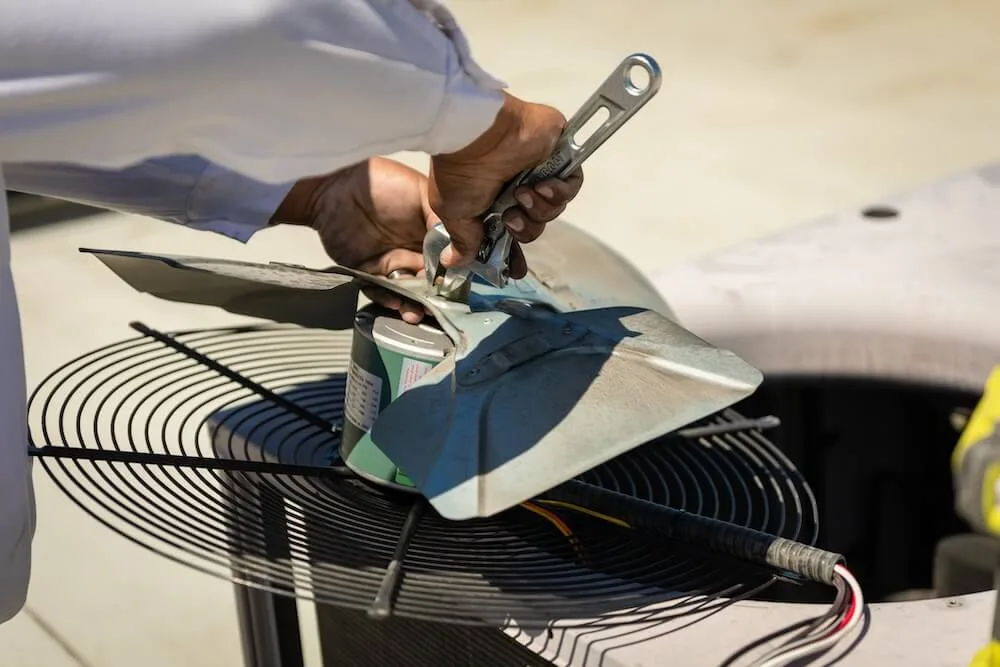
A professional installation begins with a Manual J load calculation and a Manual S equipment selection. The outdoor unit sits on a pad with required clearances. Indoor coils, line sets, control wiring, and refrigerant charging follow manufacturer instructions. Commissioning and startup checks are essential for long-term performance.
Your installer should measure airflow, static pressure, and verify refrigerant charge and electrical connections at startup. Proper commissioning documents performance and helps with warranty registration.
What is Manual J sizing?
Manual J is the industry standard for load calculation. It accounts for insulation, windows, occupancy, and local temps. Proper Manual J sizing prevents oversizing, which causes short-cycling and poor humidity control.
Licensed contractors or energy raters perform Manual J. Use the results to select a Lennox model that meets the home’s design loads rather than relying on square-foot rules.
How much does installation cost?
Costs vary with model, home size, duct condition, and local labor rates. A basic replacement may range from $4,500 to $8,000. High-efficiency, variable-capacity systems often cost $8,000 to $15,000 installed. New ductwork or electrical upgrades increase the price.
Get detailed quotes that list equipment, labor, and included commissioning steps. Cheaper bids may omit needed startup testing or warranty registration.
When should you hire a pro?
Hire a licensed HVAC professional for refrigerant work, electrical connections, and duct modifications. Pros do Manual J and Manual S, follow Lennox manuals, and perform the startup checks that maintain warranty coverage.
DIY on refrigerant or electrical systems can be unsafe and may void warranties. For reliable performance and compliance, use a trained Lennox dealer or a NATE-certified technician.
What maintenance does a Lennox heat pump need?
Regular maintenance keeps the heat pump efficient and extends lifespan. Annual professional service should include coil cleaning, refrigerant verification, compressor checks, and defrost system inspection. Homeowner tasks like filter changes and outdoor-coil clearance are simple but important.
Keep service records for warranty claims. A documented maintenance history also helps resale value and long-term reliability.
How often should I service a Lennox heat pump?
Have a licensed technician inspect the system at least once per year. Ideally schedule service in spring for cooling and in fall for heating. Heavy-use systems or homes with pets may need more frequent filter attention.
Regular checks catch refrigerant leaks, motor wear, and electrical faults before they become major repairs.
What routine checks should I do?
Change filters every 1–3 months depending on use and filter type. Keep the outdoor unit free of debris and plant growth. Verify thermostat settings, and listen for new noises from the compressor or fan.
Inspect ducts and registers for balanced airflow. In winter watch for excessive frost or ice on the outdoor unit and call a tech if defrost cycles seem wrong.
Can I DIY repairs safely?
DIY tasks like filter changes, clearing debris, and thermostat programming are safe. Avoid refrigerant handling, compressor repairs, or electrical panel changes. Those require licensed technicians and specialized tools.
Attempting complex repairs may void warranties and create safety hazards. For anything beyond basic upkeep, call The Cooling Company or another certified dealer.
Get a free Lennox estimate
Work with a trained technician for a free on-site estimate that includes a Manual J load calculation and a duct inspection. A good quote separates equipment and labor, lists matched indoor components, and explains startup testing and warranty registration.
For Las Vegas area service call The Cooling Company at (702) 567-0707 for a certified Lennox installer visit. The Cooling Company documents commissioning and helps with rebate and financing options.
How to schedule a certified installer visit?
Call The Cooling Company at (702) 567-0707 to schedule a certified Lennox installer visit in Las Vegas. Tell the scheduler your home size, age of equipment, and any comfort issues you have. The technician will perform Manual J sizing and present a clear written proposal with options and timelines.
If you are outside the Las Vegas area, look for NATE-certified technicians. Learn more about certification from the NATE organization: NATE Certification.
What should I ask when comparing quotes?
Ask for AHRI-certified model numbers and the SEER2/HSPF2 ratings for the matched outdoor and indoor pair. Confirm the quote includes refrigerant, line-set, startup testing, and warranty registration. Ask about duct sealing, airflow verification, and written commissioning results.
Compare long-term value, not just price. Request references and recent local jobs to confirm installer experience and workmanship.
Related service: Considering a heat pump for your Las Vegas home? Explore our heat pump installation and heating services services for Las Vegas homeowners.
Need HVAC service help in Las Vegas?
If you're facing an HVAC emergency in Las Vegas, Henderson, or North Las Vegas, The Cooling Company offers fast, reliable service from licensed technicians. We understand that heating and cooling emergencies don't wait for business hours.
Call us now at (702) 567-0707 for emergency service. Our team is ready to help restore your comfort quickly and safely.
About The Cooling Company
- Phone: (702) 567-0707
Sources and compliance
This article references guidance and test data commonly used in the HVAC industry. For basic heat pump explanations and homeowner tips see the U.S. Department of Energy heat pump page: Energy gov Heat Pump Tips. The AHRI Directory and manufacturer spec sheets are the reliable sources for certified SEER2/HSPF2 values and model pairings. Keep invoices and official manufacturer documents for rebates and tax credit claims.
Compliance note: Incentives, tax credits, and technical requirements change over time. Confirm current rules and program details with your utility, tax advisor, or the equipment dealer before purchase.
Final summary
Lennox heat pumps span value to premium models and work well in many climates when properly sized and installed. The real savings come from correct equipment selection, matched indoor components, sealed ducts, and thorough commissioning. Ask for AHRI-listed model pairs, a Manual J calculation, and documented startup tests. With the right installation and incentives, a Lennox upgrade can be a cost-effective way to cut energy bills and improve home comfort.
Related reading: what to explore next?
Related reading: Lennox heat pump models guide, and Lennox heat pump installation.
Need HVAC Service in Las Vegas?
The Cooling Company provides expert HVAC service throughout Las Vegas, Henderson, and North Las Vegas. Our licensed technicians deliver honest assessments, upfront pricing, and reliable results.
Call (702) 567-0707 or visit heating, furnace repair, heat pump installation, or heating maintenance for details.