


Short answer: Discover HVAC maintenance tips to compare Lennox Merit, Elite and Signature heat pumps fast, so you can pick the best model for your home confidently.
Lennox offers Merit, Elite, and Signature heat pump tiers to match budgets and climates; see the lennox hvac model guides for model comparisons. Merit gives low initial cost, Elite balances efficiency and price, and Signature delivers top comfort and cold performance. Pick by Manual J loads, duct condition, and local incentives to get the best long‑term value. (Energy gov Heat Pump Tips)
Key Takeaways
- Choose Merit for low upfront cost, Elite for balance, and Signature for top efficiency and cold performance.
- Proper Manual J sizing, duct sealing, and quality installation usually matter more than small SEER2 differences.
- Check HSPF2, low‑temp COP, and rated capacity at 5°F when cold weather matters.
Which Lennox tier fits my home?
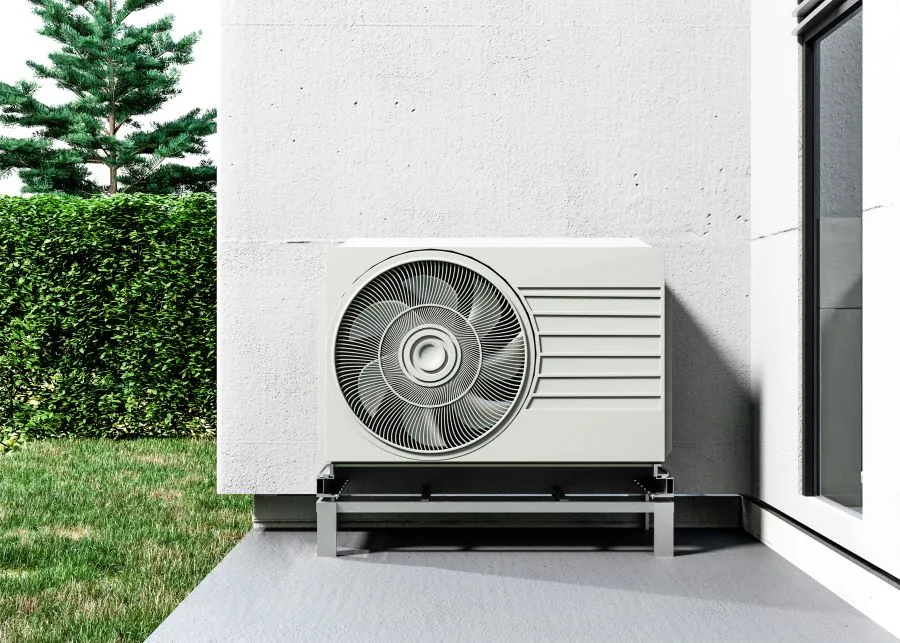
Lennox sorts heat pumps into Merit, Elite, and Signature tiers to simplify choices. Merit targets low cost and basic cooling and heating capability. Elite aims to strike a balance between price and improved efficiency. Signature focuses on variable capacity, quieter operation, and better low‑temperature output for cold climates.
Think about your goals and timeline before choosing a tier. If you plan to stay long term, higher efficiency and a quiet Signature unit can pay back over time. If you need a quick low‑cost replacement, Merit fits. Elite often serves homeowners who want large savings without premium cost.
Match the tier to house condition and ducts before buying a unit. Poor ducts erase part of any high‑efficiency gain. Start with a Manual J load and a duct inspection. Invest in sealing or simple duct upgrades if they will boost real efficiency.
What are the Merit, Elite and Signature tiers?
Merit units use single‑stage compressors and basic controls. They often cost least and are easier to service. Elite models add higher SEER2/HSPF2, sometimes two‑stage compressors, and better sound control. Signature systems usually use inverter variable compressors, wider modulation, and top SEER2/HSPF2 values for steady comfort.
Each tier varies by model and option. Merit can be a good temporary or rental choice. Elite is the common sweet spot for many climates. Signature suits owners who want low bills, smooth temperature control, and options for cold climates. Compare actual model numbers and spec sheets before deciding.
How does price vary by tier?
Installed price depends on tonnage, electrical work, and duct changes more than the model alone. Merit systems typically sit at the low end of installed cost. Elite units land in the middle. Signature installs are higher because of advanced components and needed commissioning.
Expect typical U.S. Installed ranges from roughly $7,000 to $14,000 for central systems. A Signature system with a new air handler, smart controls, and duct sealing may reach the top of that range. Ask for line‑item quotes to compare like for like and include rebates in totals.
Who benefits most from Merit models?
Merit fits tight budgets and homes with mild winters that need straightforward cooling with some heating help. Rentals and short‑term homes often use Merit for low cost and simple repairs. The simpler design means fewer electronics and generally lower parts costs for routine fixes. (Energy gov Heat Pump Tips)
If ducts are leaky, fix those first before chasing high SEER2 numbers. Duct sealing and insulation often give larger returns than moving tiers. Choose Merit if you need a fast replacement and do not plan major home upgrades soon.
How do specs like SEER and HSPF work?
SEER2 and HSPF2 are seasonal metrics that estimate cooling and heating efficiency. SEER2 covers cooling; HSPF2 covers heating. These numbers reflect typical seasonal operation in lab tests. Use them to compare models but expect real performance to vary with installation quality and house characteristics.
Manufacturers also publish COP and capacity at several outdoor temperatures. Those numbers help you judge winter performance. In cold climates, look at COP at 25°F, 5°F. At lower temps to see how capacity and efficiency hold up. That gives a clearer picture than seasonal numbers alone.
What does SEER and HSPF mean?
SEER stands for Seasonal Energy Efficiency Ratio and measures seasonal cooling efficiency. HSPF stands for Heating Seasonal Performance Factor and measures seasonal heating efficiency. SEER2 and HSPF2 reflect updated DOE test methods meant to better match modern installations and controls.
Try our energy savings calculator to see how much you could save.
Higher SEER2 or HSPF2 indicates lower seasonal energy use all else equal. Remember these are lab‑based seasonal averages, not exact bills. Compare models using SEER2/HSPF2 from certified AHRI listings for apples‑to‑apples data.
Why does COP matter?
COP, the coefficient of performance, measures instantaneous heating efficiency at a given outdoor temperature. A COP of 3 means the unit makes three units of heat per one unit of electricity. COP values fall as temperatures drop, so low‑temp COP shows real winter cost behavior.
Use COP charts to plan backup heat and to estimate hourly costs. Multiply COP by local electric rates to find dollars per delivered heat unit. That tells you more about real winter bills than a single seasonal number.
Can I trust manufacturer test numbers?
Manufacturer numbers come from controlled labs and are useful for comparisons. They assume matched indoor units, correct airflow, and perfect refrigerant charge. Real homes have duct leaks, odd layouts, and different setpoints that lower real efficiency.
Ask for AHRI certified data and COP tables for multiple outdoor temps. Also require your installer to document commissioning steps. That reduces the gap between lab ratings and in‑home performance and gives you proof for rebate and warranty claims.
Learn about available federal tax credits for energy-efficient HVAC equipment.
Which Lennox models handle cold climates best?
Cold‑climate performance depends on compressor type, controls, and refrigerant circuit. Variable‑capacity compressors and smarter inverter controls help maintain capacity at lower outdoor temperatures. Some Signature models include factory cold‑climate tuning and tested low‑temp ratings that boost winter comfort.
Compare rated capacity at 5°F or lower and COP at those temps. A model that holds 70–80 percent of rated capacity at 5°F will out‑perform one that drops faster. Also confirm your local dealer stocks cold‑climate variants and knows how to commission them correctly. (Energy gov Heat Pump Tips)
What is low ambient operation?
Low ambient operation describes a heat pump running at low outdoor temperatures to deliver heat. Some models keep output down to -5°F or lower, while others shift to backup earlier. Low ambient capability relies on compressor design, crankcase heaters, and valve logic to keep refrigerant and oil moving.
For homeowners, true low ambient operation reduces electric resistance use. That lowers winter costs. Always check published low‑temp capacity and COP curves for the exact model you plan to buy to ensure it meets your needs.
Which Lennox models have cold-climate tuning?
Lennox Signature line is most likely to include cold‑climate tuned models. Certain Elite models also offer cold options. Model numbers and specs change. Always pull current product sheets or AHRI entries to verify low‑temp capacity and COP values.
Ask your dealer for cold‑climate spec sheets and factory variant codes. Verify that the installer will set up defrost logic and perform cold‑weather commissioning. Those steps are essential for the model to reach advertised low‑temp performance.
How does backup heat work with heat pumps?
Backup heat runs when the heat pump cannot meet the load or during defrost cycles. Backup can be electric resistance, a gas furnace in a dual‑fuel setup, or another heat source. Controls decide when to switch from heat pump to backup based on temperature or cost signals.
Electric backup is cheap to install but can be costly to run. Dual‑fuel setups use gas at very low temperatures when running cost is lower. Program sequencing to limit resistance use and to prefer heat pump operation when it is efficient.
How should I size and install a Lennox heat pump?
Correct sizing and installation produce steady comfort and efficiency. Oversized units short‑cycle and punch humidity control. Undersized units run long and may not reach setpoints. Start with a Manual J load calculation to determine true heating and cooling needs for your home.
Installation must include duct checks, airflow measurement, and proper refrigerant charge at operating conditions. Many rebates and warranties require commissioning documentation. Ask for a signed startup report that lists CFM per ton, refrigerant pressures, and measured temps.
What is a Manual J load calculation?
Manual J is the industry method to size HVAC equipment. It accounts for insulation, windows, solar gains, and local climate. A Manual J calculates heat loss and gain to find right equipment capacity. It is the basis for picking the correct unit and for planning ducts.
Never accept sizing by rule of thumb or by matching an old oversized unit. Ask for a copy of the Manual J and check its assumptions. Good contractors explain inputs like thermostat setpoints, insulation levels, and window areas.
How important is ductwork sealing?
Duct sealing is one of the highest‑value upgrades for HVAC efficiency. Leaks in ducts can waste 10–30 percent or more of conditioned air. That loss erodes savings from high‑efficiency equipment and can cause rooms to remain unevenly heated or cooled. (Energy gov Heat Pump Tips)
Use a duct blower test to measure leakage at 25 Pa. Aim for low leakage per system CFM and seal accessible joints. Insulate ducts in unconditioned spaces to reduce thermal losses and boost real system performance.
How to vet Lennox certified installers?
Look for licensed HVAC contractors with Lennox dealer status and local references. Ask about NATE certification, Lennox model training, and proof of past installations. A solid installer will provide a written Manual J, start‑up documentation, and a clear warranty explanation.
During interviews, ask about testing tools and startup steps. Confirm they measure airflow, charge refrigerant by superheat or subcooling as specified, and perform a combustion or electrical safety check. Avoid low bids that skip testing and paperwork.
What will a Lennox heat pump cost and save?
Installed cost varies with model, tonnage, and work scope. Expect a broad installed range of roughly $7,000 to $14,000 for typical central systems. Smaller homes or simple replacements trend lower. Signature systems with new air handlers, ducts, or controls trend higher in the range.
Savings depend on current heating fuel, electric rates, and home efficiency. Switching from electric resistance to a heat pump often cuts heating energy use by 30–50 percent. Replacing an old system with a modern Signature model can reduce both bills and temperature swings.
What is the installed cost range?
Installed costs depend on labor rates and added work like duct runs or electrical upgrades. A basic Merit system fits the low end of market prices. An Elite system with minor duct sealing sits in the middle. A Signature system with full commissioning sits toward the high end.
Get multiple line‑item quotes. Make sure to compare identical scopes including duct sealing, thermostat upgrades, and paperwork for rebates. That reveals true price differences between tiers and avoids surprises at final billing.
How do incentives change payback?
Incentives can lower upfront cost and change the best tier choice. Utilities and state programs sometimes give rebates for high HSPF2/SEER2 equipment. Federal tax credits may apply when installed under qualifying conditions. Check current programs before you order.
Ask contractors to include likely rebate amounts in their quotes and to handle paperwork. Some rebates require pre‑approval or specific installer certification. Missing required steps can cost you savings after installation, so confirm details early.
Will a heat pump beat my gas bill?
Whether a heat pump beats gas depends on local gas and electric rates and system efficiency. Modern heat pumps with high HSPF2 often compare favorably in many markets. In areas with very low gas prices, payback may take longer.
Model expected costs with your actual utility rates and Manual J results. Include maintenance, fuel delivery, and expected lifespan in the comparison. Consider non‑cost factors too, such as reduced onsite combustion and simpler maintenance. (Energy gov Heat Pump Tips)
How to get local help and next steps?
Start by scheduling a site visit that includes a Manual J load, duct leakage test, and visual inspection. Have the contractor measure available electrical service and confirm thermostat compatibility. Ask for model COP data and low‑temp capacity for the options they present.
Compare proposals based on scope, testing, and paperwork for rebates and warranty registration. Choose a contractor who documents commissioning steps, provides a startup checklist. Explains thermostat and backup sequencing to you at handover.
How to request a site visit?
Request a visit that lists deliverables: Manual J, duct blower test result, measured airflow, and startup checklist. Tell the contractor what you want included in writing. That helps avoid surprises and ensures you receive the verification needed for rebates.
Bring questions about low‑temp COP, expected annual energy use, and the exact rebate forms they will file. A thorough contractor will leave a written proposal and describe how they test airflow and set refrigerant charge during startup.
When should I call a pro?
Call a licensed HVAC contractor for Manual J/S sizing, duct repairs, refrigerant work, and full system commissioning. Complex projects with duct changes or panel upgrades require professional permits and inspections. Use trained techs to keep warranties valid.
If you live in Las Vegas, Henderson, or North Las Vegas, contact The Cooling Company for local service, sizing, and installation. Outside those areas, ask installers for NATE certification and commissioning experience to ensure good results.
Ready to install? How to contact The Cooling Company?
Las Vegas area homeowners can call The Cooling Company at (702) 567-0707 to schedule a site visit. Our team covers Las Vegas, Henderson, and North Las Vegas. We perform Manual J loads, duct testing, and full startup with documented commissioning and rebate paperwork.
If you are outside our service area, ask contractors for NATE‑certified technicians and proof of heat pump commissioning. Request AHRI model data and low‑temp COP charts before you sign. Those items protect your investment and set clear expectations.
Final recommendations and next actions?
Put simply, start with a Manual J load calculation and a duct leakage test before choosing a model. Prioritize sealing ducts and correcting airflow because those fixes often beat tier jumps for real savings. Use AHRI and manufacturer COP data to compare models side‑by‑side.
When ready, get at least three line‑item quotes that include rebates and commissioning. If you are in Las Vegas, Henderson, or North Las Vegas, call The Cooling Company at (702) 567-0707. Our team will size your system, test and seal ducts. Present options with rebate paperwork to make a clear decision.
About The Cooling Company
The Cooling Company has been serving the Las Vegas valley with professional HVAC services for over a decade. Our team of licensed, NATE-certified technicians specializes in air conditioning repair, heating system maintenance, and complete HVAC installations. We're committed to providing honest, reliable service with upfront pricing and a 100% satisfaction guarantee on all work performed.
- Phone: (702) 567-0707
- Reviews: 4.9/5 stars (500 reviews) - See reviews
Service Areas
We proudly serve homeowners and businesses throughout the Las Vegas metropolitan area, including Las Vegas, Henderson, and North Las Vegas. Our service technicians are available for same-day appointments in most areas, with emergency service available 24/7 for urgent HVAC issues.
References
- U.S. Department of Energy (Energy.gov) (accessed 2026-01-02)
- U.S. Environmental Protection Agency (EPA) (accessed 2026-01-02)
- ASHRAE (Standards and guidance) (accessed 2026-01-02)
- ENERGY STAR (Heating & cooling) (accessed 2026-01-02)
Related reading: Lennox heat pump installation, and Lennox heat pumps in Las Vegas.
Need HVAC Service in Las Vegas?
The Cooling Company provides expert HVAC service throughout Las Vegas, Henderson, and North Las Vegas. Our licensed technicians deliver honest assessments, upfront pricing, and reliable results.
Call (702) 567-0707 or visit heating, furnace repair, heat pump installation, or heating maintenance for details.