

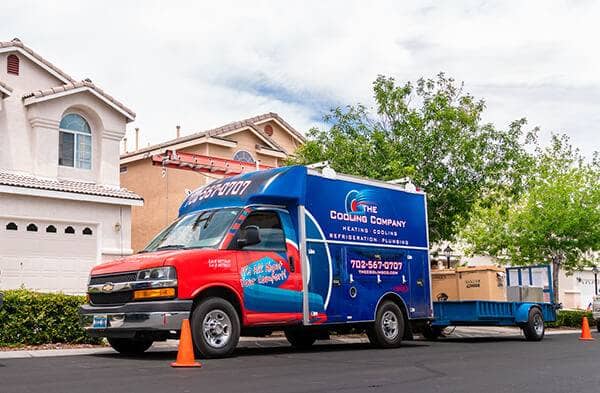
Short answer: Discover HVAC maintenance tips and how to compare Lennox system pricing, installation costs and total cost of ownership so you can choose with confidence.
Short answer: Lennox system costs range based on model, efficiency, and job complexity. Expect basic central systems in the low thousands and high-efficiency packages over ten thousand dollars installed. Local labor, duct repairs, and permits change the final price. Always get written, itemized bids and check estimated energy savings. (ASHRAE Technical Resources)
Key Takeaways
- Lennox prices vary from low thousands for basic units to over $10,000 for premium systems installed.
- Installation cost depends on ductwork, house size, permits, and added options like zoning or filtration.
- Compare SEER/AFUE, warranty details, and get at least three itemized bids that include load calculations.
- Las Vegas readers: call The Cooling Company at (702) 567-0707 for local quotes and installs in our service area.

How much does a Lennox system cost to buy and install?
Expect price ranges that depend on model, efficiency, and install complexity. Many basic single-stage central systems with a matched gas furnace fall in the low thousands when installed. Higher-end, variable-capacity Lennox units with better efficiency add several thousand dollars to the sticker price.
Local labor rates, permit fees, and the need for duct repairs also change the final bill. Homeowners should budget for electrical work, permit costs, and any minor carpentry or insulation fixes. A written, itemized bid helps you spot those extra charges before work starts.
Ask for matched system pricing in each bid so you compare similar equipment. Contractors often bundle indoor and outdoor components into single quotes. Check each model number, SEER rating, and warranty terms in the bid to avoid surprises.
What affects the sticker price?
Model efficiency is a major price driver. Units with higher SEER ratings and variable-speed compressors cost more up front. Those models save more energy but add to the initial project cost.
Job complexity also changes price. Replacing only an outdoor condensing unit is cheaper than swapping both the furnace and the air handler. Expect higher labor charges if installers must work in tight attic spaces or on multi-story homes.
What are typical price ranges by model?
Basic like-for-like replacements for a 1.5 to 2.5 ton central system often run in the low to mid thousands installed. Mid-range packages commonly fall in the mid to high thousands. High-efficiency Lennox models can push the installed cost past ten thousand dollars in many markets. (ASHRAE Technical Resources)
Learn about available federal tax credits for energy-efficient HVAC equipment.
Get at least three written quotes for your specific home size and duct condition. Compare line items such as permits, electrical upgrades. Any proposed duct repairs to find the fair market price in your area.
How do installation costs vary with home size and ductwork?
Larger homes need bigger equipment and more install time. That increases both labor and material costs. Homes over 2,500 square feet often need higher capacity units and may need duct branching or new returns.
Duct condition has a large effect on cost and performance. Leaky, crushed, or undersized ducts reduce system efficiency and comfort. Repairing ducts often costs a few hundred dollars, while full replacement can reach several thousand dollars.
Consider a duct inspection and simple tests before buying equipment. A contractor can measure static pressure and airflow, which show whether ducts restrict performance. Fixing duct problems first can help the new Lennox run at its rated efficiency.
Will I need new ducts?
Technicians check ducts by measuring airflow, static pressure, and by visual inspection. Signs that ducts need work include uneven room temps, weak vents, and high utility bills. Visible damage like gaps, crushed sections, or disconnected runs also signals replacement.
Minor sealing and insulation upgrades often cost a few hundred dollars. Full duct replacement for a larger home commonly costs several thousand dollars. Compare that cost to comfort gains and energy savings to decide whether to repair or replace.
Try our energy savings calculator to see how much you could save.
Check our HVAC pricing guide for current cost estimates.
How long does installation take?
Simple like-for-like installs usually finish in one to two days. More complex jobs with duct changes, electrical upgrades, or zoning can take several days. Permitting and inspections sometimes add extra time to the schedule.
Ask each contractor for a written timeline and a list of tasks before work begins. That helps you plan and reduces surprises. Request a point of contact for updates while installers work at your home.
What is total cost of ownership for a Lennox system?
Total cost of ownership includes purchase price, energy use, repairs, and maintenance. Higher-efficiency Lennox units cost more up front but often lower monthly bills. Your climate and usage patterns affect the payback time for efficiency upgrades.
Lennox systems that receive regular service usually last longer and need fewer major repairs. Budget for annual tune-ups and filter changes to protect the system. A proactive plan cuts the risk of expensive failures like compressor or heat exchanger problems. (ASHRAE Technical Resources)
Think in five- and ten-year windows when comparing offers. Use past utility bills and local energy rates to estimate annual savings. Divide extra upfront cost by expected yearly savings to get a simple payback figure.
How do energy savings affect TCO?
Higher SEER ratings reduce cooling energy use, while higher AFUE ratings lower furnace fuel use. Actual savings depend on local electricity and gas prices and how much you run the system. Hot climates get faster payback from high-SEER cooling.
To estimate payback, calculate your current annual cooling cost, then apply percent savings from the higher SEER. For example, a system that saves 20% on cooling costs and cuts $300 yearly saves $3,000 in ten years. Compare that to the added upfront price.
What are typical maintenance costs?
Annual tune-ups usually cost between $75 and $200 depending on service level and local rates. Filter replacements add low recurring costs but need regular attention. Budgeting for these small costs prevents major failures.
Major repairs like a compressor replacement or a cracked heat exchanger can cost thousands. Consider a service fund or a maintenance plan that gives priority service and parts discounts. That approach often extends system life.
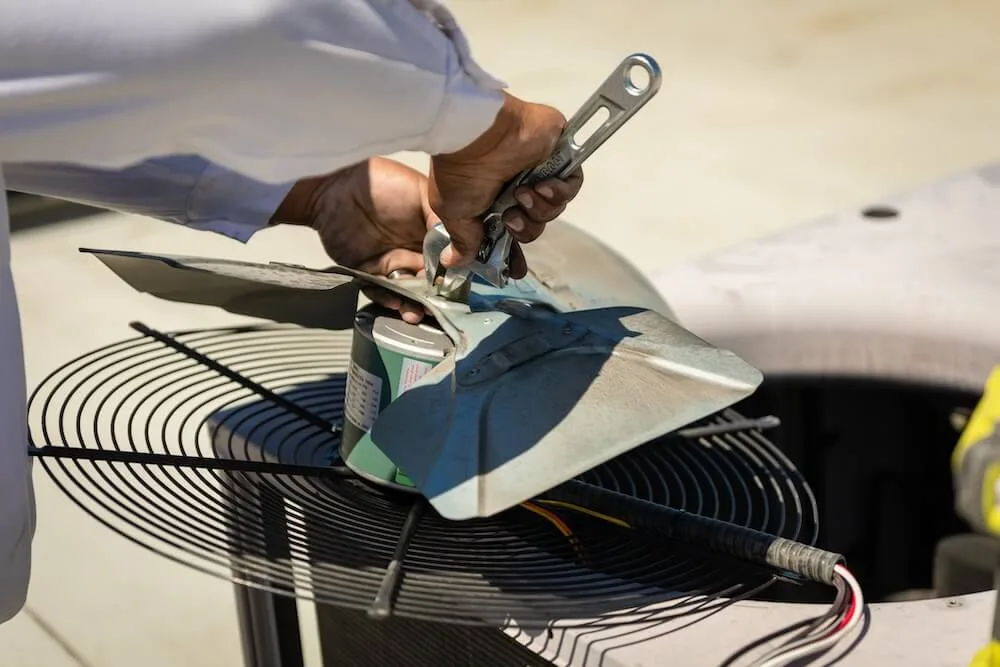
How can I compare Lennox to other brands?
Start by matching capacity, SEER, compressor type, and warranty when you compare brands. Look at variable-speed versus single-stage compressors and whether the system supports zoning. Those factors affect comfort and efficiency.
Check independent efficiency ratings and verified reviews for real-world performance. Manufacturer specs help, but field performance and local contractor support often matter more. Compare total installed cost and expected energy use over years.
Request a load calculation for each bid rather than relying on square-foot rules. A Manual J load calculation gives a proper equipment size. Proper sizing avoids short cycling and reduces operating cost.
Should I compare SEER and AFUE?
SEER measures cooling efficiency, and AFUE measures furnace efficiency. Higher numbers usually mean lower operating costs. Choose ratings that match your climate and your energy goals.
Mild climates may not need the highest SEER models to get reasonable payback. Hotter areas often recover extra cost faster due to heavy cooling loads. Compare realistic yearly use rather than only peak numbers. (ASHRAE Technical Resources)
How important are warranties?
Warranties protect against early part failures and manufacturing defects. Lennox offers different warranty terms by model, and coverage varies by component. Read warranty scope and any required registration steps.
Some warranties require the installer to register the system to keep parts covered. Ask the installer to document registration and to provide the warranty terms in writing. That prevents confusion about what the warranty covers.
If you are weighing whether to repair or replace your Lennox system, our Lennox replacement guide for 2026 provides the complete decision framework with series-by-series cost thresholds.
When should I call a pro for an estimate?
Call a contractor before you pick a model or a price. A site visit reveals duct issues, electrical needs, and the correct system size. A proper estimate includes the load calculation and any prep work needed at the home.
Gather at least three written, itemized bids to compare fairly. A good bid lists model numbers, SEER and AFUE ratings, labor hours, permit fees, and any duct or electrical work. That level of detail helps you compare apples to apples.
Ask each contractor to show how they sized the system and what assumptions they used. Written notes on existing duct condition, insulation. Attic access reduce post-install surprises and give a clear paper trail for decisions.
What should be on a written estimate?
An itemized estimate lists equipment model numbers, efficiency ratings, and the labor that installers will perform. It includes permit fees, expected inspection steps, and the start and end dates for the project. Payment schedule and warranty terms should appear too.
Compare bids line by line for parts like thermostats, zoning dampers, or filtration. If a bid assumes duct repairs, that should be clear. Getting assumptions in writing makes it easier to ask follow-up questions and to compare total project costs.
How do I choose a contractor?
Hire licensed and insured pros with steady local reviews and a clear track record. Ask for proof of licensing and insurance before work begins. Check references and look for consistent feedback on quality and punctuality.
Look for technicians with training and certifications such as NATE. Compare how each contractor explains equipment choices and reads your load calculation. Choose the contractor who offers clear answers, written warranties, and a fair itemized quote.
Ready to get a Lennox estimate in Las Vegas?
For Las Vegas area homeowners, call The Cooling Company at (702) 567-0707 to schedule an on-site estimate. Technicians provide system sizing, duct checks, and an itemized written bid. The Cooling Company serves Las Vegas, Henderson, and North Las Vegas with local installers and warranty support. (ASHRAE Technical Resources)
If you live outside our service area, ask for NATE-certified technicians and a written Manual J load calculation. Those checks help ensure proper equipment sizing and a correct install. Las Vegas readers should call The Cooling Company at (702) 567-0707 for fast local service and clear pricing.
How do I prepare for the visit?
Before the contractor arrives, gather past 12 months of utility bills and note problem rooms. Clear attic access and indoor unit areas. That helps technicians measure airflow and inspect ducts without delay.
Make a list of comfort goals like quieter operation, better humidity control, or lower bills. Share those notes with each contractor so they can match systems to your priorities. Written info speeds up the estimate process.
What if I am outside Las Vegas?
Ask local contractors for NATE-certified technicians and for a written load calculation. NATE certification shows technicians passed industry tests, and a Manual J calculation ensures correct sizing. Those two items reduce the risk of an undersized or oversized system.
Compare warranty registration steps and local service availability when you pick a contractor. Even strong equipment needs good local support. If you want a second opinion, request an itemized bid and compare it with at least two other contractors.
Related reading and next steps
Collect past energy bills, note current thermostat settings, and observe which rooms feel too warm or too cold. Use those facts when you ask for quotes. Written data helps contractors give more accurate bids and reduces guesswork.
Speak with at least three contractors and compare itemized bids line by line. Ask for expected annual energy use estimates and any available rebates. Local utility rebates and tax credits can change the payback math.
If you live in Las Vegas, Henderson, or North Las Vegas, call The Cooling Company at (702) 567-0707 to schedule an on-site estimate. Trained techs provide clear, itemized bids with system sizing, duct checks, and warranty details. Outside our area, ask for NATE-certified techs and a Manual J load calculation.
For detailed model comparisons and specs, see “lennox hvac model guides” (TCC: Topic) to help match equipment to your needs.
About The Cooling Company
The Cooling Company has been serving the Las Vegas valley with professional HVAC services for over a decade. Our team of licensed, NATE-certified technicians specializes in air conditioning repair, heating system maintenance, and complete HVAC installations. We're committed to providing honest, reliable service with upfront pricing and a 100% satisfaction guarantee on all work performed.
- Phone: (702) 567-0707
- Reviews: 4.8/5 stars (780+ reviews) - See reviews
Service Areas
We proudly serve homeowners and businesses throughout the Las Vegas metropolitan area, including Las Vegas, Henderson, and North Las Vegas. Our service technicians are available for same-day appointments in most areas, with emergency service available 24/7 for urgent HVAC issues.
References
- U.S. Department of Energy (Energy.gov) (accessed 2026-01-02)
- U.S. Environmental Protection Agency (EPA) (accessed 2026-01-02)
- ASHRAE (Standards and guidance) (accessed 2026-01-02)
- ENERGY STAR (Heating & cooling) (accessed 2026-01-02)
Related reading: Lennox rebates, and HVAC installation cost in Las Vegas.
Need HVAC Service in Las Vegas?
The Cooling Company provides expert HVAC service throughout Las Vegas, Henderson, and North Las Vegas. Our licensed technicians deliver honest assessments, upfront pricing, and reliable results.
Call (702) 567-0707 or visit HVAC services, HVAC maintenance, heating, or AC repair for details.