

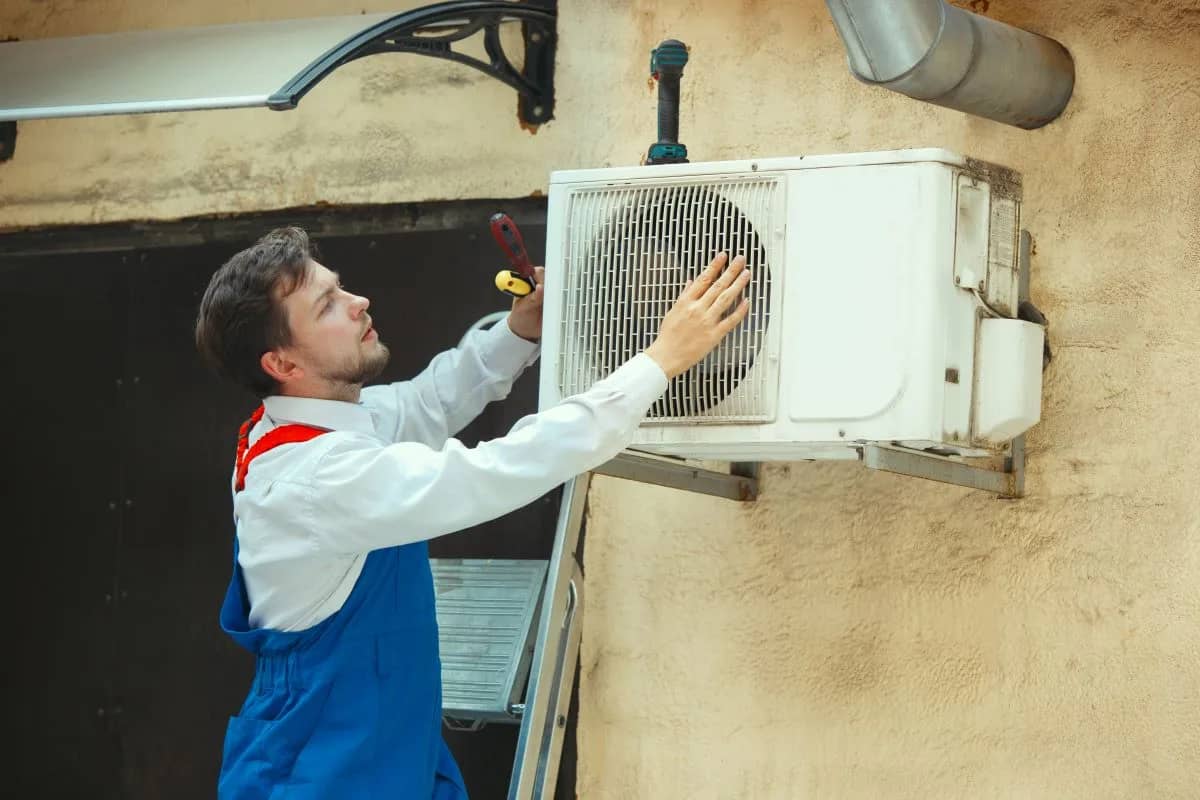
Short answer: Discover HVAC maintenance tips to register your Lennox at commissioning, activate warranty instantly, and avoid major repair bills — protect your coverage.
Registering a Lennox HVAC product links the unit to the manufacturer, activates warranty tiers, and records installation details for claims. Do it right after commissioning. Keep the serial number, sales invoice, and commissioning report in a digital folder. Proper registration can shift thousands in repair costs from you to Lennox. See industry guidance such as the ASHRAE Technical Resources for.
Key Takeaways
- "lennox labor warranty options summerlin"
- "lennox parts warranty coverage henderson"
- "lennox warranty registration las vegas"
Lennox Warranty Registration: Key takeaways?
Lennox warranty registration sets official start dates for parts coverage and creates an auditable trail that warranty teams use when processing claims. The record includes model and serial numbers, installation date, installer identity, and owner contact. When present, it connects the manufacturer to the installation and to any required commissioning checks.
Installers and homeowners share responsibility. Installers should register during commissioning and provide confirmation. Homeowners should keep proof and add maintenance receipts to the file. If a sale occurs, follow Lennox transfer steps; otherwise coverage can lapse or become non-transferable. Document the transfer to avoid surprises for the buyer.
Responsibilities: installer vs. Owner
Installers often register equipment as part of the commissioning process. Best practice is to complete registration on site and email confirmation to the owner. If the installer registers and fails to provide proof, the owner should follow up and request confirmation. Keep a dated note or email showing the request in case of later disputes.
Owners should verify registration before the crew departs. If registration is incomplete, the owner can self-register using Lennox’s online portal or by phone. Keep a copy of the registration confirmation in the digital folder and share it with the installer if it was their responsibility.
Extended coverage and eligibility
Some Lennox models offer extended parts coverage when registered within a specific timeframe after installation. The extended coverage is conditional and may require commissioning proof plus documented annual maintenance. Check model-specific terms or ask the dealer to confirm eligibility when registering.
Without timely registration, you might still have the base warranty, but you could lose the chance to qualify for longer-term parts protection. Keep deadlines clearly noted in your property records and set a calendar reminder to confirm registration within the required window.
Transfer of ownership
When selling a home with registered equipment, follow Lennox’s transfer steps early in the sale process. Transferring warranty registration typically requires a form or an owner update in the manufacturer portal. If transfer steps are missed, the new owner may not receive remaining coverage or could face reduced claim support.
Provide the buyer with printed registration confirmation and maintenance records. That documentation helps preserve warranty value and can be a selling point. If a sale closes without transfer, start the process immediately and notify Lennox to avoid a coverage gap.

Introduction
Lennox warranty registration is easy to overlook. But omission can void parts coverage for expensive components. Homeowners without registration risk large out-of-pocket costs when parts such as compressors or control boards fail. This introduction explains why timely registration matters and outlines common pain points.
Making registration routine at installation protects long-term value. Many dealers register equipment without incident, but homeowners should insist on written confirmation. If the dealer delays, owners may register themselves. A complete record is invaluable when you file a claim years later.
Why this topic matters now?
HVAC component and repair costs have risen. Compressors, electronic controls, and coils can cost thousands to replace. Manufacturers now more often require commissioning evidence and proof of annual service to approve claims. Registration connects the installation to these maintenance requirements and helps establish a valid claim.
Our pricing guide breaks down the costs you can expect.
Industry standards and best practices, including those collected in ASHRAE Technical Resources, emphasize commissioning and documentation. When installers follow these practices and records are saved, homeowners have clear evidence that performance checks occurred at install.
Audience pain points?
Homeowners commonly assume registration is automatic. That belief leads to surprise denials. Other frequent problems include lost invoices, no data-plate photos, or incomplete commissioning reports. Those gaps make warranty claims difficult and sometimes impossible to win.
Installer responsibility is a second pain point. Some dealers register equipment but do not give the owner a copy of the confirmation. That leaves homeowners unsure whether the system is protected. Asking for a printed or emailed receipt at commissioning usually resolves this problem.
Core Concepts
Understanding a few core concepts clears up most confusion. Registration records model and serial numbers and ties them to an installation date and owner. Commissioning is the set of checks done at install to verify refrigerant charge, airflow, and control operation. Maintenance records show required periodic work. These components often determine claim approval and should be kept together for quick retrieval.
Lennox warranties commonly include limited parts coverage by default. Extended parts coverage can be available if the unit is registered within the required window. Dealer labor warranties are separate and vary by contractor. Transfer rules apply if you sell the home, so keep that process in mind when listing a property.
Key definitions?
Registration is the act of logging product and owner details with Lennox. This creates an official record that supports future claims. Commissioning is the verification process performed at installation that documents performance measures like airflow and refrigerant charge. Maintenance records are dated service logs showing periodic work was done.
Model and serial numbers are unique identifiers on the unit's data plate. Parts warranty refers to Lennox coverage for specified components. Dealer labor warranty is offered by the installer and typically covers labor for repairs within a set contractor-defined period. Transfer rules describe how warranty ownership moves with property sale.
Common mistakes?
The top mistake is assuming registration happens automatically. Installers sometimes forget or fail to provide the owner with confirmation. Missing or unclear commissioning reports are another frequent cause of denials. Some claims are rejected because required commissioning checks were not documented.
Failing to keep annual maintenance records is a common problem. Some warranties require documented annual service to continue coverage. Using uncertified technicians for refrigerant work may violate EPA rules and could void warranty conditions. Photograph the data plate and invoice and store digital copies to avoid these issues.
Data benchmarks?
Typical residential HVAC life is 15 to 20 years with good maintenance. Component replacement costs vary, but single-component failures can range from roughly $2,500 to $8,000. Registered units tend to have higher claim success rates and lower owner out-of-pocket costs for parts.
Many extended warranties require registration within a fixed window after installation. Missing a deadline can disqualify a unit from certain coverage options. Tracking registration dates and warranty expirations is a straightforward way to protect coverage and plan for future maintenance costs.
Action Plan
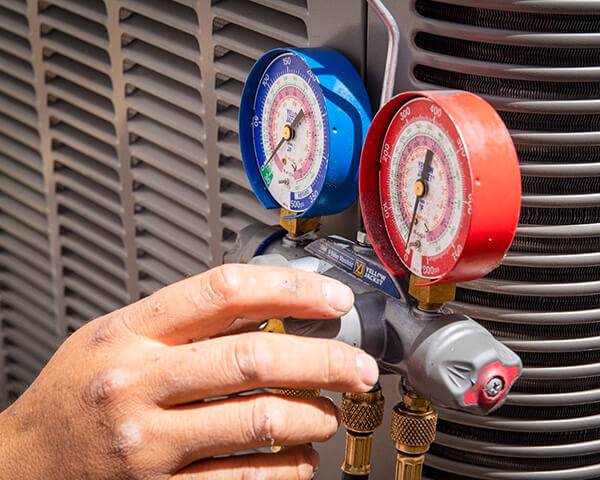
This action plan gives a clear, step-by-step workflow for homeowners and installers. Follow these steps right after installation to ensure instant activation and to keep required documents organized. The plan covers who should act, what to collect, and where to store proof.
The second part covers automation and systems to track warranty status and maintenance. The final part lists the key metrics to monitor so you know the system remains covered. A concrete action plan reduces the chance of a denied claim and makes transfers and appeals much simpler.
Step-by-step workflow?
Step 1: At installation, confirm registration and ask the dealer to email or print a confirmation. Photograph the data plate showing model and serial numbers. Step 2: Save the sales invoice and commissioning checklist in a named digital folder. Use cloud storage for redundancy and easy sharing with the dealer or manufacturer.
Step 3: If the installer does not register, register yourself using Lennox’s online portal or by calling Lennox support. Be ready to provide model, serial number, installation date, and proof of purchase. Step 4: Schedule annual maintenance with an authorized dealer and save each service receipt with date and technician name.
Automation opportunities?
Use a home-maintenance app or cloud folder to store invoices, photos, and service reports. Set calendar reminders for annual service and warranty expiration. Some dealers offer service contracts that generate online records you can access. These systems reduce human error and simplify claims.
If you manage several properties, use a property-management spreadsheet that lists serial numbers, registration status, and service dates. That makes transfers easier and speeds up claim processing when problems occur.
Metrics to watch?
Track registration date, warranty expiration, and commissioning completion. Monitor annual service dates and any refrigerant work performed. Also watch dealer labor warranty expiration, which affects labor costs for repairs.
Note service entries that mention low charge, airflow issues, or coil corrosion. These entries can lead to warranty issues if not addressed and documented. Review these metrics at least yearly and after major service visits.
Optimization
Optimizing warranty protection means doing a few routine things well. Make registration part of your closing checklist for new installs. Standardize how you store equipment photos and invoices. Train household members or property managers to look for missing confirmations.
On the contractor side, use a commissioning checklist tied to registration to create consistent claim-ready documentation. Templates for invoices and service reports should include model, serial number, dates, and technician credentials. Good systems reduce disputes and speed claim resolution.
Troubleshooting checklist?
If a claim is denied, start with the data plate. Match the model and serial numbers to the registry confirmation. Gather the sales invoice, commissioning report, and maintenance logs first. Then contact the installing dealer to confirm who submitted registration.
If the dealer says they registered, request that Lennox provide the registration record and clarify any missing items in the claim. If the registry shows unregistered, collect evidence that the installer promised registration and include it when you appeal. Organized evidence gives you the best chance to overturn denials.
Expert tips?
Ask the installer for registration confirmation before they leave the site. Get a printed or emailed copy and save a photo of the data plate on your phone and in cloud storage. Schedule maintenance with the same authorized dealer when possible to build a continuous service record.
For coastal or high-humidity homes, request additional corrosion checks and more frequent coil cleanings. Use NATE-certified technicians for refrigerant work to align with EPA and warranty rules and to create stronger claim evidence.
Case Study
A short case study shows how small actions change outcomes in major claims. Two homeowners installed identical Lennox models. Owner A relied on verbal promises and kept no records. Owner B insisted on registration and kept commissioning and maintenance documentation. When both systems had the same compressor failure later, outcomes differed because of documentation.
Owner B received parts coverage under warranty and paid limited labor costs. Owner A had the claim denied and paid the full replacement cost. The contrast shows why registration and records are high-value practices for homeowners and why installers should build registration steps into commissioning.
Before and after snapshot?
Before: Owner A had a Lennox unit installed and was told the dealer would register it. No proof was provided and no data-plate photos were taken. Six years later the compressor failed. Without registration and commissioning proof, Lennox denied a parts claim and Owner A paid several thousand dollars out of pocket.
After: Owner B insisted the dealer register at commissioning and received email confirmation. Owner B stored data-plate photos and yearly maintenance receipts. When the same compressor failure occurred, Lennox covered parts under warranty and Owner B only paid limited labor costs. Documentation made the difference.
Lessons learned?
Proof matters more than promises. An email confirmation and a few photos can determine success in a high-cost claim. Annual maintenance logs and service by an authorized dealer strengthen claims. Do not rely on memory or verbal assurances; insist on written confirmation at installation.
When selling a home, follow Lennox transfer steps early to avoid coverage lapses for the buyer. Good record-keeping preserves warranty benefits for new owners and simplifies inspections or appeals.
If you're facing an HVAC emergency in Las Vegas, Henderson, or North Las Vegas, The Cooling Company offers fast, reliable service from licensed technicians. We understand that heating and cooling emergencies don't wait for business hours. Call us now at (702) 567-0707 for emergency service. Our team is ready to help restore your comfort quickly and safely.
Sources:
- ASHRAE Technical Resources: ASHRAE Technical Resources
- Annual maintenance guidance: Energy Saver - Air Conditioning
- Local Lennox labor and parts pages: The Cooling Company - Lennox labor warranty options, The Cooling Company - Lennox parts warranty coverage, The Cooling Company - Lennox warranty registration
Need HVAC service help in Las Vegas?
If you're facing an HVAC emergency in Las Vegas, Henderson, or North Las Vegas, The Cooling Company offers fast, reliable service from licensed technicians. We understand that heating and cooling emergencies don't wait for business hours.
Call us now at (702) 567-0707 for emergency service. Our team is ready to help restore your comfort quickly and safely.
About The Cooling Company
The Cooling Company has been serving the Las Vegas valley with professional HVAC services for over a decade. Our team of licensed, NATE-certified technicians specializes in air conditioning repair, heating system maintenance, and complete HVAC installations. We're committed to providing honest, reliable service with upfront pricing and a 100% satisfaction guarantee on all work performed.
- Phone: (702) 567-0707
- Reviews: 4.8/5 stars (780+ reviews) - See reviews
Service Areas
We proudly serve homeowners and businesses throughout the Las Vegas metropolitan area, including Las Vegas, Henderson, and North Las Vegas. Our service technicians are available for same-day appointments in most areas, with emergency service available 24/7 for urgent HVAC issues.
References
- U.S. Department of Energy (Energy.gov) (accessed 2026-01-02)
- U.S. Environmental Protection Agency (EPA) (accessed 2026-01-02)
- ASHRAE (Standards and guidance) (accessed 2026-01-02)
- ENERGY STAR (Heating & cooling) (accessed 2026-01-02)
Need HVAC Service in Las Vegas?
The Cooling Company provides expert HVAC service throughout Las Vegas, Henderson, and North Las Vegas. Our licensed technicians deliver honest assessments, upfront pricing, and reliable results.
Call (702) 567-0707 or visit HVAC services, HVAC maintenance, heating, or AC repair for details.